Everything You Need to Know About Ramayana Tour in Sri Lanka: Complete Pilgrimage Trail Guide 2026
Ramayana Tour in Sri Lanka: The Ultimate Pilgrimage Trail Through Myth and History Explore the sacred Ramayana trail in Sri Lanka from Sita Amman Temple and Ravana Cave to Ashoka Vatika. Plan your spiritual journey through 50+ legendary sites. Introduction: Where Myth Meets the Island For centuries, the epic tale of the Ramayana has held […]
Ramayana Tour in Sri Lanka: The Ultimate Pilgrimage Trail Through Myth and History
Explore the sacred Ramayana trail in Sri Lanka from Sita Amman Temple and Ravana Cave to Ashoka Vatika. Plan your spiritual journey through 50+ legendary sites.
Introduction: Where Myth Meets the Island
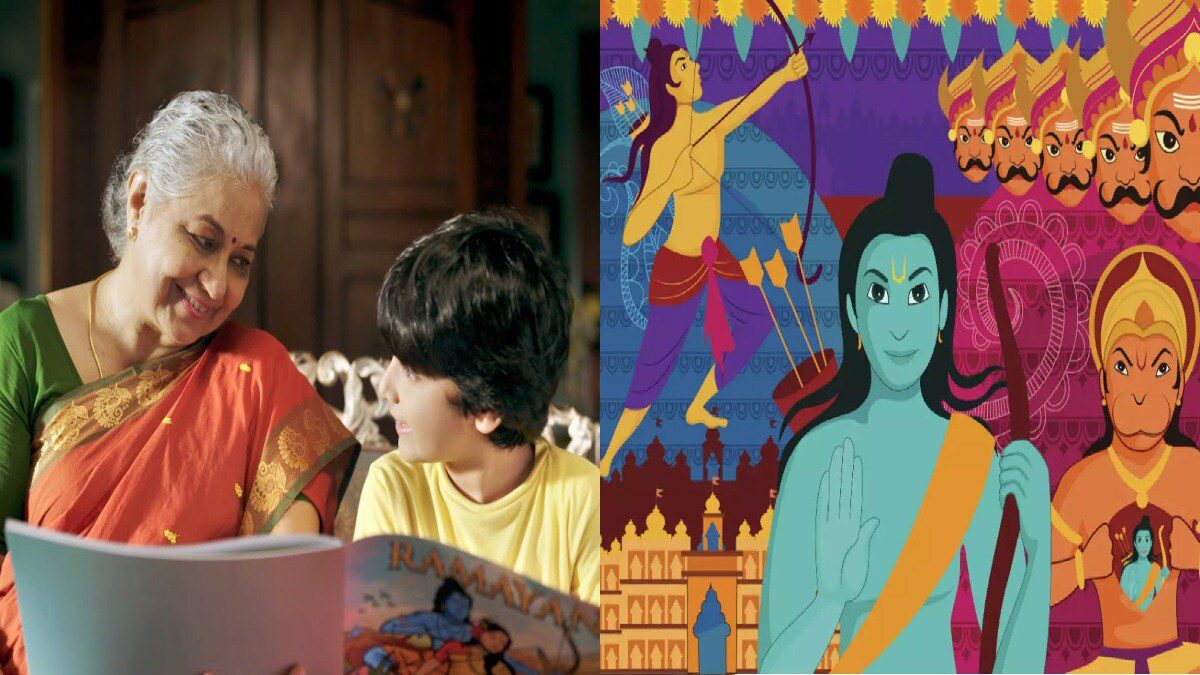
For centuries, the epic tale of the Ramayana has held a special place in the hearts of millions across South Asia. The story of Lord Rama’s quest to rescue Sita from the demon king Ravana is not just a legend it is a living faith that bridges nations and generations .
Sri Lanka holds a unique position in this ancient narrative. According to the Ramayana, this teardrop-shaped island was the kingdom of Ravana, where the epic’s most dramatic events unfolded. Today, more than 50 sacred sites across Sri Lanka are linked to the Ramayana, offering pilgrims and travellers the opportunity to walk in the footsteps of Lord Rama, Sita Devi, and Hanuman Ji .
This guide takes you on a journey through Sri Lanka’s most significant Ramayana sites, from the misty hills of Nuwara Eliya to the waterfalls of Ella and the ancient temples of the north.
Why Sri Lanka is Central to the Ramayana
Sri Lanka is believed to be the island kingdom of Ravana, where he held Sita captive after abducting her from India. The epic describes how Lord Rama, with the help of Hanuman and his Vanara army, built a bridge (Rama Setu) across the ocean to reach Lanka, waged a great battle, and ultimately rescued Sita .
Many of the locations described in the Ramayana correspond to real places in Sri Lanka, making the island a living landscape of mythology. As one traveller noted: “The Ramayana trail in Sri Lanka is not just a sightseeing experience – it brings this ancient myth to life. Each location along the trail has a long and rich history which goes back centuries” .
The Sri Lanka Tourism Development Authority has identified and promoted 34 sites across the island associated with the Ramayana, making it a well-established pilgrimage circuit .
Sacred Sites of the Ramayana Trail
Ashoka Vatika and the Sita Amman Temple
Location: Seetha Eliya, near Nuwara Eliya
This is the emotional heart of Sri Lanka’s Ramayana trail. Seetha Eliya, a small village in Sri Lanka’s central highlands, is where locals believe Sita spent her days in captivity after Ravana brought her to Lanka .
Sita Amman Temple is the only Hindu temple in Sri Lanka dedicated to Princess Sita . The temple houses idols of Sita, Rama, Lakshmana and Hanuman, and remains an important place of worship for devotees from Sri Lanka and India .
What you’ll see:
-
Sita Jharna a mountain stream where Sita is said to have bathed during her captivity
-
Hanuman’s footprints rocks near the stream believed to carry the impressions of Hanuman’s feet, with both small and large prints visible
-
Black soil according to legend, Hanuman set this area ablaze before leaving Sri Lanka
“The serene atmosphere and the soft trickle of the river offer a sense of peace”
Hakgala Botanical Garden — The Real Ashoka Vatika
Location: 10 km from Nuwara Eliya
According to legend, Sita refused to stay in Ravana’s palace, choosing instead to remain in the Ashoka Vatika, where she sat under a Simsapa tree .
Today, this site is preserved as the Hakgala Botanical Garden, known for its large collection of exotic plants, roses and cool-climate blooms . While visitors today see cultivated gardens, the location is believed to correspond to the legendary garden where Sita was held captive .
“It is not difficult to picture her walking along these paths, taking shelter amidst the vegetation and waiting to be rescued”
Pilgrimage Tip: This is also where Hanuman is said to have found Sita during his search and handed her Rama’s ring as proof of his identity, assuring her that help was on the way .
Gayatri Peedam
Location: Nuwara Eliya area
This sacred site is dedicated to the Goddess Gayatri, where visitors can witness traditional rituals and experience a sense of divine tranquility .
Ravana’s Caves and Waterfalls
Ravana Cave, Ella
Location: 2 km from Ella town
Ravana Cave is a legendary site believed to be the place where Ravana hid Princess Sita after her abduction . The cave is accessible via a steep climb of about 600 stone steps, taking approximately 10 to 20 minutes depending on fitness level .
What you’ll see:
-
A narrow tunnel-like structure with damp interiors
-
Natural beauty surrounded by lush greenery and breathtaking landscapes
-
A connection to the wider Ravana myth it is believed that tunnels were created here for Ravana to travel across his kingdom
“Though there are not many carvings or paintings, the cave holds its own significant values due to the ancient stories”
Visitor Information:
-
Best time: Early morning or late afternoon to avoid heat and crowds
-
Climb: A steep hike requiring appropriate footwear
Ravana Falls
Location: Near Ella
This eye-catching waterfall is named after the demon king himself. Local folklore has it that Ravana hid Sita inside the caves behind these falls .
“Known for the roaring waters that pound on the rocks below, it creates an awe-inspiring sight”
Temples and Sacred Sites
Sri Bhaktha Hanuman Temple, Ramboda
Location: Ramboda, near Nuwara Eliya
This temple is dedicated to Lord Hanuman and is believed to be one of the places where Hanuman searched for Princess Sita . The temple sits near the famous Ramboda Falls, which plunges 109 metres .
Significance: This is one of the lesser-visited but deeply significant stops on the Ramayana trail, offering a serene and spiritual atmosphere away from the crowds.
Divurumpola Temple
Location: Welimada District
This is the site where Sita is believed to have undergone the Agni Pariksha (trial by fire) to prove her purity . Today, the site is marked by a temple and is a popular location for those who want to renew their vows and rededicate their faith .
Thirukoneswaram Temple, Trincomalee
Location: Trincomalee, East Coast
Perched atop a dramatic cliff overlooking the Indian Ocean, this is one of the most ancient temples in Sri Lanka with a strong connection to the Ramayana. Legend says that Ravana prayed to Shiva here to gain strength .
“The breathtaking location of the temple makes it one of the prime spots for devotees and history lovers”
Munneswaram Temple, Chilaw
Location: 80 km north of Colombo
This is one of the most sacred Shiva temples in Sri Lanka, believed to be where Lord Rama prayed to seek forgiveness after defeating Ravana .
Manavari Temple, Chilaw
Location: Chilaw
This temple is believed to be the first temple in the world dedicated to Lord Rama. According to legend, Lord Rama installed a sacred Shiva lingam here and it is still present today .
“Manavari Temple is a significant Hindu temple located in the town of Chilaw in Sri Lanka. The temple is dedicated to Lord Rama and is believed to be the first temple in the world to be dedicated to him”
Kelaniya Temple, Colombo
Location: Near Colombo
This temple has a shrine dedicated to Prince Vibhishana, who became king of Lanka after helping Lord Rama defeat Ravana .
Lesser-Known Hidden Gems
Sthreepura Caves, Welimada
Guarded by female warriors, this forgotten Ramayana site holds powerful divine energy and remains a must-visit for mythological explorers. Hidden in Sri Lanka’s Uva province, the mystical Sthreepura Caves are believed to be where Ravana hid Sita .
Why it’s special:
-
It is said that Ravana hid Maa Sita in these caves when Lord Hanuman and his Vanar Sena were looking for her in Lanka
-
Legends say the caves were guarded by fierce female warriors, lending the area its name, ‘Sthreepura’ meaning ‘city of women’
-
It is supposedly a cave system that connects the area with Ravana’s palace in Sigiriya and other locations in Ella and Dondra
“The area is hardly on any pilgrimage map or marked with signposts, which leads to most people visiting the area not knowing about its existence”
How to reach: A short tuk-tuk ride from Welimada town will take you to the foothills, followed by a short trek through thick forest and rocky terrain .
Ussangoda, Hambantota
A coastal plateau with reddish soil and a barren, rocky landscape, it was here, according to the Ramayana, that Hanuman landed and his fiery tail scorched the earth .
“The unusual landscape, with its dramatic divide between land and sea, adds to the mystique of the myth”
Rumassala Hill, Galle
Believed to be where a fragment of the Himalayan mountain fell — dropped by Hanuman while he was carrying the Sanjeevani mountain to save Lakshmana .
Sri Lanka’s Ramayana Trail: A Sample Itinerary
7-Day Ramayana Pilgrimage
| Day | Destination | Highlights |
|---|---|---|
| 1 | Negombo / Chilaw | Munneswaram Temple, Manavari Temple |
| 2 | Kandy / Ramboda | Sri Bhaktha Hanuman Temple, Ramboda Falls |
| 3 | Nuwara Eliya | Sita Amman Temple, Gayatri Peedam, Hakgala Botanical Garden (Ashoka Vatika) |
| 4 | Ella | Ravana Cave, Ravana Falls |
| 5 | Welimada | Divurumpola Temple, Sthreepura Caves |
| 6 | Galle / Rumassala | Rumassala Hill (Sanjeevani Mountain fragment) |
| 7 | Colombo | Kelaniya Temple |
Plan Your Ramayana Tour with Rediscover Journeys
A Ramayana tour is more than a holiday — it is a spiritual and cultural journey through one of the world’s greatest epics. With a private chauffeur-guide, customised itinerary, and handpicked accommodation, Rediscover Journeys can help you walk in the footsteps of Lord Rama, Sita Devi, and Hanuman Ji.
Rediscover Journeys is a boutique Sri Lanka tour operator with a 4.9/5 TrustScore on Trustpilot and the TripAdvisor Travellers’ Choice Award 2025. Fully licensed by the Sri Lanka Tourism Development Authority (SLTDA) with 35+ years of collective expertise.
📞 Call us: +94 777 911 276 (24/7)
📧 Email: [email protected]
🌐 Visit: rediscoversrilanka.com
Contact Us Today!
Ready to plan your dream group tour in Sri Lanka? Let us help you craft the perfect itinerary for a truly magical experience.
👉 Contact Rediscover Sri Lanka now to explore our Sri Lanka group tour packages, designed for families, solo travelers, and adventure seekers alike.
Reviews and Recommendations
Don’t just take our word for it! Check out these incredible reviews from past travelers:
- Tripadvisor: Read about other travelers’ experiences on Tripadvisor, where Rediscover Sri Lanka has garnered rave reviews for its safe and well-organized tours.
- Trustpilot: Visit Trustpilot for more real-life testimonials from travelers who have fallen in love with Sri Lanka’s beauty and hospitality.
Contact Us Today!
Ready to plan your dream journey in Sri Lanka? Let us help you craft the perfect itinerary for a truly memorable experience.
Contact Rediscover Sri Lanka to explore our tailor-made journeys, private tours and authentic Sri Lankan experiences.
Contact UsReviews and Recommendations.
Don't just take our word for it! Check out these incredible reviews from past travelers.
Read about other travelers' experiences with Rediscover Sri Lanka and explore reviews from guests who have travelled across the island.
Read ReviewsDiscover feedback from travelers who have experienced Rediscover Journeys and explored Sri Lanka with our team.
Read ReviewsBook Your Adventure.
Ready to experience Sri Lanka beyond the usual tourist trail? Let us create a private journey around your interests, pace and travel style.
Ready to Rediscover Sri Lanka?
Plan your trip with Rediscover Sri Lanka and create unforgettable memories at some of the island's most extraordinary places.
Visit Rediscover Sri Lanka to start planning your journey.
Plan Your JourneyEverything you need to know about traveling in Sri Lanka.
Sri Lanka is a year-round destination, but the best time depends on which part of the island you plan to explore. The west and south coasts are generally best from December to April, while the east coast is ideal from May to September.
Around 7 to 14 days is a good amount of time to experience Sri Lanka's highlights without rushing. A longer journey allows more time for wildlife, beaches, cultural sites, scenic train journeys and the hill country.
Most international travellers need travel authorisation or a visa to enter Sri Lanka, depending on their nationality and purpose of travel. Travellers should check the latest requirements through official Sri Lankan government channels before travelling.
Sri Lanka is a popular destination for international travellers. As with any destination, visitors should take normal precautions, look after their belongings, use reputable transport and follow local advice.
The official currency is the Sri Lankan Rupee (LKR). Your budget depends on accommodation, transportation, dining, activities and travel style. Sri Lanka offers everything from budget-friendly experiences to premium hotels and tailor-made luxury travel.