Everything You Need to Know About Snorkeling in Sri Lanka: The Ultimate Guide to the Island’s Underwater Paradise
Snorkeling in Sri Lanka: The Ultimate Guide to the Island’s Underwater Paradise Imagine floating in crystal-clear, turquoise water as a gentle sea turtle glides past you, followed by a school of brightly colored fish weaving through a vibrant coral garden. Below, a harmless blacktip reef shark patrols the reef, completely indifferent to your presence. This […]
Snorkeling in Sri Lanka: The Ultimate Guide to the Island’s Underwater Paradise
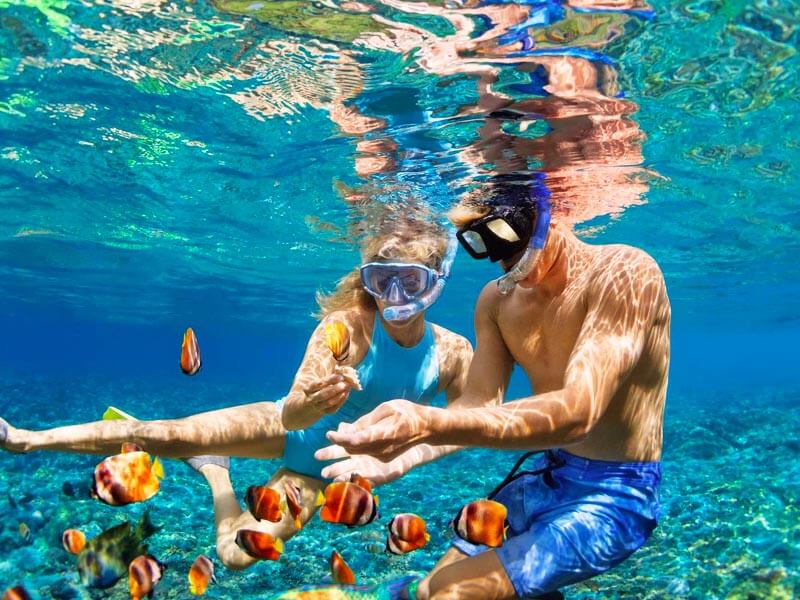
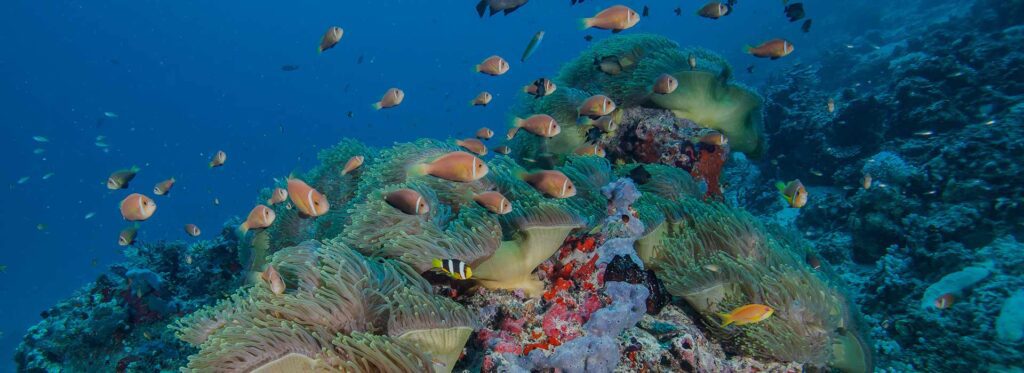
Imagine floating in crystal-clear, turquoise water as a gentle sea turtle glides past you, followed by a school of brightly colored fish weaving through a vibrant coral garden. Below, a harmless blacktip reef shark patrols the reef, completely indifferent to your presence. This isn’t a dream – this is snorkeling in Sri Lanka.
With 1,340 kilometers of coastline fringed with coral reefs, warm tropical waters, and an extraordinary diversity of marine life, Sri Lanka is one of Asia’s most underrated snorkeling destinations. Whether you’re a beginner looking for your first underwater experience or a seasoned snorkeler seeking pristine reefs and unique marine encounters, this teardrop-shaped island offers something for everyone. Here is your complete guide to the best snorkeling in Sri Lanka.
Why Sri Lanka is a Snorkeling Paradise
Sri Lanka’s waters are warm year-round, ranging from 26-30°C (79-86°F), making it comfortable to snorkel without a wetsuit. The island’s unique geography, shaped by two monsoon seasons, means there’s always a perfect snorkeling spot somewhere on the coast. From the shallow coral gardens of Hikkaduwa to the marine sanctuary of Pigeon Island, the variety of underwater landscapes is staggering – coral reefs, shipwrecks, seagrass beds, and dramatic rock formations.
Snorkeling requires no heavy equipment or special training, making it perfect for people of all ages. You can simply walk into the water from a beach or take a short boat ride to a marine park. It’s one of the easiest and most rewarding ways to connect with nature.
Best Snorkeling Spots in Sri Lanka
1. Pigeon Island Marine National Park, Trincomalee ⭐ #1 in Sri Lanka
Best months: May to September
Skill level: All (very shallow sections for beginners, deeper for advanced)
What you’ll see: Blacktip Reef Sharks, Green & Hawksbill turtles, parrotfish, butterflyfish, healthy coral
Pigeon Island is unanimously considered the best snorkeling spot in Sri Lanka. This marine protected area sits 1 kilometer offshore from Nilaveli Beach in Trincomalee and has some of the clearest water on the island.
The fringing reefs hold a kaleidoscope of reef fish, hard and soft corals, and often in the shallows, blacktip reef sharks – which are shy and completely harmless if you keep your distance. Turtles and rays turn up too. Visibility often reaches 10-25 meters on good days.
Practical details:
-
Tip: Go early (around 7–9 AM) before afternoon winds pick up for the clearest water.
Important rules: Access is by licensed boat only. Life jackets are mandatory, single-use plastic is banned on the island, and you must stay within flagged snorkel zones. Never stand on coral or chase wildlife.
2. Hikkaduwa Coral Sanctuary – The South Coast Classic
Best months: November to April
Skill level: All (beach entry possible)
What you’ll see: Turtles, moray eels, pufferfish, coral garden, occasional reef shark
Hikkaduwa has been a snorkeling destination for over 40 years and is one of Sri Lanka’s most famous spots. The Hikkaduwa Coral Sanctuary is a protected marine area where large turtles are habituated to snorkelers and often swim right up to you.
The shallow waters near the shore make it perfect for snorkelers of all levels, including families with children. The coral is less pristine than Pigeon Island, but it remains a beautiful experience, especially for the guaranteed turtle encounters.
Practical details:
-
Entry: Directly from the beach – no boat needed
-
Equipment rental: Widely available on the beach
-
Best section: The northern end of Hikkaduwa beach, around the coral sanctuary
3. Jungle Beach, Unawatuna – Secluded Cove Reef
Best months: November to April
Skill level: All
What you’ll see: Colorful reef fish, small corals, occasional turtle
Jungle Beach is Unawatuna’s best-kept secret – a small, secluded cove accessible by tuk-tuk or a 20-minute walk with excellent snorkeling right off the beach. The rocky outcrops at each end of the cove hold good coral and attract a variety of tropical fish.
Practical details:
-
Entry fee: Free
-
Equipment: Bring your own (rentals sometimes available)
-
Best time: Morning, when the water is calmer and visibility is better
4. Mirissa – Turtles, Warm Water & Coral Reefs
Best months: November to April
What you’ll see: Green and hawksbill turtles, colorful tropical fish, vibrant coral formations
Mirissa, famous for its whale watching, also offers excellent snorkeling with sea turtles. The clear coastal waters are home to green and hawksbill turtles, which are often seen feeding on seagrass and resting near coral reefs. Guided snorkeling tours are available with a 100% sighting guarantee.
Many tours combine turtle snorkeling with visits to vibrant coral reefs where you can observe colorful tropical fish and coral formations.
5. Bar Reef Marine Sanctuary, Kalpitiya – For the Adventurous
Best months: November to April
Skill level: Intermediate to advanced (requires boat trip)
What you’ll see: Nurse sharks, large ray schools, vibrant coral, dolphins nearby
Bar Reef is one of Sri Lanka’s most biodiverse marine areas and the largest coral reef in Sri Lanka. It requires a boat trip from Kalpitiya, making it a destination for more committed snorkelers willing to travel off the beaten path. The rewards are extraordinary – large schools of rays, nurse sharks, and vibrant coral.
Practical details:
-
Best combined with: Dolphin watching (Kalpitiya has huge spinner dolphin pods)
6. Polhena Beach, Matara – Friendliest Turtles
Best months: November to April
What you’ll see: Giant green sea turtles, colorful reef fish, natural coral reef
Polhena Beach is a true gem on the south coast, known for its calm, shallow waters and natural coral reef. The ocean here is protected by a natural coral reef, creating a safe, shallow, and crystal-clear lagoon. It is famous for snorkeling alongside wild sea turtles – one of the safest beaches in Sri Lanka for swimming.
7. Other Notable Snorkeling Spots
-
Unawatuna: A sheltered bay with calm waters, perfect for beginners. Small reef fish and occasionally turtles. The rocky areas at the east side of the bay offer the best snorkeling.
-
Passikudah: Known for accessible reefs and shallow water for a long distance, ideal for water sports and snorkeling.
-
Nilaveli: Famous for its white sandy beach and easily reachable corals, making it ideal for a relaxing snorkeling day.
-
Trincomalee: Besides Pigeon Island, places like Coral Cove and Swami Rock are also good snorkeling spots with warm, clear water.
-
Weligama: Offers accessible snorkeling points for observing eels, reef fish, and stunning underwater rock landscapes.
Best Time to Snorkel in Sri Lanka
Sri Lanka’s two monsoon seasons create distinct snorkeling seasons on different coasts:
| Coast | Best Months | Top Spots |
|---|---|---|
| South & West Coast | November to April | Hikkaduwa, Unawatuna, Mirissa, Kalpitiya, Polhena |
| East Coast | May to September | Pigeon Island, Trincomalee, Nilaveli, Passikudah |
Why Season Matters
-
South & West (November-April): Calm seas, clear water, and excellent visibility often exceeding 10 meters. This is the peak season for snorkeling on the classic tourist trail.
-
East Coast (May-September): The east coast transforms into the island’s most stable coastal zone during this period. Visibility for snorkeling improves dramatically. Pigeon Island is at its best, with calm seas and reliable boats.
Pro Tip: Morning departures (around 7–9 AM) offer the clearest water and calmest conditions on both coasts.
Marine Life: What You’ll Encounter
Sri Lanka’s warm waters support an extraordinary diversity of marine life:
-
Sea Turtles: Green turtles and hawksbill turtles are frequently seen at Hikkaduwa, Mirissa, Polhena, and Pigeon Island.
-
Blacktip Reef Sharks: Completely harmless, these beautiful sharks patrol the reefs of Pigeon Island.
-
Tropical Fish: Parrotfish, butterflyfish, clownfish, pufferfish, lionfish, and countless other colorful species.
-
Moray Eels: Giant moray eels inhabit coral crevices at Hikkaduwa.
-
Rays: Nurse sharks and large schools of rays can be seen at Bar Reef Marine Sanctuary.
-
Coral Gardens: Vibrant hard and soft corals at Pigeon Island, Hikkaduwa, and Bar Reef.
Snorkeling Tips for a Safe and Memorable Experience
Before You Go
-
Check the season: Choose the right coast for the time of year.
-
Go early: Morning hours offer the calmest water and best visibility.
-
Book with a licensed operator: For Pigeon Island, use a licensed boat with insurance.
-
Bring reef-safe sunscreen: Protect your skin and the marine environment.
In the Water
-
Wear a life jacket: If you’re not an experienced swimmer, always wear a buoyancy aid.
-
Float, don’t stand: Never stand on coral – it takes decades to grow and seconds to destroy.
-
Keep your distance: Don’t chase turtles, touch sharks, or feed fish.
-
Stay in flagged zones: At Pigeon Island, snorkel only within designated areas.
-
Respect marine life: Avoid touching or disturbing coral reefs and marine creatures.
What to Bring
-
Snorkel gear (mask, snorkel, fins) if not provided
-
Waterproof bag for your camera or phone
-
Rash guard or light wetsuit for sun protection
-
Reef-safe sunscreen
-
Drinking water
Combining Snorkeling with Your Sri Lanka Adventure
Sri Lanka’s compact size makes it easy to combine snorkeling with other experiences:
-
Wildlife safaris: Add a safari to Yala, Minneriya, or Udawalawe National Park for elephants, leopards, and sloth bears
-
Cultural tours: Explore ancient temples, UNESCO World Heritage Sites, and colonial forts
-
Beach hopping: Sri Lanka’s 1,340km coastline offers endless beach options
-
Whale watching: Combine snorkeling with whale watching in Mirissa or Trincomalee
FAQ: Snorkeling in Sri Lanka
Do I need to be a strong swimmer?
No. Many spots offer shallow, calm water suitable for beginners. Life jackets are often mandatory at marine parks.
Can I rent snorkeling equipment?
Yes. Equipment rental is widely available at Hikkaduwa, and many operators include it in tour packages.
Is it safe to snorkel near sharks?
Yes. The blacktip reef sharks at Pigeon Island are completely harmless and shy. Keep your distance and never touch them.
What if I’m visiting in October?
October is a shoulder month. The east coast may still be good early in the month, but conditions are less predictable.
Conclusion: Your Underwater Adventure Awaits
Sri Lanka’s underwater world is a treasure waiting to be discovered. From the vibrant coral gardens of Hikkaduwa to the shark-filled waters of Pigeon Island, from the turtle haven of Polhena to the pristine reefs of the east coast, this island offers some of the most accessible and rewarding snorkeling in Asia.
Whether you’re gliding alongside a sea turtle in Mirissa, watching a blacktip reef shark patrol a coral garden in Trincomalee, or exploring a shipwreck off the coast of Kirinda, every snorkeling experience in Sri Lanka is a window into a world of wonder.
Start planning your Sri Lankan snorkeling adventure today – the Pearl of the Indian Ocean is calling!
Book Your Adventure
Ready to experience this coastal paradise? Plan your trip with Rediscover Sri Lanka and create unforgettable memories at Hiriketiya Beach.
📩 Visit: Rediscover Sri Lanka to book now.
Contact Us Today!
Ready to plan your dream group tour in Sri Lanka? Let us help you craft the perfect itinerary for a truly magical experience.
👉 Contact Rediscover Sri Lanka now to explore our Sri Lanka group tour packages, designed for families, solo travelers, and adventure seekers alike.
Reviews and Recommendations
Don’t just take our word for it! Check out these incredible reviews from past travelers:
Tripadvisor: Read about other travelers’ experiences on Tripadvisor, where Rediscover Sri Lanka has garnered rave reviews for its safe and well-organized tours.
Trustpilot: Visit Trustpilot for more real-life testimonials from travelers who have fallen in love with Sri Lanka’s beauty and hospitality.
Ready to plan your dream journey in Sri Lanka?
Let us help you craft the perfect itinerary
for a truly memorable experience.
Contact Rediscover Sri Lanka to explore our
tailor-made journeys, private tours and
authentic Sri Lankan experiences.
Don't just take our word for it! Check out
these incredible reviews from past travelers.
Read about other travelers'
experiences with Rediscover Sri Lanka
and explore reviews from guests who
have travelled across the island.
Discover feedback from travelers who
have experienced Rediscover Journeys
and explored Sri Lanka with our team.
Ready to experience Sri Lanka beyond the
usual tourist trail? Let us create a
private journey around your interests,
pace and travel style.
Plan your trip with Rediscover Sri Lanka and
create unforgettable memories at some of the
island's most extraordinary places.
Visit Rediscover Sri Lanka to start planning
your journey.
Sri Lanka is a year-round destination, but the best time depends on which part of the island you plan to explore. The west and south coasts are generally best from December to April, while the east coast is ideal from May to September. Around 7 to 14 days is a good amount of time to experience Sri Lanka's highlights without rushing. A longer journey allows more time for wildlife, beaches, cultural sites, scenic train journeys and the hill country. Most international travellers need travel authorisation or a visa to enter Sri Lanka, depending on their nationality and purpose of travel. Travellers should check the latest requirements through official Sri Lankan government channels before travelling. Sri Lanka is a popular destination for international travellers. As with any destination, visitors should take normal precautions, look after their belongings, use reputable transport and follow local advice. The official currency is the Sri Lankan Rupee (LKR). Your budget depends on accommodation, transportation, dining, activities and travel style. Sri Lanka offers everything from budget-friendly experiences to premium hotels and tailor-made luxury travel.
Contact Us
Today!
Reviews and
Recommendations.
Book Your
Adventure.
Ready to Rediscover
Sri Lanka?
Everything you need to know about
traveling in Sri Lanka.
More Stories
to Rediscover.