Everything You Need to Know About Sri Lanka Blue Sapphire 2026: Complete Guide to Ceylon Sapphires
Sri Lanka Blue Sapphire: The Complete Guide to the World’s Most Coveted Gemstone Sri Lanka historically known as Ceylon is one of the world’s oldest and most celebrated sources of fine blue sapphires. For over 2,000 years, the island has produced sapphires prized for their brilliant luminosity, exceptional clarity, and vibrant blue hues . The …
Sri Lanka Blue Sapphire: The Complete Guide to the World’s Most Coveted Gemstone
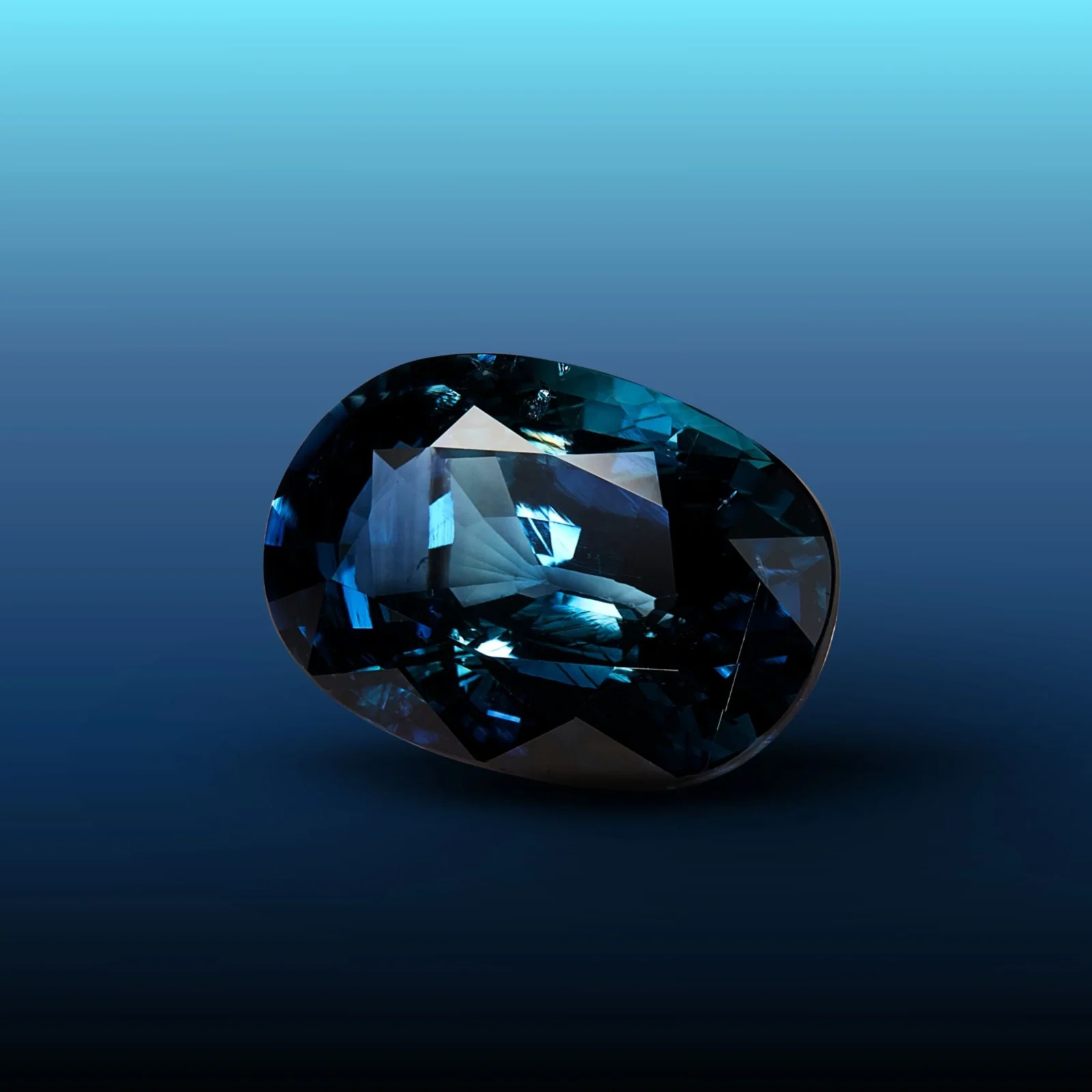
Sri Lanka historically known as Ceylon is one of the world’s oldest and most celebrated sources of fine blue sapphires. For over 2,000 years, the island has produced sapphires prized for their brilliant luminosity, exceptional clarity, and vibrant blue hues . The famous Logan Sapphire, a 423-carat blue sapphire mined in Sri Lanka, remains one of the world’s largest faceted blue sapphires and is housed in the Smithsonian’s National Gem Collection .
Sri Lanka is also the source of Princess Diana’s iconic engagement ring — a 12-carat oval royal blue Ceylon sapphire surrounded by diamonds, now worn by Catherine, Princess of Wales .
This guide covers everything you need to know about Sri Lanka blue sapphires: where they’re mined, what makes them special, current market values, and how to buy with confidence.
Quick Answer: What Is a Ceylon Sapphire?
A Ceylon sapphire is a sapphire mined in Sri Lanka. The term “Ceylon” comes from the island’s former name, used until 1972 .
Key characteristics:
| Attribute | Details |
|---|---|
| Origin | Sri Lanka (formerly Ceylon) |
| Color Range | Light sky blue to vivid royal blue; cornflower blue most prized |
| Key Feature | Brilliant luminosity, excellent clarity, larger sizes available |
| Treatment | Most are heat-treated; unheated stones command premium |
| Price Range | $1,000–$15,000+ per carat (unheated, large stones) |
| Famous Example | Princess Diana’s 12-carat engagement ring |
Why Sri Lanka Blue Sapphires Are Special
A Geological Advantage
Sri Lanka’s sapphire wealth is rooted in its ancient geology. The island’s gemstone-rich region of Ratnapura sits on Precambrian rock formations — among the oldest on Earth — composed of granite, gneiss, and schist formed over 540 million years ago . These crystalline rocks provide ideal conditions for the formation of high-quality corundum, the mineral family to which sapphires belong.
A Unique Color Profile
Unlike darker sapphires from other regions, Sri Lankan sapphires are valued for their brightness, transparency, and internal beauty rather than depth of color alone . Their blue tones range from light, airy sky blues to intense royal blues — with cornflower blue being especially prized for its vivid yet soft coloration .
Gemologists note that medium-saturation stones with strong brilliance often outperform darker stones both visually and commercially .
Historical Significance
Sri Lanka has arguably the longest continuous sapphire history of any major source, with trading records stretching back to the fourth century . The island was historically known as Ratna-Dweepa — “Gem Island” .
Where Are Sri Lanka Blue Sapphires Mined?
Ratnapura: The City of Gems
Ratnapura — literally “City of Gems” in Sinhala — is Sri Lanka’s most important sapphire mining region . The area has produced sapphires for over 3,000 years .
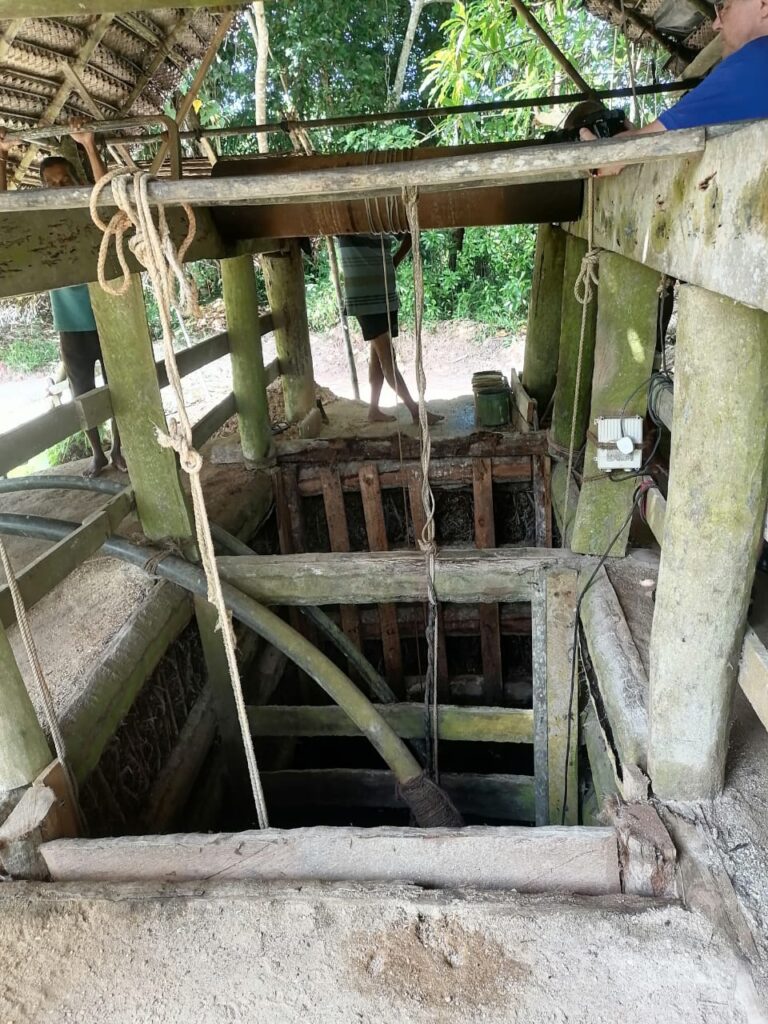
Mining practice: Traditional pit mining still dominates. Miners wash gravel in wooden sluice boxes, scanning wet pebbles for a flash of color. The local market is raw and fast-paced — you can watch rough stones change hands over cups of plain black tea .
Number of mines: Approximately 3,000 active mines in the Ratnapura district .
Elahera: Giant Crystals
Elahera sits further inland, surrounded by dense forests and rocky outcrops. The region is famous for producing massive sapphire crystals — some weighing several kilos before cutting .
Number of mines: Approximately 300 active mines .
Kataragama: New Production
Kataragama is a newer mining area that gained attention in 2011 when high-quality, large blue sapphires were produced .
Number of mines: Approximately 10–20 active mines .
Okkampitiya: Uva Province
Okkampitiya in Uva Province is another significant mining area with approximately 50–60 active mines .
Meetiyagoda: Moonstone Country
While not a sapphire source, Meetiyagoda on the south coast is famous for its moonstone mines — yielding the island’s renowned blue moonstones from soft clay deposits .
Understanding Ceylon Sapphire Colors
Blue Sapphire Color Grades
| Color Grade | Description | Value |
|---|---|---|
| Royal Blue | Deep, velvety saturation; regal presence | Highest |
| Cornflower Blue | Pure, medium-light tone with subtle violet undertones | Very High |
| Vibrant Blue | Bright, lively blue with excellent brilliance | High |
| Light Blue | Airy sky blue | Moderate |
Royal Blue Ceylon sapphires are valued for their deep, velvety saturation. Prices range from $4,500 to $15,500 per carat, depending on size and quality .
Cornflower Blue Ceylon sapphires are considered the pinnacle of blue sapphire beauty — a pure, medium to light tone with subtle violet undertones. Prices typically range from $2,320 to over $6,000 per carat .
Beyond Blue: Other Ceylon Sapphire Colors
Sri Lanka is also known for producing sapphires in pink, yellow, orange, purple, and green . The island is the primary source of Padparadscha sapphires — named after the Sinhalese word for “lotus blossom” — which display a unique pink-orange color .
Color change sapphires from Sri Lanka are highly valued for shifting appearance under different lighting — typically blue in daylight and violet under incandescent light .
Ceylon Sapphire Market Value in 2026
Current Market Trends
The global sapphire market entered a consolidation phase in Q4 2025, with high-quality, unheated sapphires from Sri Lanka continuing to underpin long-term value .
Key insights from the Gemports Sapphire Transaction Index:
| Segment | Q4 2025 Performance |
|---|---|
| Natural Sri Lankan sapphires | +0.6% QoQ |
| Premium segment (≥5 ct) | Held firm — no QoQ decline |
| Commercial-grade (heated, <3 ct) | Under pressure |
The structural scarcity of high-quality, unheated sapphires — particularly from Sri Lanka in sizes of 3 carats and above — continues to drive long-term value .
Record Auction Results
The Peacock of Ceylon — a 102.40-carat unmounted sapphire — sold for CHF 1.55 million (approximately USD 1.98 million) at Sotheby’s Geneva . The stone was described by SSEF as having strong “royal blue” saturation .
Unheated blue sapphires have shown consistent 16% annual growth according to industry sources, nearly doubling in price over the last 24 months. Unheated stones command a 30% to 50% premium over heated ones .
Price Ranges by Size and Treatment
| Type | Price Per Carat |
|---|---|
| Heated, good quality (1 ct) | From ~$500 |
| Unheated Ceylon (1 ct) | $2,000–$5,000 |
| Royal Blue Ceylon | $4,500–$15,500 |
| Cornflower Blue Ceylon | $2,320–$6,000+ |
| Unheated, 10+ ct | Can exceed $50,000 |
How to Buy a Sri Lanka Blue Sapphire
1. Prioritize Color
Color is what you’ll see every day. A slightly smaller stone with better color always looks more impressive than a larger stone with poor color .
2. Understand Treatment
Heat treatment is standard and accepted — used to improve color and clarity. Full disclosure is the key . Unheated stones command significant premiums and are more valuable to collectors .
3. Demand Certification
Certification is now a value filter. As market polarization intensifies, only stones with reputable lab reports will maintain liquidity and premium valuation. Uncertified or ambiguous-origin stones face depreciation risk .
Look for certificates from:
-
GIA (Gemological Institute of America)
-
SSEF (Swiss Gemmological Institute)
-
GRS (GemResearch Swisslab)
-
AGL (American Gemological Laboratories)
A legitimate seller will provide a detailed report stating:
-
Exact weight
-
Dimensions
-
Color
-
Any heat treatment
-
Origin determination
4. Inspect in Natural Daylight
Showroom halogen lights can easily flatter a mediocre stone. Ask the dealer to bring the stone near a window. Natural daylight tells the truth .
5. Use a Jeweler’s Loupe
Genuine Ceylon sapphires carry their history inside them. Look for:
-
Silk — tiny, needle-like inclusions
-
Fingerprint patterns — where liquid healed inside the crystal millions of years ago
Lab-created stones look suspiciously perfect — they may contain tiny spherical gas bubbles or curved sweeping lines that never occur in nature .
6. Verify Double Refraction
Local sapphires bend light twice — a property called double refraction. Looking through the top of the stone with a loupe and focusing on the bottom facet edges, you’ll see a double line. Glass and spinel only show a single line .
Where to Buy Sri Lanka Blue Sapphires
Ratnapura: The Source
Ratnapura offers the raw, fast-paced market experience — watching rough stones change hands at the source .
Colombo: The Showrooms
Colombo hosts the high-end retail showrooms with certified stones and international paperwork .
Notable retailers include:
-
Vogue Jewellers — cutting and setting stones since 1962
-
Other established Colombo showrooms
The National Gem and Jewellery Authority
The National Gem and Jewellery Authority regulates the industry. Always ask for a certificate from a recognized gemological laboratory .
Ceylon vs. Kashmir vs. Burmese Sapphires
| Origin | Status | Notable Color | Key Characteristics | Value Level |
|---|---|---|---|---|
| Kashmir | Legendary (exhausted) | Cornflower Blue | Velvety texture, silk inclusions | Highest ($50,000+/ct) |
| Burma | Legendary (active) | Royal Blue | Deep blue, high clarity, intense saturation | Very High |
| Ceylon | Legendary (active) | Vibrant Blue, Padparadscha | Bright, lively, excellent brilliance, larger sizes | High ($1,000–$15,000/ct) |
Important note: Origin does not override quality. Color, transparency, treatment, size, and overall appearance still determine the importance of an individual sapphire .
Frequently Asked Questions
What is a Ceylon sapphire?
A Ceylon sapphire is a sapphire mined in Sri Lanka. “Ceylon” was the island’s name until 1972 . Ceylon sapphires are known for their brilliant luminosity, excellent clarity, and vibrant blue hues .
Where are Sri Lanka blue sapphires mined?
The main mining regions are Ratnapura (City of Gems), Elahera, Kataragama, and Okkampitiya . Ratnapura has approximately 3,000 active mines .
What color are Ceylon sapphires?
Ceylon sapphires range from light sky blue to vivid royal blue. Cornflower blue is especially prized for its pure, medium-light tone with subtle violet undertones . Sri Lanka also produces pink, yellow, orange, purple, and green sapphires .
How much is a Sri Lanka blue sapphire worth?
Prices vary widely. Heated, good-quality 1-carat stones start around $500. **Unheated Ceylon sapphires** of the same size range from $2,000–$5,000. Royal Blue Ceylon sapphires range from $4,500–$15,500 per carat .
Why are unheated sapphires more valuable?
Unheated stones command a 30% to 50% premium over heated ones . They are rarer, retain their natural geological history, and are more prized by collectors .
What is the most famous Ceylon sapphire?
Princess Diana’s engagement ring features a 12-carat oval royal blue Ceylon sapphire. The Logan Sapphire — a 423-carat blue sapphire — is one of the world’s largest faceted blue sapphires and is housed in the Smithsonian .
How do I know if a sapphire is real?
Use a 10x jeweler’s loupe to look for silk (needle-like inclusions) and fingerprint patterns. Genuine sapphires show double refraction — a double line when looking through the stone. Always demand certification from GIA, SSEF, or another recognized lab .
Are Ceylon sapphires a good investment?
Unheated blue sapphires have shown consistent 16% annual growth, nearly doubling in price over the last 24 months . The structural scarcity of high-quality, unheated Sri Lankan sapphires in sizes of 3 carats and above continues to drive long-term value .
What is the difference between Ceylon and Kashmir sapphires?
Kashmir sapphires are legendary for their velvety cornflower blue, but the mines were exhausted by the 1930s. Ceylon sapphires offer bright, lively blues with excellent brilliance and are more accessible in larger sizes .
Can I buy sapphires directly in Sri Lanka?
Yes — Ratnapura is the source, and Colombo has high-end showrooms. Always buy from reputable dealers, demand certification, and inspect stones in natural daylight .
Plan Your Sri Lanka Gem Journey
Sri Lanka’s blue sapphires are among the world’s most coveted gemstones — and the island’s gem heritage is a journey in itself. From the mining pits of Ratnapura to the polished showrooms of Colombo, understanding Ceylon sapphires adds a fascinating dimension to your Sri Lanka travel experience.
Ready to explore Sri Lanka? Contact our local experts to design a bespoke journey that includes the island’s gem heritage.
-
🌐 Website: rediscoversrilanka.com
-
💬 WhatsApp: +94 77 791 1276
-
📧 Email: [email protected]
Speak to our team:
-
+94 77 791 1276 — Rasith Gunaratna
-
+94 77 887 8723 — Lakshan Surekha
-
+94 11 226 0407 — Office
Explore Sri Lanka: One island. Endless discoveries.
Reviews and Recommendations
Don’t just take our word for it! Check out these incredible reviews from past travellers:
-
Tripadvisor: Read reviews
-
Trustpilot: Read reviews
Rediscover Journeys — Boutique Sri Lanka Tour Operator & Travel Agency
Trustpilot 4.9/5 (192 reviews) | TripAdvisor Travellers’ Choice 2025 | SLTDA-licensed
17+ years collective Sri Lanka expertise | Private chauffeur-guide | Tailor-made journeys
Contact Us Today!
Ready to plan your dream journey in Sri Lanka? Let us help you craft the perfect itinerary for a truly memorable experience.
Contact Rediscover Sri Lanka to explore our tailor-made journeys, private tours and authentic Sri Lankan experiences.
Contact UsReviews and Recommendations.
Don't just take our word for it! Check out these incredible reviews from past travelers.
Read about other travelers' experiences with Rediscover Sri Lanka and explore reviews from guests who have travelled across the island.
Read ReviewsDiscover feedback from travelers who have experienced Rediscover Journeys and explored Sri Lanka with our team.
Read ReviewsBook Your Adventure.
Ready to experience Sri Lanka beyond the usual tourist trail? Let us create a private journey around your interests, pace and travel style.
Ready to Rediscover Sri Lanka?
Plan your trip with Rediscover Sri Lanka and create unforgettable memories at some of the island's most extraordinary places.
Visit Rediscover Sri Lanka to start planning your journey.
Plan Your JourneyEverything you need to know about traveling in Sri Lanka.
Sri Lanka is a year-round destination, but the best time depends on which part of the island you plan to explore. The west and south coasts are generally best from December to April, while the east coast is ideal from May to September.
Around 7 to 14 days is a good amount of time to experience Sri Lanka's highlights without rushing. A longer journey allows more time for wildlife, beaches, cultural sites, scenic train journeys and the hill country.
Most international travellers need travel authorisation or a visa to enter Sri Lanka, depending on their nationality and purpose of travel. Travellers should check the latest requirements through official Sri Lankan government channels before travelling.
Sri Lanka is a popular destination for international travellers. As with any destination, visitors should take normal precautions, look after their belongings, use reputable transport and follow local advice.
The official currency is the Sri Lankan Rupee (LKR). Your budget depends on accommodation, transportation, dining, activities and travel style. Sri Lanka offers everything from budget-friendly experiences to premium hotels and tailor-made luxury travel.