Everything You Need to Know About Sri Lanka Diving, Surfing & Snorkeling: The Ultimate Water Sports Guide 2026
Sri Lanka Diving, Surfing & Snorkeling: The Ultimate Water Sports Guide 2026 Why Sri Lanka is a Water Sports Paradise Sri Lanka is often celebrated for its cultural heritage, wildlife safaris, and tea plantations. But for water sports enthusiasts, this teardrop-shaped island in the Indian Ocean holds a secret that few have discovered: it is […]
Sri Lanka Diving, Surfing & Snorkeling: The Ultimate Water Sports Guide 2026
Why Sri Lanka is a Water Sports Paradise
Sri Lanka is often celebrated for its cultural heritage, wildlife safaris, and tea plantations. But for water sports enthusiasts, this teardrop-shaped island in the Indian Ocean holds a secret that few have discovered: it is one of Asia’s most underrated and diverse water sports destinations. Whether you’re a certified diver, a wave-chasing surfer, or a casual snorkeler, Sri Lanka offers something extraordinary.
What sets Sri Lanka apart is its unique geographical advantage. The island is shaped by two monsoon patterns, which means the best coast for water activities changes with the seasons. When the south and west coasts are at their best from November to April, places like Hikkaduwa, Unawatuna, Mirissa, and Weligama become the main hubs. When conditions shift from May to September, the east coast around Trincomalee, Nilaveli, and Arugam Bay takes over. This dual-season system means there is always a perfect spot for diving, surfing, or snorkeling somewhere on the island – you just need to know where to go and when.

Part 1: Scuba Diving in Sri Lanka
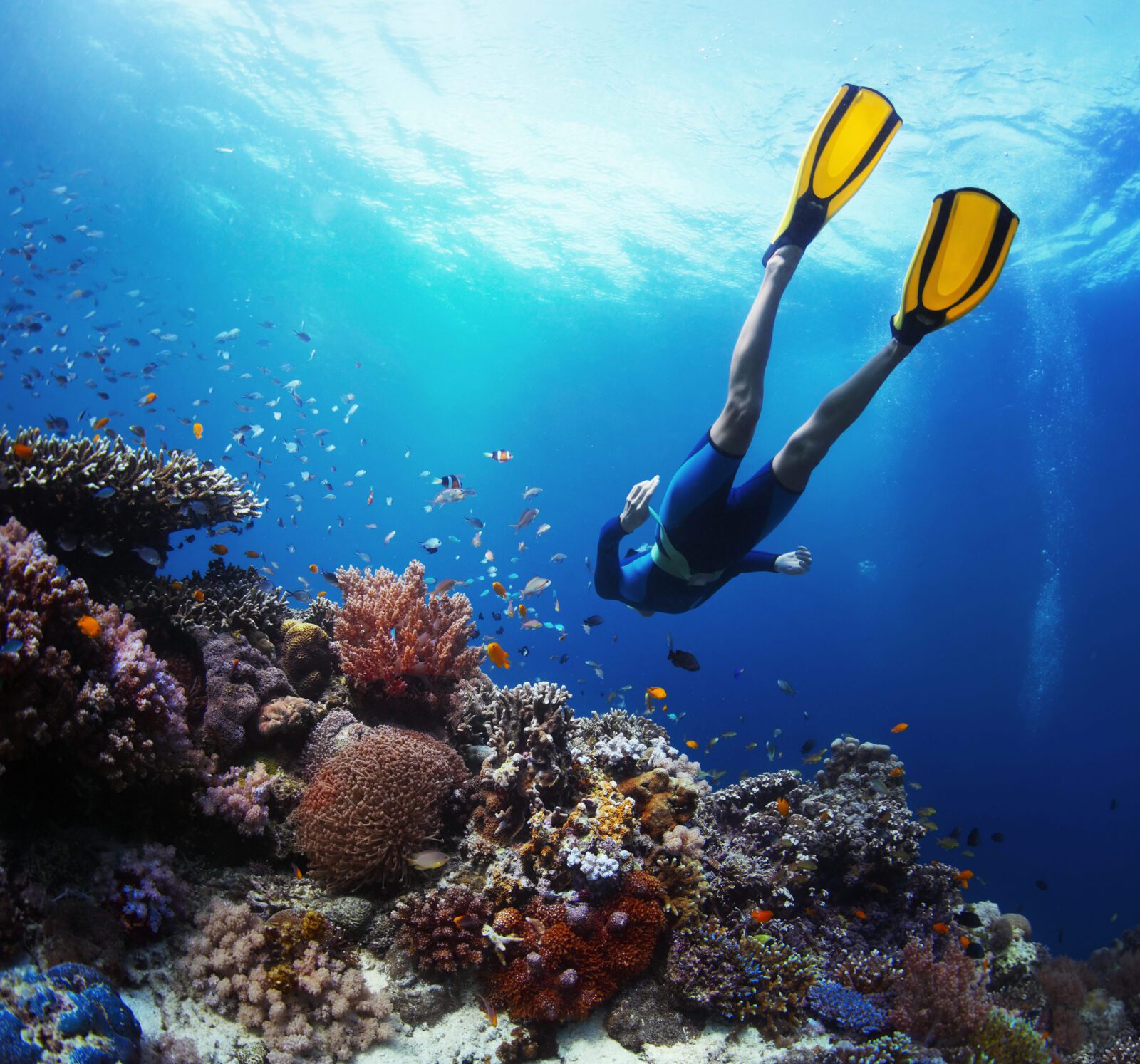
Sri Lanka remains one of the Indian Ocean’s most compelling yet underrated dive destinations. Mysterious shipwrecks, day-glow reefs, and warm water teeming with marine life make this a diver’s paradise that somehow flies under the radar. The Professional Association of Diving Instructors (PADI) lists around 35 major dive sites, but with over 200 documented wrecks and 1,600 km of coastline to explore, the opportunities are vast.
The island’s strategic position along ancient maritime trade routes has resulted in waters dotted with historic wrecks, from World War-era vessels to merchant ships spanning centuries. Add warm water and vibrant coral reefs, and you have an exceptionally diverse diving destination packed into a small island.
Best Time to Dive
Diving is possible year-round in Sri Lanka. The Indian Ocean has warm water (ranging from 20–30°C/68–86°F) and high visibility (often exceeding 30m). However, due to the monsoon seasons:
-
South and West Coasts (November – April): The optimal diving season runs during the dry months when seas are calm and visibility is at its best. March and April are the peak months, offering calm seas, excellent visibility (15–30m), and increased whale activity.
-
East Coast (May – September): The northeast coast, particularly around Trincomalee and Pasikudah, offers beautiful spots during this period. Visibility regularly stretches beyond 30 metres.
Top Dive Sites
Trincomalee & Pigeon Island (East Coast)
When the monsoon shifts, the east coast, particularly around Trincomalee, comes into its own. Just offshore lies Pigeon Island National Park, a marine sanctuary where diving feels almost effortless. Coral gardens slope gently into deeper waters, giving way to more complex formations, caverns, and reef edges. Blacktip reef sharks are a common sight, often seen cruising in small groups, while blue-spotted stingrays rest on sandy patches below.
For those seeking something more dramatic, the Swami Rock drop-off offers a vertical world of walls, overhangs, and open water, where pelagic encounters become more likely. Other notable sites include:
-
Irakkandi Wreck (SS Ava) – A historic wreck dive
-
Gorgonian Gardens – Vibrant coral formations
-
Klathe Par (20-35 meters) – Deeper exploration opportunities
-
Dijamba Gala (33 meters) – Additional exploration
Hikkaduwa – The Coral Kingdom
Hikkaduwa is one of the most famous Sri Lanka scuba diving locations, known for its stunning coral gardens and abundant marine life. The shallow reefs are perfect for beginners, while deeper sites like Canterbury Rock offer thrilling drift dives. The Hikkaduwa Coral Sanctuary is renowned for its large turtles that are habituated to divers.
Colombo – Sri Lanka’s Wreck Diving Capital
Sri Lanka stands apart as the Indian Ocean’s premier wreck diving destination, with 76 documented dive sites concentrating along the southwest and south coasts between Colombo and Galle. Wrecks around Colombo vary in depth and difficulty, making this area better suited to advanced divers with good buoyancy and comfort in lower visibility. For those with the right level, Colombo adds something different to the Sri Lanka diving experience.
Unawatuna & Mirissa
Unawatuna offers calm bays with reef fish and occasional shipwreck dives. Mirissa is known for seasonal whale sightings and offers a convenient base for combining diving with other activities.
Dive Centers & Logistics
Recommended dive schools and operators include:
-
Mirissa Diving Center – Operating for 15 years with PADI instructors
-
Sri Lanka Dive School in Trincomalee – SSI and PADI instructors
-
Hikkaduwa and Unawatuna – Primary bases for south coast diving
Dives are predominantly boat dives, as reefs and marine life are more abundant offshore. For beginners, Unawatuna, Hikkaduwa, and Nilaveli are often practical choices in the right season.
Essential Dive Tips
-
Match a dive site to your experience level – many of Sri Lanka’s best sites have strong, changeable currents
-
Avoid deep dives or sites with strong currents if you have less technical ability
-
Do a refresher dive if you haven’t dived in more than six months
-
Always dive within your limits – local PADI instructors can help determine what suits you best
Part 2: Surfing in Sri Lanka
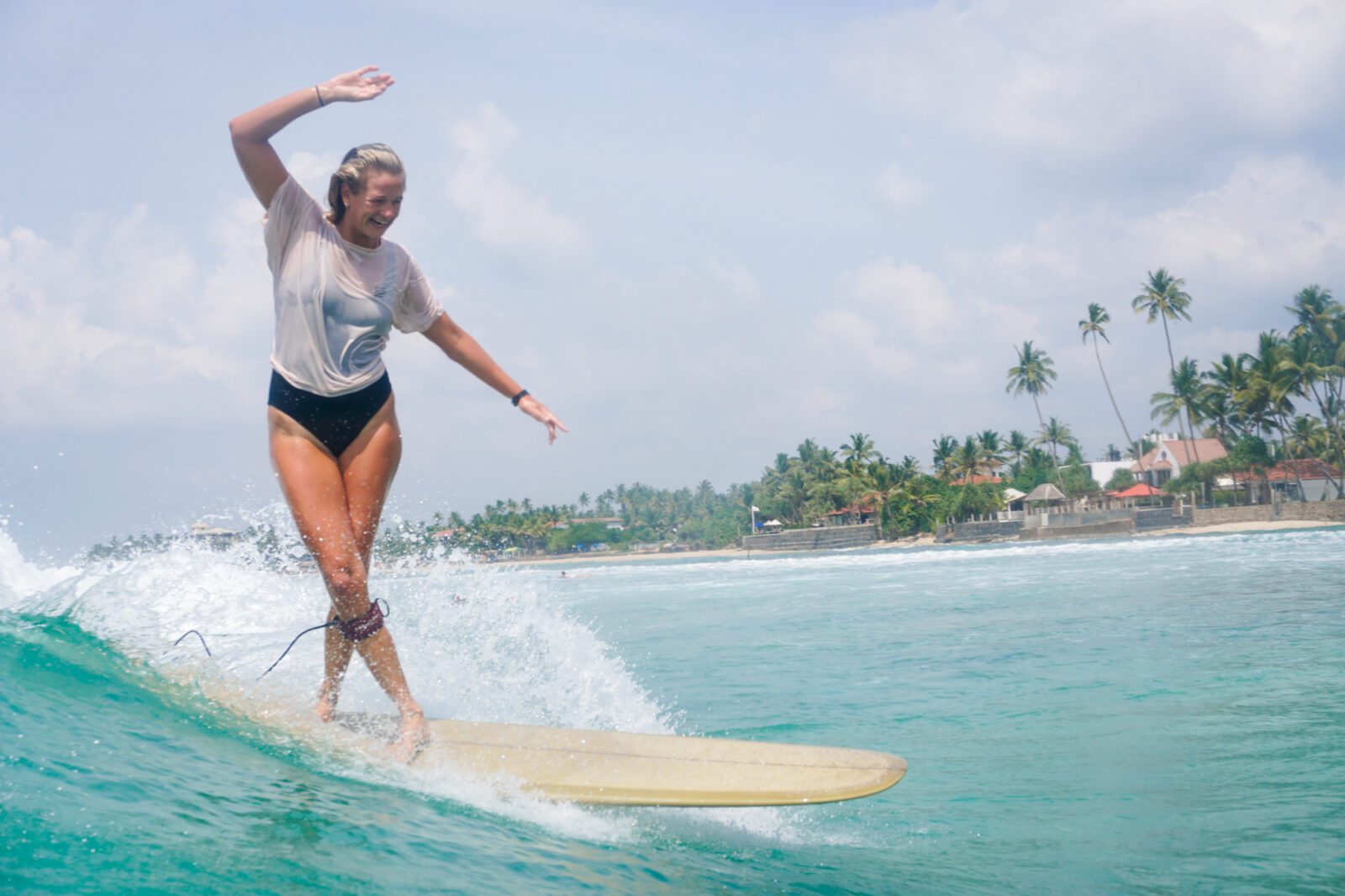
Warm water, cheap living, and consistent waves make Sri Lanka a surfer’s paradise. The unique geography means there is always a wave somewhere on the island. From the legendary 500m right-hander at Arugam Bay to the gentle whitewash lessons in Weligama, Sri Lanka offers waves for every skill level.
The Two Surf Seasons
Sri Lanka has two main surf seasons, depending on the coast:
-
South & West Coast (November – April): Best for Weligama, Hikkaduwa, Mirissa, and Midigama. January and February are the most consistent months. Clean offshore winds and Indian Ocean swells create reliable surf conditions.
-
East Coast (May – October): Ideal for Arugam Bay and nearby breaks. The peak surf and travel season runs from May to October, when the Indian Ocean swells deliver epic waves.
Best Surf Spots by Skill Level
For Beginners: Weligama
Weligama is unmatched for learning. It’s a massive sandy beach break with gentle, rolling white water. The soft sand bottom means no reef cuts, and tons of surf schools line the beach offering affordable lessons and board rentals.
-
Board rental: ~$5-10/hour
-
Lessons: ~$20-$30
-
Best Time: November to April
For Beginners (East Coast): Arugam Bay
The beach break at the north end of Arugam Bay is good for beginners, and several surf schools in town offer lessons. Baby Point is even described as “the best beginner wave in the world”.
For Intermediates: Hiriketiya & Ahangama
Hiriketiya is a beautiful horseshoe bay with a left-hand point break. Ahangama is one of the best surf bases in Sri Lanka, with two main breaks (Lazy Left and Marshmallows), good wave consistency from November to March, and mellow reef bottoms. Waves range from 2-4 ft most of the year, hitting 5-6 ft during peak swells.
For Advanced: Arugam Bay & Rams (Midigama)
Arugam Bay (Main Point) – A legendary long right-hander that can run for 500m on a good day. Legs-burning rides. Other top breaks include Whiskey Point (great for longboarding) and Peanut Farm (ideal for beginners).
Rams (Midigama) – A shallow reef break offering hollow barrels.
Kabalana Beach – “The Rock” is by far one of the best waves the south coast has to offer.
Other Notable Spots
-
Mirissa – Offers a mix of reef and beach breaks, with Mirissa Right for intermediates and Secret Point for advanced surfers
-
Hikkaduwa – One of Sri Lanka’s original surf spots, known for its lively atmosphere and coral reef breaks
Surf Camps vs. DIY
-
Surf Camps: Great for meeting people. Includes yoga, meals, and transport to spots
-
DIY: Rent a scooter with a board rack and explore. Much cheaper and total freedom
What to Bring
-
Rash Vest – The sun is brutal
-
Zinc – For your face
-
Reef Booties – If surfing reef breaks (like Midigama)
-
Your Own Board? Only if you are picky. Rentals are plentiful, but high-performance boards can be hard to find
Local Etiquette
Respect the locals. Sri Lankan “surf boys” are friendly but respect the lineup etiquette. Don’t snake waves. A smile goes a long way.
Part 3: Snorkeling in Sri Lanka
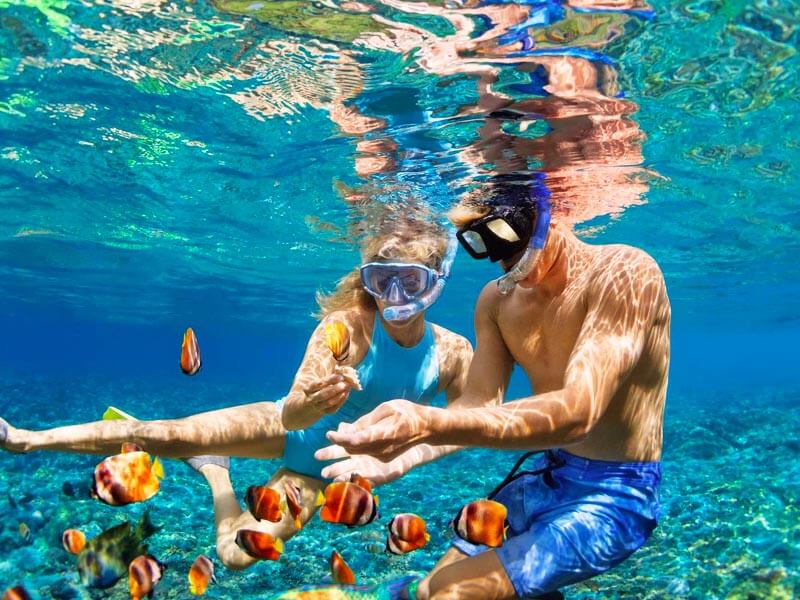
Sri Lanka’s 1,340km coastline is fringed with coral reefs, inhabited by sharks, turtles, rays, and a dazzling array of tropical fish. Whether you want to casually snorkel off a beach or take a boat to a dedicated marine park, Sri Lanka delivers.
Best Snorkeling Spots
1. Pigeon Island, Trincomalee ⭐ #1 in Sri Lanka
Pigeon Island is unanimously considered the best snorkelling spot in Sri Lanka. The marine protected area sits 1km offshore from Nilaveli Beach and has some of the clearest water on the island.
-
Best months: May to September
-
Skill level: All (very shallow sections for beginners, deeper for advanced)
-
Visibility: 10–25m on good days
-
What you’ll see: Blacktip Reef Sharks (completely harmless and beautiful to watch), Green & Hawksbill turtles, parrotfish, butterflyfish, healthy coral
-
Tip: Go early (9 AM) before afternoon winds pick up
2. Hikkaduwa Coral Sanctuary – The South Coast Classic
Hikkaduwa has been a snorkelling destination for 40+ years. The coral here is less pristine than Pigeon Island (some bleaching has occurred over decades), but it remains a beautiful experience, especially for the large turtles that are habituated to snorkellers.
-
Best months: November to April
-
Entry: Directly from the beach (no boat needed)
-
Equipment rental: Widely available on the beach
-
Best section: The northern end of Hikkaduwa beach, around the coral sanctuary
-
What you’ll see: Turtles, moray eels, pufferfish, coral garden, occasional reef shark
3. Jungle Beach, Unawatuna – Secluded Cove Reef
Jungle Beach is Unawatuna’s best-kept secret – a small cove accessible by tuk-tuk (or 20-min walk) with excellent snorkelling right off the beach. The rocky outcrops at each end of the cove hold good coral.
-
No entry fee
-
Bring your own equipment (rentals sometimes available)
-
Best time: Morning (calmer water, better visibility)
4. Bar Reef Marine Sanctuary, Kalpitiya – For the Adventurous
Bar Reef is one of Sri Lanka’s most biodiverse marine areas but requires a boat trip from Kalpitiya. This is for more committed snorkellers willing to travel off the beaten path. The rewards are extraordinary.
-
Best months: November to April
-
Skill level: Intermediate to advanced (requires boat trip)
-
What you’ll see: Nurse sharks, large ray schools, vibrant coral, dolphins nearby
-
Best combined with: Dolphin watching (Kalpitiya has huge spinner dolphin pods)
5. Mirissa – Turtles & Warm Water
Mirissa offers warm, clear waters ideal for snorkelling. The area is known for snorkelling with turtles and vibrant reefs
6. Other Notable Snorkeling Spots
-
Polhena Beach, Matara – Famous for turtle sightings
-
Unawatuna’s crescent-shaped bay – Offers protected snorkeling spots suitable for all skill levels
-
Passikudah Bay – Calm and shallow waters perfect for snorkeling, whether you’re a beginner or certified
-
Coral Island (near Pasikudah) – Another top pick
Best Time to Snorkel
-
West Coast (Hikkaduwa, Unawatuna, Kalpitiya): November to April
-
East Coast (Pigeon Island, Batticaloa): May to September
Part 4: Planning Your Water Sports Itinerary
The Dual-Season Advantage
Sri Lanka’s unique monsoon patterns mean you can plan a water sports trip year-round:
| Season | Best Coast | Activities | Top Spots |
|---|---|---|---|
| November – April | South & West | Diving, Surfing, Snorkeling | Hikkaduwa, Unawatuna, Mirissa, Weligama, Colombo, Kalpitiya |
| May – September | East | Diving, Surfing, Snorkeling | Trincomalee, Nilaveli, Pigeon Island, Arugam Bay, Pasikudah |
Suggested Itineraries
10-Day Water Sports Adventure (South & West)
-
Days 1-3: Hikkaduwa – Snorkeling, diving, and surfing
-
Days 4-5: Unawatuna – Jungle Beach snorkeling, Galle Fort exploration
-
Days 6-7: Mirissa – Diving, whale watching, and snorkeling with turtles
-
Days 8-10: Weligama – Learn to surf or improve your skills
10-Day Water Sports Adventure (East Coast)
-
Days 1-4: Trincomalee – Diving at Pigeon Island and Swami Rock
-
Days 5-7: Nilaveli – Snorkeling and beach relaxation
-
Days 8-10: Arugam Bay – World-class surfing
Practical Tips
-
Wetsuit: A 3mm wetsuit or rash vest is usually sufficient due to warm water temperatures (28–30°C)
-
Visibility: Best visibility (15–30m) is from March to April
-
Booking: Book dive and snorkel trips through certified operators
-
Equipment: Bring your own mask and snorkel for the best fit, or rent locally
-
Sun Protection: The tropical sun is intense – use reef-safe sunscreen
Conclusion: Sri Lanka’s Underwater World Awaits
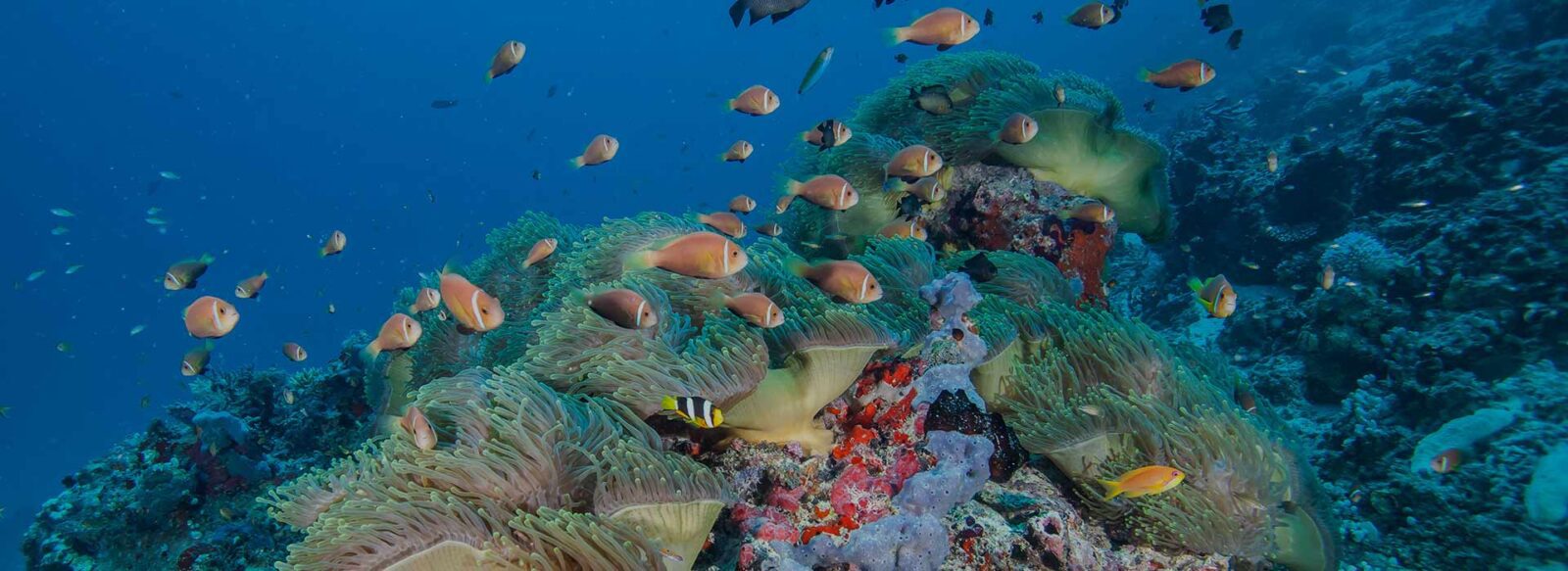
Sri Lanka offers one of the most diverse and accessible water sports experiences in Asia. Whether you’re diving among historic wrecks in Colombo, surfing the legendary waves of Arugam Bay, or snorkeling with sharks and turtles at Pigeon Island, this teardrop-shaped island delivers unforgettable adventures.
The dual-season system means there’s always a perfect spot waiting for you – you just need to follow the monsoon. With warm water, affordable prices, and a growing network of certified operators, there’s never been a better time to explore Sri Lanka’s underwater world.
Start planning your Sri Lankan water sports adventure today – the Pearl of the Indian Ocean is calling!
Book Your Adventure
Ready to experience this coastal paradise? Plan your trip with Rediscover Sri Lanka and create unforgettable memories at Hiriketiya Beach.
📩 Visit: Rediscover Sri Lanka to book now.
Contact Us Today!
Ready to plan your dream group tour in Sri Lanka? Let us help you craft the perfect itinerary for a truly magical experience.
👉 Contact Rediscover Sri Lanka now to explore our Sri Lanka group tour packages, designed for families, solo travelers, and adventure seekers alike.
Reviews and Recommendations
Don’t just take our word for it! Check out these incredible reviews from past travelers:
Tripadvisor: Read about other travelers’ experiences on Tripadvisor, where Rediscover Sri Lanka has garnered rave reviews for its safe and well-organized tours.
Trustpilot: Visit Trustpilot for more real-life testimonials from travelers who have fallen in love with Sri Lanka’s beauty and hospitality.
Ready to plan your dream journey in Sri Lanka?
Let us help you craft the perfect itinerary
for a truly memorable experience.
Contact Rediscover Sri Lanka to explore our
tailor-made journeys, private tours and
authentic Sri Lankan experiences.
Don't just take our word for it! Check out
these incredible reviews from past travelers.
Read about other travelers'
experiences with Rediscover Sri Lanka
and explore reviews from guests who
have travelled across the island.
Discover feedback from travelers who
have experienced Rediscover Journeys
and explored Sri Lanka with our team.
Ready to experience Sri Lanka beyond the
usual tourist trail? Let us create a
private journey around your interests,
pace and travel style.
Plan your trip with Rediscover Sri Lanka and
create unforgettable memories at some of the
island's most extraordinary places.
Visit Rediscover Sri Lanka to start planning
your journey.
Sri Lanka is a year-round destination, but the best time depends on which part of the island you plan to explore. The west and south coasts are generally best from December to April, while the east coast is ideal from May to September. Around 7 to 14 days is a good amount of time to experience Sri Lanka's highlights without rushing. A longer journey allows more time for wildlife, beaches, cultural sites, scenic train journeys and the hill country. Most international travellers need travel authorisation or a visa to enter Sri Lanka, depending on their nationality and purpose of travel. Travellers should check the latest requirements through official Sri Lankan government channels before travelling. Sri Lanka is a popular destination for international travellers. As with any destination, visitors should take normal precautions, look after their belongings, use reputable transport and follow local advice. The official currency is the Sri Lankan Rupee (LKR). Your budget depends on accommodation, transportation, dining, activities and travel style. Sri Lanka offers everything from budget-friendly experiences to premium hotels and tailor-made luxury travel.
Contact Us
Today!
Reviews and
Recommendations.
Book Your
Adventure.
Ready to Rediscover
Sri Lanka?
Everything you need to know about
traveling in Sri Lanka.
More Stories
to Rediscover.