Everything You Need to Know About Sri Lanka Where to Go: The Ultimate Guide to the Best Places to Visit in 2026
Sri Lanka Where to Go: The Ultimate Guide to the Best Places to Visit in 2026 Why Sri Lanka Should Be on Your 2026 Travel List Sri Lanka is the rare destination that delivers four completely different trips in one compact island. Within a single journey, you can climb ancient rock fortresses, wander through misty […]
Sri Lanka Where to Go: The Ultimate Guide to the Best Places to Visit in 2026
Why Sri Lanka Should Be on Your 2026 Travel List
Sri Lanka is the rare destination that delivers four completely different trips in one compact island. Within a single journey, you can climb ancient rock fortresses, wander through misty tea plantations, track leopards in the wild, and unwind on golden beaches. It’s a microcosm of all South Asia, where misty highlands, tropical rainforests, arid plains teeming with elephants, and coastal lagoons filled with flamingos are all within a day’s drive.
Crowned the “Most Beautiful Island in the World” for both 2025 and 2026, Sri Lanka is experiencing a tourism boom like never before. With infrastructure improvements, new expressways connecting key destinations faster, and boutique hotels springing up across the island, there has never been a better time to visit.
So, where should you go? Here is your complete guide to the best places to visit in Sri Lanka in 2026.
The Cultural Triangle: Sri Lanka’s Ancient Heart
The Cultural Triangle is the core of Sri Lankan civilisation, home to some of the most significant UNESCO World Heritage Sites in Asia. This region concentrates the most core Buddhist relics and World Cultural Heritage sites in Sri Lanka.
Sigiriya (Lion Rock)
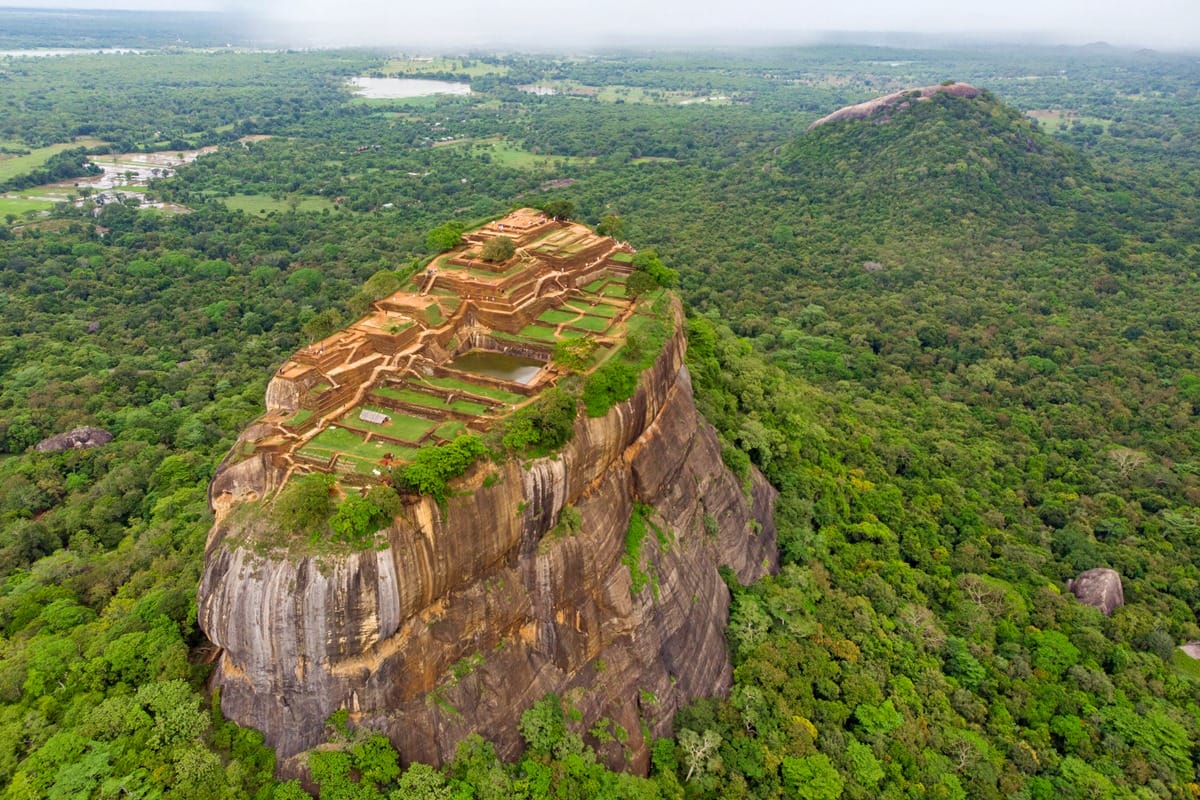
Sigiriya is Sri Lanka’s crown jewel – a 5th-century rock fortress rising 200 meters from the jungle. This UNESCO World Heritage Site is a 200-meter-high rock plug topped by the ruins of a royal palace. The climb is steep, but the ancient frescoes, mirror wall, and summit views are worth every step. Arrive at opening time to beat the heat and crowds.
Insider Tip: The nearby Pidurangala Rock offers equally spectacular views of Sigiriya itself with far fewer tourists.
Dambulla Cave Temple
The Dambulla Cave Temple is a thousand-year-old cave complex featuring over 80 caves adorned with ancient murals and more than 150 Buddha statues. It is the largest and best-preserved cave temple complex in Sri Lanka.
Anuradhapura and Polonnaruwa
These two ancient capitals form the backbone of the Cultural Triangle. Anuradhapura, one of the oldest continuously inhabited cities in the world, features monumental stupas and the sacred Bodhi Tree. Polonnaruwa, the second ancient capital, boasts the magnificent Gal Vihara rock-carved Buddhas.
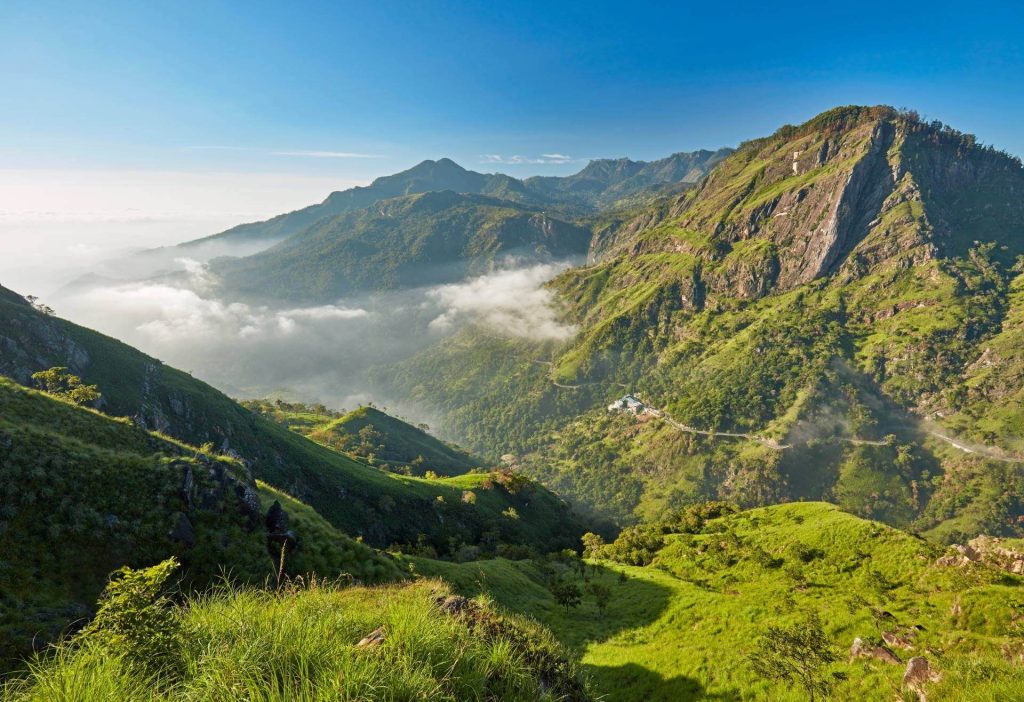
The Hill Country: Misty Mountains and Tea Plantations
Sri Lanka’s Hill Country offers a complete change of scenery – cool air, rolling green hills, and the world’s most beautiful train ride.
Kandy – The Cultural Capital
Kandy is the cultural heart of Sri Lanka. At its centre lies the Temple of the Sacred Tooth Relic, one of Buddhism’s holiest shrines, believed to house a tooth of the Buddha. The city is wrapped around a serene lake and surrounded by emerald hills. Don’t miss the Royal Botanical Gardens in nearby Peradeniya, featuring over 4,000 species of tropical plants.
Nuwara Eliya – “Little England”
Nuwara Eliya is the heart of Sri Lanka’s tea country. Known as “Little England” for its cool climate and colonial architecture, this highland town is surrounded by mist-shrouded tea plantations. Visit a tea factory, walk through the estates, and taste the famous Ceylon tea at its source.
Ella – The Traveler’s Favourite
Ella is a mountain town that captures every traveller’s heart. The Nine Arches Bridge, framed by lush jungle and crossed by blue trains, is one of the most photographed spots in Asia. Hike Little Adam’s Peak at sunrise, explore Ella Rock, and take the famous Kandy-to-Ella train ride – widely considered one of the most scenic rail journeys in the world.
The South Coast: Beaches, Forts and Whales
The southern coastline of Sri Lanka offers palm-backed beaches, a perfectly preserved Dutch fort, and world-class whale watching.
Galle – The Dutch Fort
Galle is a perfectly preserved Dutch colonial fort town on the southern coast. Wander cobbled streets lined with boutiques, cafes, and art galleries, and watch cricket being played on the pitch inside the fort walls while the Indian Ocean crashes against the ramparts. The Galle Fort Clock Tower and lighthouse offer stunning seaside sunsets.
Mirissa – Whale Watching Paradise
Mirissa is famous for its crescent-shaped bay and world-class whale watching. It is one of the best places on Earth to spot blue whales, sperm whales, and dolphins. The relaxed beach town also offers surfing, snorkelling, and the iconic Coconut Tree Hill.
Unawatuna and Weligama
Unawatuna is a sheltered bay with calm waters, perfect for swimming and snorkelling. Weligama is a surf spot for beginners, with long, sandy beaches and gentle waves. The stilt fishermen of Koggala, a unique cultural spectacle on the southern coast, are best photographed at dawn or dusk.
Wildlife and National Parks
Sri Lanka is home to some of the best safaris outside of Africa, with Asia’s densest elephant and leopard populations thriving in an extensive network of national parks.
Yala National Park
Yala National Park has the highest leopard density in the world. Morning safaris offer excellent chances of spotting these elusive big cats, along with elephants, sloth bears, crocodiles, and hundreds of bird species.
Udawalawe National Park
Udawalawe is the best place in Sri Lanka to see elephants year-round, with over 600 wild elephants roaming the park. The open terrain makes it ideal for wildlife viewing.
Minneriya National Park
Minneriya National Park is famous for the “Elephant Gathering” – hundreds of elephants congregating around the ancient Minneriya Tank during the dry season (July–September).
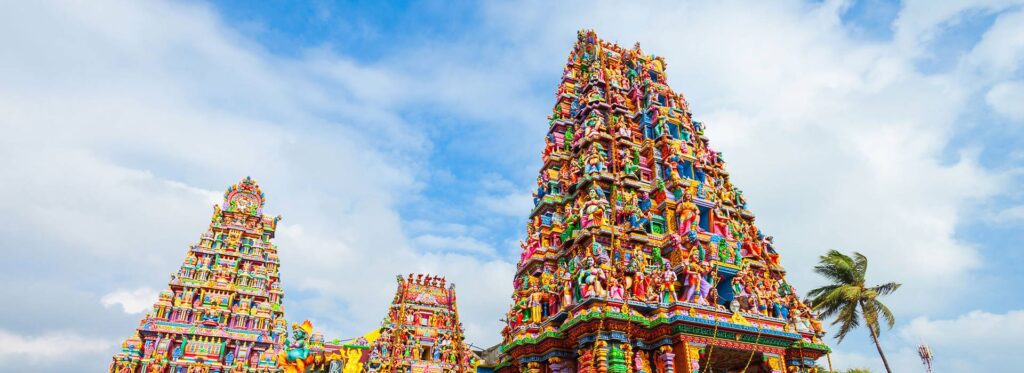
The East Coast: Secluded Beaches and Coral Reefs
The east coast offers some of Sri Lanka’s most pristine and secluded beaches.
Trincomalee and Nilaveli
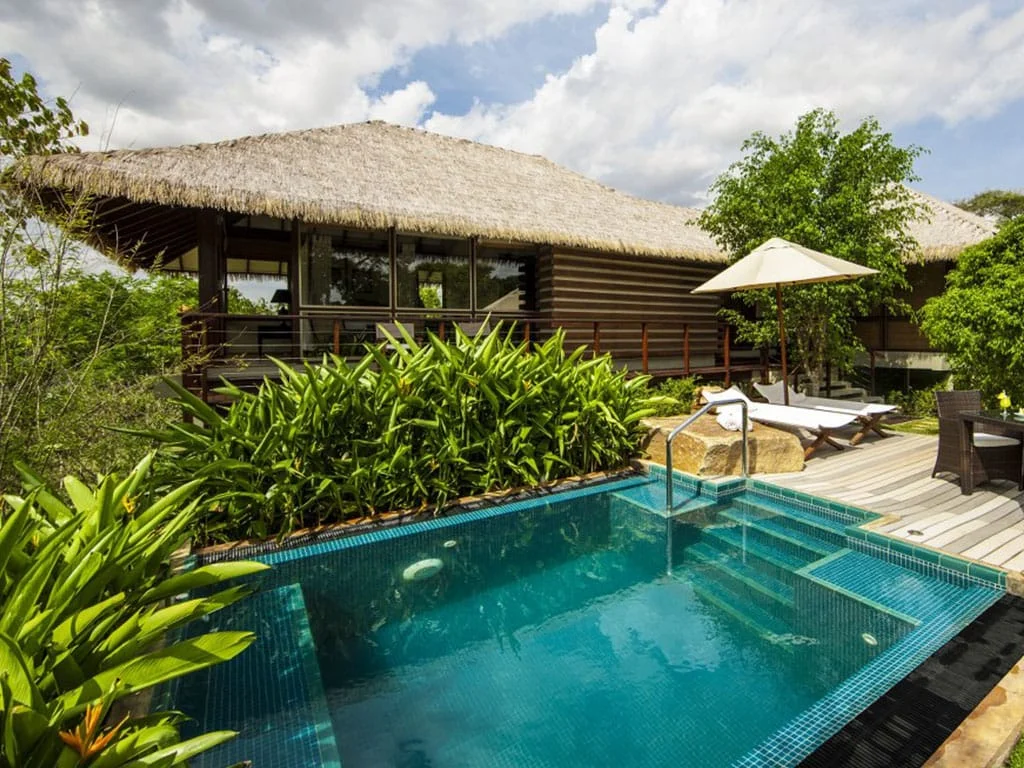
Trincomalee on the northeast coast is home to some of the finest natural harbours in the world. Nearby Nilaveli offers idyllic cabins spread out over a vast jungle estate and access to Pigeon Island – one of the best snorkelling and reef diving spots in Sri Lanka.
Arugam Bay
Arugam Bay is the surf capital of Sri Lanka, famous for its legendary right-hand point break that can run for 500 metres on a good day. The best time to visit is from May to October.
Pasikudah
Pasikudah is known for its long shallow coastline, making it one of the safest beaches for swimming and water sports.
Colombo and the West Coast
Colombo – The Vibrant Capital
Colombo is the lively capital where colonial charm blends with a cosmopolitan edge. Explore the Pettah Market, admire the striking Jami Ul-Alfar Mosque (Red Mosque), and visit the National Museum. The coastal train from Colombo to Galle offers a scenic sea-view ride, often described as the real-life “Spirited Away” train journey.
Negombo – The Airport Gateway
Negombo is the closest beach town to the international airport, just 20 minutes away. It offers a gentle introduction to Sri Lanka with its beach, lagoon, and lively fish market.
Bentota
Bentota offers golden sands, calm waters, and luxurious beachfront resorts. The Bentota River offers boat rides through pristine mangrove ecosystems.
Best Time to Visit
Sri Lanka experiences a dual monsoon system, meaning there is always somewhere on the island enjoying great weather:
-
December to March: Best for the west and south coasts (Galle, Mirissa, Hill Country)
-
May to September: Best for the east coast (Trincomalee, Arugam Bay, Pasikudah) and wildlife parks like Wilpattu
-
April & October: Shoulder months offering good value and agreeable weather
Planning Your Sri Lanka Trip
Visa
Most nationalities require a tourist ETA (Electronic Travel Authorization) – approximately US$50, granting a 30-day double-entry stay. A visa-free scheme for 40 countries was announced for 2026 but has been repeatedly delayed – check before you go.
Transport
A private car with a driver is ideal for groups and offers flexibility ($100–120/day). The scenic train journey from Kandy to Ella is a must-do – book reserved seats 30 days in advance. Tuk-tuks are great for short distances.
Conclusion: Your Sri Lankan Adventure Awaits
Sri Lanka truly has it all. From the ancient wonders of the Cultural Triangle and the misty tea plantations of the Hill Country to the golden beaches of the South Coast and the thrilling wildlife of Yala National Park, this teardrop-shaped island offers an extraordinary diversity of experiences.
Whether you’re a first-time visitor or a seasoned traveller, Sri Lanka will capture your heart and leave you wanting more. The Pearl of the Indian Ocean is calling – start planning your 2026 adventure today!
Book Your Adventure
Ready to experience this coastal paradise? Plan your trip with Rediscover Sri Lanka and create unforgettable memories at Hiriketiya Beach.
📩 Visit: Rediscover Sri Lanka to book now.
Contact Us Today!
Ready to plan your dream group tour in Sri Lanka? Let us help you craft the perfect itinerary for a truly magical experience.
👉 Contact Rediscover Sri Lanka now to explore our Sri Lanka group tour packages, designed for families, solo travelers, and adventure seekers alike.
Reviews and Recommendations
Don’t just take our word for it! Check out these incredible reviews from past travelers:
Tripadvisor: Read about other travelers’ experiences on Tripadvisor, where Rediscover Sri Lanka has garnered rave reviews for its safe and well-organized tours.
Trustpilot: Visit Trustpilot for more real-life testimonials from travelers who have fallen in love with Sri Lanka’s beauty and hospitality.
Ready to plan your dream journey in Sri Lanka?
Let us help you craft the perfect itinerary
for a truly memorable experience.
Contact Rediscover Sri Lanka to explore our
tailor-made journeys, private tours and
authentic Sri Lankan experiences.
Don't just take our word for it! Check out
these incredible reviews from past travelers.
Read about other travelers'
experiences with Rediscover Sri Lanka
and explore reviews from guests who
have travelled across the island.
Discover feedback from travelers who
have experienced Rediscover Journeys
and explored Sri Lanka with our team.
Ready to experience Sri Lanka beyond the
usual tourist trail? Let us create a
private journey around your interests,
pace and travel style.
Plan your trip with Rediscover Sri Lanka and
create unforgettable memories at some of the
island's most extraordinary places.
Visit Rediscover Sri Lanka to start planning
your journey.
Sri Lanka is a year-round destination, but the best time depends on which part of the island you plan to explore. The west and south coasts are generally best from December to April, while the east coast is ideal from May to September. Around 7 to 14 days is a good amount of time to experience Sri Lanka's highlights without rushing. A longer journey allows more time for wildlife, beaches, cultural sites, scenic train journeys and the hill country. Most international travellers need travel authorisation or a visa to enter Sri Lanka, depending on their nationality and purpose of travel. Travellers should check the latest requirements through official Sri Lankan government channels before travelling. Sri Lanka is a popular destination for international travellers. As with any destination, visitors should take normal precautions, look after their belongings, use reputable transport and follow local advice. The official currency is the Sri Lankan Rupee (LKR). Your budget depends on accommodation, transportation, dining, activities and travel style. Sri Lanka offers everything from budget-friendly experiences to premium hotels and tailor-made luxury travel.
Contact Us
Today!
Reviews and
Recommendations.
Book Your
Adventure.
Ready to Rediscover
Sri Lanka?
Everything you need to know about
traveling in Sri Lanka.
More Stories
to Rediscover.