Surfing Sri Lanka:
The Ultimate Guide to the Island’s Year-Round Waves
Surfing Sri Lanka: The Ultimate Guide to the Island’s Year-Round Waves Why Sri Lanka is a Surfer’s Paradise Warm water, cheap living, and consistent waves make Sri Lanka a surfer’s paradise. Forget the thick wetsuits – here, you only need a board and a smile. The island’s unique geography, shaped by two monsoon seasons, means there is […]
Everything You Need to Know About
Surfing Sri Lanka: The Ultimate Guide to the Island’s Year-Round Waves
Surfing Sri Lanka: The Ultimate Guide to the Island’s Year-Round Waves Why Sri Lanka is a Surfer’s Paradise Warm water, cheap living, and consistent waves make Sri Lanka a surfer’s paradise. Forget the thick wetsuits – here, you only need a board and a smile. The island’s unique geography, shaped by two monsoon seasons, means there is […]
Surfing Sri Lanka: The Ultimate Guide to the Island’s Year-Round Waves
Why Sri Lanka is a Surfer’s Paradise
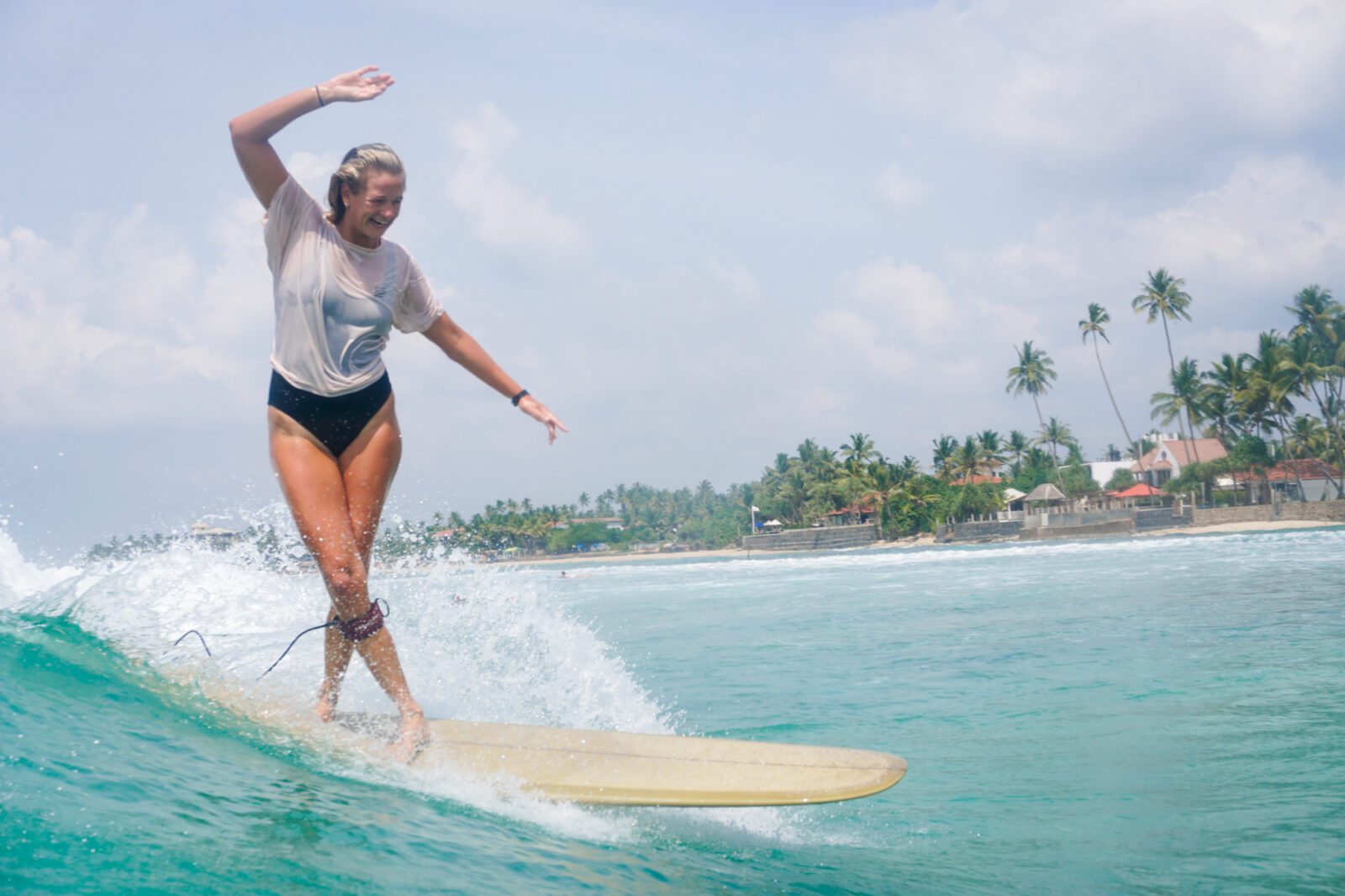
Warm water, cheap living, and consistent waves make Sri Lanka a surfer’s paradise. Forget the thick wetsuits – here, you only need a board and a smile. The island’s unique geography, shaped by two monsoon seasons, means there is always a wave somewhere on the island. When one coast is firing, the other is resting, creating a year-round surf calendar that few destinations can match.
The south coast (Weligama, Midigama, Hiriketiya, Ahangama) is best roughly November to April, ideal for beginners and improvers. The east coast, centred on Arugam Bay with breaks like Main Point and Whiskey Point, is best roughly May to October and suits intermediates to advanced surfers.
Whether you’re a complete beginner looking for your first wave or an experienced surfer chasing a perfect 500-metre right-hander, Sri Lanka delivers.
The Two Surf Seasons: Follow the Waves
November to April: South & Southwest Coast
When the winter swells light up the Indian Ocean, the southwest coast comes to life. Clean, offshore winds create perfect conditions for surfing.
Best Spots: Hikkaduwa, Weligama, Mirissa, Midigama, Ahangama, Hiriketiya
Conditions: Clean, offshore winds with consistent swells
Best For: Beginners to advanced surfers
Peak Months: December to March for the most consistent conditions
May to October: East Coast
When the southwest monsoon brings rain to the south, the east coast dries up and turns on. Arugam Bay becomes the epicentre of Sri Lankan surfing.
Best Spot: Arugam Bay (the surf capital)
Conditions: World-class right-hand point breaks
Best For: Intermediates to advanced surfers
Peak Months: July and August for the biggest waves
Shoulder Months (April & October)
The 4 weeks around April and the 4 weeks around November are the shoulder windows where conditions on one coast are tapering while the other is opening. These are quieter, cheaper months – early November offers off-peak rates at most camps, 15 to 25 percent below December-January prices.
Surfing Sri Lanka
Best Surf Spots by Skill Level
For Beginners: Weligama
Weligama is unmatched for learning. It’s a massive sandy beach break with gentle, rolling white water. The long, curved bay is protected and offers slow, gentle waves that are ideal for learning. The white sand bottom is forgiving, and the water remains at waist-height for a long distance out from the shore.
Why: Soft sand bottom (no reef cuts!), tons of surf schools
Best Time: November to April
Suitable for: Complete beginners and longboarders
Other Beginner-Friendly Spots:
Baby Point (Arugam Bay): Could be the best beginner wave in the world
Hikkaduwa: The main beach break is ideal for those with no experience
Hiriketiya: Crescent bay, sandy bottom and clean waves – easy, safe surfing
For Intermediates: Midigama, Ahangama & Hiriketiya
Just south of Weligama, Midigama and Ahangama are dotted with a series of right and left-hand reef breaks.
Midigama: Five quality reef breaks (Rams Right, Lazy Left, Lazy Right, Plantations, Coconuts) within 6km
Ahangama: Reef and point breaks for improvers
Hiriketiya: A beautiful horseshoe bay with a left-hand point break; perfect for surf-and-yoga stays
Mirissa: Between the slopes and the nightlife
Season: November to April
For Advanced: Arugam Bay & Rams (Midigama)
Arugam Bay (Main Point): A legendary long right-hander that can run for 500m on a good day. This is Sri Lanka’s surfing mecca, ranked among the world’s best surf spots. Legs-burning rides for confident surfers.
Rams (Midigama): A shallow reef break offering hollow barrels.
Other Advanced Spots:
Kabalana (“The Rock”): Known for more powerful waves
Whiskey Point: Fun, mellow wave for beginners & longboarders
Okanda and Lighthouse: Powerful, world-class waves for the very confident surfer
Hikkaduwa Main Reef: A heavier left for February
Season: May to October (east coast)
Top Surf Towns
Arugam Bay – The Surf Capital
Arugam Bay is the heart of the east coast surf scene. It’s a relaxed, dusty town that wakes up for the surf. The main point break is a long, fast, right-hand wave that can give rides of over 300 meters on a good day. It’s a wave for more experienced surfers, but watching the experts fly down the line is a spectacle in itself.
Best Season: May to October
Surf Breaks: Main Point, Baby Point, Whiskey Point, Peanut Farm, Pottuvil Point, Elephant Rock
Vibe: Laid-back and surf-focused with a strong international scene in season
Hikkaduwa – The Original Surf Town
Hikkaduwa is the original surf town with a lively main street right behind the beach. The main break can get crowded, but it’s a classic Sri Lankan experience. The atmosphere is social, with plenty of places to eat and watch the surf from shore.
Best Season: November to April
Surf Breaks: Main reef (A-frame shaped waves), North Jetty, Benny’s
Best For: All levels – from beginner to advanced
Weligama – The Beginner’s Haven
Weligama’s broad bay is Sri Lanka’s classic learner beach break – a sand-bottom playground with long, soft reforming waves and dozens of surf schools.
Best Season: November to April
Vibe: Lively, safe, and perfect for first-timers
Hiriketiya – The Bohemian Bay
Hiriketiya is a beautiful horseshoe bay with a left-hand point break and a surf-and-yoga vibe. Nearly a dozen surf schools line the beach, piled high with surfboards.
Best Season: November to April
Surf Camps vs. DIY
Surf Camps
Pros: Great for meeting people; includes yoga, meals, and transport to spots
Cost: $500-$1000/week
Best For: Solo travellers, beginners, and those wanting a structured experience
DIY
Pros: Rent a scooter ($5/day) with a board rack and explore – much cheaper and total freedom
Best For: Independent travellers and experienced surfers
What to Bring
Rash Vest: The sun is brutal
Zinc: For your face
Reef Booties: If surfing reef breaks (like Midigama)
Your Own Board? Only if you are picky. Rentals are plentiful, but high-performance boards can be hard to find.
Surf Etiquette & Safety
Respect the Locals: Sri Lankan “surf boys” are friendly but respect the lineup etiquette. Don’t snake waves. A smile goes a long way.
Support Local: Support Sri Lankan-owned surf schools and respect local etiquette and rotation in busier lineups.
Know Your Limits: Reef breaks mean booties and respect for the lineup; always check conditions and don’t paddle out beyond your level.
Never Paddle Back After a Wave: At Arugam Bay, don’t paddle back after a wave
Plan Your Surf Trip
Choose Your Coast by Season: South for November–April; Arugam Bay for May–October
Allow Time: Allow at least a few nights (a week or more to progress), since waves vary day to day
Combine Experiences: Surf pairs well with safari, hills, or culture between sessions
Cheapest Weeks: Early November (south coast season opening) or late September (east coast tail)
Month-by-Month Surf Guide
Month
Best Coast
Spots
Conditions
November
South
Weligama, Mirissa, Ahangama, Kabalana
Season opening; quiet; off-peak rates
December-January
South
All south coast spots
Peak season; clean head-high waves; crowded
February
South
Hikkaduwa Main Reef, Weligama, Midigama
Best wave-to-crowd ratio on south coast
March
South
All south coast spots
Consistent waves; great weather
April
South/East
South tapering; East opening
Shoulder month; transitional conditions
May
East
Arugam Bay, Whiskey Point, Peanut Farm
East coast season begins
June
East
Arugam Bay Main Point
Best wave-to-crowd ratio on east coast
July-August
East
Arugam Bay Main Point
Biggest waves; peak east coast season
September
East
Arugam Bay, Pottuvil Point
Quiet; off-peak rates late in month
October
East
Arugam Bay
East coast tapering
Conclusion: Your Perfect Wave Awaits
Sri Lanka is a surfing destination that gets under your skin. The warm water, consistent waves, and friendly vibe create a feeling you will want to return to again and again. From the gentle $15 whitewash lessons in Weligama to the legendary 500m right-hander at Arugam Bay, there is a wave for everyone.
The vibe in Sri Lanka is welcoming. The waves are warm. The chai is sweet. It is a place that reminds you why you fell in love with surfing in the first place.Start planning your Sri Lankan surf adventure today – the Pearl of the Indian Ocean is calling!
Book Your Adventure
Ready to experience this coastal paradise? Plan your trip with Rediscover Sri Lanka and create unforgettable memories at Hiriketiya Beach.
Ready to plan your dream group tour in Sri Lanka? Let us help you craft the perfect itinerary for a truly magical experience.
👉 Contact Rediscover Sri Lanka now to explore our Sri Lanka group tour packages, designed for families, solo travelers, and adventure seekers alike.
Reviews and Recommendations
Don’t just take our word for it! Check out these incredible reviews from past travelers:
Tripadvisor: Read about other travelers’ experiences on Tripadvisor, where Rediscover Sri Lanka has garnered rave reviews for its safe and well-organized tours.
Trustpilot: Visit Trustpilot for more real-life testimonials from travelers who have fallen in love with Sri Lanka’s beauty and hospitality.
Rediscover · Plan Your Journey
Contact Us
Today!
Ready to plan your dream journey in Sri Lanka?
Let us help you craft the perfect itinerary
for a truly memorable experience.
Contact Rediscover Sri Lanka to explore our
tailor-made journeys, private tours and
authentic Sri Lankan experiences.
Everything you need to know about
traveling in Sri Lanka.
Sri Lanka is a year-round destination, but the best time depends on which part of the island you plan to explore. The west and south coasts are generally best from December to April, while the east coast is ideal from May to September.
Around 7 to 14 days is a good amount of time to experience Sri Lanka's highlights without rushing. A longer journey allows more time for wildlife, beaches, cultural sites, scenic train journeys and the hill country.
Most international travellers need travel authorisation or a visa to enter Sri Lanka, depending on their nationality and purpose of travel. Travellers should check the latest requirements through official Sri Lankan government channels before travelling.
Sri Lanka is a popular destination for international travellers. As with any destination, visitors should take normal precautions, look after their belongings, use reputable transport and follow local advice.
The official currency is the Sri Lankan Rupee (LKR). Your budget depends on accommodation, transportation, dining, activities and travel style. Sri Lanka offers everything from budget-friendly experiences to premium hotels and tailor-made luxury travel.
Rediscover Journeys is a boutique Sri Lankan travel
company creating tailor-made journeys, private tours
and meaningful travel experiences across the island.
We use cookies to improve your browsing experience, analyze website traffic, and support essential website functions. By clicking "Accept All", you consent to our use of cookies.