Everything You Need to Know About Tailor-Made Ramayana Tour in Sri Lanka: Walk in the Footsteps of Lord Rama
Tailor-Made Ramayana Tour in Sri Lanka: Walk in the Footsteps of Lord Rama Introduction: A Journey Through Myth and History For millions of people across the world, the Ramayana is not just an epic it is a living faith, a spiritual guide, and a cultural cornerstone. The story of Lord Rama’s quest to rescue Sita […]
Tailor-Made Ramayana Tour in Sri Lanka: Walk in the Footsteps of Lord Rama
Introduction: A Journey Through Myth and History
For millions of people across the world, the Ramayana is not just an epic it is a living faith, a spiritual guide, and a cultural cornerstone. The story of Lord Rama’s quest to rescue Sita from the clutches of Ravana unfolds across the landscapes of India and Sri Lanka, weaving together myth, history, and devotion.
Sri Lanka holds a special place in the Ramayana narrative. It is here that Ravana ruled his kingdom, where Sita was held captive in the Ashoka Vatika, where Hanuman searched for her, and where the final battle between good and evil took place. Today, the island nation is home to more than 50 sacred sites linked to the Ramayana, attracting thousands of pilgrims and cultural travellers each year.
A tailor-made Ramayana tour in Sri Lanka offers the opportunity to walk in the footsteps of Lord Rama, Sita Devi, and Hanuman Ji at your own pace, with your own private guide, and an itinerary crafted entirely around your spiritual and travel preferences.
What is a Tailor-Made Ramayana Tour?
A tailor-made Ramayana tour is a private, fully customised pilgrimage journey designed around your specific interests, travel dates, group size, and budget. Unlike standard group tours that follow fixed routes, a custom Ramayana itinerary allows you to choose which sacred sites to visit, how long to spend at each location, and what type of accommodation and meals suit your needs.
What a Tailor-Made Ramayana Tour Typically Includes:
-
Private vehicle with an experienced chauffeur-guide English and Tamil speaking guides available
-
Customised itinerary based on your interests, travel dates, and budget
-
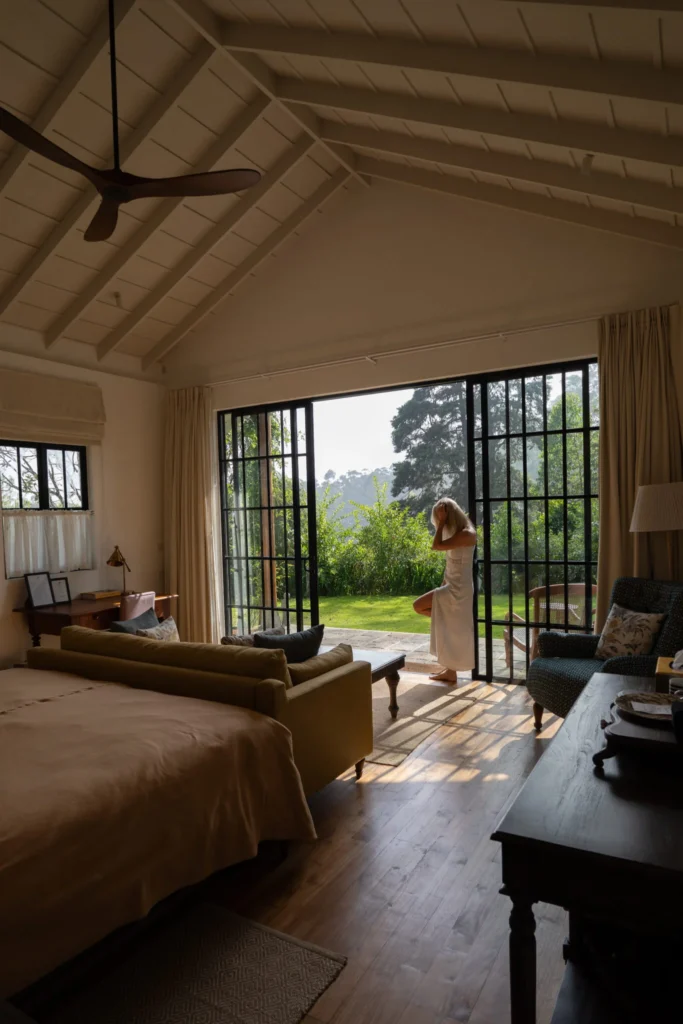
Handpicked accommodation 3-star, 4-star, and 5-star options
-
Vegetarian meal arrangements available on request
-
Airport pickup and drop-off included in the package
-
Specialised Ramayana guides experienced in Ramayana history and pilgrimage tours
-
Flexible pacing travel at your own rhythm
Every detail is designed with your spiritual journey in mind.
Why Choose a Tailor-Made Ramayana Tour?
1. Complete Flexibility
You decide which sites to visit, how long to stay, and what pace suits your group. Want to spend extra time in prayer at the Seetha Amman Temple? No problem. Prefer to skip a site and add another? That can be arranged.
2. Private and Personal
Unlike group tours, a tailor-made Ramayana tour is private just you, your family, or your group, with a dedicated guide and vehicle. This allows for deeper conversations, personalised insights, and a more meaningful spiritual experience.
3. Expert Guidance
Your chauffeur-guide is experienced in Ramayana history and pilgrimage tours, providing context, stories, and insights that bring the epic to life.
4. Vegetarian-Friendly Travel
Meal arrangements can be tailored to vegetarian preferences, making it easy for pilgrims to maintain their dietary practices throughout the journey.
5. Trusted and Registered
Working with a licensed Sri Lanka tourism operator ensures reliability, safety, and professional service. Thousands of devotees from India, Malaysia, Singapore, Australia, the UK, the US, and Canada have trusted dedicated Ramayana tour specialists to organise their pilgrimages.
Key Ramayana Sites in Sri Lanka
Sri Lanka is home to a rich tapestry of Ramayana-related sites. Here are some of the most significant:
Munneswaram Temple (Chilaw)
One of Sri Lanka’s most sacred Shiva temples, believed to have been visited by Lord Rama after defeating Ravana to seek forgiveness for the sin of killing a Brahmin (Ravana).
Manavari Temple (Chilaw)
Home to the first Shiva Lingam installed by Lord Rama to seek forgiveness after the war. It is one of the most important Ramayana pilgrimage sites in Sri Lanka.
Koneswaram Temple (Trincomalee)
An ancient cliff-top temple in Trincomalee associated with Ravana and one of Sri Lanka’s most important Hindu shrines.
Kanniya Hot Springs (Trincomalee)
Seven natural hot water springs believed to have connections with King Ravana and ancient Ramayana legends.
Sigiriya Cobra Hood Cave
A cave resembling a cobra hood, linked by local traditions to events described in the Ramayana.
Sri Bhaktha Hanuman Temple (Ramboda)
Home to the island’s tallest Hanuman statue, dedicated to Lord Hanuman, located in the hills of Ramboda. It is believed that Hanuman rested here while searching for Sita.
Seetha Amman Temple (Nuwara Eliya)
Believed to be the only temple in the world dedicated to Sita. This is where Hanuman first met Sita and presented her with Rama’s wedding ring as a sign of hope.
Ashoka Vatika (Hakgala Botanical Garden)
The legendary garden where Sita Devi is believed to have spent her days during captivity in Lanka. Today, it is the beautiful Hakgala Botanical Garden.
Divurumpola Temple (Welimada)
Sacred site where Sita Devi is believed to have undergone her Agni Pariksha (trial by fire) to prove her purity.
Ravana Falls & Ravana Cave (Near Ella)
Popular locations associated with King Ravana, believed to have connections with Sita Devi’s captivity. Ravana Falls stands at 82 feet, and the cave is said to be where Ravana hid Sita.
Kataragama Temple
Dedicated to Lord Karthikeya (Subramaniam), who protected Lord Rama during his battle against King Ravana.
Ussangoda (Hambantota)
A vast red-soil plain believed to have been burned by Hanuman when he set Lanka ablaze. Even today, the soil remains unusually barren and reddish.
Rumassala Hill (Galle)
Believed to be a fragment of the Sanjeevani Mountain dropped by Hanuman. The area is well known for its rare medicinal plants.
Kelaniya Temple
A sacred temple believed to be the location where Lord Rama crowned Vibhishana as King of Lanka.
Sample Itineraries
6-Day Northern Ramayana Circuit
| Day | Route | Highlights |
|---|---|---|
| Day 1 | Airport → Chilaw → Habarana | Munneswaram Temple, Manavari Temple |
| Day 2 | Habarana → Trincomalee | Sigiriya Rock Fortress, Koneswaram Temple |
| Day 3 | Trincomalee → Kandy | Kinniya Hot Springs, Temple of the Tooth |
| Day 4 | Kandy → Nuwara Eliya | Sri Bhaktha Hanuman Temple, Ramboda |
| Day 5 | Nuwara Eliya → Colombo | Seetha Amman Temple, Ashoka Vatika |
| Day 6 | Colombo → Departure | Kelaniya Temple, airport transfer |
7-Day Comprehensive Ramayana Tour
| Day | Route | Highlights |
|---|---|---|
| Day 1 | Airport → Chilaw | Munneswaram Temple, Manavari Temple |
| Day 2 | Chilaw → Kandy | Scenic drive, Kandy cultural show |
| Day 3 | Kandy → Nuwara Eliya | Ramboda Hanuman Temple, tea plantation |
| Day 4 | Nuwara Eliya | Seetha Amman Temple, Ashoka Vatika |
| Day 5 | Nuwara Eliya → Ella → Kataragama | Ravana Falls, Ravana Cave, Kataragama Temple |
| Day 6 | Kataragama → Colombo | Ussangoda, optional Galle visit |
| Day 7 | Colombo → Departure | Kelaniya Temple, airport transfer |
Frequently Asked Questions
1. What is a tailor-made Ramayana tour?
A tailor-made Ramayana tour is a private, fully customised pilgrimage journey designed around your specific interests, travel dates, group size, and budget. You choose which sacred sites to visit and how long to spend at each.
2. Who organises Ramayana tours in Sri Lanka?
Dedicated Ramayana tour operators like Ramayana Tours – Sri Lanka, The Serendipity Experiences, and Look Lanka offer customised Ramayana pilgrimage packages with experienced guides and private transport.
3. Can I customise my Ramayana tour itinerary?
Absolutely. Tailor-made tours are built around complete flexibility. You can adjust destinations, hotel categories, travel dates, and pace until everything feels right.
4. Are vegetarian meals available?
Yes. Vegetarian meal arrangements are available on request throughout the tour.
5. What type of accommodation is available?
You can choose from 3-star, 4-star, or 5-star accommodation options based on your budget and preferences.
6. Do I need a visa to visit Sri Lanka?
Most travellers require an Electronic Travel Authorization (ETA), which can be obtained online before arrival. Check the official Sri Lankan immigration website for the latest requirements.
7. What is the best time for a Ramayana tour?
Sri Lanka is a year-round destination. The west and south coasts, including most Ramayana sites, are best between December and April. The east coast is best between May and September.
8. How long should my Ramayana tour be?
Most travellers spend between 6 and 10 days exploring Sri Lanka’s Ramayana sites. Shorter 3–4 day tours focus on specific regions, while 10+ day tours offer deeper exploration.
9. Is Sri Lanka safe for pilgrims?
Yes. Sri Lanka is a welcoming and safe destination for pilgrims and tourists. Professional operators monitor local conditions and plan routes carefully.
10. Can I combine a Ramayana tour with other experiences?
Yes. Many travellers combine Ramayana tours with wildlife safaris, beach relaxation, or cultural experiences in Sri Lanka.
Planning Your Ramayana Pilgrimage
Best Time to Visit
-
December to April: Best for most Ramayana sites (west and south coasts, hill country)
-
May to September: Best for east coast sites (Trincomalee, Koneswaram Temple)
How to Book
-
Contact a specialist Ramayana tour operator Look for operators with experience in Ramayana pilgrimage tours
-
Share your travel plans Provide your travel dates, group size, and preferred tour duration
-
Receive a customised proposal The team will create a personalised itinerary
-
Confirm and prepare Once you’re happy with the proposal, confirm your booking and prepare for your spiritual journey
Conclusion: Your Ramayana Pilgrimage Awaits
A tailor-made Ramayana tour in Sri Lanka is more than just a holiday it is a spiritual journey through the sacred geography of one of the world’s greatest epics. From the ancient temples of Chilaw to the misty hills of Nuwara Eliya, from the caves of Ravana to the gardens of Ashoka Vatika, every site tells a story of devotion, courage, and faith.
With a private vehicle, expert guide, and customised itinerary, you can walk in the footsteps of Lord Rama, Sita Devi, and Hanuman Ji at your own pace, on your own terms. Whether you are a devoted pilgrim or a cultural traveller curious about the Ramayana’s enduring legacy, Sri Lanka’s sacred trail awaits.
Start planning your tailor-made Ramayana tour today your spiritual journey awaits!
Book Your Adventure
Ready to experience this coastal paradise? Plan your trip with Rediscover Sri Lanka and create unforgettable memories at Hiriketiya Beach.
📩 Visit: Rediscover Sri Lanka to book now.
Contact Us Today!
Ready to plan your dream group tour in Sri Lanka? Let us help you craft the perfect itinerary for a truly magical experience.
👉 Contact Rediscover Sri Lanka now to explore our Sri Lanka group tour packages, designed for families, solo travelers, and adventure seekers alike.
Reviews and Recommendations
Don’t just take our word for it! Check out these incredible reviews from past travelers:
Tripadvisor: Read about other travelers’ experiences on Tripadvisor, where Rediscover Sri Lanka has garnered rave reviews for its safe and well-organized tours.
Trustpilot: Visit Trustpilot for more real-life testimonials from travelers who have fallen in love with Sri Lanka’s beauty and hospitality.
Contact Us Today!
Ready to plan your dream journey in Sri Lanka? Let us help you craft the perfect itinerary for a truly memorable experience.
Contact Rediscover Sri Lanka to explore our tailor-made journeys, private tours and authentic Sri Lankan experiences.
Contact UsReviews and Recommendations.
Don't just take our word for it! Check out these incredible reviews from past travelers.
Read about other travelers' experiences with Rediscover Sri Lanka and explore reviews from guests who have travelled across the island.
Read ReviewsDiscover feedback from travelers who have experienced Rediscover Journeys and explored Sri Lanka with our team.
Read ReviewsBook Your Adventure.
Ready to experience Sri Lanka beyond the usual tourist trail? Let us create a private journey around your interests, pace and travel style.
Ready to Rediscover Sri Lanka?
Plan your trip with Rediscover Sri Lanka and create unforgettable memories at some of the island's most extraordinary places.
Visit Rediscover Sri Lanka to start planning your journey.
Plan Your JourneyEverything you need to know about traveling in Sri Lanka.
Sri Lanka is a year-round destination, but the best time depends on which part of the island you plan to explore. The west and south coasts are generally best from December to April, while the east coast is ideal from May to September.
Around 7 to 14 days is a good amount of time to experience Sri Lanka's highlights without rushing. A longer journey allows more time for wildlife, beaches, cultural sites, scenic train journeys and the hill country.
Most international travellers need travel authorisation or a visa to enter Sri Lanka, depending on their nationality and purpose of travel. Travellers should check the latest requirements through official Sri Lankan government channels before travelling.
Sri Lanka is a popular destination for international travellers. As with any destination, visitors should take normal precautions, look after their belongings, use reputable transport and follow local advice.
The official currency is the Sri Lankan Rupee (LKR). Your budget depends on accommodation, transportation, dining, activities and travel style. Sri Lanka offers everything from budget-friendly experiences to premium hotels and tailor-made luxury travel.