Everything You Need to Know About Tailor-Made Tours vs Package Tours in Sri Lanka: Your Complete FAQ Guide
Tailor-Made Tours vs Package Tours in Sri Lanka: Your Complete FAQ Guide Planning a trip to Sri Lanka is exciting, but one question quickly follows: should you book a package tour or design a tailor-made itinerary? The answer isn’t simply one being “better” than the other. Both approaches have their strengths, and the right choice […]
Tailor-Made Tours vs Package Tours in Sri Lanka: Your Complete FAQ Guide
Planning a trip to Sri Lanka is exciting, but one question quickly follows: should you book a package tour or design a tailor-made itinerary? The answer isn’t simply one being “better” than the other. Both approaches have their strengths, and the right choice depends entirely on your travel style, priorities, and what you want your Sri Lanka holiday to feel like.
This comprehensive FAQ guide compares tailor-made tours and package tours in Sri Lanka, helping you make an informed decision that suits your travel preferences.
Frequently Asked Questions
1. What is a package tour in Sri Lanka?
A package tour is a pre-designed holiday that follows a fixed itinerary. It starts with a defined route and refines from there. Hotels, transport, and excursions are set in advance, offering a tested and proven framework. Package tours often include group travel, scheduled sightseeing, and standardised meals. They suit travellers who want a hassle-free experience without planning every detail.
2. What is a tailor-made tour in Sri Lanka?
A tailor-made tour begins with you. Rather than fitting yourself into a set structure, the itinerary is crafted around your preferences, pace, and priorities. Every detail from accommodation and transport to daily activities and dining is shaped around your interests. Tailor-made tours are private, flexible, and designed to match your unique travel style.
3. What are the main differences between package and tailor-made tours?
| Feature | Package Tour | Tailor-Made Tour |
|---|---|---|
| Planning Foundation | Fixed route and itinerary | Your preferences and priorities |
| Flexibility | Rigid schedule; limited changes | Fully flexible; adapt as you go |
| Pace | Set by the group | Set by you |
| Accommodation | Pre-selected hotels | Handpicked to your taste |
| Group Size | Often large groups | Private; just you and your party |
| Authenticity | Standardised experiences | Genuine local encounters |
| Dining | Group meals; standardised menus | Choose where and what you eat |
| Hidden Gems | Limited to popular attractions | Access to off-the-beaten-path locations |
4. Which is better for first-time visitors?
Both options work well for first-time visitors, but in different ways. Package tours offer tested routes with efficient logistics, making them ideal for those who prefer clarity and certainty. A well-designed package removes the guesswork travel times are sensible, hotel combinations make sense, and the overall experience feels balanced.
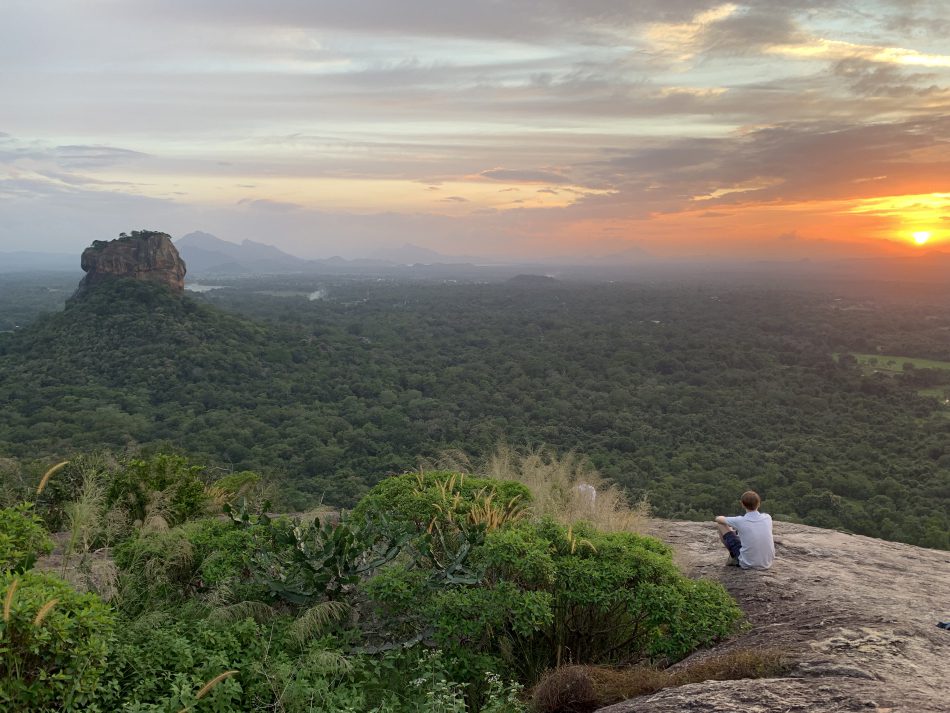
Tailor-made tours are equally suitable for first-timers, especially if you have specific interests or prefer a slower pace. You can still visit all the iconic highlights Sigiriya, Kandy, Ella, Galle but on your own terms, with the freedom to skip or linger as you wish.
5. Which option offers better value for money?
The question of value depends on your priorities. Package tours often appear more economical because they bundle services together at scale. The itinerary has been designed to work as a whole, and group rates can reduce per-person costs.
Tailor-made tours may seem more expensive initially, but they offer value in different ways handpicked accommodation, private transport, dedicated guides, and experiences that match your interests. The value lies in the quality of the experience: more time, better rhythm, deeper connection, and no wasted days on things you don’t enjoy.
6. Can a package tour be customised?
Most package tours allow limited customisation, such as adding extra nights before or after the tour, choosing room categories, or selecting optional excursions. However, the core itinerary and daily schedule remain fixed.
7. Can a tailor-made tour include group elements?
If you enjoy socialising, a private tailor-made tour can still include group experiences such as joining a cooking class, a safari with other travellers, or a guided walking tour. The difference is that you choose when and how to join others, rather than being part of a fixed group for the entire trip.
8. Which is better for families?
For families, tailor-made tours often work better. You can choose child-friendly accommodation, set a comfortable pace with rest days, and include age-appropriate activities that keep everyone engaged. You also have the flexibility to adjust plans if someone needs a break.
Package tours with dedicated family groups can also be excellent, especially when the itinerary is designed with children in mind. Larger families or groups may find the structure reassuring.
9. Which is better for honeymooners?
A tailor-made tour is ideal for honeymooners. You can choose romantic boutique hotels, candlelit dinners, private experiences, and the freedom to spend as much time as you want in each destination no group schedule to follow.
Some package tours offer honeymoon-specific itineraries with romantic inclusions, but a tailor-made approach allows more personalisation.
10. Which is better for solo travellers?
Both options have their merits for solo travellers. Package tours provide the opportunity to meet new people, with built-in social connections and group activities. Many solo travellers appreciate the security and camaraderie of a group.
Tailor-made tours offer solo travellers privacy and the freedom to travel at their own pace. While more expensive for a single traveller, the experience is completely personal and flexible.
11. Which option offers more flexibility?
Tailor-made tours offer significantly more flexibility. You can adjust your itinerary, change activities, extend your stay in places you love, and skip those that don’t appeal to you often on the day itself. Package tours have a fixed schedule with limited room for changes.
12. Do package tours visit hidden gems?
Package tours typically focus on well-known attractions the Cultural Triangle, Kandy, Ella, Galle, and Yala National Park. While some include off-the-beaten-path stops, the primary focus is on established highlights.
Tailor-made tours are designed around your interests, making it easier to include hidden gems and less-visited places that standard itineraries miss.
13. What about the quality of guides?
Package tours provide professional guides who are knowledgeable and certified. In group settings, the guide’s attention is shared among all participants.
Tailor-made tours offer a dedicated chauffeur-guide who focuses entirely on you. This allows for deeper conversations, personalised recommendations, and the flexibility to adjust plans based on your interests.
14. Which option is better for wildlife enthusiasts?
For wildlife lovers, tailor-made tours offer distinct advantages. You can time safaris around optimal animal activity, add extra game drives, and choose less crowded parks. Private arrangements mean your guide can focus entirely on spotting wildlife for you.
Package tours that focus on wildlife can also be excellent, but the schedule is fixed and you may have less flexibility to linger at a sighting.
15. Is accommodation quality different between the two?
Package tours offer a standardised hotel selection designed to work for a wide range of travellers typically reliable mid-range to luxury properties.
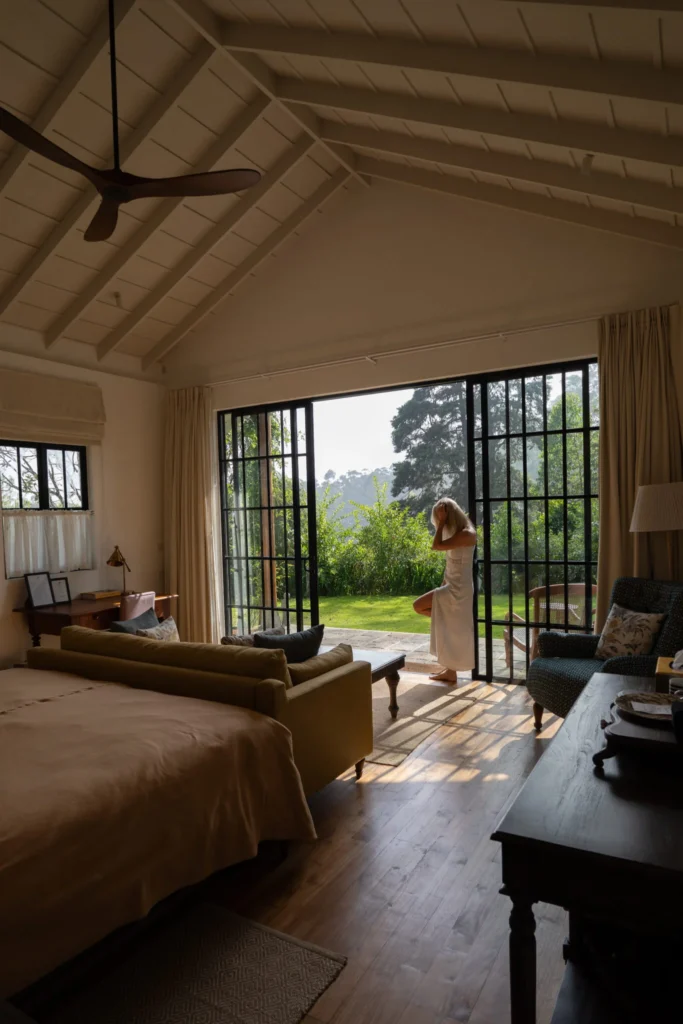
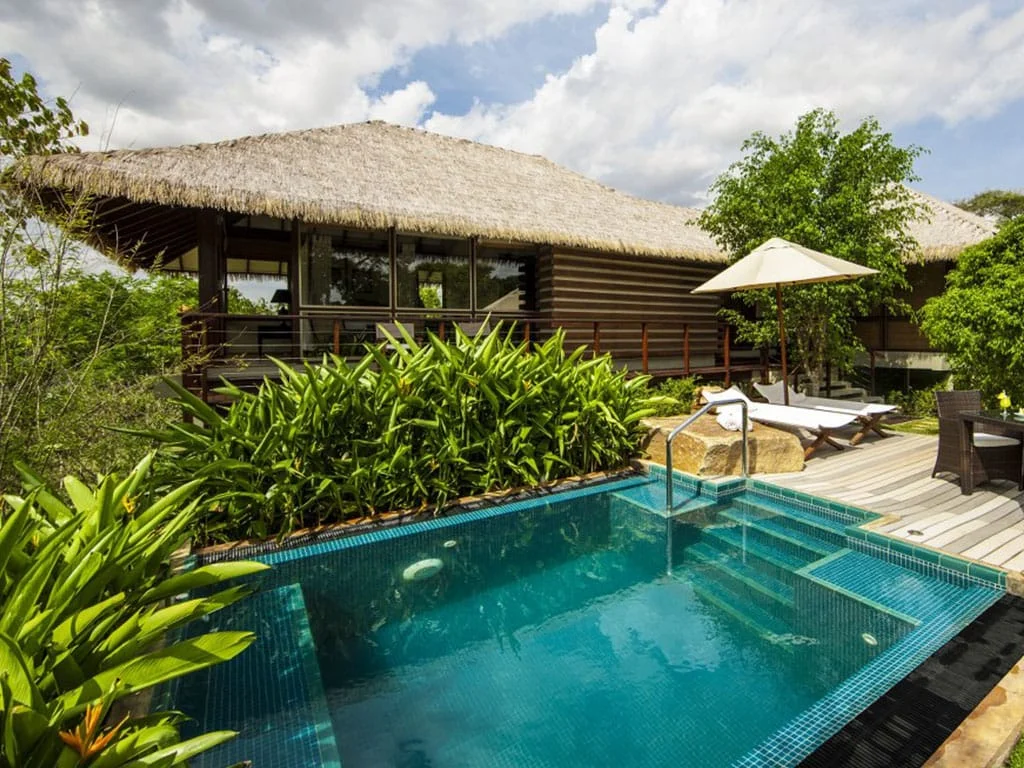
Tailor-made tours allow you to handpick every stay. If you dream of a boutique eco-lodge in the jungle, a restored colonial bungalow in tea country, or a beachfront villa with privacy, you can make that happen.
16. How far in advance should I book?
Package tours often require booking several months in advance, especially for peak seasons (December–April and July–August), to secure availability and early-bird rates.
Tailor-made tours can be arranged with shorter notice, but it is recommended to book at least 4–6 weeks in advance, particularly during high season.
17. What’s included in each type of tour?
Package tours typically include:
-
Accommodation (pre-selected hotels)
-
Meals (often breakfast and dinner)
-
Transport (group coach or minibus)
-
Sightseeing as per the itinerary
-
Professional guide
Tailor-made tours typically include:
-
Handpicked accommodation
-
Private air-conditioned vehicle
-
Dedicated English-speaking chauffeur-guide
-
Custom itinerary designed around your interests
-
24/7 local support
18. Who should choose a package tour?
Choose a package tour if you:
-
Are visiting Sri Lanka for the first time
-
Prefer a tested, proven itinerary
-
Want clarity on dates, budget, and logistics early
-
Enjoy meeting fellow travellers
-
Don’t want to spend time planning every detail
-
Appreciate the security of a structured experience
19. Who should choose a tailor-made tour?
Choose a tailor-made tour if you:
-
Have specific interests or priorities
-
Value flexibility and spontaneity
-
Want handpicked accommodation and dining choices
-
Seek authentic, off-the-beaten-path experiences
-
Prefer privacy and personalisation over group dynamics
-
Want to travel at your own pace
20. Can I combine both options?
Yes. Some travellers choose a package tour for part of their trip perhaps the classic cultural highlights and then add tailor-made days for the coastal or hill country sections. This hybrid approach offers the best of both worlds: convenience and flexibility.
Final Thoughts
Sri Lanka is especially well-suited to both approaches. A well-designed package can be elegant, well-paced, and deeply considered. A tailor-made itinerary offers the freedom to travel with time, care, and curiosity.
The question is not which is universally better, but which feels right for you. Whether you choose the ease of a package or the freedom of a tailor-made journey, Sri Lanka’s ancient kingdoms, quiet tea valleys, wild elephants, and warm hospitality await ready to welcome you on your own terms.
Book Your Adventure
Ready to experience this coastal paradise? Plan your trip with Rediscover Sri Lanka and create unforgettable memories at Hiriketiya Beach.
📩 Visit: Rediscover Sri Lanka to book now.
Contact Us Today!
Ready to plan your dream group tour in Sri Lanka? Let us help you craft the perfect itinerary for a truly magical experience.
👉 Contact Rediscover Sri Lanka now to explore our Sri Lanka group tour packages, designed for families, solo travelers, and adventure seekers alike.
Reviews and Recommendations
Don’t just take our word for it! Check out these incredible reviews from past travelers:
Tripadvisor: Read about other travelers’ experiences on Tripadvisor, where Rediscover Sri Lanka has garnered rave reviews for its safe and well-organized tours.
Trustpilot: Visit Trustpilot for more real-life testimonials from travelers who have fallen in love with Sri Lanka’s beauty and hospitality.
Contact Us Today!
Ready to plan your dream journey in Sri Lanka? Let us help you craft the perfect itinerary for a truly memorable experience.
Contact Rediscover Sri Lanka to explore our tailor-made journeys, private tours and authentic Sri Lankan experiences.
Contact UsReviews and Recommendations.
Don't just take our word for it! Check out these incredible reviews from past travelers.
Read about other travelers' experiences with Rediscover Sri Lanka and explore reviews from guests who have travelled across the island.
Read ReviewsDiscover feedback from travelers who have experienced Rediscover Journeys and explored Sri Lanka with our team.
Read ReviewsBook Your Adventure.
Ready to experience Sri Lanka beyond the usual tourist trail? Let us create a private journey around your interests, pace and travel style.
Ready to Rediscover Sri Lanka?
Plan your trip with Rediscover Sri Lanka and create unforgettable memories at some of the island's most extraordinary places.
Visit Rediscover Sri Lanka to start planning your journey.
Plan Your JourneyEverything you need to know about traveling in Sri Lanka.
Sri Lanka is a year-round destination, but the best time depends on which part of the island you plan to explore. The west and south coasts are generally best from December to April, while the east coast is ideal from May to September.
Around 7 to 14 days is a good amount of time to experience Sri Lanka's highlights without rushing. A longer journey allows more time for wildlife, beaches, cultural sites, scenic train journeys and the hill country.
Most international travellers need travel authorisation or a visa to enter Sri Lanka, depending on their nationality and purpose of travel. Travellers should check the latest requirements through official Sri Lankan government channels before travelling.
Sri Lanka is a popular destination for international travellers. As with any destination, visitors should take normal precautions, look after their belongings, use reputable transport and follow local advice.
The official currency is the Sri Lankan Rupee (LKR). Your budget depends on accommodation, transportation, dining, activities and travel style. Sri Lanka offers everything from budget-friendly experiences to premium hotels and tailor-made luxury travel.