01
Ancient wonder
The Rock
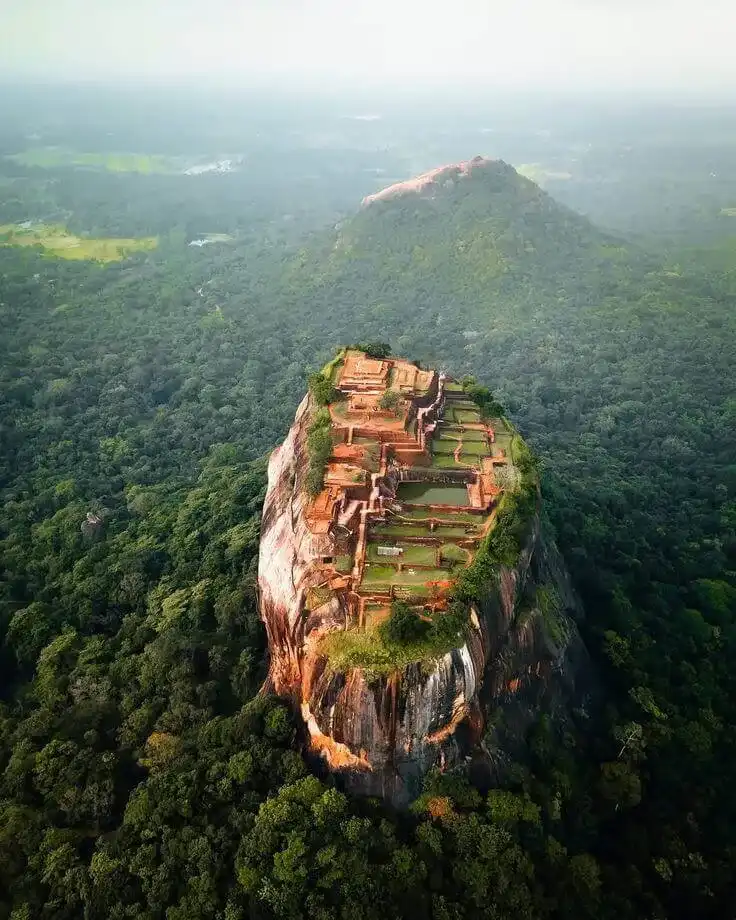
Rise above the surrounding forest and discover the remains of an ancient royal citadel built high upon the rock.
 BEGIN A CONVERSATION
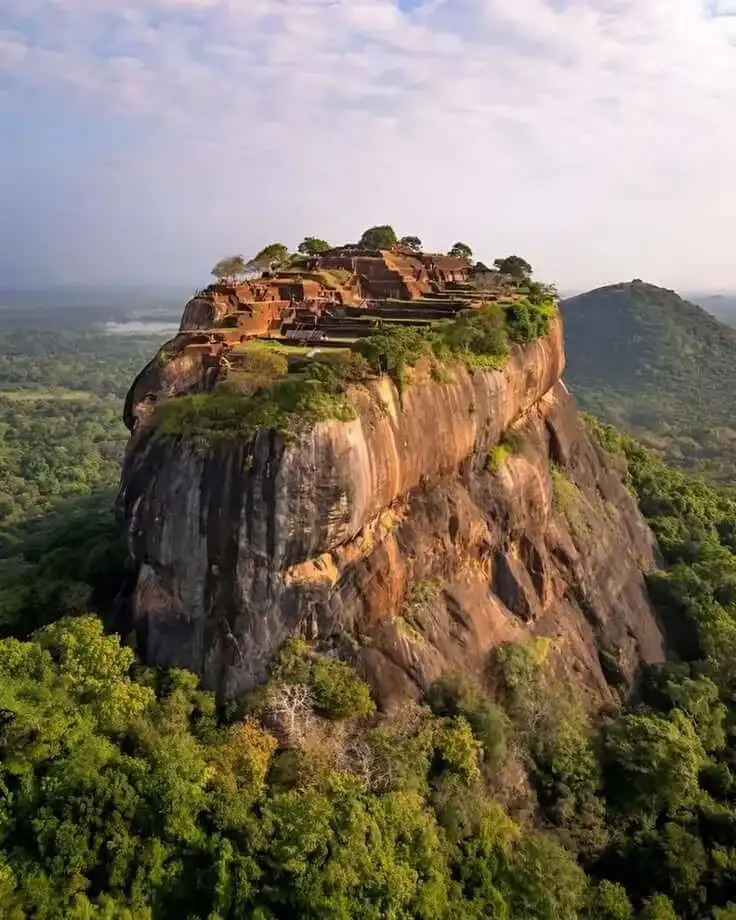
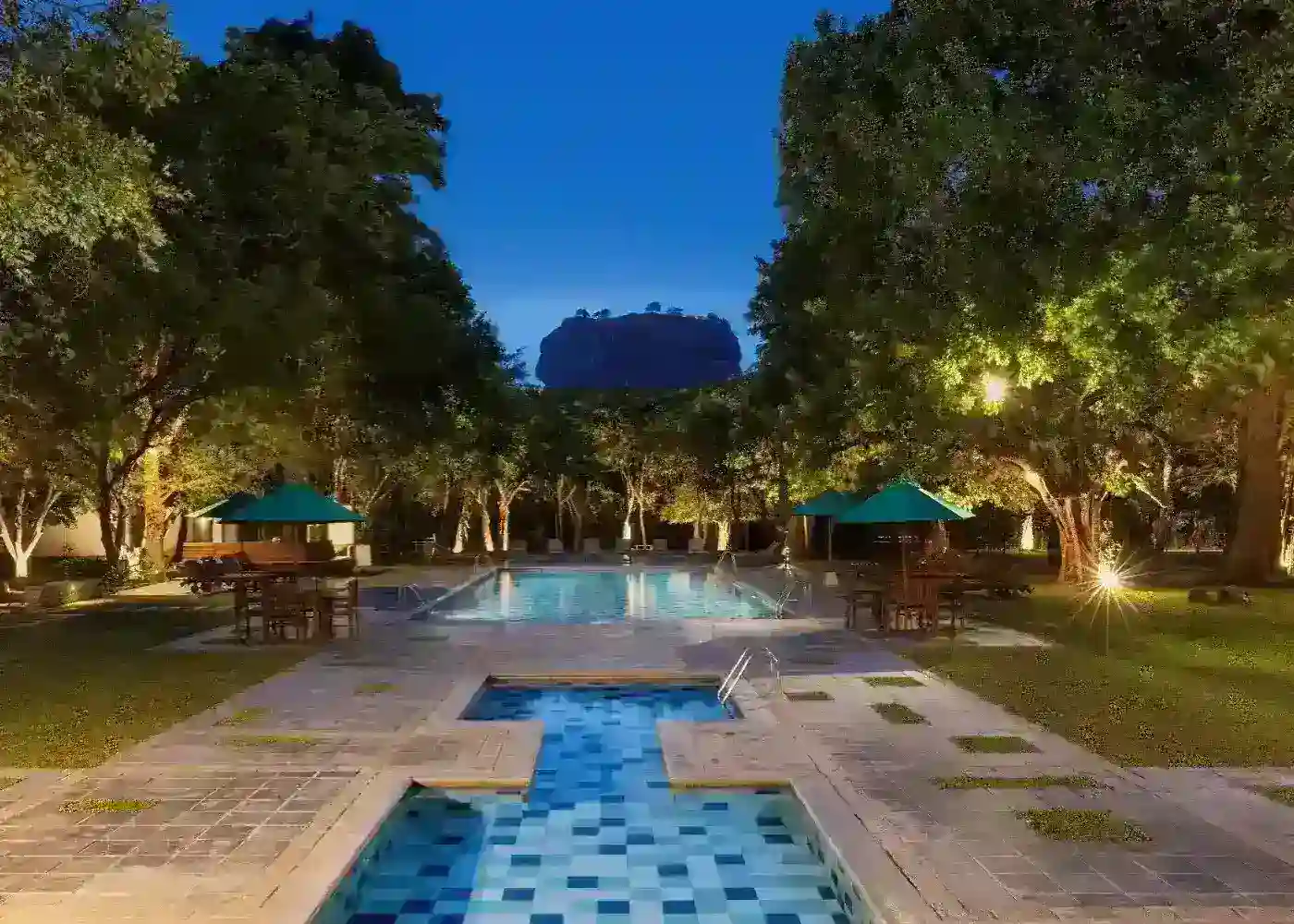
An ancient rock fortress rising dramatically from the surrounding jungle, Sigiriya is one of Sri Lanka's most extraordinary places — where history, landscape and imagination meet.
Discover Sigiriya ↓Sigiriya is a place where the physical landscape tells only part of the story. Walk through ancient gardens, climb through centuries of history and look across the forest canopy from one of Sri Lanka's most remarkable viewpoints.
Rise above the surrounding forest and discover the remains of an ancient royal citadel built high upon the rock.
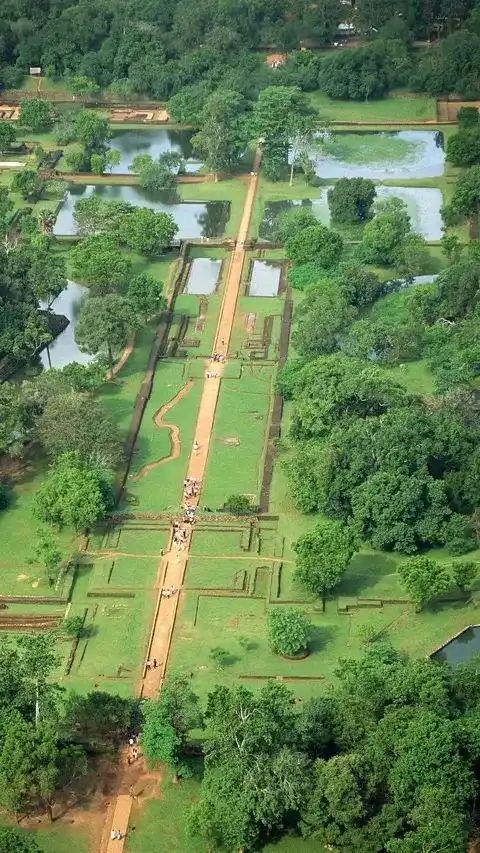
Explore symmetrical pools, ancient channels and landscaped gardens that reveal the remarkable sophistication of Sigiriya's civilisation.
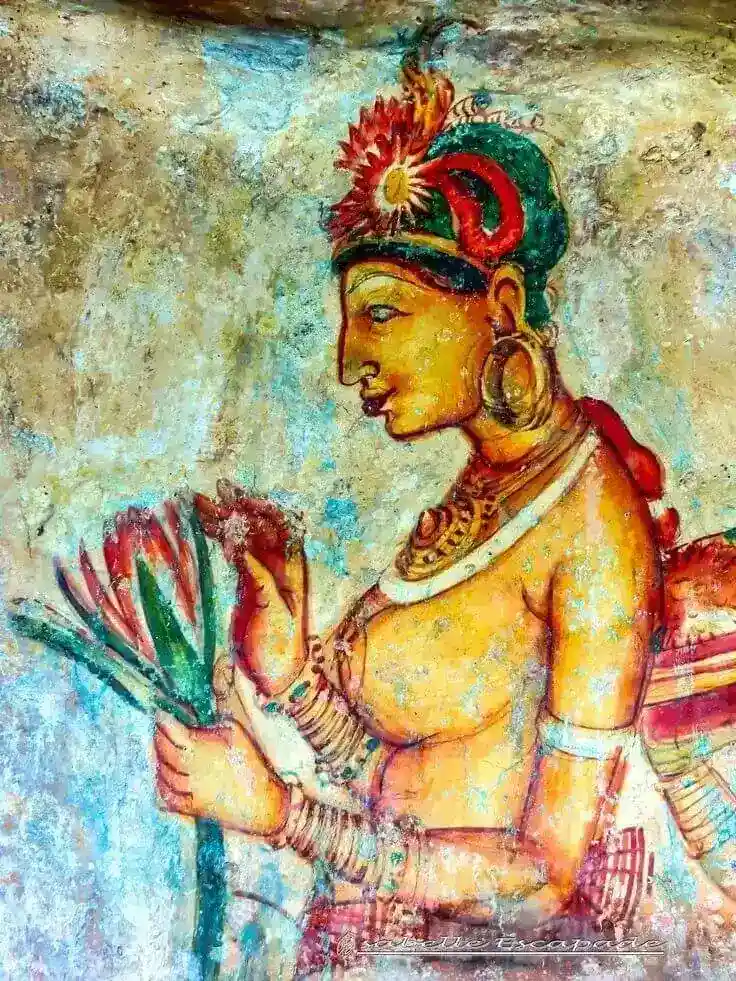
Look closely at the celebrated paintings hidden within the rock — delicate fragments of a world created more than a millennium ago.
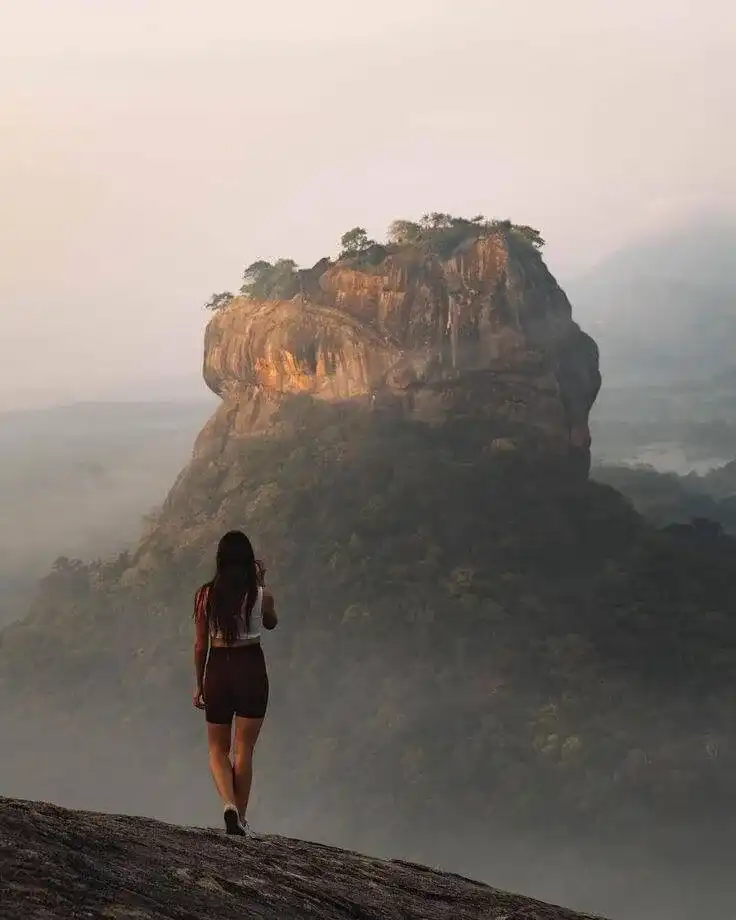
From the surrounding countryside to the distant mountains, Sigiriya reveals its scale most beautifully as the day begins or fades.
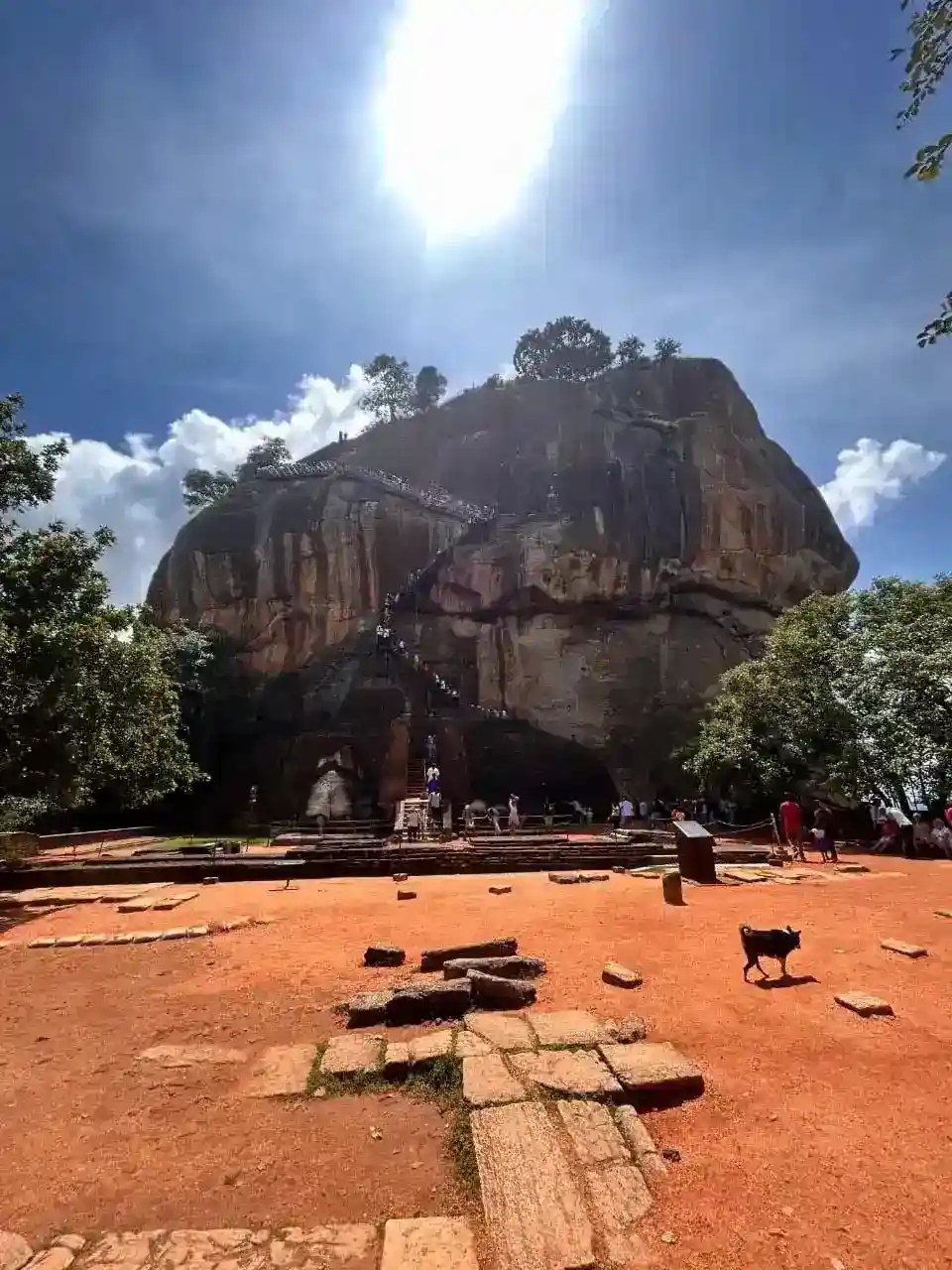
Venture beyond the rock to discover villages, reservoirs, wildlife and quiet countryside that most visitors never see.
More than fifteen centuries ago, a royal citadel was built upon this enormous column of rock. Today, its gardens, pathways, paintings and ruins remain woven into one of Sri Lanka's most unforgettable landscapes.
But Sigiriya is not simply somewhere to tick off a list. The experience changes with the light, the weather and the way you approach it. Arrive before the crowds, take your time through the gardens and stay long enough to appreciate the silence that surrounds the ancient site.
For Rediscover, Sigiriya is best experienced as part of a wider journey through the Cultural Triangle — connecting ancient kingdoms, village life, wildlife, cuisine and the landscapes between them.
The rock lies about 3.5 to 4 hours by road from the airport or Colombo, around 2.5 hours from Kandy and about 30 minutes from Dambulla or Habarana, so most travellers stay nearby for at least two nights. Entry fees for Sigiriya and the other ancient sites are on our Cultural Triangle ticket prices page.
The best memories often happen away from the obvious viewpoint. Build your time around experiences that let you see Sigiriya from different perspectives.
Start early and make the ascent while the air is cooler, the light is softer and the ancient fortress slowly emerges above the jungle. Around 1,200 steps and two to three hours at a relaxed pace, with a spiral staircase and metal stairways near the top — moderate fitness is enough.
Instead of climbing, step back into the landscape and watch Sigiriya transform as the sun drops behind the surrounding forest. A good choice if steep steps or heights aren't for you; the water gardens are on fairly level paths.
Travel beyond the archaeological site for a slower glimpse of rural life, traditional food, farming and the communities surrounding Sigiriya.
Pair Sigiriya with a wildlife safari and discover the forests, reservoirs and national parks that surround the Cultural Triangle.
Discover the flavours of Sri Lanka through village cooking, seasonal ingredients, tropical fruit and Sri Lankan dishes prepared close to where they began.
Leave the familiar route behind and discover quieter landscapes, ancient reservoirs and intimate moments that reveal another side of Sigiriya.
Sigiriya sits in Sri Lanka's dry zone and can be visited all year. January to April is the driest period, while October to December brings the heaviest rain. Whatever the season, the early morning is the best time to climb.
The most settled months, with clear views across the forest and the coolest starts in January and February. April is the hottest month, so climb at opening.
The southwest monsoon largely misses the Cultural Triangle, so days are hot and breezy. Climb early, and see the elephant Gathering at Minneriya from July to September.
The northeast monsoon brings heavy afternoon showers, especially in November and December. Mornings are often clear, the landscape is lush and the rock is quieter; steps can be slippery after rain.
Yes. Sigiriya is open every day of the year, from early morning with last entry around 5pm. We plan your visit around your travel dates, the time of day that suits you best and the wider Cultural Triangle journey you want to enjoy.
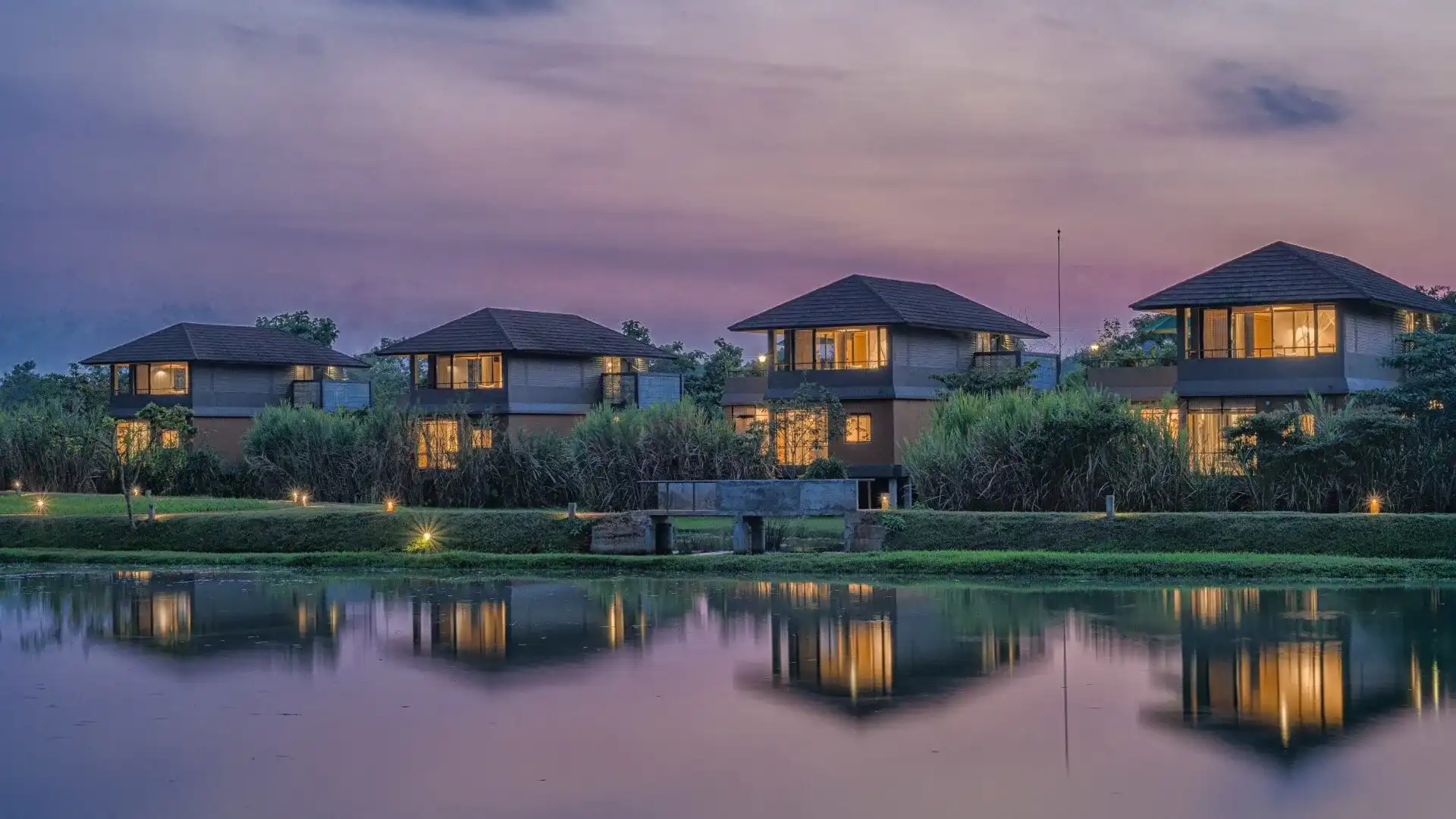
Where Soft Lights Mirror the Tide. Evening Peace by the Lake.
We plan your visit for the quietest, coolest part of the day and arrange your tickets in advance, so you climb before the crowds and the heat and have time to enjoy the site properly.
Travel with your own private vehicle and dedicated chauffeur-guide, who drops you at the entrance and waits while you explore, giving you the flexibility to make spontaneous stops and discover the Cultural Triangle on your terms.
Knowledgeable local guides bring the citadel, its gardens and its frescoes to life, so you understand what you are seeing rather than simply passing by.
Discover characterful lodges, countryside villas and thoughtfully selected retreats close to the rock, each chosen for its setting and atmosphere.
Go further than the main site with village encounters, reservoir walks, wildlife safaris and local food that reveal the wider region around Sigiriya.
From ancient cities to quiet countryside stays, every detail of your Cultural Triangle journey is shaped around your interests and the pace you prefer.
Tell us how you want to experience Sri Lanka and we'll shape the journey around you — from ancient kingdoms and wildlife to quiet stays, local encounters and unforgettable landscapes.
Curate Your Journey →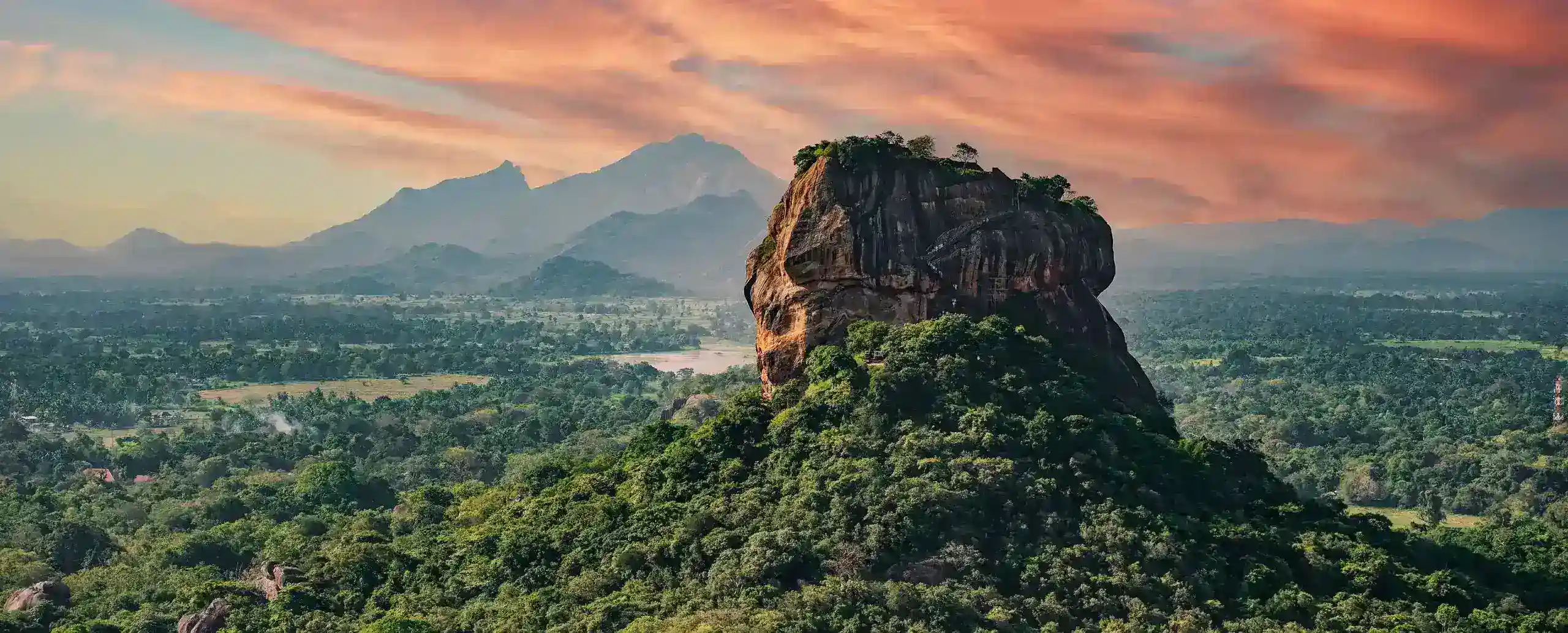
Where Monolithic Citadel Meets Sky. The Eternal Majesty of Sigiriya.
Allow around two to three hours for the full visit at a relaxed pace. That includes the water gardens, the frescoes, the Mirror Wall, the Lion’s Paw terrace and time at the summit to take in the views across the forest.
The climb involves roughly 1,200 steps, with steep sections, a narrow spiral staircase up to the frescoes and metal stairways above the Lion’s Paw. Most travellers with a moderate level of fitness manage it comfortably by taking their time and resting along the way. Starting early avoids the midday heat. Bring water, a hat and shoes with good grip, and keep voices low where signs warn of hornet nests.
Sigiriya is in the Cultural Triangle, about 3.5 to 4 hours by road from the airport or Colombo, around 2.5 hours from Kandy and about 30 minutes from Dambulla or Habarana. You travel with your own private chauffeur-guide, who drops you at the entrance and waits while you explore.
Central Cultural Fund rates from 25 June 2026 are USD 35 for foreign adults and USD 20 for a half (child) ticket, with a discount for SAARC nationals. The Sigiriya Museum is included. Tickets are sold at the entrance and can be paid in rupees or by card, and we can arrange them in advance. The site is open every day, with last entry around 5pm.
The water gardens and lower terraces are on fairly level paths, but the climb to the summit is not wheelchair accessible and can feel exposed for anyone uneasy with heights. We can plan a visit to the gardens and museum, or a view of the rock from the surrounding countryside instead.
Early morning is the most rewarding time. The air is cooler, the light is softer and there are fewer people on the rock. Late afternoon is another good option if you prefer to watch the landscape change as the sun lowers.
Sigiriya sits in Sri Lanka’s dry zone and can be visited all year. January to April is the driest and most settled period, with April the hottest month. May to September stays largely dry and hot, as the southwest monsoon mostly misses the Cultural Triangle. October to December brings the northeast monsoon, with heavy afternoon showers, lush landscapes and fewer visitors.
Sigiriya was a royal citadel built more than fifteen centuries ago on top of an enormous column of rock. Its landscaped water gardens, celebrated frescoes, Mirror Wall and the remains of the Lion Gate make it one of Sri Lanka’s most remarkable sites, and it is listed as a UNESCO World Heritage Site.
Yes. You can explore the water gardens and museum at ground level, view the rock from the surrounding countryside or take a village or reservoir excursion nearby. If you are happy with a shorter but rougher climb, neighbouring Pidurangala Rock gives a view back across to Sigiriya, especially beautiful at sunrise and sunset.
Sigiriya pairs naturally with the Dambulla cave temples, the ancient cities of Polonnaruwa and Anuradhapura, village experiences and elephant safaris in nearby Minneriya and Kaudulla national parks, where the elephant Gathering is at its best from July to September. We design the route so each day feels unhurried.
Contact us with your travel dates, approximate trip length, interests and how you would like to experience Sigiriya and the Cultural Triangle. Our team will create a personalised proposal shaped around your preferences and pace.