Everything You Need to Know About Sri Lanka Q&A 2026 | Complete Guide to Travel, Culture & Wildlife
Sri Lanka Q&A: Your Complete Guide to the Island of Endless Discoveries Sri Lanka is an island of remarkable contrasts. Ancient kingdoms, sacred cities, tropical forests, mist-covered mountains and long golden coastlines all exist within a remarkably compact landscape. Formerly known as Ceylon, the island has a history stretching back more than 2,500 years. Whether […]
Sri Lanka Q&A: Your Complete Guide to the Island of Endless Discoveries
Sri Lanka is an island of remarkable contrasts. Ancient kingdoms, sacred cities, tropical forests, mist-covered mountains and long golden coastlines all exist within a remarkably compact landscape. Formerly known as Ceylon, the island has a history stretching back more than 2,500 years.
Whether you’re planning your first trip or returning for a deeper exploration, this Q&A guide answers the most common questions about Sri Lanka — from travel practicalities to culture, wildlife, and the island’s extraordinary diversity.
Part 1: Sri Lanka Basics
What is Sri Lanka known for?
Sri Lanka is known for its extraordinary diversity. The island offers:
-
8 UNESCO World Heritage Sites — six cultural and two natural
-
15 National Parks — home to elephants, leopards, sloth bears, and endemic birds
-
350 waterfalls — from dramatic mountain cascades to hidden rainforest falls
-
1,340 kilometres of coastline — tropical beaches, fishing villages, surf breaks, and lagoons
-
2,500+ years of history — a living cultural landscape shaped by ancient kingdoms, religions, and traditions
-
Ceylon tea — one of the world’s most famous teas
-
Warm hospitality — Sri Lankans are genuinely welcoming to visitors
Where is Sri Lanka located?
Sri Lanka is an island nation in the Indian Ocean, located off the southern coast of India. It sits between latitudes 5° and 10°N, and longitudes 79° and 82°E.
What is the capital of Sri Lanka?
Sri Lanka has two capitals:
-
Sri Jayawardenepura Kotte — the administrative capital
-
Colombo — the commercial capital and largest city
What language is spoken in Sri Lanka?
Sri Lanka has three official languages:
-
Sinhala — spoken by the majority Sinhalese population
-
Tamil — spoken by the Tamil population
-
English — widely spoken in tourism and business
What is the currency of Sri Lanka?
The local currency is the Sri Lankan Rupee (LKR). Cards are widely accepted in established hotels and businesses, while cash remains useful elsewhere.
What is the population of Sri Lanka?
Sri Lanka has a population of approximately 22 million people.
What is the national animal of Sri Lanka?
Sri Lanka does not officially designate a national animal. The Sri Lankan elephant, however, is one of the island’s most recognised natural and cultural symbols.
What is the national bird of Sri Lanka?
The Sri Lanka Junglefowl is the national bird. Endemic to Sri Lanka, the colourful junglefowl is officially recognised as the country’s national bird.
What is the national flower of Sri Lanka?
The Blue Water Lily (known locally as Nil Mahanel) is the national flower. It was declared Sri Lanka’s national flower in 1986.
What is the national tree of Sri Lanka?
The Na Tree (Mesua ferrea) is recognised as Sri Lanka’s national tree and is closely associated with the island’s natural heritage.
Part 2: Sri Lanka at a Glance
How many UNESCO World Heritage Sites are in Sri Lanka?
Sri Lanka has eight UNESCO World Heritage Sites — six cultural and two natural.
Cultural Sites:
-
Ancient City of Anuradhapura
-
Ancient City of Polonnaruwa
-
Ancient City of Sigiriya
-
Sacred City of Kandy
-
Old Town of Galle & Fortifications
-
Rangiri Dambulla Cave Temple
Natural Sites:
-
Sinharaja Forest Reserve
-
Central Highlands of Sri Lanka
How many national parks are in Sri Lanka?
Sri Lanka has 15 national parks. These protected landscapes offer encounters with elephants, leopards, sloth bears, and endemic birds.
How many waterfalls are in Sri Lanka?
Sri Lanka has approximately 350 waterfalls — from dramatic mountain cascades to hidden rainforest falls. The highest is Bambarakanda Falls at 263 metres.
How long is Sri Lanka’s coastline?
Sri Lanka has 1,340 kilometres of coastline — tropical beaches, fishing villages, surf breaks, lagoons, and oceanfront towns.
What is the highest peak in Sri Lanka?
Pidurutalagala rises to 2,524 metres above sea level, making it the highest peak in Sri Lanka.
How many water bodies are in Sri Lanka?
Sri Lanka has over 25,000 water bodies — ancient tanks, reservoirs, lakes, and other water bodies that shape the island’s landscape.
How old is Sri Lanka’s history?
Sri Lanka has a history stretching back more than 2,500 years. It is a living cultural landscape shaped by ancient kingdoms, religions, and traditions.
Part 3: Weather and Best Time to Visit
What is the best time to visit Sri Lanka?
The best time to visit Sri Lanka is December to March for the south and west coasts, and May to September for the east coast. For a round-island tour, April and October are ideal.
Sri Lanka has two monsoon systems, which means some part of the island is always in season.
| Region | Best Time | Weather |
|---|---|---|
| South & West Coast | December – March | Dry, sunny |
| East Coast | May – September | Dry, sunny |
| Cultural Triangle | Year-round | Dry, hot |
| Hill Country | Year-round | Cooler, mist possible |
| Yala National Park | February – June | Best wildlife viewing |
What is the weather like in Sri Lanka?
Weather varies by region and season. The south and west, east coast, and central highlands can experience different conditions at the same time. Generally:
-
Coastal areas: 26–31°C (79–88°F)
-
Cultural Triangle: 24–30°C (75–86°F)
-
Hill Country: 15–24°C (59–75°F)
-
Nuwara Eliya: 10–20°C (50–68°F)
Does it rain all day in Sri Lanka?
No — rain typically comes in short, intense bursts, often in the afternoon or evening. Mornings are often bright and clear.
Part 4: Travel Practicalities
Do I need a visa for Sri Lanka?
Yes — all visitors need an ETA (Electronic Travel Authorisation) . Since May 2026, the fee has been waived for travellers from 40 countries, but you must still apply online before departure.
Key details:
-
Visa type: Electronic Travel Authorisation (ETA)
-
Cost: Free for eligible nationalities
-
Duration: 30 days, double-entry
-
Application: Online, before departure
-
Passport validity: At least 6 months from entry
How do I get to Sri Lanka?
Sri Lanka is well-connected by air. Bandaranaike International Airport (CMB) near Colombo is the main international gateway.
Airlines serving Sri Lanka:
-
SriLankan Airlines (national carrier)
-
Emirates
-
Qatar Airways
-
Singapore Airlines
-
Malaysia Airlines
-
Etihad Airways
How do I get around Sri Lanka?
Transport options:
-
Private chauffeur-guide — the most comfortable and flexible option
-
Trains — scenic, especially Kandy to Ella
-
Buses — cheap but crowded
-
Tuk-tuks — great for short distances in towns
Note: Sri Lanka is compact, but mountain roads, coastal routes, and rural journeys can take longer than the distance on a map suggests.
What should I pack for Sri Lanka?
-
Lightweight, breathable clothing
-
Modest attire for temple visits
-
Sweater or light jacket for hill country
-
Comfortable walking shoes
-
Sunscreen, hat, sunglasses
-
Insect repellent
-
Reusable water bottle
-
Universal adapter (UK-style plugs)
Is Sri Lanka safe for tourists?
Yes — Sri Lanka is generally safe for tourists. Take standard precautions: secure valuables, avoid night driving outside cities, and check travel advisories.
Emergency numbers:
-
Police Emergency: 119
-
Fire & Rescue: 110
-
Suwa Seriya Ambulance: 1990
-
Tourism Hotline: 1912
-
Disaster Management: 117
-
Tourist Police: 011 242 1052
Part 5: Culture and Etiquette
What is temple etiquette in Sri Lanka?
When visiting temples and religious sites:
-
Dress respectfully — shoulders and knees should generally be covered
-
Remove shoes and hats before entering sacred areas
-
Don’t turn your back on Buddha statues for photos
-
Don’t point your feet at people or religious icons
What is the main religion in Sri Lanka?
Sri Lanka is predominantly Buddhist (approximately 70%). Other religions include Hinduism, Islam, and Christianity.
What are the key festivals in Sri Lanka?
-
Thai Pongal (January) — Tamil harvest festival
-
Duruthu Full Moon Poya (January)
-
Sinhala & Tamil New Year (April)
-
Vesak (May) — Buddha’s birthday
-
Esala Perahera (July/August) — Kandy’s grand procession
-
Deepavali (October/November) — Hindu festival of lights
What languages are spoken in Sri Lanka?
Sinhala, Tamil, and English are the official languages. English is widely spoken in tourism and business.
What is the local food like in Sri Lanka?
Sri Lankan cuisine is bold, flavourful, and spicy. Must-try dishes include:
-
Rice and curry — the staple
-
Hoppers — bowl-shaped pancakes
-
Kottu roti — chopped flatbread stir-fry
-
Lamprais — rice and meats wrapped in banana leaf
-
Fresh seafood — grilled fish, prawns, crab
Can I drink tap water in Sri Lanka?
No — stick to bottled water. Avoid ice in drinks from street vendors.
Part 6: Wildlife and Nature
What wildlife can I see in Sri Lanka?
Sri Lanka is a biodiversity hotspot. You can see:
-
Sri Lankan elephants — in national parks
-
Leopards — highest density in Yala National Park
-
Sloth bears — in Yala and Wilpattu
-
Blue whales — off Mirissa (November–April)
-
Sea turtles — on the south coast
-
Over 400 bird species — including 26 endemics
Where can I see elephants in Sri Lanka?
The best parks for elephants:
-
Udawalawe National Park — reliable year-round sightings
-
Minneriya National Park — “The Gathering” (July–September)
-
Kaudulla National Park — elephant gatherings
-
Maduru Oya National Park — alternative to Yala
Where can I see leopards in Sri Lanka?
The best parks for leopards:
-
Yala National Park — highest leopard density in the world
-
Wilpattu National Park — quieter alternative
Note: Yala Blocks 1 and 2 are temporarily closed from September 14 to October 15, 2026. Alternatives include Udawalawe, Wilpattu, and Maduru Oya.
Can I go whale watching in Sri Lanka?
Yes — Mirissa (November–April) and Trincomalee (May–September) are the best places for whale watching. Blue whales, sperm whales, and dolphins are commonly seen.
What is the best national park in Sri Lanka?
The best national park depends on what you want to see:
-
Yala — leopards
-
Udawalawe — elephants
-
Wilpattu — leopards, sloth bears, quieter experience
-
Minneriya — The Gathering (elephants)
-
Gal Oya — swimming elephants, boat safaris
Part 7: Destinations
What are the best places to visit in Sri Lanka?
Top destinations include:
-
Sigiriya — ancient rock fortress (UNESCO)
-
Kandy — Temple of the Tooth (UNESCO)
-
Ella — hill country, tea plantations, Nine Arches Bridge
-
Galle — colonial fort (UNESCO)
-
Yala — wildlife safari
-
Mirissa — beaches, whale watching
-
Nuwara Eliya — tea country, “Little England”
-
Colombo — capital city, culture, dining
-
Negombo — close to airport, beaches
-
Trincomalee — east coast beaches
-
Jaffna — northern culture, Tamil heritage
What is Sigiriya?
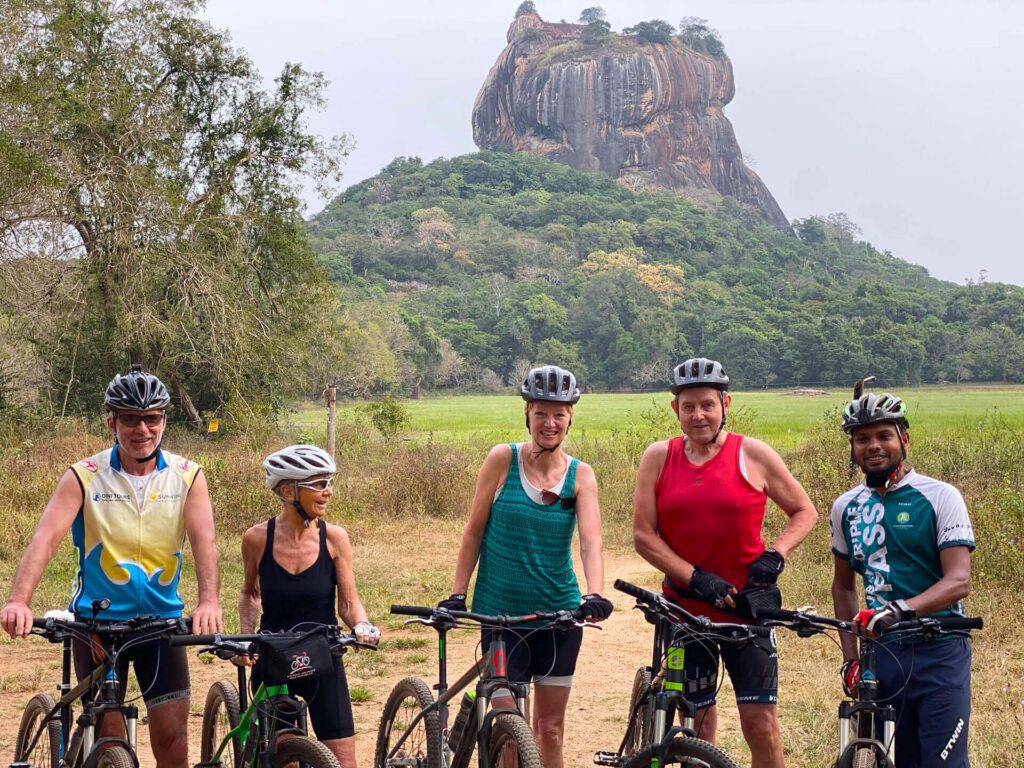
Sigiriya is a 5th-century rock fortress and UNESCO World Heritage Site. It features water gardens, frescoes, and a dramatic climb to the summit with panoramic views.
What is the Temple of the Tooth?
The Temple of the Tooth in Kandy is Sri Lanka’s most sacred Buddhist site, housing a relic of the Buddha’s tooth. Visit during evening puja for the full experience.
What is the Kandy to Ella train journey?
The Kandy to Ella train journey is one of the world’s most beautiful rail experiences. It passes through tea plantations, misty mountains, and the iconic Nine Arches Bridge.
What is Galle Fort?
Galle Fort is a UNESCO World Heritage Site — a 17th-century Dutch fort with boutique shops, restaurants, and ocean views.
What is the best beach in Sri Lanka?
The best beach depends on the season:
-
South Coast (December–March): Mirissa, Unawatuna, Weligama, Tangalle
-
East Coast (May–September): Trincomalee, Arugam Bay, Pasikuda
-
West Coast (December–March): Bentota, Hikkaduwa, Negombo
Part 8: Money and Budget
What is the currency in Sri Lanka?
The local currency is the Sri Lankan Rupee (LKR) .
Can I use credit cards in Sri Lanka?
Cards are widely accepted in established hotels and businesses. Cash remains useful elsewhere — especially at local markets, small restaurants, and for tips.
How much should I tip in Sri Lanka?
Tipping is appreciated but not mandatory. As a guide:
-
Restaurants: 10% if service charge isn’t included
-
Guides: $5–10 per day
-
Drivers: $3–5 per day
-
Hotel staff: $1–2 per bag
Is Sri Lanka expensive?
Sri Lanka offers excellent value compared to many destinations. Your budget goes further, allowing you to stay in better properties and enjoy more experiences.
Part 9: Connectivity and Practicalities
Is there mobile coverage in Sri Lanka?
Mobile coverage is generally good around towns and major routes. Coverage can become limited in remote mountain and wildlife areas.
What is the electricity voltage in Sri Lanka?
Sri Lanka uses 230V, 50Hz. Plugs are UK-style (three-pin). Bring a universal adapter.
What is the time zone in Sri Lanka?
Sri Lanka is in the India Standard Time (IST) zone — UTC+5:30.
What is the emergency number in Sri Lanka?
-
Police Emergency: 119
-
Fire & Rescue: 110
-
Suwa Seriya Ambulance: 1990
-
Tourism Hotline: 1912
-
Disaster Management: 117
-
Tourist Police: 011 242 1052
Frequently Asked Questions
What is Sri Lanka known for?
Sri Lanka is known for its extraordinary diversity: 8 UNESCO World Heritage Sites, 15 national parks, 350 waterfalls, 1,340 kilometres of coastline, 2,500+ years of history, and Ceylon tea.
Where is Sri Lanka?
Sri Lanka is an island nation in the Indian Ocean, off the southern coast of India.
What is the capital of Sri Lanka?
Sri Jayawardenepura Kotte is the administrative capital. Colombo is the commercial capital and largest city.
What language is spoken in Sri Lanka?
Sinhala, Tamil, and English are the official languages. English is widely spoken in tourism and business.
What is the currency of Sri Lanka?
The Sri Lankan Rupee (LKR) is the local currency.
What is the best time to visit Sri Lanka?
December to March is best for the south and west coasts. May to September is best for the east coast. April and October are ideal for round-island tours.
Do I need a visa for Sri Lanka?
Yes — all visitors need an ETA (Electronic Travel Authorisation). Since May 2026, the fee has been waived for travellers from 40 countries, but you must still apply online before departure.
Is Sri Lanka safe for tourists?
Yes — Sri Lanka is generally safe for tourists. Take standard precautions and check travel advisories.
What should I pack for Sri Lanka?
Lightweight clothing, modest attire for temples, a sweater for hill country, comfortable shoes, sunscreen, insect repellent, and a reusable water bottle.
What wildlife can I see in Sri Lanka?
Elephants, leopards, sloth bears, blue whales, sea turtles, and over 400 bird species.
What are the best places to visit in Sri Lanka?
Sigiriya, Kandy, Ella, Galle, Yala, Mirissa, Nuwara Eliya, Colombo, Negombo, Trincomalee, and Jaffna.
What is temple etiquette in Sri Lanka?
Dress respectfully — shoulders and knees covered. Remove shoes and hats before entering sacred areas. Don’t turn your back on Buddha statues for photos.
What is the national animal of Sri Lanka?
Sri Lanka does not officially designate a national animal. The Sri Lankan elephant is one of the island’s most recognised symbols.
What is the national bird of Sri Lanka?
The Sri Lanka Junglefowl is the national bird.
What is the national flower of Sri Lanka?
The Blue Water Lily (Nil Mahanel) is the national flower.
How many UNESCO sites are in Sri Lanka?
Sri Lanka has 8 UNESCO World Heritage Sites — 6 cultural and 2 natural.
Discover Sri Lanka with Rediscover Journeys
Sri Lanka is an island of endless discoveries. From ancient kingdoms and mist-covered mountains to golden beaches and vibrant coastal towns, every region has its own rhythm, traditions, and character.
Ready to explore Sri Lanka your way? Contact our local experts to design a bespoke journey that reflects your interests and pace.
Explore Sri Lanka: https://rediscoversrilanka.com/srilanka/
-
🌐 Website: rediscoversrilanka.com
-
💬 WhatsApp: +94 77 791 1276
-
📧 Email: [email protected]
Rediscover Journeys — Boutique Sri Lanka Tour Operator & Travel Agency
Trustpilot 4.9/5 (192 reviews) | TripAdvisor Travellers’ Choice 2025 | SLTDA-licensed
35+ years collective Sri Lanka expertise | Private chauffeur-guide | Tailor-made journeys
Contact Us Today!
Ready to plan your dream journey in Sri Lanka? Let us help you craft the perfect itinerary for a truly memorable experience.
Contact Rediscover Sri Lanka to explore our tailor-made journeys, private tours and authentic Sri Lankan experiences.
Contact UsReviews and Recommendations.
Don't just take our word for it! Check out these incredible reviews from past travelers.
Read about other travelers' experiences with Rediscover Sri Lanka and explore reviews from guests who have travelled across the island.
Read ReviewsDiscover feedback from travelers who have experienced Rediscover Journeys and explored Sri Lanka with our team.
Read ReviewsBook Your Adventure.
Ready to experience Sri Lanka beyond the usual tourist trail? Let us create a private journey around your interests, pace and travel style.
Ready to Rediscover Sri Lanka?
Plan your trip with Rediscover Sri Lanka and create unforgettable memories at some of the island's most extraordinary places.
Visit Rediscover Sri Lanka to start planning your journey.
Plan Your JourneyEverything you need to know about traveling in Sri Lanka.
Sri Lanka is a year-round destination, but the best time depends on which part of the island you plan to explore. The west and south coasts are generally best from December to April, while the east coast is ideal from May to September.
Around 7 to 14 days is a good amount of time to experience Sri Lanka's highlights without rushing. A longer journey allows more time for wildlife, beaches, cultural sites, scenic train journeys and the hill country.
Most international travellers need travel authorisation or a visa to enter Sri Lanka, depending on their nationality and purpose of travel. Travellers should check the latest requirements through official Sri Lankan government channels before travelling.
Sri Lanka is a popular destination for international travellers. As with any destination, visitors should take normal precautions, look after their belongings, use reputable transport and follow local advice.
The official currency is the Sri Lankan Rupee (LKR). Your budget depends on accommodation, transportation, dining, activities and travel style. Sri Lanka offers everything from budget-friendly experiences to premium hotels and tailor-made luxury travel.