Everything You Need to Know About Sigiriya Rock Sri Lanka 2026 | Complete Guide to the Ancient Fortress
Sigiriya Rock, Sri Lanka: The Complete Guide to the Ancient Rock Fortress Sigiriya Rock is Sri Lanka’s most iconic landmark — and one of the most dramatic archaeological sites in Asia. Rising 200 metres from the surrounding jungle, this ancient rock fortress was built in the 5th century by King Kashyapa as a sky palace. […]
Sigiriya Rock, Sri Lanka: The Complete Guide to the Ancient Rock Fortress
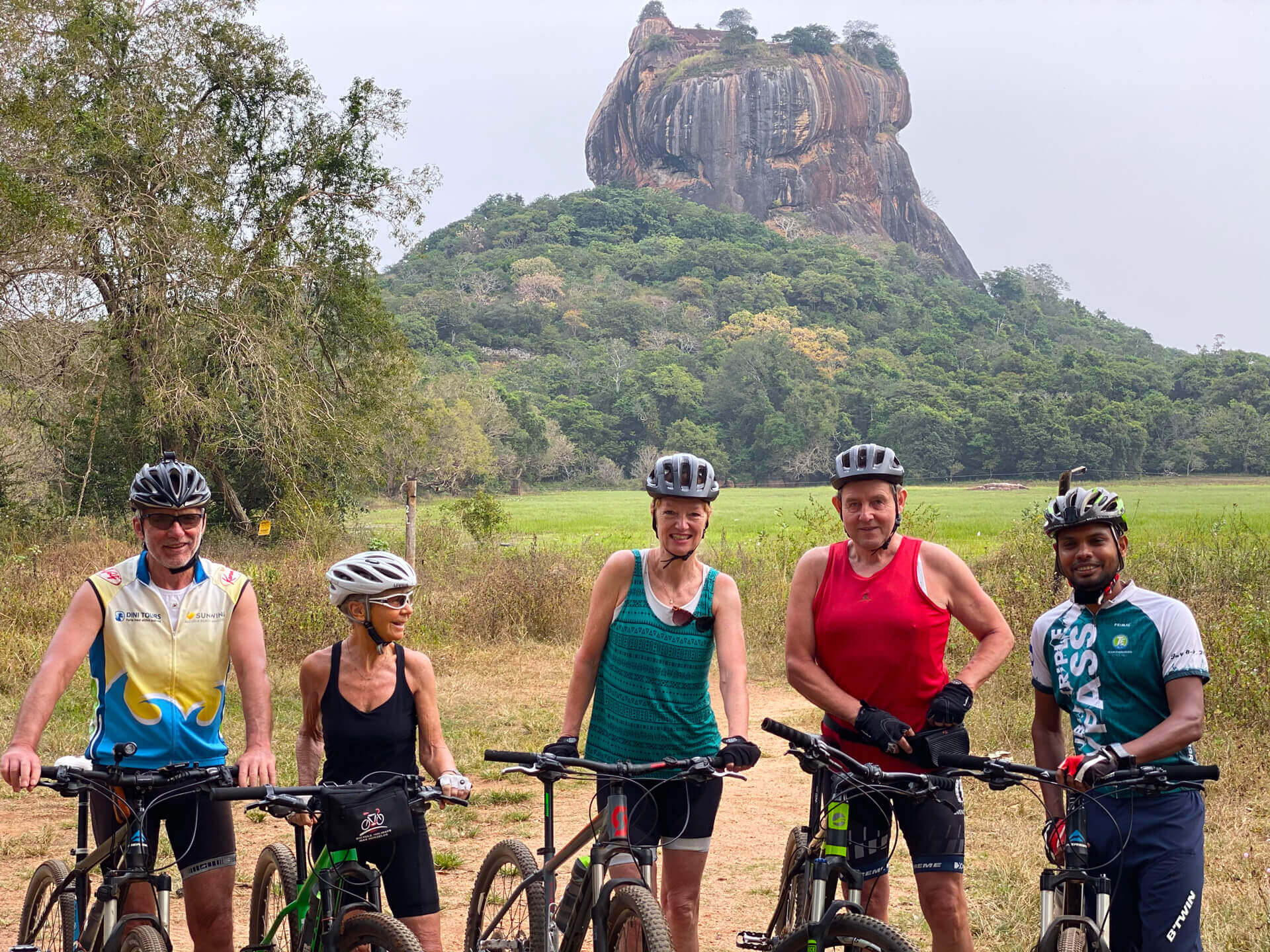
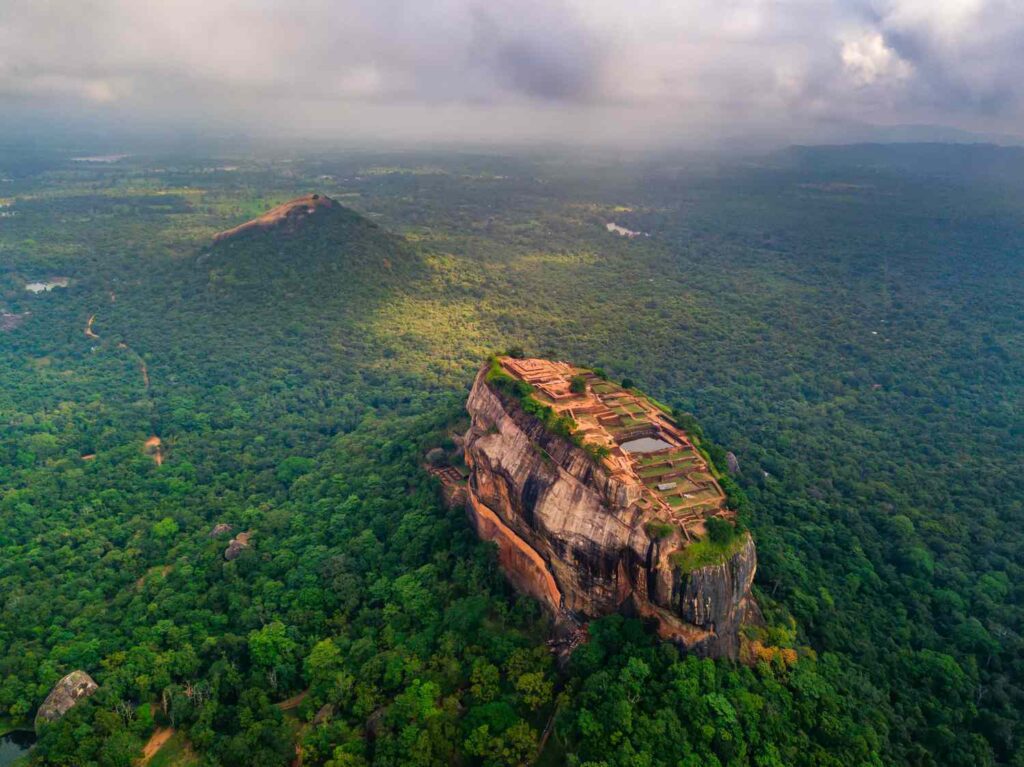
Sigiriya Rock is Sri Lanka’s most iconic landmark — and one of the most dramatic archaeological sites in Asia. Rising 200 metres from the surrounding jungle, this ancient rock fortress was built in the 5th century by King Kashyapa as a sky palace. Today, it is a UNESCO World Heritage Site and the single most visited cultural attraction in Sri Lanka.
But Sigiriya is more than a rock. It is a masterpiece of ancient engineering, art, and urban planning — featuring water gardens, frescoes, mirror walls, and a palace complex that has fascinated travellers for centuries.
This guide covers everything you need to know about visiting Sigiriya Rock, Sri Lanka — the history, the climb, the highlights, tickets, and practical tips.
What Is Sigiriya Rock?
Sigiriya Rock is a 5th-century rock fortress and UNESCO World Heritage Site in Sri Lanka’s Cultural Triangle. It was built by King Kashyapa (477–495 AD) as a royal citadel, featuring water gardens, frescoes, mirror walls, and a palace complex on the summit.
Key facts:
| Detail | Information |
|---|---|
| Location | Cultural Triangle, Central Province, Sri Lanka |
| Built | 5th century AD (477–495 AD) |
| Builder | King Kashyapa |
| Height | 200 metres (349 metres above sea level) |
| Steps | Approximately 1,200 |
| UNESCO Status | World Heritage Site (1982) |
| Best Time | Early morning (7 AM) or late afternoon (4 PM) |
| Duration | 2–3 hours |
The History of Sigiriya
The Legend of King Kashyapa
The story of Sigiriya begins with a royal feud. King Dhatusena had two sons: Moggallana, the rightful heir, and Kashyapa, his son by a lesser queen. When Kashyapa seized the throne and imprisoned his father, Moggallana fled to India.
Fearing revenge, Kashyapa built his palace on top of Sigiriya Rock — an impregnable fortress surrounded by moats, walls, and water gardens. He ruled from this sky palace for 18 years.
The Fall of Sigiriya
In 495 AD, Moggallana returned with an army. According to legend, Kashyapa’s war elephant turned aside during battle, and his troops deserted him. Rather than be captured, Kashyapa took his own life.
Moggallana moved the capital back to Anuradhapura, and Sigiriya became a Buddhist monastery. It was abandoned in the 14th century and forgotten by history until the 19th century.
Rediscovery
In 1831, British army officer Jonathan Forbes rediscovered Sigiriya. In 1890, archaeologist H.C.P. Bell began excavations. Sigiriya was declared a UNESCO World Heritage Site in 1982.
What to See at Sigiriya Rock
1. The Water Gardens
At the base of Sigiriya, you’ll find the water gardens — one of the oldest landscaped gardens in the world. They feature symmetrical pools, fountains, and water channels that still function today during the rainy season.
What to see:
-
Symmetrical water pools
-
Ancient fountains (still working)
-
Summer palaces foundations
-
Boulder gardens
2. The Boulder Gardens
The boulder gardens are a series of massive rocks that once formed the base of the royal pleasure gardens. Some rocks have been shaped into pavilions and throne rooms.
What to see:
-
Natural boulders
-
Ancient pavilions
-
Rock-cut seats and platforms
3. The Sigiriya Frescoes
The Sigiriya frescoes are the most famous feature of the rock — 5th-century paintings of celestial maidens (apsaras) that decorate a sheltered gallery on the western face of the rock.
What to see:
-
22 surviving frescoes (originally hundreds)
-
Celestial maidens (apsaras)
-
Vibrant colours and intricate detail
Note: Photography is not allowed in the fresco gallery.
4. The Mirror Wall
The Mirror Wall (Ketapat Pavura) is a highly polished wall that was originally so reflective that the king could see his reflection. Today, it is covered in ancient graffiti — poems and comments left by visitors over 1,000 years ago.
What to see:
-
Ancient graffiti (8th–10th century)
-
Highly polished surface
-
Historic visitor comments
5. The Lion’s Paws
The Lion’s Paws are the remains of a massive brick lion that once guarded the entrance to the summit. Visitors would walk through the lion’s mouth to reach the palace.
What to see:
-
Massive stone paws
-
Remains of the lion structure
-
The final staircase to the summit
Note: The lion was destroyed centuries ago. Only the paws remain.
6. The Summit Palace
The summit palace is the culmination of the climb — the ruins of King Kashyapa’s royal citadel, spread across 1.6 hectares.
What to see:
-
Royal palace foundations
-
Audience hall
-
Swimming pool
-
Throne
-
Panoramic views for miles
Climbing Sigiriya Rock
How Hard Is the Climb?
The climb involves approximately 1,200 steps and takes 1.5 to 2 hours round-trip. The path is a mix of stairs, walkways, and metal staircases.
Difficulty: Moderate. If you can climb several flights of stairs, you can climb Sigiriya.
The Route
-
Entrance — buy tickets and pass through the gate
-
Water Gardens — walk through the symmetrical gardens
-
Boulder Gardens — pass through the boulder gardens
-
Fresco Gallery — climb the spiral staircase to see the frescoes
-
Mirror Wall — walk along the mirror wall
-
Lion’s Paws — climb to the lion’s paws
-
Summit — final staircase to the palace
How Long Does It Take?
| Section | Time |
|---|---|
| Entrance to Water Gardens | 10 minutes |
| Water Gardens to Boulder Gardens | 10 minutes |
| Boulder Gardens to Frescoes | 15 minutes |
| Frescoes to Mirror Wall | 10 minutes |
| Mirror Wall to Lion’s Paws | 15 minutes |
| Lion’s Paws to Summit | 20 minutes |
| Total (one way) | ~1 hour 20 minutes |
| Round-trip | ~2 hours |
Allow extra time for photos, rest, and crowds.
Best Time to Climb
| Time | Pros | Cons |
|---|---|---|
| 7 AM – 9 AM | Cool, fewer crowds, best light | Early start |
| 9 AM – 11 AM | Good light | Hot, crowded |
| 11 AM – 3 PM | — | Very hot, crowded |
| 3 PM – 5 PM | Cooler, golden light | Crowded |
Our recommendation: Climb at 7 AM for the best experience — cool temperatures, fewer crowds, and beautiful morning light.
Sigiriya Tickets and Practical Information
Ticket Prices
| Category | Price (USD) |
|---|---|
| Foreign Adult | $36 |
| Foreign Child (6–12) | $18 |
| SAARC Adult | $20 |
| SAARC Child | $10 |
| Local Adult | LKR 100 |
| Local Child | LKR 50 |
Note: Prices are subject to change. Check the official Sigiriya website for current rates.
Opening Hours
Daily: 7:00 AM – 5:30 PM (last entry at 5:00 PM)
What to Bring
-
Water — at least 1 litre per person
-
Comfortable shoes — with good grip
-
Sun protection — hat, sunscreen, sunglasses
-
Camera — for the views (not in fresco gallery)
-
Light clothing — it gets hot
What NOT to Bring
-
Drones — not permitted without special permission
-
Tripods — not permitted in the fresco gallery
-
Large bags — can be stored at the entrance
Sigiriya vs Pidurangala: Which Should You Climb?
Nearby Pidurangala Rock offers an alternative view of Sigiriya — and some travellers prefer it.
| Feature | Sigiriya | Pidurangala |
|---|---|---|
| UNESCO Status | Yes | No |
| Historical Significance | Ancient palace | Buddhist monastery |
| Difficulty | Moderate (1,200 steps) | Moderate (steep, rocky) |
| Time | 2 hours | 1.5 hours |
| Ticket Price | $36 | $3 |
| View | Panoramic | View of Sigiriya |
| Crowds | Very crowded | Less crowded |
| Best For | History, frescoes, water gardens | Sunset, Sigiriya view |
Our recommendation: If you have time, do both. Climb Sigiriya in the morning for the history and views. Climb Pidurangala for sunset and the iconic view of Sigiriya.
How to Get to Sigiriya
By Air
-
Bandaranaike International Airport (CMB) — 4 hours by road
-
Sigiriya Airport (GIU) — domestic flights from Colombo
By Road
| From | Distance | Time |
|---|---|---|
| Colombo | 175 km | 4 hours |
| Kandy | 90 km | 2.5 hours |
| Dambulla | 17 km | 30 minutes |
| Anuradhapura | 75 km | 2 hours |
| Polonnaruwa | 55 km | 1.5 hours |
Best option: A private chauffeur-guide. They handle logistics, provide local knowledge, and can adjust plans based on weather and crowds.
By Train
The nearest railway station is Habarana (15 km away). From there, take a tuk-tuk or taxi to Sigiriya.
By Bus
Regular buses run from Colombo, Kandy, and Dambulla to Sigiriya.
Where to Stay Near Sigiriya
Luxury
| Hotel | Distance | Highlights |
|---|---|---|
| Heritance Kandalama | 15 km | Geoffrey Bawa masterpiece, views of Sigiriya |
| Water Gardens Sigiriya | 5 km | Boutique hotel with views |
| Amaya Lake | 12 km | Lakeside resort |
Mid-Range
| Hotel | Distance | Highlights |
|---|---|---|
| Sigiriya Village | 3 km | Eco-friendly resort |
| Hotel Sigiriya | 2 km | Views of the rock |
| Elephant Corridor | 5 km | Boutique hotel |
Budget
| Hotel | Distance | Highlights |
|---|---|---|
| Sigiriya Rock View | 2 km | Budget guesthouse |
| Back of Beyond | 5 km | Eco-lodge |
Frequently Asked Questions
What is Sigiriya Rock?
Sigiriya Rock is a 5th-century rock fortress and UNESCO World Heritage Site in Sri Lanka’s Cultural Triangle. It was built by King Kashyapa as a royal citadel, featuring water gardens, frescoes, mirror walls, and a palace complex on the summit.
Where is Sigiriya Rock?
Sigiriya Rock is located in the Cultural Triangle of Sri Lanka, approximately 175 km from Colombo, 90 km from Kandy, and 17 km from Dambulla.
How tall is Sigiriya Rock?
Sigiriya Rock rises 200 metres (349 metres above sea level) from the surrounding jungle.
How many steps are there to climb Sigiriya?
Approximately 1,200 steps.
How long does it take to climb Sigiriya?
The climb takes approximately 1.5 to 2 hours round-trip, including time for photos and rest.
What is the best time to climb Sigiriya?
Early morning (7 AM) or late afternoon (4 PM) is best — cooler temperatures and fewer crowds.
How much is the Sigiriya ticket?
Foreign adult tickets are approximately $36 USD. Foreign child tickets (6–12) are $18. SAARC and local rates are lower.
What is the Sigiriya frescoes?
The Sigiriya frescoes are 5th-century paintings of celestial maidens (apsaras) that decorate a sheltered gallery on the western face of the rock. 22 frescoes survive today.
What is the Mirror Wall?
The Mirror Wall (Ketapat Pavura) is a highly polished wall that was originally so reflective that the king could see his reflection. Today, it is covered in ancient graffiti from the 8th–10th centuries.
What is the Lion’s Paws?
The Lion’s Paws are the remains of a massive brick lion that once guarded the entrance to the summit. Visitors would walk through the lion’s mouth to reach the palace.
Is Sigiriya worth visiting?
Yes — Sigiriya is Sri Lanka’s most iconic landmark and one of the most dramatic archaeological sites in Asia. It is worth visiting for the history, the frescoes, the water gardens, and the panoramic views.
Should I climb Sigiriya or Pidurangala?
If you have time, do both. Climb Sigiriya in the morning for the history and views. Climb Pidurangala for sunset and the iconic view of Sigiriya.
Is Sigiriya safe?
Yes — Sigiriya is safe, but the climb involves steep stairs and narrow walkways. Take your time, wear comfortable shoes, and stay hydrated.
What should I bring to Sigiriya?
Bring water, comfortable shoes, sun protection, a camera, and light clothing. Do not bring drones, tripods, or large bags.
Can I visit Sigiriya with children?
Yes — Sigiriya is suitable for children aged 6 and up. The climb is moderate, but there are railings and rest points along the way.
What is the best time of year to visit Sigiriya?
Sigiriya can be visited year-round. December to March is peak season with the best weather. April and October are transition months with fewer crowds.
Visit Sigiriya with Rediscover Journeys
Sigiriya Rock is Sri Lanka’s most iconic landmark — and a highlight of any journey to the Cultural Triangle. Whether you’re climbing at sunrise, exploring the water gardens, or simply marvelling at the ancient engineering, Sigiriya will leave you awestruck.
Ready to visit Sigiriya? Contact our local experts to design a bespoke journey that includes Sigiriya and the best of Sri Lanka’s Cultural Triangle.
Explore Sri Lanka: https://rediscoversrilanka.com/srilanka/
-
🌐 Website: rediscoversrilanka.com
-
💬 WhatsApp: +94 77 791 1276
-
📧 Email: [email protected]
Rediscover Journeys — Boutique Sri Lanka Tour Operator & Travel Agency
Trustpilot 4.9/5 (192 reviews) | TripAdvisor Travellers’ Choice 2025 | SLTDA-licensed
35+ years collective Sri Lanka expertise | Private chauffeur-guide | Tailor-made journeys
Contact Us Today!
Ready to plan your dream journey in Sri Lanka? Let us help you craft the perfect itinerary for a truly memorable experience.
Contact Rediscover Sri Lanka to explore our tailor-made journeys, private tours and authentic Sri Lankan experiences.
Contact UsReviews and Recommendations.
Don't just take our word for it! Check out these incredible reviews from past travelers.
Read about other travelers' experiences with Rediscover Sri Lanka and explore reviews from guests who have travelled across the island.
Read ReviewsDiscover feedback from travelers who have experienced Rediscover Journeys and explored Sri Lanka with our team.
Read ReviewsBook Your Adventure.
Ready to experience Sri Lanka beyond the usual tourist trail? Let us create a private journey around your interests, pace and travel style.
Ready to Rediscover Sri Lanka?
Plan your trip with Rediscover Sri Lanka and create unforgettable memories at some of the island's most extraordinary places.
Visit Rediscover Sri Lanka to start planning your journey.
Plan Your JourneyEverything you need to know about traveling in Sri Lanka.
Sri Lanka is a year-round destination, but the best time depends on which part of the island you plan to explore. The west and south coasts are generally best from December to April, while the east coast is ideal from May to September.
Around 7 to 14 days is a good amount of time to experience Sri Lanka's highlights without rushing. A longer journey allows more time for wildlife, beaches, cultural sites, scenic train journeys and the hill country.
Most international travellers need travel authorisation or a visa to enter Sri Lanka, depending on their nationality and purpose of travel. Travellers should check the latest requirements through official Sri Lankan government channels before travelling.
Sri Lanka is a popular destination for international travellers. As with any destination, visitors should take normal precautions, look after their belongings, use reputable transport and follow local advice.
The official currency is the Sri Lankan Rupee (LKR). Your budget depends on accommodation, transportation, dining, activities and travel style. Sri Lanka offers everything from budget-friendly experiences to premium hotels and tailor-made luxury travel.