
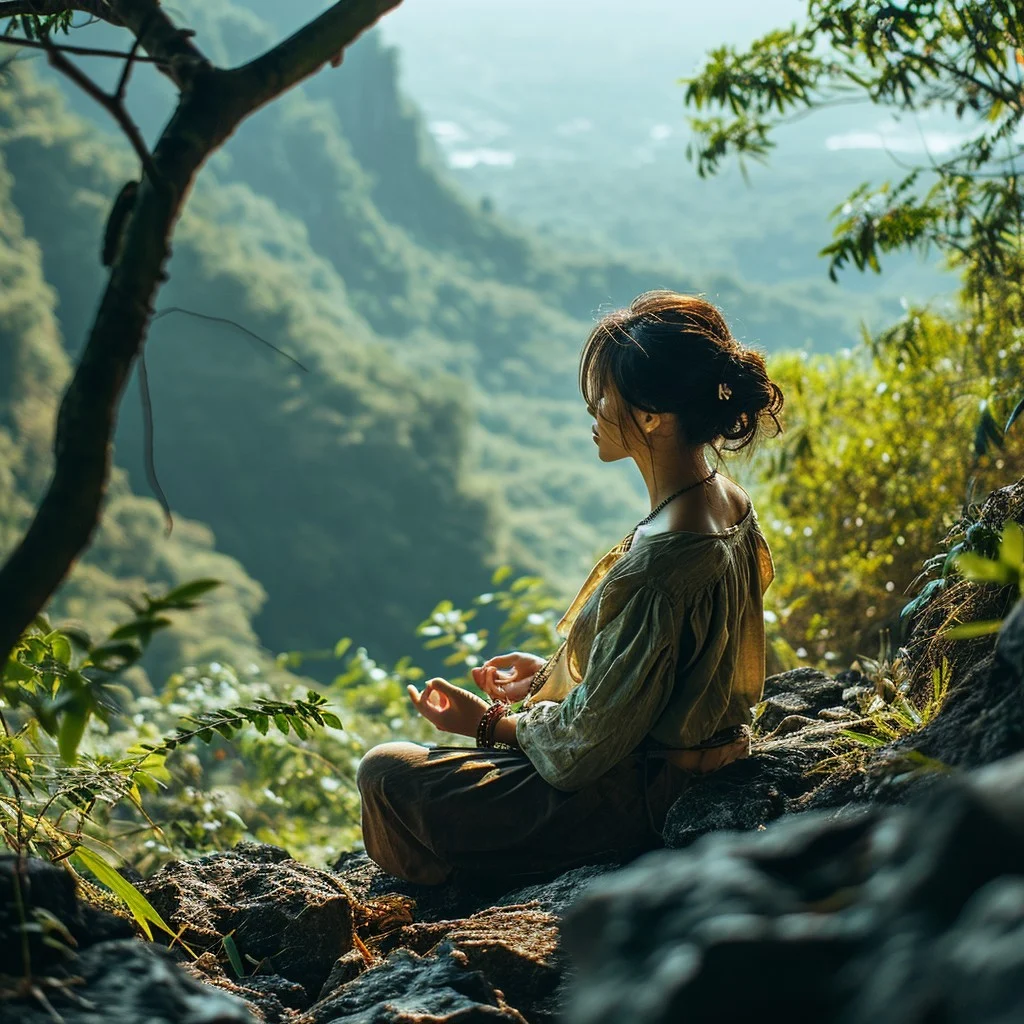
Your Sri Lanka Solo Adventure Awaits
Meet like-minded travelers · Explore ancient wonders · Create unforgettable memories
World Tourism Day 2026: Rediscover Sri Lanka | Travel That Transforms
World Tourism Day 2026: Rediscover Sri Lanka The Power of Travel to Transform
Every year on September 27, the world pauses to celebrate travel. World Tourism Day is more than a date on the calendar it is a reminder of tourism’s extraordinary potential to transform lives, communities, and destinations.
In 2026, as Sri Lanka emerges as one of the world’s most compelling travel destinations named the World’s No. 1 Island Destination by Big 7 Travel the theme of transformation has never felt more relevant.
This is a story about what travel can do. Not just for the traveller, but for the places and people we visit. It is a story about rediscovery of a destination, of a community, and of ourselves.
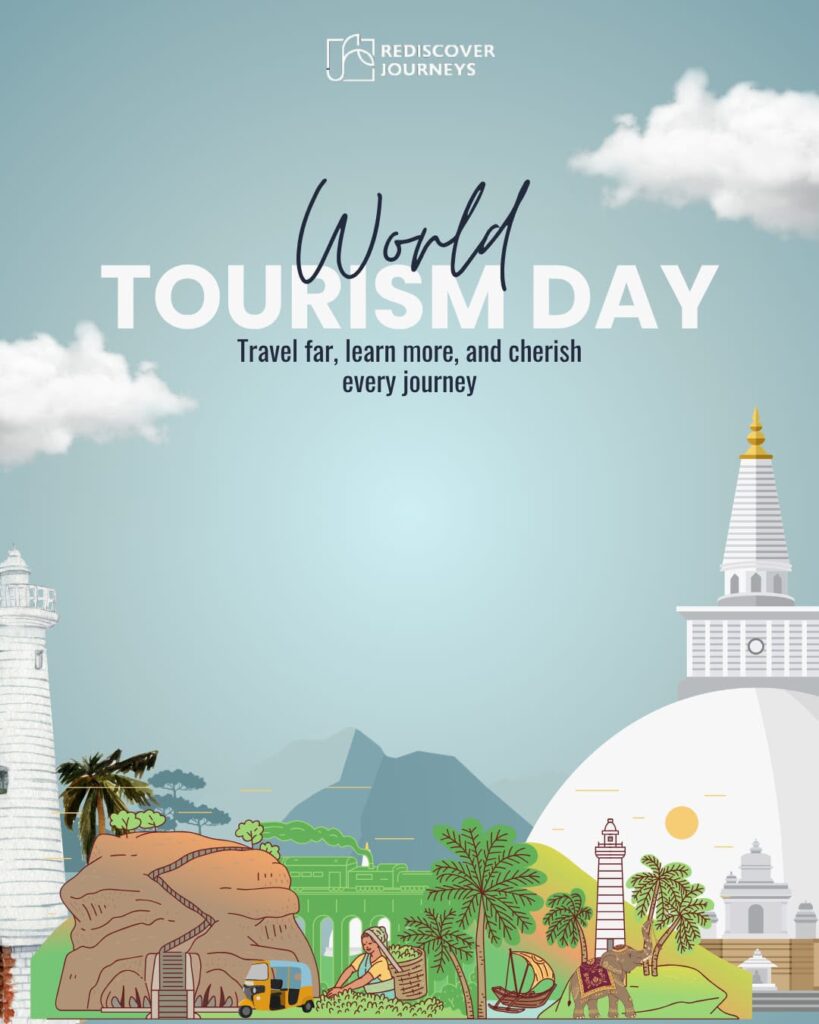
What Is World Tourism Day?
World Tourism Day is celebrated annually on September 27. Established by the United Nations World Tourism Organization (UNWTO) in 1980, the day is designed to foster awareness of tourism’s social, cultural, political, and economic value.
Each year, the day has a different theme, focusing on tourism’s role in:
-
Sustainable development
-
Cultural preservation
-
Community empowerment
-
Environmental protection
-
Global understanding
The date of September 27 was chosen because it marks the end of the tourism season in the Northern Hemisphere and the beginning of the season in the Southern Hemisphere a moment of transition that symbolises tourism’s global reach.
Sri Lanka: A Destination Rediscovered
The World’s No. 1 Island Destination
In 2026, Sri Lanka was named the World’s No. 1 Island Destination by Big 7 Travel, topping a list that included Mo’orea, Socotra, Madeira, and the Galápagos Islands. The publication praised the island’s remarkable diversity golden beaches, lush tea plantations, ancient temples, mist-covered mountains, and world-renowned wildlife experiences.
Sri Lanka was also recognised as:
-
No. 1 Trending Wellness Destination by BookRetreats.com
-
Top 10 Happiest Travel Destinations by G Adventures
-
Top 5 Places to Visit in Asia by U.S. News & World Report
-
Jaffna Among Top 25 Destinations by Lonely Planet
These accolades are not just about beauty. They reflect something deeper: Sri Lanka’s commitment to authentic, sustainable, and meaningful travel.
A 365-Day Destination
Sri Lanka is renowned as a 365-day destination for modern travellers seeking adventure and diverse experiences. The island’s two monsoon systems mean some part of the country is always in season. From pristine beaches and wildlife to cultural heritage, wellness, and adventure, Sri Lanka attracts travellers worldwide.
The Power of Travel to Transform
1. Travel Transforms Travellers
Travel changes us. It broadens our perspectives, challenges our assumptions, and connects us to people and places we might never have known.
What travel gives us:
-
Perspective seeing how others live reminds us of what matters
-
Connection meeting people from different cultures builds empathy
-
Growth stepping outside our comfort zones makes us more resilient
-
Memories experiences become the stories we tell for a lifetime
As one traveller put it, “I came to Sri Lanka expecting a holiday. I left with a new understanding of what travel can be.”
2. Travel Transforms Communities
Tourism, done well, transforms communities. It creates jobs, supports local businesses, and preserves cultural heritage.
How sustainable tourism supports Sri Lanka:
-
Employment guides, drivers, hotel staff, artisans, and chefs
-
Local businesses tea estates, spice gardens, family-run restaurants
-
Cultural preservation temples, traditional crafts, and performing arts
-
Conservation national parks, wildlife protection, and reforestation
When travellers choose local, they invest directly in the communities they visit.
3. Travel Transforms Destinations
Tourism can also transform destinations for better or worse. The key is sustainability.
Sustainable tourism in Sri Lanka means:
-
Protecting natural environments national parks, beaches, and forests
-
Preserving cultural heritage ancient sites, temples, and traditions
-
Supporting local economies ensuring tourism revenue stays in the community
-
Managing visitor numbers preventing overcrowding at key sites
At Rediscover Journeys, we believe travel should leave a destination better than we found it.
Rediscover Journeys: Travel That Gives Back
Our Philosophy
Rediscover Journeys is a boutique, founder-led tour operator based in Sri Lanka. We have been creating bespoke journeys for discerning travellers for over 35 years.
Our philosophy is simple: travel should be personal, authentic, and responsible.
What sets us apart:
| Feature | What It Means |
|---|---|
| Founder-led | Personal commitment to every journey |
| Locally based | Deep knowledge of Sri Lanka |
| Bespoke itineraries | Every journey built from scratch |
| Private chauffeur-guide | Dedicated guide throughout |
| Boutique hotels | Handpicked properties with character |
| 24/7 support | Throughout your journey |
| Ethical practices | Responsible wildlife, community, and environmental practices |
Sustainable Tourism in Practice
We believe in travel that benefits both travellers and destinations. Here’s how we put that into practice:
1. Ethical Wildlife Encounters
We work only with operators who follow strict no-contact and low-impact standards for wildlife interactions. We do not support elephant riding or any activity that exploits animals.
2. Community Engagement
We prioritise local businesses, artisans, and family-run accommodations. When you travel with us, your money goes directly into the communities you visit.
3. Environmental Responsibility
We minimise waste, support conservation, and promote sustainable practices. We encourage our guests to travel responsibly from reducing plastic use to respecting wildlife.
4. Cultural Respect
We ensure that cultural experiences are genuine, not staged. Our guests meet people in their own context not as performers, but as hosts.
5. Fair Employment
Our guides, drivers, and support staff are long-term team members, not freelancers. We pay fair wages and invest in training and development.
How to Travel Sustainably in Sri Lanka
If you’re planning a trip to Sri Lanka, here’s how you can travel more sustainably:
1. Choose Local
| Instead of… | Choose… |
|---|---|
| International chain hotels | Boutique hotels and local guesthouses |
| Group tours | Private chauffeur-guides |
| Chain restaurants | Family-run eateries and local markets |
| Imported products | Locally made crafts and souvenirs |
2. Travel Slowly
Slow travel is sustainable travel. Stay longer in fewer places. Take the train instead of flying. Walk and cycle where you can. The slower you go, the more you see and the less impact you have.
3. Respect Wildlife
-
Maintain safe distances
-
Never feed animals
-
Don’t use flash photography
-
Choose ethical operators
4. Reduce Plastic
-
Carry a reusable water bottle
-
Say no to plastic bags and straws
-
Choose accommodations that minimise single-use plastic
5. Support Communities
-
Buy from local artisans
-
Eat at family-run restaurants
-
Choose locally owned accommodations
-
Tip fairly and respectfully
6. Be Culturally Sensitive
-
Dress modestly at religious sites
-
Ask before photographing people
-
Learn a few words of Sinhala or Tamil
-
Respect local customs
World Tourism Day 2026: A Call to Rediscover
This World Tourism Day, we invite you to rediscover Sri Lanka not the version you’ve seen in guidebooks, but the one that stays with you forever.
Rediscover the wild.
Track leopards in Yala. Watch elephants gather at Minneriya. Feel the thrill of seeing wildlife in its natural habitat.
Rediscover the sacred.
Climb Sigiriya at sunrise. Visit the Temple of the Tooth. Walk through ancient cities that have stood for millennia.
Rediscover the flavours.
Taste Jaffna crab curry. Sip Ceylon tea in the hills where it was grown. Learn to cook hoppers in a village kitchen.
Rediscover the people.
Meet the guides, chefs, farmers, and artisans who make Sri Lanka what it is. Hear their stories. Share their laughter. Understand their world.
Rediscover yourself.
Travel slowly. Go deeper. Let Sri Lanka change you.
Frequently Asked Questions
What is World Tourism Day?
World Tourism Day is celebrated annually on September 27. Established by the United Nations World Tourism Organization (UNWTO) in 1980, the day is designed to foster awareness of tourism’s social, cultural, political, and economic value.
What is the theme of World Tourism Day 2026?
The theme of World Tourism Day 2026 focuses on tourism’s role in sustainable development, community empowerment, and the power of travel to transform.
Why is Sri Lanka a top destination in 2026?
Sri Lanka was named the World’s No. 1 Island Destination by Big 7 Travel in 2026. It was also recognised as the No. 1 Trending Wellness Destination, a Top 10 Happiest Travel Destination, and a Top 5 Place to Visit in Asia.
What is sustainable tourism?
Sustainable tourism is travel that minimises negative impacts and maximises positive impacts on the environment, communities, and local economies. It means travelling responsibly, supporting local businesses, and preserving cultural and natural heritage.
How can I travel sustainably in Sri Lanka?
You can travel sustainably in Sri Lanka by choosing local, travelling slowly, respecting wildlife, reducing plastic, supporting communities, and being culturally sensitive.
What does Rediscover Journeys do to support sustainable tourism?
Rediscover Journeys prioritises ethical wildlife encounters, community engagement, environmental responsibility, cultural respect, and fair employment. We work only with operators who follow responsible practices.
Why should I choose a boutique tour operator?
A boutique tour operator offers personal attention, deep local expertise, authentic experiences, flexibility, and accountability. Unlike large operators, boutique operators prioritise quality over quantity.
What is the best time to visit Sri Lanka?
Sri Lanka can be visited year-round. December to March is best for the Cultural Triangle, hill country, and south coast. May to September is best for the east coast.
Do I need a visa for Sri Lanka?
Yes all visitors need an ETA (Electronic Travel Authorisation). Since May 2026, the fee has been waived for travellers from 40 countries, but you must still apply online before departure.
How do I book a sustainable Sri Lanka tour?
Contact Rediscover Journeys to start planning your journey. We will design a bespoke itinerary that reflects your interests and values, with responsible practices at its core.
Rediscover Sri Lanka. Rediscover Yourself.
This World Tourism Day, we celebrate the power of travel to transform. We celebrate the travellers who seek meaning, not just memories. We celebrate the communities who welcome us. And we celebrate the destinations that give us so much in return.
Rediscover Sri Lanka. Rediscover yourself.
Ready to plan your journey? Contact our local experts to design a bespoke, sustainable Sri Lanka tour.
-
🌐 Website: rediscoversrilanka.com
-
💬 WhatsApp: +94 77 791 1276
-
📧 Email: [email protected]
Rediscover Journeys Boutique Sri Lanka Tour Operator & Travel Agency
Trustpilot 4.9/5 (192 reviews) | TripAdvisor Travellers’ Choice 2025 | SLTDA-licensed
35+ years collective Sri Lanka expertise | Private chauffeur-guide | Sustainable, bespoke journeys
Book Your Adventure
Ready to experience this coastal paradise? Plan your trip with Rediscover Journeys and create unforgettable memories at Hiriketiya Beach.
📩 Visit: Rediscover Journeys to book now.
Contact Us Today!
Ready to plan your dream group tour in Sri Lanka? Let us help you craft the perfect itinerary for a truly magical experience.
👉 Contact Rediscover Journeys now to explore our Sri Lanka group tour packages, designed for families, solo travelers, and adventure seekers alike.
Reviews and Recommendations
Don't just take our word for it! Check out these incredible reviews from past travelers:
Read about other travelers' experiences on TripAdvisor, where Rediscover Journeys has garnered rave reviews for its safe and well-organized tours.
Read ReviewsVisit Trustpilot for more real-life testimonials from travelers who have fallen in love with Sri Lanka's beauty and hospitality.
Read ReviewsExplore Related Topics

Frequently Asked Questions
Everything you need to know about traveling in Sri Lanka