Everything You Need to Know About What Is a Travel Visa? 10 Essential Facts Every Traveler Must Know (2026)
What Is a Travel Visa? 10 Essential Facts Every Traveler Must Know What is a travel visa? Learn the essential facts about tourist visas, business visas, application processes, and requirements for international travel in 2026. Introduction: Understanding the Gateway to International Travel If you plan to travel internationally, understanding what is a travel visa is one of …
What Is a Travel Visa? 10 Essential Facts Every Traveler Must Know
What is a travel visa? Learn the essential facts about tourist visas, business visas, application processes, and requirements for international travel in 2026.
Introduction: Understanding the Gateway to International Travel
If you plan to travel internationally, understanding what is a travel visa is one of the most important steps before booking flights and hotels. A travel visa is an official authorization issued by a country that allows a foreign traveler to enter, stay, or transit through that country for a specific purpose and period.
Some countries allow visa-free entry for certain nationalities, while others require travelers to apply for a visa in advance. The rules vary depending on your passport, destination, and purpose of travel. This comprehensive guide explains everything you need to know about travel visas, from types and requirements to application tips and common pitfalls.
What Is a Travel Visa?
A travel visa is an endorsement placed in your passport by a foreign government that grants you permission to enter, remain within, or leave that country for a specified period and purpose. It is essentially the destination country’s permission slip for you to visit.
Think of it this way:
| Document | Purpose | Issued By |
|---|---|---|
| Passport | Proves your identity and nationality | Your home country |
| Travel Visa | Grants permission to enter another country | The destination country |
Your passport is your international ID, while your visa is the destination country’s permission to enter.
Why Do Countries Require Travel Visas?
Governments use visas to manage immigration, security, tourism, and employment. A visa helps authorities determine:
-
Who is entering the country
-
How long they plan to stay
-
Whether they meet entry requirements
-
The purpose of their visit
For example, a tourist visiting France for two weeks may need different documentation than someone moving there for work. Visas allow countries to screen travelers before they arrive and to regulate the flow of visitors across their borders.
Types of Travel Visas
1. Tourist Visa
A tourist visa is the most common type of travel visa. It allows visitors to enter a country for holidays, sightseeing, visiting family, or leisure travel.
-
Typical validity: 30 days to 6 months
-
Common requirements: Return flight ticket, proof of accommodation, sufficient funds
-
Best for: Leisure travelers, family visits, sightseeing
2. Business Visa
A business visa is used for meetings, conferences, trade events, or business negotiations.
-
Important: It usually does not allow long-term employment
-
Typical validity: 3 months to 1 year
-
Requirements: Invitation letter from a host company, proof of business activities
3. Student Visa
Students enrolling in schools, colleges, or universities abroad typically need a student visa.
-
Typical validity: Duration of the study program
-
Requirements: Acceptance letter from a recognized educational institution, proof of sufficient funds
4. Work Visa
A work visa allows foreign nationals to work legally in another country.
-
Typical validity: 1 to 5 years (depending on the contract)
-
Requirements: Job offer from an employer, employment contract, proof of qualifications
5. Transit Visa
A transit visa is required when passing through a country on the way to another destination.
-
Typical validity: 24 to 72 hours
-
Requirements: Confirmed onward ticket, visa for the final destination (if required)
6. Electronic Travel Authorization (eTA)
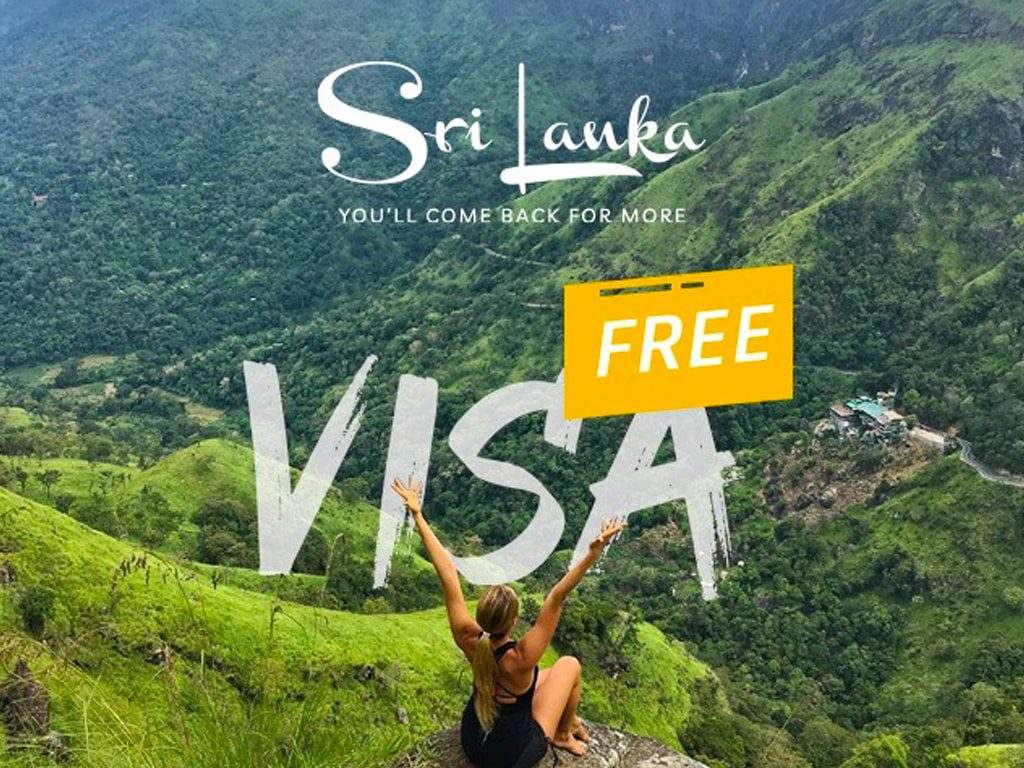
An eTA is an electronic version of a visa, often required for visa-exempt travelers visiting countries like the USA (ESTA), Canada (eTA), and Sri Lanka (ETA).
-
Typical validity: Up to 2 years (depending on the country)
-
Application: Online only
-
Processing time: Usually 24 to 72 hours
How to Apply for a Travel Visa
The process differs by country, but generally includes these steps:
-
Check visa requirements for your destination
-
Complete the visa application form (online or paper)
-
Prepare supporting documents
-
Pay the visa fee
-
Attend a visa appointment if required
-
Submit biometrics or fingerprints if needed
-
Wait for processing and approval
Documents Commonly Required
| Document | Purpose |
|---|---|
| Valid passport | Identity and travel document |
| Passport photos | Visa application |
| Flight itinerary | Travel plans |
| Hotel bookings | Proof of accommodation |
| Bank statements | Financial proof |
| Employment letter | Income verification |
| Travel insurance | Medical coverage |
| Invitation letter | Purpose of visit (if applicable) |
How Long Does Visa Processing Take?
Processing times vary widely depending on the country and visa type:
| Visa Type | Typical Processing Time |
|---|---|
| Tourist Visa | 3-15 working days |
| Business Visa | 5-20 working days |
| Student Visa | 2-12 weeks |
| Work Visa | 1-6 months |
| eTA / eVisa | 24-72 hours |
Always apply well before your planned departure date – at least 4-6 weeks in advance for traditional visas.
Common Reasons for Visa Rejection
Many travelers assume visa approval is automatic. Unfortunately, visas can be refused for several reasons:
| Reason | Description |
|---|---|
| Incomplete application | Missing information or required documents |
| Insufficient financial proof | Unable to demonstrate you can support yourself |
| Invalid passport | Passport expired or not valid for required period |
| False information | Inaccuracies or deliberate misrepresentation |
| Weak travel history | Limited previous international travel |
| Failure to prove intent to return | Inability to demonstrate ties to your home country |
| Previous visa violations | Overstaying a visa in the past |
| Security concerns | Criminal record or other security issues |
Travel Visa vs Passport
| Document | Purpose | Issued By | Validity |
|---|---|---|---|
| Passport | Proves your identity and nationality | Your home country | 5-10 years |
| Travel Visa | Grants permission to enter another country | The destination country | Varies (days to years) |
Key Point: You cannot get a visa without a valid passport. Always check your passport’s expiration date before applying for a visa.
Do Sri Lankan Travelers Need Visas?
Visa requirements for Sri Lankan passport holders depend on the destination. Some countries offer:
-
Visa-free entry – No visa required (e.g., Singapore, Maldives, Seychelles)
-
Visa on arrival – Obtain visa at the airport (e.g., Thailand, Indonesia, Jordan)
-
Electronic Travel Authorization (eTA) – Online application (e.g., USA, Canada, Australia)
-
Pre-approved embassy visas – Apply in advance through an embassy (e.g., Schengen countries, UK, USA)
For official information, check the Department of Immigration & Emigration Sri Lanka website and the embassy of your destination country.
Tips for a Successful Visa Application
1. Apply Early
Start your visa application at least 4-6 weeks before your departure date. Some visas can take months to process.
2. Provide Accurate Information
Ensure all information is truthful and consistent across all documents. Discrepancies can lead to rejection.
3. Maintain Sufficient Bank Balances
Show that you have enough funds to cover your expenses during your stay. Provide several months of bank statements.
4. Include a Clear Travel Itinerary
Provide a detailed itinerary showing your intended travel plans, including flights, accommodation, and activities.
5. Use Genuine Hotel and Flight Reservations
Use confirmed, refundable bookings. Avoid using fake reservations – embassies can verify them.
6. Purchase Travel Insurance
Many countries require travel insurance as part of the visa application. Ensure it covers medical emergencies and repatriation.
7. Keep Copies of All Documents
Make copies of all submitted documents for your records.
8. Be Honest
Never provide false information or fake documents. This will result in immediate rejection and may affect future applications.
Frequently Asked Questions
What is a travel visa in simple words?
It is official permission from another country allowing you to enter for a specific purpose and time.
Is a travel visa the same as a passport?
No. A passport identifies you, while a visa gives permission to enter another country.
Can I travel without a visa?
It depends on your nationality and destination. Some countries allow visa-free travel for certain nationalities.
How much does a travel visa cost?
Fees vary from a few dollars to several hundred dollars depending on the country and visa type.
How long does a visa take to process?
Processing times range from 24 hours (eTAs) to several months (work visas). Apply well in advance.
Do children need visas?
Yes, children usually need visas to enter most countries, though some allow inclusion in a parent’s passport.
Can I extend my visa once I am in the country?
It depends on the country and visa type. Some visas allow extensions; others do not.
What happens if I overstay my visa?
Overstaying can result in fines, deportation, and a ban from future entry to that country.
Is travel insurance mandatory for a visa?
Many countries require travel insurance, especially for Schengen visas.
Where can I check visa requirements?
Check the official embassy website of your destination country or use a trusted source like the International Air Transport Association (IATA) Travel Centre.
Final Thoughts
If you are planning an international trip, understanding what is a travel visa is essential. A visa determines whether you can legally enter a country, how long you may stay, and what activities you are allowed to do during your visit.
Before booking your next holiday, always check the latest visa rules for your destination and apply well in advance to avoid last-minute travel problems. When in doubt, consult with a travel expert or visa service to ensure your application is complete and accurate.
Travel wisely, plan ahead, and enjoy your journey with confidence.
Book Your Dream Getaway to Sri Lanka Today!
Contact Us Today!
Ready to plan your dream group tour in Sri Lanka? Let us help you craft the perfect itinerary for a truly magical experience.
👉 Contact Rediscover Sri Lankanow to explore our Sri Lanka group tour packages, designed for families, solo travelers, and adventure seekers alike.
Reviews and Recommendations
Don’t just take our word for it! Check out these incredible reviews from past travelers:
- Tripadvisor: Read about other travelers’ experiences on Tripadvisor, where Rediscover Sri Lanka has garnered rave reviews for its safe and well-organized tours.
- Trustpilot: Visit Trustpilot for more real-life testimonials from travelers who have fallen in love with Sri Lanka’s beauty and hospitality.
Contact Us Today!
Ready to plan your dream journey in Sri Lanka? Let us help you craft the perfect itinerary for a truly memorable experience.
Contact Rediscover Sri Lanka to explore our tailor-made journeys, private tours and authentic Sri Lankan experiences.
Contact UsReviews and Recommendations.
Don't just take our word for it! Check out these incredible reviews from past travellers.
Read about other travellers' experiences with Rediscover Sri Lanka and explore reviews from guests who have travelled across the island.
Read ReviewsDiscover feedback from travellers who have experienced Rediscover Journeys and explored Sri Lanka with our team.
Read ReviewsBook Your Adventure.
Ready to experience Sri Lanka beyond the usual tourist trail? Let us create a private journey around your interests, pace and travel style.
Ready to Rediscover Sri Lanka?
Plan your trip with Rediscover Sri Lanka and create unforgettable memories at some of the island's most extraordinary places.
Visit Rediscover Sri Lanka to start planning your journey.
Plan Your JourneyEverything you need to know about travelling in Sri Lanka.
Sri Lanka is a year-round destination, with the best time to visit depending on the regions you plan to explore. The west and south coasts are generally best from December to April, while the east coast is ideal from May to September. The central highlands offer cooler weather and scenic landscapes throughout much of the year.
A journey of 7 to 14 days allows you to experience many of Sri Lanka’s highlights at a comfortable pace. You can combine ancient cultural sites, wildlife safaris, scenic train journeys, tea country, and tropical beaches. A longer stay gives you more time to discover hidden gems and enjoy meaningful local experiences.
Sri Lanka offers a remarkable variety of destinations, from the ancient cities of Sigiriya and Polonnaruwa to the misty hills of Ella and Nuwara Eliya. Wildlife enthusiasts can explore Yala and Udawalawe National Parks, while the southern coast offers beautiful beaches and historic Galle Fort. The best places to visit depend on your interests, travel dates, and preferred pace.
Absolutely. Sri Lanka is home to diverse ecosystems, national parks, rainforests, wetlands, and mountain landscapes. Visitors can look for elephants, leopards, and a wide variety of birdlife on guided wildlife safaris, explore lush nature trails, or discover marine life along the coast. Responsible travel and following local wildlife guidelines help protect these natural environments.
Travellers can discover centuries-old temples, ancient kingdoms, traditional arts and crafts, vibrant festivals, and the island’s rich culinary heritage. Experiences may include visiting local markets, learning about traditional cooking, exploring historic landmarks, or meeting local communities. These encounters offer a deeper understanding of Sri Lanka’s traditions, people, and way of life.
Before travelling, consider the seasonal weather, regional travel times, local customs, appropriate clothing for religious sites, and entry requirements for your nationality. Sri Lanka’s landscapes and road conditions can make journeys longer than expected, so allowing time between destinations is worthwhile. Planning ahead helps you enjoy a more comfortable and rewarding experience.
The official currency is the Sri Lankan Rupee (LKR). Cards are accepted at many hotels, restaurants, and larger businesses, while cash is useful for local shops, markets, and smaller establishments. It is helpful to carry some local currency and check current exchange rates before your trip.
Yes. Sri Lanka offers experiences for a wide range of travellers, including families, couples, solo explorers, and groups of friends. Families can enjoy wildlife safaris, cultural discoveries, and relaxed beach stays, while couples may prefer scenic retreats, boutique hotels, and private experiences. An itinerary tailored to your interests can help create a more enjoyable journey.