
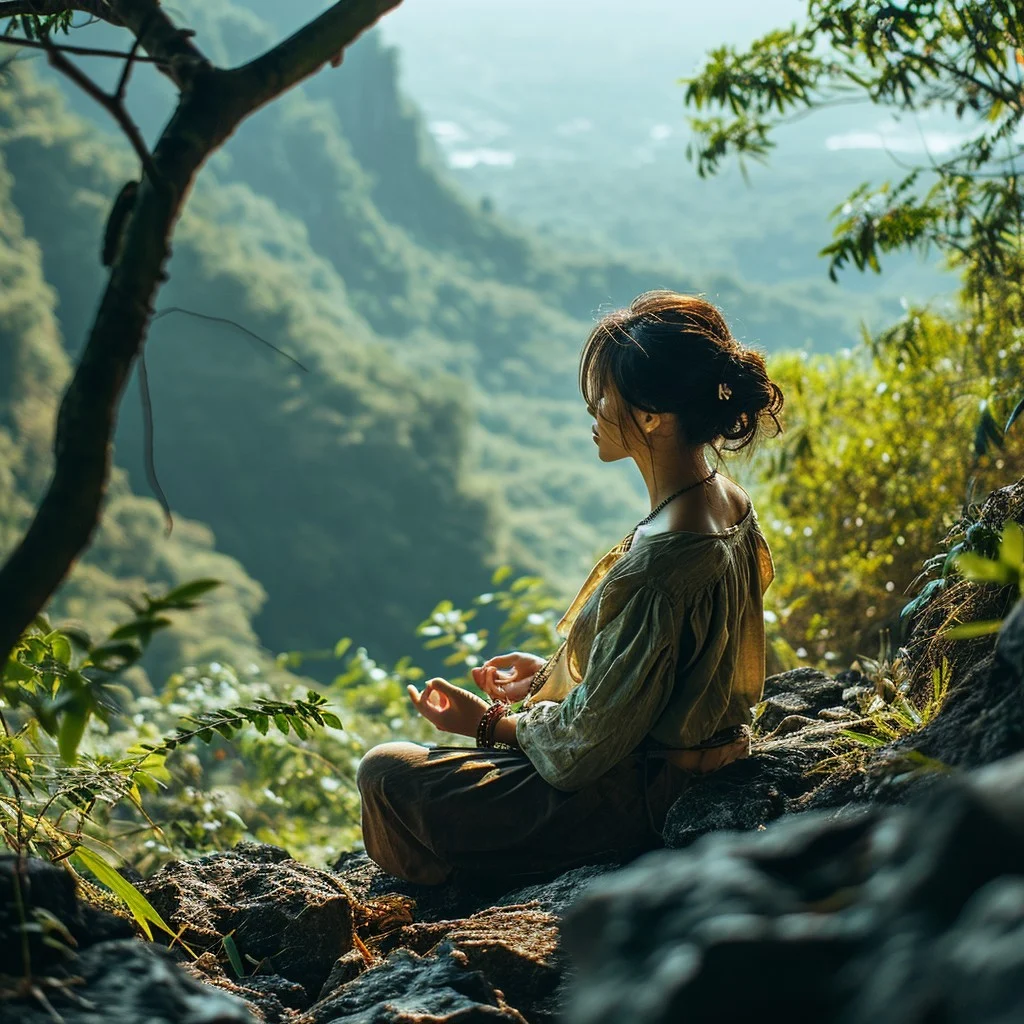
Your Sri Lanka Solo Adventure Awaits
Meet like-minded travelers · Explore ancient wonders · Create unforgettable memories
Sri Lanka Travel Etiquette 2026: Essential Cultural Guide for Travelers & Travel Agents
Sri Lanka Travel Etiquette 2026: The Ultimate Cultural Guide for Travelers & Travel Agents
Introduction: Why Cultural Etiquette Matters in Sri Lanka
Welcome to Sri Lanka a vibrant destination of diverse cultures, rich traditions, and unparalleled hospitality. For travel agents seeking to provide their clients with authentic experiences, understanding and respecting local customs is absolutely crucial.
Sri Lanka isn’t just about stunning beaches, ancient temples, and wildlife safaris it’s about connecting with people. The warmth of Sri Lankan hospitality is legendary, but it comes with cultural nuances that every traveler must understand.
Did you know? Travelers who respect local customs are welcomed more warmly, experience deeper connections, and leave with more meaningful memories. As a travel agent, equipping your clients with this cultural knowledge transforms a good trip into an unforgettable, transformative journey.
This comprehensive guide to Sri Lankan etiquette and cultural norms will help you and your clients navigate social interactions seamlessly, ensuring respectful, enriching travel experiences.
1. Greeting and Communication in Sri Lanka
🤝 Traditional Greetings: The Ayubowan
The traditional Sri Lankan greeting is “Ayubowan” (pronounced ah-yoo-bo-wan), meaning “may you live long.” It’s accompanied by a slight bow with hands clasped together in a prayer-like gesture.
This greeting is more than just words it’s a symbol of respect, goodwill, and spiritual connection. Understanding and using this greeting is essential for travel agents promoting cultural experiences.
Handshakes: Urban vs. Rural
-
In urban areas (Colombo, Kandy, Galle), a handshake is acceptable and common
-
In rural areas, the traditional Ayubowan is more appropriate and appreciated
-
Women may prefer not to shake hands with men wait for them to extend their hand first
-
Always use your right hand for handshakes and greetings
📝 Addressing Locals with Respect
| Title | When to Use |
|---|---|
| Mr. / Mrs. / Miss + Surname | Formal settings, first meetings |
| Sir / Madam | Showing respect to elders or authority figures |
| Ayya (brother) / Akka (sister) | Friendly, informal settings |
💡 Pro Tip for Travel Agents: Advise clients to always use titles when addressing locals especially elders. This simple act of respect opens doors to authentic connections.
🗣️ Politeness and Communication Style
Sri Lankans value soft-spoken, polite communication. Loud, aggressive, or confrontational behavior is frowned upon.
Key Communication Tips:
-
Speak softly and maintain a calm demeanor
-
Avoid direct confrontation Sri Lankans prefer indirect, diplomatic approaches
-
Say “please” and “thank you” frequently
-
Be patient rushing is perceived as rude
-
Smile it’s universal and appreciated
“In Sri Lanka, how you say something matters as much as what you say. Encouraging clients to adopt these communication styles will foster positive interactions and enhance their overall experience.”
2. Dress Code for Visiting Sri Lanka
👗 Modesty is Key
Sri Lanka is a conservative country with strong religious and cultural values. Dressing modestly is non-negotiable when visiting temples, religious sites, and rural areas.
Dress Code Guidelines:
For Women:
-
✅ Shoulders covered (no sleeveless tops or spaghetti straps)
-
✅ Knees covered (no shorts, mini-skirts, or crop tops)
-
✅ Avoid low-cut necklines
-
✅ Scarves or shawls are practical for quick coverage
For Men:
-
✅ Shoulders covered (no sleeveless shirts)
-
✅ Long pants or knee-length shorts
-
✅ Avoid shorts in temples and sacred sites
👟 Footwear Etiquette
Always remove shoes and hats before entering:
-
Buddhist temples
-
Hindu temples
-
Mosques
-
Private homes (if you see shoes outside, follow suit)
💡 Pro Tip: Suggest clients carry a pair of easy-to-remove shoes and a sarong or scarf in their day bag for unexpected temple visits.
3. Visiting Religious Sites in Sri Lanka
🛕 Buddhist Temples
Sri Lanka is a Buddhist-majority country, and temples are sacred spaces requiring the utmost respect.
Essential Temple Etiquette:
-
Dress conservatively (shoulders and knees covered)
-
Remove shoes and hats before entering
-
Never point your feet toward Buddha statues
-
Sit with your feet tucked behind you, not stretched out
-
Women should never touch monks
-
Maintain silence inside shrine rooms
-
Leave offerings respectfully (flowers, incense, candles)
🕉️ Hindu Temples & Mosques
Hindu Temples:
-
Dress modestly
-
Remove shoes
-
Avoid entering during prayer times unless invited
-
No photography inside the inner sanctum
Mosques:
-
Dress extremely modestly
-
Head coverings required for women
-
Remove shoes
-
No entry during prayer times for non-Muslims
📸 Photography Etiquette
Always ask permission before taking photos:
-
Inside temples – many prohibit interior photography
-
Of monks – show respect, ask first
-
Of individuals – especially in rural areas
-
Of religious ceremonies – observe respectfully from a distance
“Photography inside religious sites may not be allowed, or there might be a special fee. Travelers should always check with the temple authorities before taking photos.”
4. Social Etiquette in Sri Lanka
🏠 Hospitality: The Sri Lankan Way
Sri Lankans are renowned for their extraordinary hospitality. If clients are invited to a local’s home, they should consider it a great honor.
Home Visit Etiquette:
-
Bring a small gift – sweets, fruits, flowers, or a small souvenir
-
Avoid giving alcohol – unless you know it’s acceptable
-
Remove shoes before entering
-
Wait to be seated – don’t sit until invited
-
Accept refreshments – refusing food or tea can be seen as insulting
-
Praise the home – compliments are always appreciated
🍽️ Dining Etiquette
Proper Eating Practices:
-
Use your right hand for eating and passing food (the left hand is considered impolite)
-
Eat with your fingers (a traditional way, especially for rice and curry)
-
Wash hands before and after the meal
-
Finish everything on your plate – leaving food is wasteful
-
Wait for the host to start eating before you begin
-
Don’t blow your nose at the table
At Restaurants:
-
Tipping is not mandatory but appreciated (10% service charge is often included)
-
Bottled water is safest to drink
-
Avoid tap water – stick to sealed bottles
💞 Public Displays of Affection (PDA)
Sri Lanka is a conservative society:
-
Public kissing and hugging are frowned upon
-
Holding hands is acceptable for couples in urban areas
-
Avoid overtly romantic behavior in rural areas and religious sites
-
Same-sex relationships – respectful discretion is advised
5. Respect for the Environment in Sri Lanka
🌿 Wildlife and Nature Protection
Sri Lanka’s natural beauty and wildlife are remarkable. Protecting this heritage is everyone’s responsibility.
Environmental Etiquette:
-
Don’t litter – Sri Lanka is working hard to combat plastic pollution
-
Follow guidelines in national parks
-
Stay in your vehicle during safaris
-
Don’t feed wild animals – it disrupts their natural behavior
-
Avoid touching corals or marine life while snorkeling
-
Use reef-safe sunscreen to protect the ocean
-
Say no to plastic bags – carry a reusable bag
🏛️ Cultural Artifacts and Monuments
-
Never touch or climb on religious statues or artifacts
-
Don’t sit on or lean against ancient structures
-
Pointing feet at people or religious objects is considered disrespectful
-
Ask permission before touching anything in museums
6. General Behavior and Social Norms
😌 Public Behavior
Sri Lankans value calm and composed behavior in public spaces:
-
Maintain composure – avoid shouting or showing frustration
-
Speak softly in public places
-
Be patient – things move at a different pace
-
Avoid anger – losing your temper is perceived as losing control
🚶 Queuing and Lines
Respecting social order is important:
-
Stand in line at shops, banks, and temples
-
Don’t push or cut in front
-
Wait your turn patiently
-
Be mindful of elderly people who may need assistance
🎁 Gift Giving Etiquette
-
Use both hands when giving or receiving gifts
-
Gifts aren’t typically opened in front of the giver
-
Avoid giving clocks, knives, or sharp objects (considered bad luck)
-
Flowers and sweets are safe, thoughtful gifts
7. Tips for Travel Agents: Preparing Your Clients
📋 Pre-Trip Briefing Checklist
As a travel agent, preparing your clients with cultural knowledge is essential:
-
✅ Cultural Greetings: Teach them to say “Ayubowan”
-
✅ Dress Code: Emphasize modest clothing for temple visits
-
✅ Photography Rules: Explain when and how to ask permission
-
✅ Dining Etiquette: Advise about right-hand eating and finishing food
-
✅ Environmental Responsibility: Discuss wildlife and waste practices
-
✅ Public Behavior: Encourage calm and patient interactions
-
✅ Emergency Contacts: Provide Tourist Police (1912) and embassy details
📚 Recommended Resources
Provide your clients with:
-
Sri Lanka travel guides (Lonely Planet, Rough Guides)
-
Cultural documentary recommendations
-
Language basics (Sinhala and Tamil phrases)
-
Local contacts for authentic cultural experiences
8. Why Respecting Sri Lankan Culture Matters
🌍 Cultural Respect = Better Travel Experiences
Travelers who respect local customs are:
-
Welcomed more warmly by locals
-
Offered authentic experiences not available to tourists
-
Safer because they avoid cultural misunderstandings
-
More fulfilled – deeper connections lead to transformative travel
🧳 The Travel Agent’s Role
As a travel agent, you’re not just booking hotels and flights – you’re:
-
Crafting meaningful experiences
-
Bridging cultures and building understanding
-
Promoting sustainable, respectful tourism
-
Protecting Sri Lanka’s cultural and natural heritage
“A traveler who understands and respects Sri Lankan culture is not just a visitor they become a guest. And in Sri Lanka, guests are treated like family.”
9. Frequently Asked Questions (FAQs)
Is it acceptable to wear shorts in Sri Lanka?
In tourist areas and beaches, shorts are acceptable. However, when visiting religious sites, rural areas, or entering local homes, long pants or knee-length shorts are required.
Can I take photos of local people?
Always ask permission first. Many Sri Lankans are happy to be photographed, but it’s respectful to ask. Never photograph monks without permission.
What should I do if I accidentally offend someone?
Apologize sincerely and calmly. Sri Lankans are understanding and forgiving of cultural mistakes, especially when an apology is offered.
Is tipping expected in Sri Lanka?
Tipping is not mandatory but appreciated. Many restaurants include a 10% service charge. For guides and drivers, 5-10% of the tour cost is standard.
Can I drink tap water in Sri Lanka?
No. Stick to bottled, sealed water. Avoid ice in drinks unless you’re confident it’s from purified water.
Is Sri Lanka safe for solo female travelers?
Yes, with precautions. Dress modestly, avoid traveling alone at night, and use licensed drivers and guides. Sri Lanka is generally safe, but common-sense safety practices apply.
What language do they speak in Sri Lanka?
The official languages are Sinhala and Tamil. English is widely spoken in tourist areas, hotels, and by many locals.
Do I need a visa for Sri Lanka?
Most nationalities need an ETA (Electronic Travel Authorization). Apply online through the official ETA website before travel.
Is Sri Lanka a safe destination?
Yes. Sri Lanka is generally safe for tourists, but travelers should remain aware of their surroundings, avoid political gatherings, and follow local advice.
What is the Sri Lankan food like?
Delicious and diverse! Rice and curry, hoppers, kottu roti, and fresh seafood are must-tries. Sri Lankan cuisine is aromatic, spicy, and coconut-based with strong Indian and Southeast Asian influences.
10. Summary: Cultural Etiquette Checklist for Travelers
✅ Before You Go:
-
Learn the greeting “Ayubowan”
-
Pack modest clothing for temple visits
-
Review Sri Lankan cultural norms
-
Understand visa requirements
-
Book travel insurance
✅ During Your Trip:
-
Remove shoes at temples and homes
-
Use right hand for eating
-
Ask permission before taking photos
-
Respect dress codes
-
Stay patient and calm in public spaces
✅ After Your Trip:
-
Share your positive experiences
-
Recommend Sri Lanka to friends and family
-
Leave positive reviews for respectful operators
-
Practice mindful tourism in future travels
Why Book with Rediscover Journeys?
At Rediscover Journeys, we don’t just arrange tours we create culturally authentic, transformative travel experiences that connect travelers with the heart of Sri Lanka.
✅ What Makes Us Different:
-
35+ years of collective travel expertise
-
SLTDA-licensed, registered, and insured
-
Licensed professional drivers and guides with deep cultural knowledge
-
Custom itineraries tailored to your clients’ interests
-
Transparent pricing – no hidden fees or commission traps
-
Sustainable tourism practices that respect local communities
-
24/7 local support for all travelers
🏆 What Travel Agents Say:
“Rediscover Journeys is our go-to partner for Sri Lanka. Their cultural expertise, local connections, and attention to detail make them the best choice for our clients.” – International Travel Agency
“Our clients came back raving about their Sri Lanka experience especially the cultural depth and authentic interactions. We highly recommend Rediscover Journeys.” – UK-based Tour Operator
Contact Us Today!
Ready to partner with a Sri Lanka travel expert? Let us help you craft unforgettable Sri Lanka itineraries for your clients.
📞 Phone/WhatsApp: +94 77 791 1276 (Rasith)
📞 Phone/WhatsApp: +94 77 887 8723 (Lucky)
📧 Email: [email protected]
🌐 Website: rediscoversrilanka.com
🕒 Office Hours: Monday – Saturday, 9 AM – 6 PM
Contact Us Sri Lanka Travel Agents!
Ready to plan your dream group tour in Sri Lanka? Let us help you craft the perfect itinerary for a truly magical experience.
👉 Contact Rediscover Sri Lanka now to explore our Sri Lanka Travel Agents tour packages, designed for families, solo travelers, and adventure seekers alike.
Reviews and Recommendations
Don’t just take our word for it! Check out these incredible reviews from past travelers:
- Tripadvisor: Read about other travelers’ experiences on Tripadvisor, where Rediscover Sri Lanka has garnered rave reviews for its safe and well-organized tours.
- Trustpilot: Visit Trustpilot for more real-life testimonials from travelers who have fallen in love with Sri Lanka’s beauty and hospitality.
Book Your Adventure
Ready to experience this coastal paradise? Plan your trip with Rediscover Journeys and create unforgettable memories at Hiriketiya Beach.
📩 Visit: Rediscover Journeys to book now.
Contact Us Today!
Ready to plan your dream group tour in Sri Lanka? Let us help you craft the perfect itinerary for a truly magical experience.
👉 Contact Rediscover Journeys now to explore our Sri Lanka group tour packages, designed for families, solo travelers, and adventure seekers alike.
Reviews and Recommendations
Don't just take our word for it! Check out these incredible reviews from past travelers:
Read about other travelers' experiences on TripAdvisor, where Rediscover Journeys has garnered rave reviews for its safe and well-organized tours.
Read ReviewsVisit Trustpilot for more real-life testimonials from travelers who have fallen in love with Sri Lanka's beauty and hospitality.
Read ReviewsExplore Related Topics

Frequently Asked Questions
Everything you need to know about traveling in Sri Lanka