
Your Sri Lanka Solo Adventure Awaits
Meet like-minded travelers · Explore ancient wonders · Create unforgettable memories
Geoffrey Bawa Sri Lanka Tour: Architecture, Hotels & Gardens Guide 2026
In Search of Bawa: A Journey Through Geoffrey Bawa’s Sri Lanka
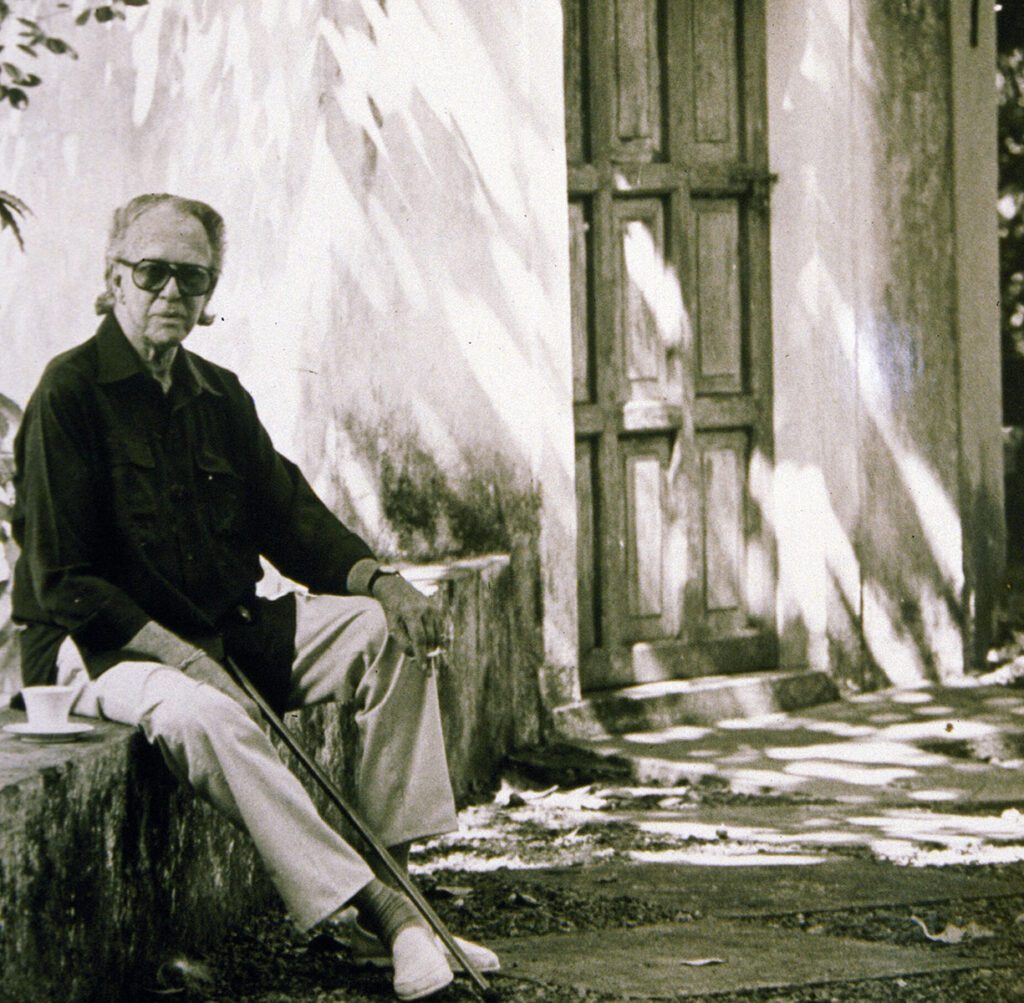
Geoffrey Bawa was never meant to be an architect. Born in 1919 in Colombo, he travelled to England at nineteen to study law, and only pivoted to architecture at the age of 38 after the death of his parents . Yet in the four decades that followed, Bawa would go on to design more than 200 buildings, become the father of tropical modernism, and transform how architecture could exist in harmony with the landscapes of South Asia .
For travellers with an appreciation for design, art, and architecture, a Geoffrey Bawa tour of Sri Lanka offers something rare: the chance to not just see his work, but to sleep in it, eat in it, and live within it. As one travel writer put it, “The best way to appreciate Bawa’s ‘tropical modernism’ is to sleep in the hotels he designed” .
This guide explores Bawa’s most iconic hotels and gardens across Sri Lanka with all the details you need to plan your own architectural pilgrimage.
What Is Tropical Modernism?
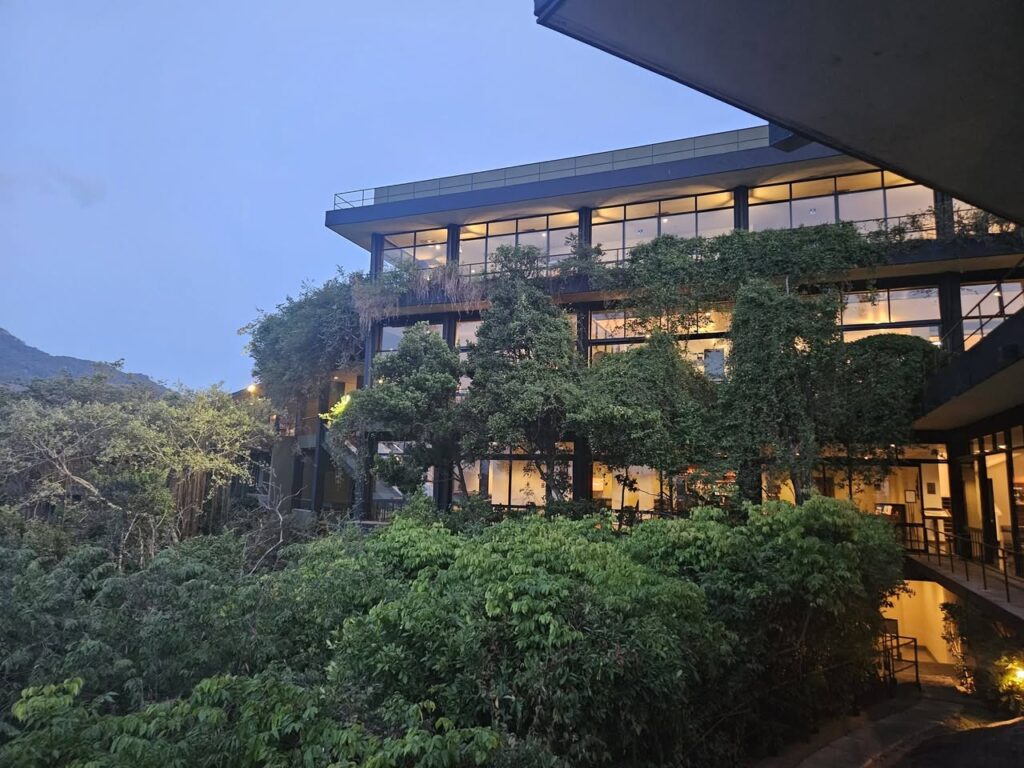
Bawa’s design ethos was inherently sustainable, long before the term became a buzzword. Rather than attempting to tame the environment, he imagined structures that coexisted alongside their natural surroundings, blurring the boundaries between indoor and outdoor spaces .
Instead of glass monoliths reliant on air conditioning, Bawa thought in terms of interconnected structures made from earthen concrete, wood, and brick carefully placed in wider compounds defined by balance and cooled by natural airflow . His buildings don’t dominate their landscapes; they emerge from them.
His sensitivity to environment is reflected in his careful attention to the sequencing of space, the creation of vistas, courtyards, and walkways, and the use of materials and treatment of details . Bawa received the prestigious Aga Khan Award for Architecture Chairman’s Award for lifetime achievement in 2001 .
Geoffrey Bawa Hotels in Sri Lanka: Where to Stay
The most immersive way to experience Bawa’s genius is to stay in the hotels he designed. Each property offers a different facet of his evolving vision from his early experiments to his final masterworks.
1. Heritance Kandalama Dambulla
The Masterpiece
The Heritance Kandalama is widely considered Bawa’s most iconic hotel design . Constructed between 1992 and 1995, it was commissioned by Aitken Spence to accommodate visitors to Sigiriya .
The Design Story:
Bawa insisted the hotel be sited eleven kilometres southeast of Sigiriya, rather than adjacent, to protect the historic site and frame a distant view of the rock fortress across Kandalama Lake . The hotel was built without employing earth-moving machinery, ensuring native rock formations remained undisturbed . It clings to a steep rock outcrop, with the building’s seven storeys and 152 rooms unfolding over an 85-hectare estate .
The Arrival Sequence:
Guests enter through a cave-like porte cochère, winding through a confined tunnel-like passage with walls lined by boulders, before suddenly emerging into the open-air lobby with its panoramic view . This choreographed arrival was designed to dramatise the threshold between the entrance drive and the spectacular views .
Key Details:
-
Location: Dambulla, Central Province
-
Rooms: 152
-
Signature Features: Open-air lobby, cave-like entrance, infinity pool overlooking Kandalama Tank, view of Sigiriya
-
Best For: Architecture enthusiasts, wildlife lovers (the hotel is immersed in jungle vegetation)
2. Heritance Ahungalla Ahungalla
The Beach Resort Pioneer
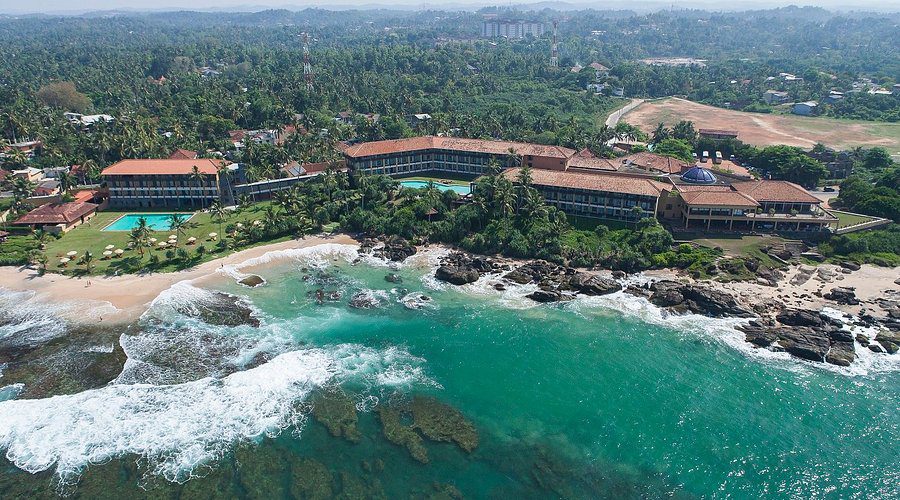
Originally named the Triton Hotel, this influential beach resort opened in 1981 and unfolds along the Colombo coast in a series of characteristically cooling, interconnected buildings . It was one of Bawa’s major hotel projects on the south coast .
The Design Story:
Bawa reportedly conceived the design on-site, at full scale, strolling the sand and making gestures for his team to log on paper . The hotel features gorgeous infinity pools that appear to merge with the crashing ocean .
Key Details:
-
Location: Ahungalla, Galle District
-
Opened: 1981
-
Signature Features: Infinity pools merging with the ocean, interconnected buildings, meticulous column and corner detailing
-
Best For: Beach lovers, design enthusiasts
3. Jetwing Lagoon Negombo
The Early Experiment
Jetwing Lagoon was one of Bawa’s early hotel projects and is conveniently close to the airport making it an ideal first-night stop .
The Design Story:
This property represents Bawa’s early exploration of hotel design, where traditional Sri Lankan and Dutch Colonial influences began to fuse into his signature style. Guests can request The Bawa Room .
Key Details:
-
Location: Negombo, Western Province
-
Signature Features: Early Bawa design, convenient airport location, The Bawa Room
-
Best For: First-night stays, architecture enthusiasts beginning their Bawa journey
4. Jetwing Lighthouse Galle
The Cliffside Drama
The Jetwing Lighthouse is a dramatic Bawa design perched on a rocky headland near Galle. It was featured in a Korean academic study on Bawa’s spatial aesthetics alongside Kandalama, Lunuganga, and Bawa House .
The Design Story:
This hotel exemplifies Bawa’s ability to respond to dramatic coastal topography, creating spaces that frame the ocean and rock formations.
Key Details:
-
Location: Galle, Southern Province
-
Signature Features: Cliffside setting, dramatic ocean views
-
Best For: Design lovers exploring the south coast
5. Blue Water Hotel Wadduwa
The Final Masterwork
The Blue Water Hotel holds a special place in Bawa’s oeuvre it was his last hotel project and the last project he supervised on site before succumbing to illness .
The Design Story:
Completed in 1998, the hotel was a collaboration between Bawa and Milroy Perera . For this design, Bawa returned to a simple rest house layout he first used in 1967 for the Serendib Hotel, but reinterpreted it on a grand scale with expansive courtyards and limitless vistas .
Key Details:
-
Location: Wadduwa, Western Province
-
Opened: 1998
-
Signature Features: Minimalistic approach, expansive courtyards, carefully orchestrated sequence of spaces between land and ocean
-
Best For: Those seeking Bawa’s final architectural statement
6. Number 11 Colombo Colombo
Bawa’s Townhouse
Number 11 (also known as the Jetwing Ratnam Residence) is a Bawa townhouse converted into a boutique hotel . Staying here offers a rare opportunity to experience Bawa’s urban residential design philosophy.
The Design Story:
Bawa’s own Colombo residence was created around a series of courts, verandahs, and loggie, developed by linking four existing bungalows . Number 11 echoes this approach.
Key Details:
-
Location: Colombo
-
Signature Features: Urban townhouse design, intimate scale
-
Best For: Urban explorers wanting to experience Bawa in the city
Geoffrey Bawa Gardens: Lunuganga and Brief Garden
Lunuganga Bawa’s Country Estate
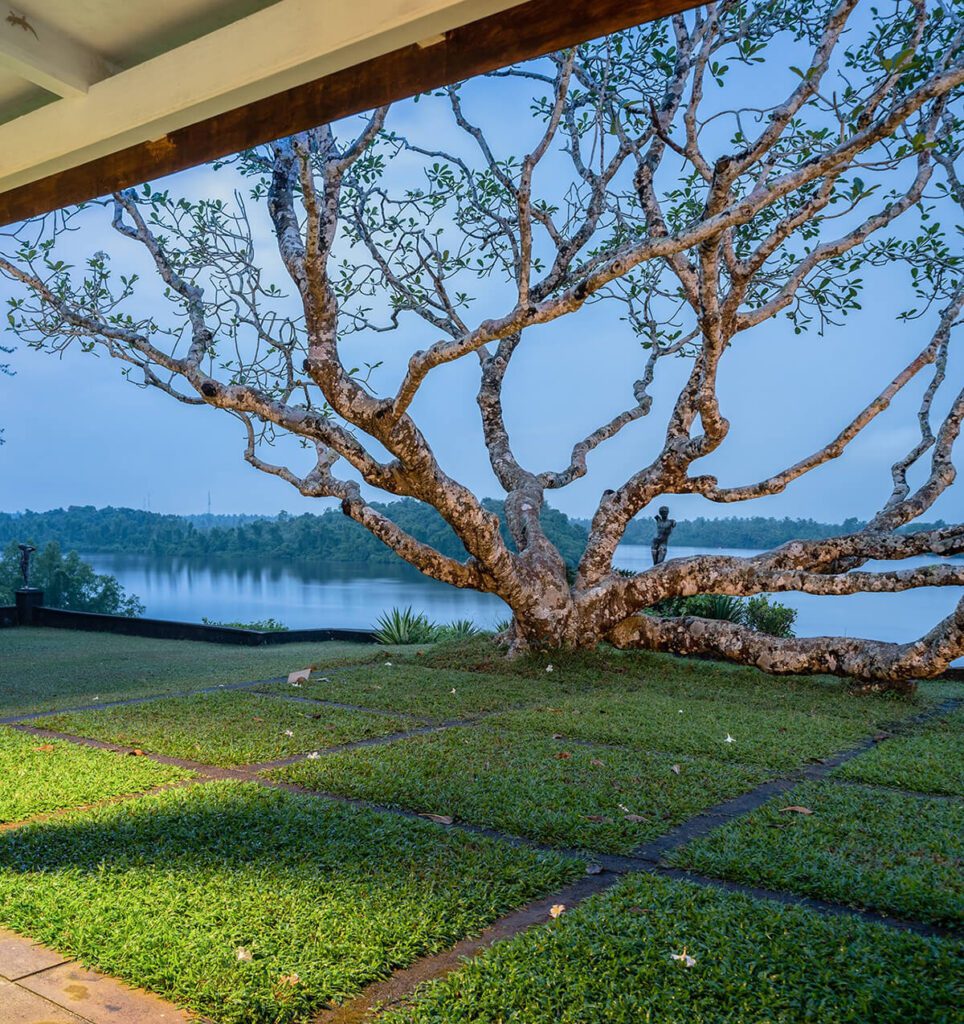
Lunuganga is not just a garden it is the origin story of Bawa’s architectural career .
In 1948, Bawa returned from travels across Asia and Europe to set up home in newly independent Sri Lanka. He purchased an abandoned rubber estate and set about crafting his dream home . The garden at Lunuganga led Bawa, a lawyer called to the Bar at the Inner Temple in 1940, to decide to become an architect .
The Design Story:
Lunuganga was Bawa’s “first muse and experimental laboratory for new ideas” . He continued to change and experiment with its spaces and structures throughout his life until his final illness in 1998 . The estate is now run as a country house hotel by the Lunuganga Trust, and the gardens are open to the public .
Key Details:
-
Location: Bentota, Southern Province
-
Started: 1947
-
Signature Features: Tropical interpretation of a European Renaissance Garden, each structure and statue has a purpose and backstory
-
Best For: Garden lovers, architecture pilgrims, those seeking tranquility
-
Access: Guided tours available; accommodation also available
Brief Garden Bevis Bawa’s Retreat
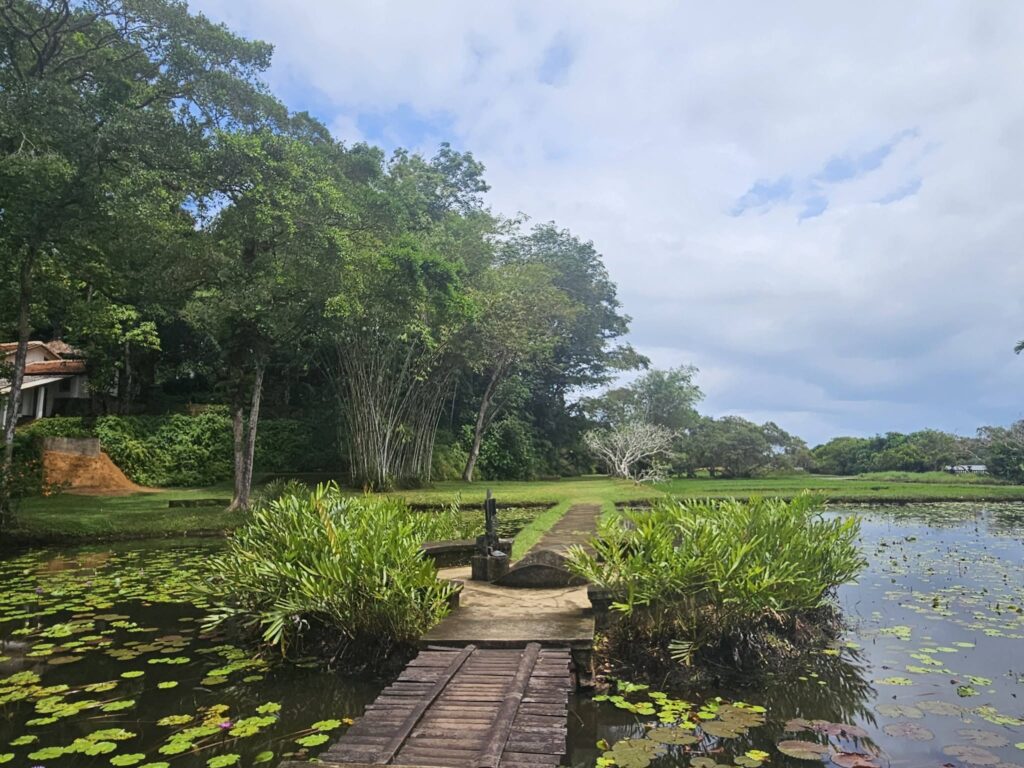
Brief Garden is the secluded retreat of Bevis Bawa, Geoffrey’s older brother . Originally a rubber plantation, this tropical landscape garden showcases influences from Italian and English gardens as well as local customs .
The Design Story:
Despite Bevis Bawa’s passing in 1992, the garden has been meticulously maintained according to his original vision . It offers a fascinating counterpoint to Geoffrey’s work.
Key Details:
-
Location: Near Bentota, Southern Province
-
Signature Features: Italian and English garden influences, local customs, intimate scale
-
Best For: Garden enthusiasts, those interested in the Bawa family legacy
Other Bawa Buildings of Note
Beyond hotels and gardens, Bawa designed numerous public and private buildings that are worth exploring for the serious architecture enthusiast.
The Sri Lankan Parliament Kotte
Designed between 1979 and 1982, the Parliament Building at Kotte is one of Bawa’s most significant public commissions . Early in 1979, Bawa was summoned to a meeting with President JR Jayawardene, who commissioned him on the spot to design a new Parliament . Special permission is occasionally granted for interior tours .
Bawa’s Colombo Residence 33rd Lane, Colpetty
Bawa gave up his Galle Face Court apartment and rented the third of a row of four tiny bungalows in a narrow alley at the end of 33rd Lane in Colpetty . Over time, he transformed this into an oasis of inward-looking peace within a noisy urban environment, created around a series of courts, verandahs, and loggie . The house is now managed by the Geoffrey Bawa Trust.
Planning Your Geoffrey Bawa Tour: Practical Details
Best Time to Visit
For a Bawa-focused tour covering the Cultural Triangle, hill country, and south coast, the ideal time is December to September . The south coast (where Lunuganga, Brief Garden, and Heritance Ahungalla are located) is best from November to April.
Getting Around
A private chauffeur-guide is essential for an architecture-focused tour. Many Bawa properties are in rural or semi-rural locations not easily accessible by public transport. Your guide can also help arrange special access to buildings like the Parliament and Bawa’s Colombo residence.
Suggested Itinerary: A Bawa Pilgrimage (10–14 Days)
| Days | Location | Bawa Highlights |
|---|---|---|
| 1 | Negombo | Jetwing Lagoon (Bawa Room) |
| 2–4 | Dambulla / Cultural Triangle | Heritance Kandalama, Sigiriya |
| 5–6 | Kandy | Hiyarapitiya House (by Bawa’s protégé Channa Daswatta) |
| 7 | Colombo | Number 11, Bawa’s Colombo Residence, Parliament (permission permitting) |
| 8–9 | Bentota | Lunuganga (stay or tour), Brief Garden |
| 10–11 | Ahungalla | Heritance Ahungalla |
| 12–14 | Galle / South Coast | Jetwing Lighthouse, Galle Fort |
What to Bring
-
Camera Bawa’s work is highly photogenic
-
Comfortable walking shoes garden tours and architectural explorations involve walking
-
Respect for privacy some properties are private residences; follow guidance from your guide
-
Patience some buildings require special permission for access
Frequently Asked Questions
Who was Geoffrey Bawa?
Geoffrey Bawa (1919–2003) was Sri Lanka’s most prolific and influential architect . English-educated and originally trained as a lawyer, he pivoted to architecture at 38 and went on to design over 200 buildings, becoming the father of tropical modernism .
What is tropical modernism?
Tropical modernism is an architectural style that combines modern design principles with responses to tropical climates and local building traditions. Bawa’s approach prioritised natural ventilation, integration with landscape, and the use of local materials like earthen concrete, wood, and brick .
Which hotels did Geoffrey Bawa design in Sri Lanka?
Bawa designed numerous hotels including Heritance Kandalama, Heritance Ahungalla (originally Triton), Jetwing Lagoon, Jetwing Lighthouse, Blue Water Hotel, and Number 11 Colombo . Many are still operating and open to guests.
Can I stay in a Geoffrey Bawa-designed hotel?
Yes several Bawa hotels operate as commercial properties and accept guests, including Heritance Kandalama, Heritance Ahungalla, Jetwing Lagoon, Jetwing Lighthouse, Blue Water Hotel, and Number 11 Colombo .
What is Lunuganga?
Lunuganga was Geoffrey Bawa’s country estate in Bentota, which he purchased in 1948 and developed throughout his life . It was his home, garden, and experimental laboratory, and is now run as a country house hotel with gardens open to the public .
How do I visit Lunuganga?
Lunuganga offers guided tours and accommodation. It is located near Bentota on Sri Lanka’s south coast, approximately 1.5 hours from Colombo .
What is the best way to see Bawa’s architecture in Sri Lanka?
The best way is a private chauffeur-guided tour that allows you to stay in Bawa hotels, visit Lunuganga and Brief Garden, and explore other significant buildings at your own pace. A 10–14 day itinerary can cover the highlights .
When is the best time for a Geoffrey Bawa tour?
December to September is ideal for a comprehensive tour covering multiple regions . The south coast (Lunuganga, Brief Garden) is best from November to April.
Is the Sri Lankan Parliament open to visitors?
The Parliament building at Kotte, designed by Bawa, is occasionally open for interior tours with special permission . Access is not guaranteed and must be arranged in advance.
Can I visit Bawa’s Colombo residence?
Bawa’s former Colombo residence at 33rd Lane, Colpetty, is managed by the Geoffrey Bawa Trust. Access is limited and must be arranged in advance.
Rediscover Sri Lanka Through Its Greatest Architect
A Geoffrey Bawa tour of Sri Lanka is more than an architecture pilgrimage it’s an invitation to experience the island through the eyes of a genius who understood how to build in harmony with nature. From the dramatic cliffside drama of Kandalama to the tranquil gardens of Lunuganga, Bawa’s work reveals a Sri Lanka that is thoughtful, sensual, and deeply connected to its landscape.
Whether you’re an architect, a design enthusiast, or simply a traveller who appreciates beauty, this journey will change how you see buildings and how you see Sri Lanka.
Ready to plan your Bawa-inspired journey? Contact our local experts to design a bespoke itinerary that includes the Bawa hotels and gardens that speak to you.
-
🌐 Website: rediscoversrilanka.com
-
💬 WhatsApp: +94 77 791 1276
-
📧 Email: [email protected]
Rediscover Journeys Boutique Sri Lanka Tour Operator & Travel Agency
Trustpilot 4.9/5 (192 reviews) | TripAdvisor Travellers’ Choice 2025 | SLTDA-licensed
35+ years collective Sri Lanka expertise | Private chauffeur-guide | Tailor-made tours
Book Your Dream Getaway to Sri Lanka Today!
Contact Us Today!
Ready to plan your dream group tour in Sri Lanka? Let us help you craft the perfect itinerary for a truly magical experience.
👉 Contact Rediscover Sri Lankanow to explore our Sri Lanka group tour packages, designed for families, solo travelers, and adventure seekers alike.
Reviews and Recommendations
Don’t just take our word for it! Check out these incredible reviews from past travelers:
- Tripadvisor: Read about other travelers’ experiences on Tripadvisor, where Rediscover Sri Lanka has garnered rave reviews for its safe and well-organized tours.
- Trustpilot: Visit Trustpilot for more real-life testimonials from travelers who have fallen in love with Sri Lanka’s beauty and hospitality.
Book Your Adventure
Ready to experience this coastal paradise? Plan your trip with Rediscover Journeys and create unforgettable memories at Hiriketiya Beach.
📩 Visit: Rediscover Journeys to book now.
Contact Us Today!
Ready to plan your dream group tour in Sri Lanka? Let us help you craft the perfect itinerary for a truly magical experience.
👉 Contact Rediscover Journeys now to explore our Sri Lanka group tour packages, designed for families, solo travelers, and adventure seekers alike.
Reviews and Recommendations
Don't just take our word for it! Check out these incredible reviews from past travelers:
Read about other travelers' experiences on TripAdvisor, where Rediscover Journeys has garnered rave reviews for its safe and well-organized tours.
Read ReviewsVisit Trustpilot for more real-life testimonials from travelers who have fallen in love with Sri Lanka's beauty and hospitality.
Read ReviewsExplore Related Topics

Frequently Asked Questions
Everything you need to know about traveling in Sri Lanka