
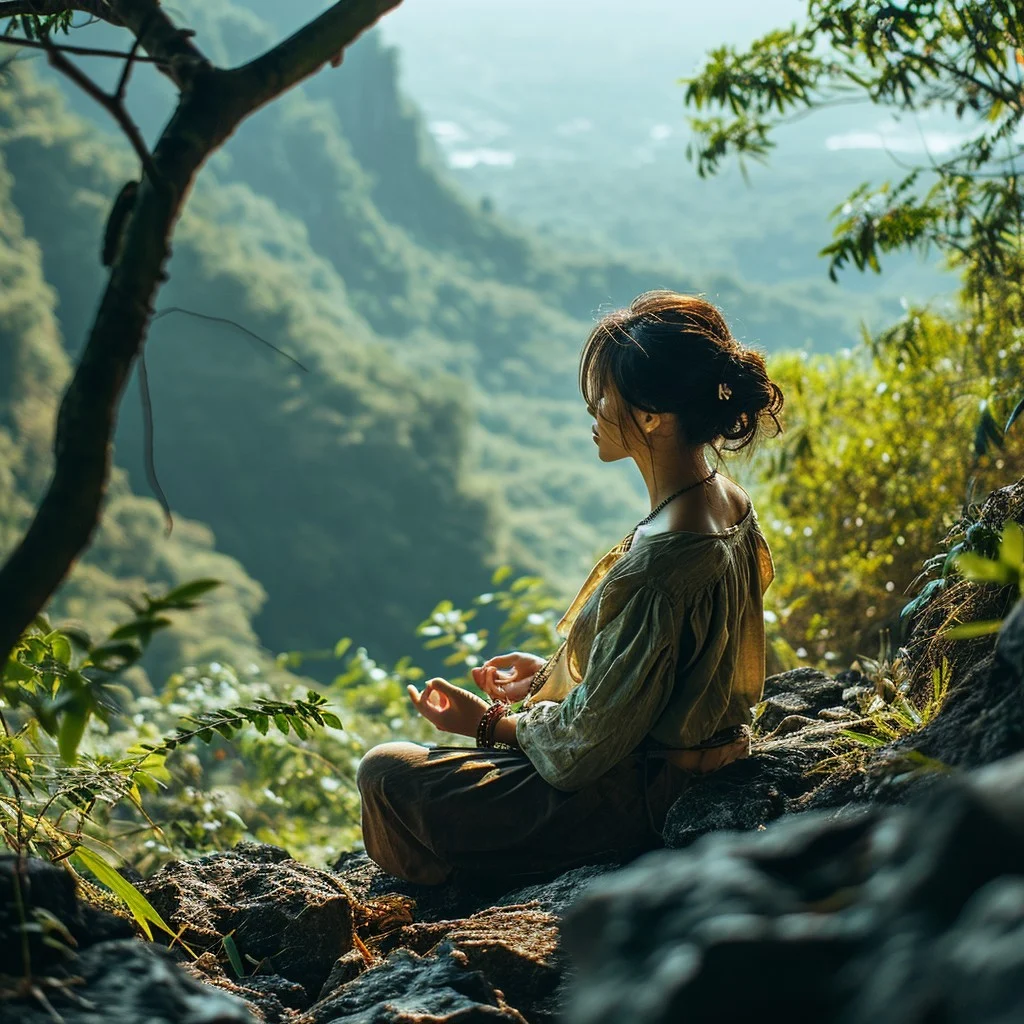
Your Sri Lanka Solo Adventure Awaits
Meet like-minded travelers · Explore ancient wonders · Create unforgettable memories
Rediscover Journey: Sri Lanka’s Cultural & Heritage Treasures
Sri Lanka, the resplendent island in the Indian Ocean, holds within its compact geography an extraordinary tapestry of cultural heritage that spans over two millennia. From ancient kingdoms to colonial-era architecture, from sacred Buddhist sites to vibrant Hindu temples, this island nation offers cultural and heritage tourists an unparalleled journey through time.
With eight UNESCO World Heritage Sites and countless other archaeological treasures, Sri Lanka stands as a living museum where the past breathes alongside the present. Let’s rediscover the cultural gems that make this island a must-visit destination for heritage enthusiasts.
The Cultural Triangle: Heart of Ancient Civilization
The Cultural Triangle, encompassing Anuradhapura, Polonnaruwa, and Sigiriya, forms the sacred heartland of Sri Lanka’s ancient Buddhist civilization. This region preserves some of the most significant archaeological and architectural achievements in South Asian history.
Anuradhapura: The Sacred Ancient Capital
As Sri Lanka’s first capital, Anuradhapura flourished for 1,300 years and remains one of the most sacred Buddhist pilgrimage sites in the world. Founded in the 4th century BCE, this ancient city showcases the architectural brilliance and spiritual devotion of early Sinhalese civilization.
Must-Visit Heritage Sites:
- Sri Maha Bodhi: The sacred Bo tree, grown from a sapling of the original tree under which Buddha attained enlightenment, has been continuously documented for over 2,300 years, making it the oldest historically authenticated tree in the world.
- Ruwanwelisaya Stupa: This magnificent white-domed stupa, built in 140 BCE, stands as a testament to ancient engineering prowess and remains an active site of worship.
- Jetavanarama: Once the world’s third-tallest structure, this 3rd-century stupa demonstrates the ambition and skill of ancient Sri Lankan builders.
- Twin Ponds (Kuttam Pokuna): These intricately designed bathing tanks showcase advanced hydraulic engineering from the 6th century CE.
Polonnaruwa: The Medieval Masterpiece
Succeeding Anuradhapura as the capital in the 11th century, Polonnaruwa represents the golden age of Sinhalese civilization. Compact and well-preserved, this archaeological park offers an intimate glimpse into medieval Sri Lankan life.
Highlights:
- Gal Vihara: Four colossal Buddha statues carved from a single granite rock face in the 12th century, including a breathtaking 14-meter reclining Buddha.
- Royal Palace of King Parakramabahu: The ruins of this seven-story palace complex reveal the grandeur of medieval royal life.
- Parakrama Samudra: This massive 12th-century reservoir, nicknamed the ‘Sea of Parakrama,’ demonstrates sophisticated water management systems.
- Rankoth Vehera: The largest stupa in Polonnaruwa, built in the architectural style that influenced later Sri Lankan design.
Sigiriya: The Eighth Wonder of the World
Rising 200 meters above the surrounding plains, Sigiriya Rock Fortress stands as one of Asia’s most spectacular archaeological sites. Built by King Kashyapa in the 5th century CE, this magnificent complex combines natural grandeur with human ingenuity.
What Makes Sigiriya Extraordinary:
- The Frescoes: Ancient paintings of celestial maidens, preserved for 1,500 years on the western cliff face.
- Mirror Wall: Originally polished so smoothly the king could see his reflection, it now bears ancient graffiti from 8th-century visitors.
- Water Gardens: Among the oldest landscaped gardens in the world, featuring sophisticated hydraulic systems that still function.
- Lion’s Gate: The colossal lion paws marking the entrance to the upper palace, giving Sigiriya (Lion Rock) its name.
Kandy: The Hill Capital of Sacred Tradition
Nestled in the misty hills of central Sri Lanka, Kandy served as the last capital of the Sinhalese kingdoms and remains the spiritual heartland of Buddhism. This UNESCO World Heritage city seamlessly blends natural beauty with profound cultural significance.
Cultural Treasures:
- Temple of the Sacred Tooth Relic: Home to Buddha’s tooth relic, this temple is the most important Buddhist shrine in Sri Lanka and attracts thousands of pilgrims daily.
- Esala Perahera: Witness one of Asia’s most spectacular festivals (July/August), featuring decorated elephants, traditional dancers, and drummers in a ten-day celebration.
- Royal Botanical Gardens, Peradeniya: Originally a royal pleasure garden, these 147-acre botanical gardens showcase Sri Lanka’s incredible biodiversity.
- Traditional Arts Centre: Experience living heritage through demonstrations of Kandyan dancing, drumming, wood carving, and batik making.
Dambulla Cave Temple: An Underground Wonder
This extensive cave temple complex, dating to the 1st century BCE, represents the finest example of ancient Sri Lankan religious art. Five caves house over 150 Buddha statues and cover 2,100 square meters of painted walls and ceilings.
Notable Features:
- Cave of the Divine King: Features a 14-meter reclining Buddha and vivid ceiling murals depicting the Buddha’s life.
- Cave of the Great Kings: The largest and most spectacular cave, with 56 Buddha statues and extensive Kandyan-era paintings.
- Continuous Worship: Unlike many ancient sites, Dambulla remains an active monastery, allowing visitors to witness living Buddhist traditions.
Galle Fort: Colonial Heritage by the Sea
This UNESCO World Heritage site represents the finest example of a fortified city built by Europeans in South Asia. Founded by the Portuguese in the 16th century and extensively fortified by the Dutch in the 17th century, Galle Fort remains a living city where history and modern life intertwine.
Colonial Landmarks:
- Dutch Reformed Church: Built in 1755, this church features floor tiles commemorating Dutch colonial families.
- Galle Lighthouse: Dating to 1848, this British-era lighthouse still guides ships into the harbor.
- Old Dutch Hospital: Now transformed into a boutique shopping and dining complex while preserving its colonial architecture.
- The Ramparts: Walk along the massive fortification walls for sunset views over the Indian Ocean.
Jaffna: Tamil Heritage in the North
The cultural capital of Sri Lanka’s Tamil community, Jaffna offers a distinct heritage experience. Recently reopened to tourism, this northern peninsula preserves centuries of Tamil culture, Hindu traditions, and a unique blend of South Indian and Sri Lankan influences.
Heritage Sites:
- Nallur Kandaswamy Kovil: The most significant Hindu temple in Sri Lanka, with stunning Dravidian architecture and vibrant annual festivals.
- Jaffna Fort: Originally built by the Portuguese in 1619, expanded by the Dutch, and later modified by the British.
- Nagadeepa Purana Vihara: A sacred Buddhist temple on Nainativu Island, marking a place where Buddha is believed to have visited.
- Jaffna Public Library: Rebuilt after destruction, this architectural gem once housed one of Asia’s finest collections of Tamil manuscripts.
Adam’s Peak: Sacred Summit for All Faiths
Rising 2,243 meters above sea level, Adam’s Peak (Sri Pada) holds spiritual significance for Buddhists, Hindus, Muslims, and Christians. The ‘Sacred Footprint’ at the summit is revered as the footprint of Buddha, Shiva, Adam, or St. Thomas, depending on one’s faith. The pilgrimage season (December to May) sees thousands climbing the 5,500 steps through the night to witness sunrise from this holy mountain.
Beyond the Famous Sites: Hidden Heritage Gems
Yapahuwa Rock Fortress: Often called ‘Mini Sigiriya,’ this 13th-century capital features an ornate stairway and panoramic views.
Ritigala Monastery: A mystical forest monastery complex dating to the 1st century BCE, shrouded in jungle and legend.
Mulkirigala Rock Temple: A cave temple complex in southern Sri Lanka with stunning murals and rock-cut Buddha statues.
Sithulpawwa Monastery: An ancient hermitage in Yala National Park where monks have meditated for over 2,000 years.
Planning Your Cultural Heritage Journey
Best Time to Visit:
- Cultural Triangle: December to March (dry season, cooler temperatures)
- Kandy: Year-round, but July/August for Esala Perahera festival
- Southern Coast (Galle): November to April
- Northern Region (Jaffna): December to March
Essential Tips for Heritage Tourists:
- Dress Code: Wear modest clothing covering shoulders and knees at religious sites. Remove shoes and hats before entering temples.
- Photography: Never pose with your back to a Buddha statue. Ask permission before photographing monks or worshippers.
- Guided Tours: Hire licensed cultural heritage guides to understand the historical context and stories behind the sites.
- Cultural Triangle Pass: Purchase the round ticket covering major sites in Anuradhapura, Polonnaruwa, and Sigiriya for better value.
- Timing: Visit major sites early morning (6-8 AM) or late afternoon (4-6 PM) to avoid heat and crowds.
Suggested Itineraries:
7-Day Cultural Heritage Tour:
- Day 1-2: Colombo arrival, transfer to Anuradhapura
- Day 3: Mihintale and Aukana Buddha, transfer to Sigiriya
- Day 4: Sigiriya Rock and Dambulla Cave Temple
- Day 5: Polonnaruwa, transfer to Kandy
- Day 6: Kandy city tour and cultural show
- Day 7: Return to Colombo
10-Day Comprehensive Heritage Circuit:
- Add days in Galle (2 days) and Jaffna (2 days) to the above itinerary, plus an optional Adam’s Peak climb.
Conclusion: A Living Heritage Experience
Sri Lanka’s cultural and heritage treasures offer more than just ancient monuments and colonial architecture. They provide a window into civilizations that mastered engineering, art, and spirituality thousands of years ago. What makes Sri Lanka truly special is that these sites remain living spaces of worship and community, where ancient traditions continue to thrive.
From the sacred Bo tree that has stood for 2,300 years to the vibrant festivals celebrated in centuries-old temples, from the ingenious water gardens of Sigiriya to the fortified colonial charm of Galle, Sri Lanka invites you to not just observe history, but to feel its pulse.
Whether you’re climbing the 5,500 steps to Adam’s Peak alongside pilgrims, watching the sunset from Galle’s ramparts, or standing in awe before the colossal Buddha statues of Gal Vihara, you’re not just visiting sites you’re rediscovering journeys taken by countless generations before you.
Rediscover Journey Sri Lanka invites you to experience this extraordinary heritage with respect, wonder, and an open heart. The island’s cultural treasures await your discovery.
Ready to rediscover Sri Lanka’s cultural heritage?
Contact Rediscover Journey Sri Lanka Travel for expertly curated heritage tours
www.rediscoverjourneysrilanka.com | [email protected]
Book Your Adventure
Ready to experience this coastal paradise? Plan your trip with Rediscover Journeys and create unforgettable memories at Hiriketiya Beach.
📩 Visit: Rediscover Journeys to book now.
Contact Us Today!
Ready to plan your dream group tour in Sri Lanka? Let us help you craft the perfect itinerary for a truly magical experience.
👉 Contact Rediscover Journeys now to explore our Sri Lanka group tour packages, designed for families, solo travelers, and adventure seekers alike.
Reviews and Recommendations
Don't just take our word for it! Check out these incredible reviews from past travelers:
Read about other travelers' experiences on TripAdvisor, where Rediscover Journeys has garnered rave reviews for its safe and well-organized tours.
Read ReviewsVisit Trustpilot for more real-life testimonials from travelers who have fallen in love with Sri Lanka's beauty and hospitality.
Read ReviewsExplore Related Topics

Frequently Asked Questions
Everything you need to know about traveling in Sri Lanka