
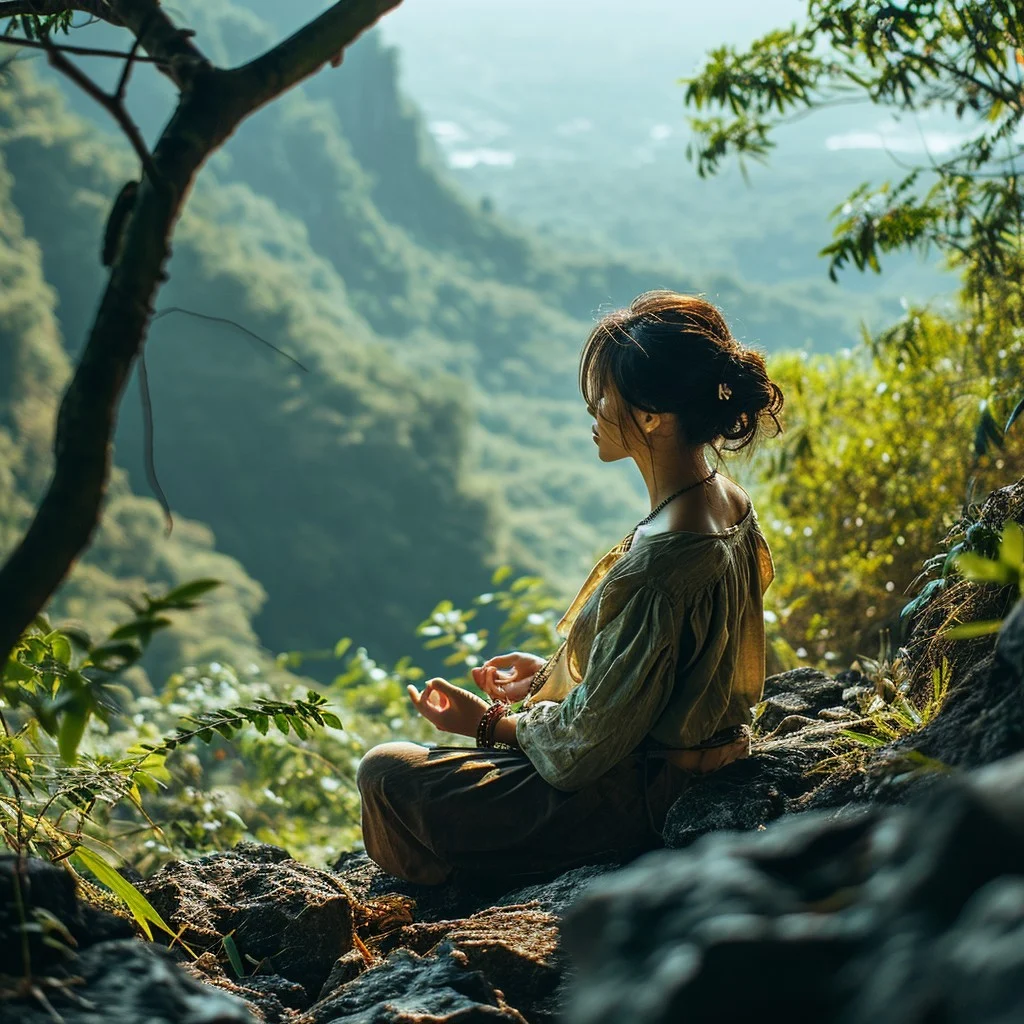
Your Sri Lanka Solo Adventure Awaits
Meet like-minded travelers · Explore ancient wonders · Create unforgettable memories
Sri Lanka’s Best Luxury Resorts & Unique Stays: The Ultimate Guide for 2026
Sri Lanka’s Best Luxury Resorts & Unique Stays: The Ultimate Guide for 2026
Discover Sri Lanka’s best luxury resorts and unique stays for 2026 – from Cape Weligama’s cliff-top villas to Wild Coast Tented Lodge and sustainable retreats in the hill country.
Introduction: The Art of Island Luxury
Sri Lanka, with its stunning landscapes, vibrant culture, and rich heritage, has become one of the top destinations for travellers seeking luxury and unique accommodations. Whether you’re looking for a serene beach resort, a private jungle retreat, or an eco-friendly villa, Sri Lanka offers a variety of exceptional stays that cater to every desire.
In 2026, the island’s luxury hospitality scene is more diverse and compelling than ever. From cliff-top Relais & Châteaux properties and intimate wildlife tented camps to sustainable lakefront retreats and colonial tea bungalows, the Pearl of the Indian Ocean promises comfort, exclusivity, and unforgettable experiences.
This guide explores Sri Lanka’s best luxury resorts and unique stays, ensuring your journey to this paradise island is filled with discovery and indulgence.
1. Cape Weligama – Luxury Beachfront Bliss
Location: Weligama, Southern Coast
Highlights: Private cliff-top villas, crescent-shaped infinity pool, Relais & Châteaux
Situated on the southern coast, Cape Weligama is one of Sri Lanka’s top luxury beach resorts. Overlooking the Indian Ocean, this celebrated Relais & Châteaux property and part of the esteemed Resplendent Ceylon collection offers 39 freestanding villas and suites, each with spectacular 270-degree ocean views.
The standout architectural feature is the Crescent Pool a massive curved infinity pool that traces the edge of the cliff, appearing to merge directly with the sea . Dining focuses on fresh seafood and local ingredients across several atmospheric venues, with the Ocean Terrace offering the best panoramic views. For a truly unforgettable experience, the resort’s dedicated dive centre can arrange a private whale and dolphin watching excursion right from the bay .
Best time to visit: December to April, when the weather is ideal for beach lovers.
2. Wild Coast Tented Lodge – A Unique Safari Experience
Location: Yala National Park
Highlights: Cocoon-shaped tents, private plunge pools, Relais & Châteaux
For those seeking something more adventurous, Wild Coast Tented Lodge in Yala National Park provides a unique combination of luxury and wildlife experiences. These tented cocoons blend seamlessly into the surrounding jungle, offering modern amenities while immersing you in nature.
The 28 freestanding canvas-like cocoon suites 12 with private pools are scattered around wildlife-attracting waterholes . Dutch architects Atelier Nomadic intended these accommodation clusters to appear as leopard paw prints aerially, embedding the resort within its semi-arid landscape . There is no fence separating guests from leopards, elephants, crocodiles, and sloth bears, adding to the sense of being truly in the wild.
Best time to visit: February to June, when wildlife sightings are most frequent in Yala.
3. Ceylon Tea Trails – Luxury in the Hill Country
Location: Nuwara Eliya, Central Highlands
Highlights: Five historic tea-planter bungalows, butler service, Relais & Châteaux
Located in the heart of Sri Lanka’s tea country, Ceylon Tea Trails is a collection of colonial-era bungalows offering luxury amidst rolling tea plantations. This exclusive property is perfect for those looking to unwind in a tranquil, lush setting while enjoying world-class service.
The collection comprises five historic bungalows spread across 2,000 hectares of tea country, each with 5 or 6 rooms . Built between 1888 and 1923, these bungalows have been meticulously restored to preserve their heritage character. The fully inclusive rates cover gourmet à la carte meals, beverages including wines and spirits, laundry, and the Tea Experience. Personalised butler service starts with “Bed Tea” upon waking.
Best time to visit: January to April, ensuring clear skies and beautiful scenery.
4. Tri Lanka – Sustainable Luxury by Koggala Lake
Location: Koggala Lake, Southern Province
Highlights: Solar-powered villas, organic cuisine, sustainable luxury
Tri Lanka is a haven for eco-conscious travellers. Located on the shores of Koggala Lake, this boutique hotel emphasises sustainability without compromising on luxury. From its solar-powered villas to its organic cuisine, Tri Lanka is perfect for those who value both comfort and environmental responsibility.
The property’s design does most of the work: natural materials, earth tones, and open-air spaces create a seamless connection with the lake and surrounding forest. Guests can enjoy private boat excursions on Koggala Lake, yoga sessions overlooking the water, and organic farm-to-table dining experiences.
Best time to visit: November to March, when the weather is calm and pleasant.
5. Ulagalla – Heritage Meets Luxury
Location: Anuradhapura, Cultural Triangle
Highlights: Eco-resort, horseback riding, archery, temple visits
For a more cultural experience, Ulagalla in the ancient city of Anuradhapura offers luxurious villas amidst lush greenery, with horseback riding, archery, and temple visits available to guests. This eco-resort beautifully blends Sri Lankan history with modern-day luxury, offering guests a chance to explore the cultural heart of the island.
The property features private pool villas with outdoor living spaces, surrounded by rice paddies and tropical gardens. Activities include cycling through the countryside, cooking classes using ingredients from the on-site organic farm, and guided tours of the nearby ancient capitals.
Best time to visit: August to October, during the less humid months.
6. Hilton Yala Resort – Where Conservation Meets Comfort
Location: Edge of Yala National Park
Highlights: 42 nature-inspired rooms, private plunge pools, FGASA-certified safaris
Hilton made a bold statement in 2025 with the opening of Hilton Yala Resort, its third flagship-branded property in Sri Lanka and perhaps its most ambitious yet. Perched right on the edge of Yala National Park, the resort is where the untamed wilderness of Sri Lanka meets the refined warmth of Hilton hospitality.
The 42 rooms, suites, and villas are wrapped in neutral tones and safari-chic accents. Floor-to-ceiling windows frame panoramic views of lush greenery and the Indian Ocean. Ground-floor rooms come with private plunge pools, while upper-level suites boast private hot tubs. Guests can sign up for twice-daily, customisable safaris led by locally trained rangers. The resort has partnered with the Wildlife and Nature Protection Society (WNPS), Leopard Diary, and the Wilderness and Wildlife Conservation Trust to support local wildlife research.
Ayurveda and Wellness Retreats in Sri Lanka
Sri Lanka is one of the world’s most authentic Ayurvedic destinations, with a healing tradition that spans over 3,000 years. Beyond the beach resorts and wildlife camps, the island offers a growing collection of wellness retreats blending ancient healing practices with modern luxury.
Santani Wellness Kandy
Located on a former tea estate near Kandy, Santani Wellness is Sri Lanka’s first purpose-built wellness resort. It earned a Michelin Key in 2025 making it the only wellness-led destination in Sri Lanka to achieve such recognition. The retreat operates on the principle that “recovery whether physical or mental requires reduction” . Daily yoga, meditation, and doctor-led wellness programmes are tailored to each guest.
Amuna Ayurveda and Wellness Retreat
Nestled amidst the lush greenery of Dambulla, Amuna embraces a philosophy of harmony between nature, body, and spirit. Programmes include detoxification (Panchakarma), stress relief, rejuvenation, weight management, gut health support, and wellness for longevity .
Sri Lanka Adventure Tours
For those seeking more than relaxation, Sri Lanka offers a wealth of adventure experiences:
-
Wildlife Safaris: Yala, Udawalawe, Wilpattu, and Minneriya National Parks
-
Trekking: Knuckles Mountain Range, Adam’s Peak, and Ella Rock
-
Water Sports: Surfing in Arugam Bay, scuba diving in Hikkaduwa, snorkelling in Pigeon Island
-
Scenic Train Journeys: The iconic Kandy-to-Ella route through tea plantations
-
Hot Air Ballooning: Over the Cultural Triangle at sunrise
Final Thoughts
Whether you’re looking for a luxurious beach escape, a unique wildlife adventure, or a peaceful retreat in the hills, Sri Lanka’s best luxury resorts promise unforgettable experiences. With rich cultural heritage, diverse landscapes, and a growing selection of unique stays, your visit to Sri Lanka will be nothing short of extraordinary.
Ready to plan your luxury Sri Lanka getaway?
Rediscover Journeys is a boutique Sri Lanka tour operator with a 4.9/5 TrustScore on Trustpilot and the TripAdvisor Travellers’ Choice Award 2025. Fully licensed by the SLTDA with 35+ years of collective expertise, they specialise in luxury private tours, tailor-made holidays, and authentic cultural experiences including stays at Sri Lanka’s finest resorts.
📞 Call us: +94 777 911 276 (24/7)
📧 Email: [email protected]
🌐 Visit: rediscoversrilanka.com
Book Your Adventure
Ready to experience this coastal paradise? Plan your trip with Rediscover Journeys and create unforgettable memories at Hiriketiya Beach.
📩 Visit: Rediscover Journeys to book now.
Contact Us Today!
Ready to plan your dream group tour in Sri Lanka? Let us help you craft the perfect itinerary for a truly magical experience.
👉 Contact Rediscover Journeys now to explore our Sri Lanka group tour packages, designed for families, solo travelers, and adventure seekers alike.
Reviews and Recommendations
Don't just take our word for it! Check out these incredible reviews from past travelers:
Read about other travelers' experiences on TripAdvisor, where Rediscover Journeys has garnered rave reviews for its safe and well-organized tours.
Read ReviewsVisit Trustpilot for more real-life testimonials from travelers who have fallen in love with Sri Lanka's beauty and hospitality.
Read ReviewsExplore Related Topics

Frequently Asked Questions
Everything you need to know about traveling in Sri Lanka