
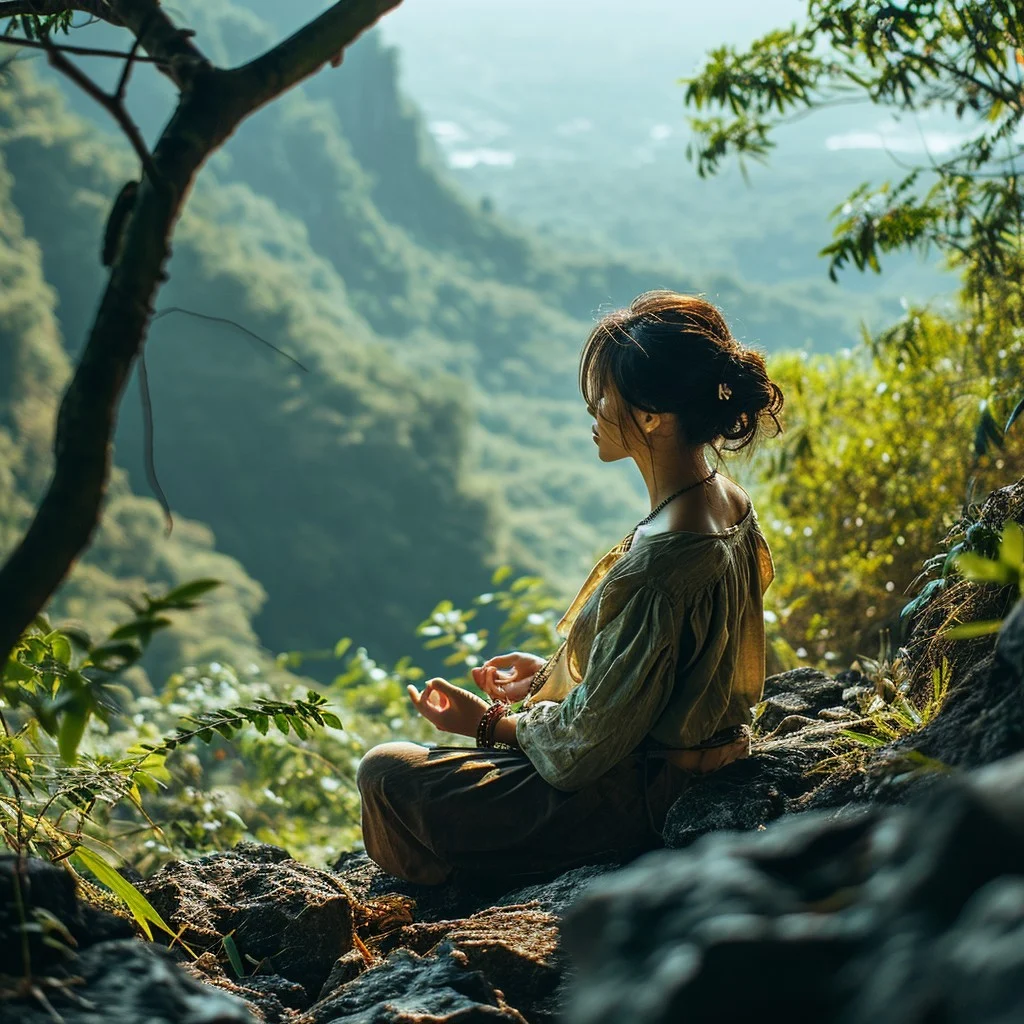
Your Sri Lanka Solo Adventure Awaits
Meet like-minded travelers · Explore ancient wonders · Create unforgettable memories
Why Local Sri Lanka Tour Operators Beat International Agencies [2025 Guide]
Sri Lanka tour operators have built an impressive track record. Top local agencies have received over 2,000 reviews and maintain 99% customer satisfaction rates. Local operators consistently demonstrate better service than international agencies through their deep understanding of this stunning island nation.
Local expertise makes the most important difference between travel agents in Sri Lanka and international alternatives. This beautiful country sits in the Indian Ocean off India’s coast and offers everything from pristine beaches to abundant wildlife. Local travel agencies in Sri Lanka deliver customized experiences, flexible itineraries, and authentic cultural insights that bigger international companies simply cannot match.
Understanding Local Sri Lanka Tour Operators
Sri Lankan tour operators who serve international travelers must meet strict requirements. These businesses shape visitors’ experiences throughout this beautiful island nation.
What defines a local tour operator
Sri Lankan tour operators coordinate travel arrangements for foreign visitors. They take care of transportation bookings and accommodation arrangements . Their offices need proper furnishing and dedicated phone lines for business transactions
The rules state that Sri Lankan citizens must own most shares in capital contribution or paid-up capital Companies need a minimum paid-up capital of Rs. 1 million, while sole proprietorships and partnerships require Rs. 1.2 million
Key players in Sri Lankan market
The tourism sector in Sri Lanka has both new and 10-year old operators. Many local agencies show their dedication through detailed service packages. These companies focus on:
- Tour guides who know local areas inside out
- Direct partnerships with quality hotels
- Custom travel plans without forced shopping stops
Successful operators run websites that show tour details, emergency numbers, and promotional material . They hire qualified professionals who specialize in transport, accommodation, and airline ticketing
Government regulations and certifications
The Sri Lanka Tourism Development Authority (SLTDA) manages the rules for tour operators. Registration happens in two steps:
Operators get a six-month provisional certificate after submitting their documents [2]. The SLTDA then reviews their performance through field visits before giving formal registration [2].
The main certification needs include:
- Bank guarantees (Rs. 100,000 for companies, Rs. 120,000 for sole proprietorships) [2]
- SLTDA-licensed tourist guides on staff [1]
- Active accounts in Sri Lankan banks [1]
- Clean record under financial laws [1]
Operators must follow specific standards. They should work with approved agencies for adventure activities [1]. Staff members need SLTDA registration and training in operational guidelines [4].
Safety and quality are vital parts of certification. Companies must have proper insurance and emergency response plans [4]. They need to report COVID-19 cases right away through the 1912 hotline [4].
Health authority coordination is essential. Operators must tell the Area Medical Officer of Health and COVID Taskforce about transport details after each booking [4]. This helps monitor and maintain safety across tourism services.
Different service types have unique rules. City tour providers need valid business registration and registered guides for their tours .
Recent changes have brought new requirements. Operators help with online visa applications through eta.gov.lk and make sure tourists download the ‘Visit Sri Lanka’ app [4]. These digital tools make the tourist experience better and improve service quality across the industry.
Cost Benefits of Booking Local
Local Sri Lankan travel agencies help travelers save substantial money compared to international alternatives. Smart travelers should understand the pricing structure and potential hidden costs to make informed decisions about their travel experience.
Direct pricing comparison
Local operators deliver exceptional value through their direct connections with service providers. A detailed analysis shows a 5-day solo trip to Sri Lanka costs approximately USD 720 [6]. This price point strikes an excellent balance between comfort and affordability.
Couples or group travelers can explore Sri Lanka’s wonders at GBP 23.82 per day [7]. In spite of that, luxury seekers might spend up to GBP 397.08 daily based on their accommodation choices and touring priorities [7].
Local operators’ accommodation rates show big savings:
- Simple rooms in homestays: GBP 8.66-22 per night
- Mid-range hotels: GBP 23.82-119.12 per night [4]
- Self-catering apartments: GBP 17.47-112 per night
Transportation costs stay reasonable through local agencies:
- Local busses: GBP 0.87-3.40 one way
- Reserved air-conditioned trains: GBP 5.40-11.25
- Airport transfers: Approximately 5,000 rupees plus 400 rupees for toll charges
Hidden fees to watch for
Local operators offer competitive rates, but some hidden costs need attention. Payment processing fees can substantially affect the final price – some payment apps charge up to 18% above the quoted price .
Service charges and taxes often surprise travelers. Many establishments add:
- 10% service charge
- 12% VAT
- 1% Tourist Development Tax
- 2% Nation-Building Tax in upmarket hotels [7]
Attraction entrance fees add another major expense, especially for foreign visitors. National parks charge locals around 25 cents while overseas visitors pay about GBP 19.85 after various taxes and charges [7]. Cultural sites like Anuradhapura cost foreigners GBP 19.85 while locals enter free [7].
These strategies help minimize unexpected costs:
- Book accommodations early – last-minute bookings usually cost more
- Travel during shoulder season when good weather combines with lower prices
- Choose triple rooms instead of separate double and single rooms
- Ask for detailed pricing breakdowns, particularly for activity entrance fees [8]
Local operators get better rates through their long-standing relationships with hotels, particularly during off-peak seasons . Be careful with online reviews – look out for repeated reviews from the same users or suspicious language patterns that might indicate fake testimonials
Food prices stay reasonable when local operators guide you to authentic establishments:
- Rice and curry: GBP 1.75-5.45
- Coffee: GBP 1.75-4.40
- Mid-range restaurant dinner for two: GBP 13.54-24.50
Sri Lanka remains an affordable destination compared to Western countries [4], despite some price differences at tourist attractions. Local operators help you get the most value by connecting you with authentic experiences while avoiding tourist traps . Their skill at bundling services like accommodations, meals, and activities often leads to better discounts than booking everything separately
Cultural Knowledge and Authenticity
Sri Lankan tourism thrives on real cultural experiences, where certified local guides share centuries of traditions and stories. Sri Lanka Tourism authorizes two types of professional tourist guides: National Tourist Guides who work with larger groups and Chauffeur Tourist Guides who offer more personal experiences
Local guides and their expertise
Sri Lankan tour guides speak multiple languages including English along with native Sinhala and Tamil . These skilled professionals bring destinations to life with their deep knowledge of cultural nuances. Visitors learn about local customs and traditions through their expert guidance.
Professional guides receive intensive training to explain:
- Stories of ancient civilizations and historical landmarks
- Religious ceremonies and cultural rituals
- Traditional art forms and crafts
- Local folklore and mythology passed through generations
These guides go beyond simple qualifications to become experts in wildlife, history, and cultural heritage . Their knowledge reaches way beyond tourist hotspots. They know hidden cultural gems and authentic local spots that most travelers would never find on their own.
Access to authentic experiences
Local operators focus on real cultural immersion through carefully selected experiences. They skip tourist traps and help travelers experience genuine Sri Lankan life [11]. These experiences typically include:
Village life immersion with:
- Local farming activities you can try
- Real cooking demos by regional chefs
- Traditional craft workshops
- Cultural ceremonies and festivals
Guides give detailed explanations about ancient architectural wonders and their place in history at cultural sites. Stories of sacred temples, historic forts, and cultural monuments that shaped Sri Lanka’s identity come alive through their narratives
Local operators have built strong relationships with small, locally-owned hotels and community projects [11]. This connection means tourism money goes straight to local communities, creating a more eco-friendly and authentic travel experience.
Language and communication advantages
Guides excel at bridging language gaps, which is crucial for cultural understanding. They speak multiple languages – English, French, German, Japanese, Korean, Russian, and Chinese, plus native languages. This skill ensures smooth communication .
Their language expertise helps in many ways:
- Breaking down complex cultural concepts
- Teaching traditional customs and etiquette
- Creating meaningful talks with local artisans
- Sharing ancient stories and historical accounts
These guides act as cultural interpreters who help visitors understand local social norms and customs. Their presence helps avoid cultural mix-ups and makes foreign visitors feel at home .
Strong community connections allow these guides to create genuine interactions that wouldn’t happen otherwise. Travelers get to meet craftspeople, religious leaders, and community elders, which are great ways to learn about Sri Lanka’s living heritage
Local guides do more than just translate – they’re cultural ambassadors who explain the meaning behind traditions and practices. They know everything from ancient Buddhist philosophies to modern social customs, giving travelers a complete picture of Sri Lankan culture [11].
These cultural specialists plan immersive activities from traditional dance shows to hands-on cooking classes. They arrange visits to working spice gardens and tea plantations where visitors experience Sri Lanka’s agricultural heritage firsthand . Travelers can join local festivals and ceremonies to feel the true warmth of Sri Lankan hospitality .
Customization and Flexibility
“Sri Lanka Local Tours is awesome. The tour flowed with flexibility which we loved. During our trip to Sri Lanka, we did not have to stick to our original tour itinerary and our guide was amazingly helpful in deciding to make adjustments for us.” Anonymous Customer, American traveler who used Sri Lanka Local Tours
Sri Lankan tour operators excel at creating personalized travel experiences. Their quick responses and flexible itineraries make them stand out from bigger international agencies. These operators show remarkable agility to craft unique trips that match travelers’ priorities.
Response times to requests
Sri Lankan travel agencies pride themselves on quick communication. Lanka Safe Tours has created dedicated WhatsApp groups with multiple team members to give swift responses to client questions [14]. Any available team member can help immediately through this innovative approach.
These agencies have English-speaking staff who excel at prompt communication [1]. Their integrated communication systems consistently show:
- Quick responses to first-time questions
- 24/7 availability for urgent matters
- Clear explanations of tour options and changes
Local operators stay available throughout the trip and provide live solutions to any concerns. Many agencies have created specialized communication channels for their clients’ convenience [14].
Ability to modify itineraries
Local Sri Lankan tour operators shine when it comes to flexibility. These agencies tailor experiences to match individual priorities and offer complete personalization in their tour packages . Their adaptability shows up in several ways:
They can modify tours by:
- Adding free time into scheduled tours for personal exploration
- Changing accommodation options based on budget and priorities
- Adding or removing activities based on what travelers like
- Adjusting transportation arrangements to fit group sizes
Small groups of 8-12 travelers allow greater flexibility in scheduling and route planning . This smaller size lets operators:
- Visit smaller villages and mountain roads
- Stop spontaneously between destinations
- Set up private visits to tea estates
- Help arrange unique experiences like traditional cooking lessons with local families
Local operators craft unique experiences with remarkable versatility. Columbus Tours, 23 years old, excels at picking charming accommodations and setting up specialist guided tours . They smoothly coordinate transitions between destinations and even help connect trips to nearby countries like the Maldives.
Operators start by understanding each traveler’s specific interests and priorities. They study proposed itineraries and research each location’s availability and transportation options [14]. This detailed planning ensures smooth execution while staying flexible for unexpected opportunities or changes.
Professional tour operators in Sri Lanka have built strong relationships with service providers of all types to handle complex logistics effectively . These connections are a great way to get quick alternatives for accommodations or activities when changes become necessary.
Operators also stay flexible with payments. They offer multiple payment options and reasonable package pricing while maintaining high service standards [14]. This financial flexibility and their willingness to adjust itineraries create a truly customizable travel experience.
Each aspect of the trip reflects personal touches. Local operators match specific comfort levels in accommodation choices and add unique experiences based on individual interests . Their attention to detail and careful planning turns every moment into something special that perfectly matches travelers’ wishes.
Local Connections and Networks
Sri Lanka’s most successful tour operators rely on strong partnerships to create exceptional travel experiences. These agencies have built extensive networks throughout the island nation’s hospitality sector over many years.
Relationships with hotels and services
Local tour operators thrive on their deep connections with premier accommodation providers. Their partnerships include properties of all sizes, from luxury resorts to boutique hotels. Top operators work closely with distinguished properties like Ceylon Tea Trails, Wild Coast Tented Lodge, and Santani Wellness.
Local travel agencies work hand in hand with prominent hotel chains such as:
- Jetwing Hotels – Sri Lanka’s largest family of luxury accommodations
- Cinnamon Hotels & Resorts – Operating 13 distinct properties across Sri Lanka and Maldives
- Resplendent Ceylon – The sole Sri Lankan member of Relais & Chateaux
Travelers gain real benefits from these partnerships. Local operators get preferential rates and room allocations through their direct relationships with hoteliers. They book over 400,000 room nights each year , which shows their significant booking power.
These operators also maintain strong connections with:
- Transportation providers
- Specialized adventure tour companies
- Wellness and spa facilities
- Local restaurants and dining establishments
Access to unique experiences
Local operators’ extensive networks open doors to extraordinary experiences that highlight Sri Lanka’s authentic charm. They organize immersive activities through community partnerships, such as bike rides through Bentota, visits to Virahaya Temple, and tours of the historic Lunuganga House .
These operators shine at creating unique cultural encounters. They set up:
- Guided tours through award-winning curry establishments in Colombo
- Exclusive access to Geoffrey Bawa’s country estate
- Authentic experiences along the Pekoe Trail that connect travelers with local tea communities
Simple activities transform into memorable adventures through these agencies. A tea estate visit becomes a rich experience where guests learn about culture, food, and local lifestyles . Operators arrange unique stays in Vedda-run lodges and traditional cooking sessions with smoked meat and cassava roots through their ties with Indigenous communities
The Market Development Facility (MDF) teams up with Sri Lanka Tourism Development Authority to create “micro-destinations” that engage local service providers in remote areas . This partnership has sparked successful projects like:
- Night markets in Unawatuna
- Wildlife safari operations at Kumana National Park
- Community-run homestays and beach campsites in Panama
These operators show their steadfast dedication to sustainable tourism through such partnerships. They craft excursions with long-term sustainability and community interests in mind . Their close ties with local establishments ensure tourism benefits reach communities directly while giving travelers authentic Sri Lankan experiences
Safety and Support Systems
“I would like to greatly recommend Sri Lanka to all of my friends. We were a little bit afraid because we arrived here on May 25th, 2019 after the incident happened. Our tour operator, Sri Lanka Local Tours wrote an email to ensure that the country has been safe so we made up our mind to begin our journey.” Anonymous Customer, Traveler who used Sri Lanka Local Tours
Sri Lankan local tour operators have resilient support systems ready to ensure traveler safety during emergencies. These agencies provide immediate help throughout the island nation through time-tested protocols and their presence on the ground.
Emergency response capabilities
Local travel agencies provide 24/7 emergency support through dedicated communication channels. They work directly with Colombo General Hospital’s Accident Service [26] and make access easier to emergency ambulance services through the national hotline 1990 [8] during medical emergencies.
The emergency response framework covers:
- Round-the-clock WhatsApp messaging support
- Direct coordination with local hospitals
- Immediate deployment of trained response teams
- Multilingual emergency assistance
Local operators ensure quick access to healthcare facilities whenever medical attention becomes needed. Medical treatment options outside main cities remain limited, so operators arrange transportation to Colombo’s advanced medical centers [26].
Local presence advantage
Sri Lankan tour operators’ physical presence provides unique benefits during emergencies. Help desks are maintained at:
- Major hotels
- International airports
- Tourist information centers
Their extensive local networks help them coordinate with:
- Tourist Police (011-2421052)
- Emergency Police Mobile Squad (011-5717171)
- Government Information Center (1919)
Years of connections with emergency services make local operators excellent at handling crises. Their teams know regional healthcare systems well and have direct relationships with medical facilities, which leads to faster emergency response times.
Insurance and liability coverage
Sri Lankan professional tour operators make complete insurance coverage a top priority. Travelers must show proof of adequate travel insurance before their bookings are confirmed . This insurance typically covers:
Medical emergencies and repatriation up to £5 million along with:
- Emergency medical expenses
- Hospital benefits
- Personal accident coverage
- Travel document protection
- Legal expenses
Private hospitals need proof of insurance or sufficient funds before treatment begins . Local operators make sure their clients have proper coverage throughout their stay. They help with:
- Insurance documentation verification
- Direct communication with insurance providers
- Coordination of medical evacuations
- Claims processing support
Medical treatment in private facilities can get pricey, so operators emphasize complete coverage [26]. Limited and expensive repatriation options make adequate insurance even more important [26].
Local operators carry their own liability coverage and cooperate with well-known insurance providers. These strategic collaborations give access to 24-hour medical assistance teams .They also coordinate emergency responses through various channels:
- Direct hospital liaisons
- Ambulance service arrangements
- Medical evacuation coordination
- Insurance claim facilitation
Local tour operators are a vital support system during emergencies. Their established networks, immediate presence, and deep understanding of local emergency services create a safety net that international agencies find hard to match.
Booking Process Comparison
Planning your dream Sri Lankan vacation starts with knowing the differences between local and international operator booking processes. A good understanding of these booking procedures will help you make better decisions about your trip arrangements.
Steps to book with local operators
Sri Lankan travel agencies follow a simplified booking process. Local destination experts connect with travelers to study their priorities and create tailored itineraries . These specialists give an explanation about the work to be done and help finalize the perfect tour arrangements.
Quality-focused operators follow strict standards during booking. Professional agencies prove their reliability through:
- Quick responses via email, messenger services, or phone calls
- The core team speaks English, French, German, and Spanish
- Current knowledge of accommodation options across the country
Professional operators check all service availability before confirming arrangements. This practice will give a smooth experience since hotels in Sri Lanka only confirm reservations after receiving advance payments
Payment and cancelation policies
Payment structures play a crucial role when booking through local operators. Most agencies use a two-phase payment system:
Payments:
- 50% advance payment
- Full payment required for bookings made within 30 days of arrival or On arrival
Standard Cancelation Terms:
- 60+ days before arrival: 100% refund
- 30-59 days: 95% refund
- Less than 30 days: 90% refund
- Within 7 days: Non-refundable
During the pandemic, many operators changed their policies. They offered 100% refunds for cancelations made within 21 days of arrival due to travel restrictions . This shows their steadfast dedication to customer satisfaction.
Bank transfers are the main payment method. Credit card options carry service fees between 3.85% and 4.5% . Operators usually cover bank charges for incoming transfers to keep pricing transparent .
Professional agencies keep you updated throughout the booking process. They send payment confirmations, travel vouchers, and essential documents . Reputable operators also use secure payment gateways with SSL protocols to protect your financial information .
Local operators focus on making booking simple while maintaining high standards. Their well-laid-out systems combine quick processes with flexibility, which are the foundations of memorable Sri Lankan adventures.
How to Choose the Right Local Operator
Finding a trustworthy travel partner is your first vital step when planning a Sri Lankan adventure. Good research and evaluation will help you find reliable local operators who can boost your experience in this beautiful island nation.
Evaluation criteria
Professional Sri Lankan tour operators show their credibility through several indicators. Licensed agencies run websites that merge tour information, valid contact details, and emergency numbers . Their core team knows how to handle transport coordination, accommodation management, and airline ticketing .
Essential credentials to verify include:
- Registration with Sri Lanka Tourism Development Authority
- Membership in recognized associations like SLAITO
- Bank guarantee submissions ranging from Rs. 100,000 to Rs. 120,000
- Current accounts with Sri Lankan banks [11]
Red flags to watch for
Spotting warning signs early helps you avoid risks. Be cautious of operators who show these concerning behaviors:
Communication Issues:
- Slow responses when you ask questions
- Unprofessional tone in correspondence
- Limited contact options or vague contact information
Operational Red Flags:
- Pushing you to book immediately without proper planning
- Unclear pricing structures or hidden fees
- Missing proper certifications
Good operators keep their communication channels open and give detailed quotes with clear costs . They also provide multiple ways to contact them and emergency numbers you can reach anytime .
Questions to ask before booking
A full picture requires specific questions about an operator’s services. Here are key points to ask about:
Service Standards: “What professional qualifications does your staff possess?”
- Look for operators who hire SLTDA-licensed tourist guides
- Check staff expertise in transport coordination and accommodation management
Safety Measures: “What emergency support systems do you maintain?”
- Check if they offer 24/7 emergency help
- Ask about insurance coverage and liability protection
Booking Details: “Could you explain your payment and cancelation policies?”
- Learn about deposit requirements and refund terms
- Check accepted payment methods and their fees
Reliable operators are transparent about their services, certifications, and procedures. Careful evaluation of these aspects helps you pick trustworthy partners for your Sri Lankan adventures.
Note that independent review platforms like TripAdvisor and Trustpilot give you a great way to get previous travelers’ feedback [3]. These reviews help you learn about an operator’s reliability and service quality. Pay attention to how potential operators handle your original questions – their response time and professionalism often show their service standards
Conclusion
Local Sri Lankan tour operators are the clear choice for travelers who want authentic island experiences. Their deep cultural knowledge, extensive local networks, and competitive pricing create exceptional value for visitors. International agencies might seem like safe options. But local operators deliver better service through their intimate understanding of Sri Lanka’s treasures.
The benefits become clear after perusing the facts. Local agencies save you money while delivering high service standards. Their long-standing relationships with hotels, transport providers, and activity operators lead to better rates and authentic experiences. On top of that, their strong safety protocols and emergency response systems give you peace of mind throughout your trip.
You should evaluate potential operators carefully using these criteria. Check for proper licensing, clear communication, and transparent pricing. Ready to start planning your Sri Lankan adventure? Contact a trusted local operator today to create your perfect itinerary.
Note that choosing the right local operator makes the difference between a standard vacation and an unforgettable trip through this beautiful island nation. Their tailored service, cultural insights, and commitment to authentic experiences will turn your Sri Lankan dreams into reality.
FAQs
Q1. What are the main benefits of choosing a local Sri Lankan tour operator? Local Sri Lankan tour operators offer deep cultural knowledge, extensive local networks, competitive pricing, and personalized service. They provide authentic experiences, better rates through established relationships, and robust safety protocols.
Q2. How do local tour operators in Sri Lanka ensure traveler safety? Local operators maintain 24/7 emergency support, coordinate with hospitals and emergency services, and have on-ground presence across the country. They also assist with travel insurance verification and claims processing.
Q3. What should I look for when selecting a local Sri Lankan tour operator? Look for operators registered with the Sri Lanka Tourism Development Authority, those with clear communication and transparent pricing, and agencies employing qualified staff and licensed guides. Check their emergency support systems and read independent reviews.
Q4. How does the booking process work with local Sri Lankan operators? The process typically involves direct communication with destination experts, customized itinerary creation, and a two-phase payment system. Most operators require a deposit upon booking and the balance due 14-30 days before arrival.
Q5. Are local Sri Lankan tour operators more cost-effective than international agencies? Yes, local operators often offer significant cost savings while maintaining high service standards. Their established relationships with local service providers and ability to customize experiences typically result in better value for travelers.
Book Your Dream Getaway to Sri Lanka Today!
Contact Us Today!
Ready to plan your dream group tour in Sri Lanka? Let us help you craft the perfect itinerary for a truly magical experience.
👉 Contact Rediscover Sri Lankanow to explore our Sri Lanka group tour packages, designed for families, solo travelers, and adventure seekers alike.
Reviews and Recommendations
Don’t just take our word for it! Check out these incredible reviews from past travelers:
- Tripadvisor: Read about other travelers’ experiences on Tripadvisor, where Rediscover Sri Lanka has garnered rave reviews for its safe and well-organized tours.
- Trustpilot: Visit Trustpilot for more real-life testimonials from travelers who have fallen in love with Sri Lanka’s beauty and hospitality.
Book Your Adventure
Ready to experience this coastal paradise? Plan your trip with Rediscover Journeys and create unforgettable memories at Hiriketiya Beach.
📩 Visit: Rediscover Journeys to book now.
Contact Us Today!
Ready to plan your dream group tour in Sri Lanka? Let us help you craft the perfect itinerary for a truly magical experience.
👉 Contact Rediscover Journeys now to explore our Sri Lanka group tour packages, designed for families, solo travelers, and adventure seekers alike.
Reviews and Recommendations
Don't just take our word for it! Check out these incredible reviews from past travelers:
Read about other travelers' experiences on TripAdvisor, where Rediscover Journeys has garnered rave reviews for its safe and well-organized tours.
Read ReviewsVisit Trustpilot for more real-life testimonials from travelers who have fallen in love with Sri Lanka's beauty and hospitality.
Read ReviewsExplore Related Topics

Frequently Asked Questions
Everything you need to know about traveling in Sri Lanka