
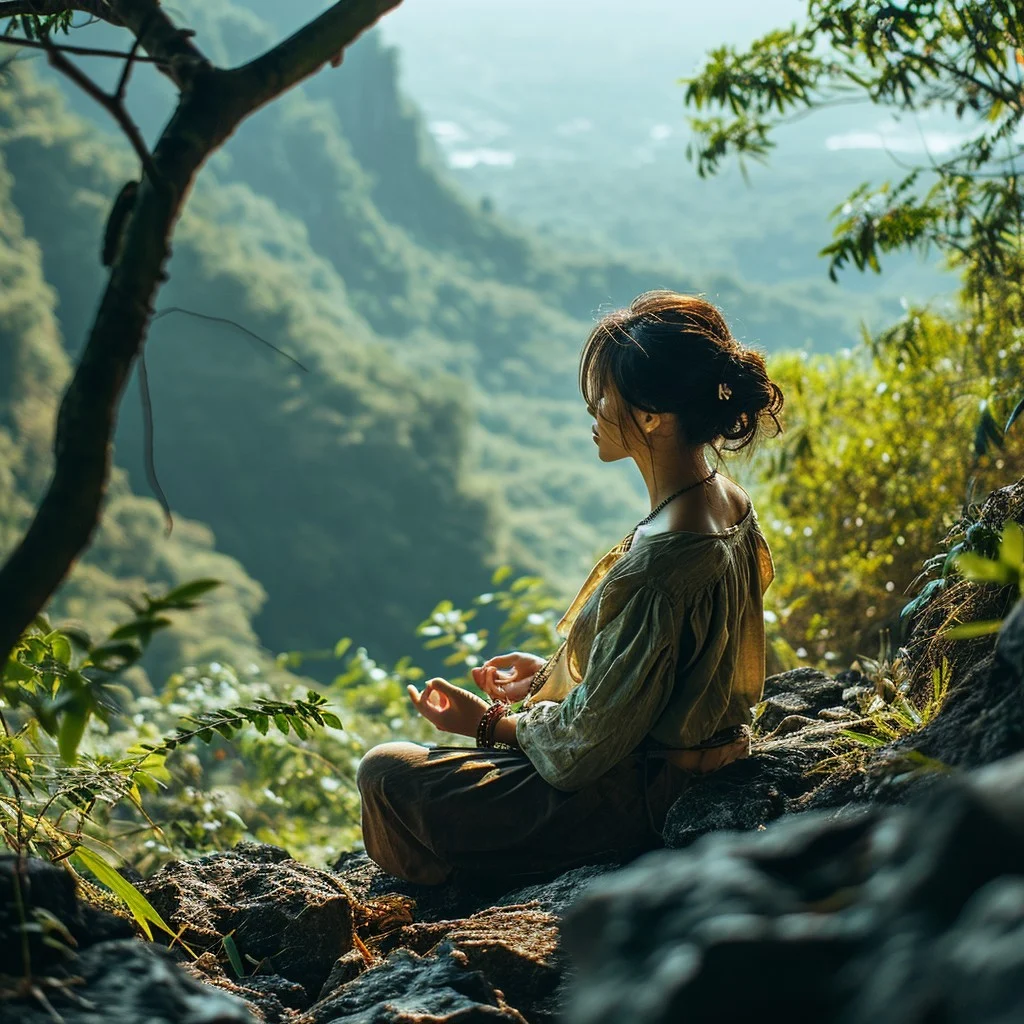
Your Sri Lanka Solo Adventure Awaits
Meet like-minded travelers · Explore ancient wonders · Create unforgettable memories
Why Travel to Sri Lanka as a Senior Traveler? 10 Compelling Reasons This Island Paradise Is Perfect for You
At 60, 65, or 70+, you’ve earned the right to travel on your own terms. No more rushing through airports, cramming into crowded tours, or pretending that uncomfortable accommodations are part of the “adventure.” You want meaningful experiences delivered with comfort, safety, and respect.
This is exactly why travel to Sri Lanka makes perfect sense for senior travelers.
Sri Lanka the teardrop-shaped island in the Indian Ocean has quietly become one of the world’s best destinations for travelers who appreciate quality over quantity, comfort over chaos, and genuine hospitality over superficial service.
Here are ten compelling reasons why your next journey should be to Sri Lanka.
1. Cultural Respect for Age and Wisdom Senior travelers
In Sri Lanka, age isn’t something to hide or apologize for it’s celebrated. Deeply rooted in Buddhist and Hindu traditions, Sri Lankan culture places enormous value on elders. This isn’t just a nice idea; it’s lived reality you’ll feel every day.
What this means for you:
- Hotel staff anticipate your needs before you ask
- Restaurant servers give you the best tables without being prompted
- Local guides adjust explanations and pace naturally
- Strangers offer assistance with genuine warmth
- You’re treated with the dignity you deserve
When you travel to Sri Lanka as a senior, you’re not tolerated you’re honored. That difference matters more than you might imagine.
2. Perfect Size: Compact Yet Incredibly Diverse
One of the biggest challenges of travel as you age? The exhaustion of long journeys between destinations. Sri Lanka solves this beautifully.
The entire island is roughly the size of Ireland or West Virginia. Yet within this compact space, you’ll find:
- Ancient cities with 2,000-year-old temples
- Misty tea plantations covering rolling hills
- Wildlife reserves home to elephants and leopards
- Pristine beaches with gentle waves
- Colonial architecture telling centuries of history
- Mountain landscapes offering cool retreat from tropical heat
The best part? You can experience this diversity without spending hours in transit. A three-hour drive might take you from beach to mountains, or from ancient ruins to wildlife reserves.
When you travel to Sri Lanka, you maximize experiences while minimizing travel fatigue.
3. Affordable Luxury That Stretches Your Budget
Let’s be honest: retirement income means being thoughtful about travel spending. But being budget-conscious doesn’t mean sacrificing comfort or quality.
Sri Lanka offers exceptional value compared to other international destinations:
Accommodation:
- Boutique hotels: $60-120 per night
- Heritage properties: $80-150 per night
- Luxury resorts: $150-300 per night
- All typically include breakfast and often other amenities
Dining:
- Quality restaurant meals: $10-20 per person
- Hotel dinners: $15-30 per person
- Fresh tropical fruits and tea: Incredibly affordable
Activities and Tours:
- Professional driver/guide: $50-80 per day
- Most temple admissions: $5-15
- Ayurvedic spa treatments: $30-60
- Wildlife safaris: $30-50
What this means: When you travel to Sri Lanka, $150-200 per day per person covers comfortable accommodation, all meals, transportation, and activities. That same budget might barely cover a hotel room in Paris or London.
Your pension or retirement savings go further, allowing you to stay longer and experience more.
4. English Is Widely Spoken
Few things create travel anxiety faster than language barriers especially when you’re dealing with health concerns, dietary needs, or simply asking for directions.
Sri Lanka removes this worry. As a former British colony, English is widely spoken, particularly in:
- Hotels and guesthouses
- Restaurants catering to tourists
- Tour operators and guides
- Shops in tourist areas
- Transportation services
Even in more remote areas, you’ll usually find someone who speaks enough English to help. Menus include English descriptions. Signs are bilingual. Medical professionals in cities are fluent.
When you travel to Sri Lanka, you can navigate confidently, communicate your needs clearly, and understand what’s happening around you.
5. Climate That Soothes Aging Bones
If you’ve spent winters shoveling snow or summers sweltering in humidity, Sri Lanka’s tropical climate feels like nature’s spa treatment.
Year-round warmth means:
- No painful winter cold aggravating arthritis
- Consistent temperatures that don’t shock your system
- Sunshine that lifts mood and spirits
- Warm ocean water for gentle swimming
But it’s not one-size-fits-all:
- Coastal areas: Warm and breezy (77-86°F)
- Hill country: Cool and refreshing (59-68°F)
- Cultural Triangle: Tropical warmth with shade
You can choose your comfort zone. Prefer cooler weather? Head to Nuwara Eliya’s tea country. Want beach warmth? The south coast awaits.
Travel to Sri Lanka means escaping harsh winters without enduring extreme heat.
6. Safe, Calm, and Stable
Safety concerns often prevent seniors from exploring new destinations. Sri Lanka has worked hard to become one of Asia’s safest travel destinations.
Why seniors feel secure:
- Low crime rates in tourist areas
- Visible tourism police in major sites
- Well-regulated tourism industry
- Stable political environment
- Good infrastructure in tourist regions
Practical safety:
- Reliable taxi and transportation services
- Reputable tour operators with insurance
- Modern hospitals in Colombo and major cities
- Emergency services responsive to tourists
- Fellow travelers often other seniors, creating comfortable social environment
Obviously, standard travel precautions apply anywhere. But compared to many international destinations, Sri Lanka offers reassuring stability. When you travel to Sri Lanka, you can relax and enjoy rather than constantly watching over your shoulder.
7. Food That Accommodates All Dietary Needs
Traveling with dietary restrictions or sensitive digestion? Sri Lanka handles this beautifully.
Rice and curry the national dish is naturally:
- Gluten-free
- Can be made mild or spicy to preference
- Easily modified for vegetarian/vegan diets
- Fresh and cooked to order in many places
But beyond local cuisine:
- International menus widely available
- Hotels accommodate special diets (give advance notice)
- Fresh fruits and vegetables abundant
- Dairy and meat quality good in tourist areas
- Bottled water everywhere for sensitive stomachs
Food safety is generally excellent in establishments catering to tourists. Unlike some Asian destinations where digestive distress is almost expected, Sri Lanka’s tourism sector maintains high food safety standards.
When you travel to Sri Lanka, you can enjoy exotic new flavors without worry or stick with familiar options if you prefer.
8. Rich Culture Without Physical Demands
Many destinations offer cultural richness but require exhausting physical effort to access it. Sri Lanka provides cultural depth without the strain.
Temple experiences:
- Many ancient sites have vehicle access to upper levels
- Shorter climbs have railings and rest points
- You can view most temple art and architecture from ground level
- Guides explain significance without requiring you to explore every corner
Museums and galleries:
- Well-maintained, air-conditioned spaces
- Seating available throughout
- Clear signage and explanations
- Manageable size you won’t spend exhausting hours walking
Cultural performances:
- Traditional dance shows with comfortable seating
- Drums, costumes, and storytelling brought to you
- Evening performances when temperatures cool
- Duration reasonable (60-90 minutes)
Living culture:
- Watch tea pickers at work from comfortable vantage points
- Experience local markets without pushing through crowds
- Visit craft workshops where artisans come to you
- Cooking demonstrations you can watch or join
Travel to Sri Lanka means accessing 2,500 years of culture without climbing mountains or enduring physical hardship.
9. Ayurveda: Ancient Wellness for Modern Needs
Sri Lanka is one of the world’s best destinations for authentic Ayurvedic treatments and these ancient practices align perfectly with senior wellness needs.
Ayurvedic treatments address:
- Joint pain and arthritis
- Circulation issues
- Sleep problems
- Digestive concerns
- Stress and anxiety
- General vitality
What to expect:
- Consultations with trained Ayurvedic physicians
- Personalized treatment plans
- Oil massages, herbal baths, steam treatments
- Dietary recommendations
- Yoga and meditation guidance
Unlike spa treatments in Western countries (which can be expensive and superficial), Ayurvedic treatments in Sri Lanka are:
- Affordable ($30-60 per treatment)
- Authentic and professionally delivered
- Based on centuries of medical knowledge
- Customized to your specific needs
- Available at hotels or dedicated wellness centers
Many seniors travel to Sri Lanka specifically for week-long or month-long Ayurvedic retreats. You can incorporate a few treatments into a general tour or make wellness your primary focus.
10. The Pace Is Entirely Yours Senior travelers
Perhaps the most important reason to travel to Sri Lanka as a senior? You control the pace.
Sri Lanka’s tourism infrastructure has evolved to support slow travel:
No rushing:
- Private drivers wait while you explore
- Tours designed with rest time built in
- Flexible schedules that accommodate energy levels
- Ability to skip activities if you’re tired
Comfortable transportation:
- Modern vehicles with air conditioning
- Smooth, patient drivers
- Regular rest stops
- Option to break long drives across multiple days
Hotels that support rest:
- Quiet locations away from noisy areas
- Comfortable common areas for relaxing
- On-site dining so you don’t have to go out
- Staff who understand if you skip breakfast or need late checkout
Activities scaled to you:
- Morning or late afternoon timing to avoid heat
- Shorter versions of popular experiences
- Plenty of sit-and-observe options
- No pressure to participate in everything
When you travel to Sri Lanka, there’s no tour group rushing you along. No fixed schedule forcing you to keep up. No judgment if you prefer a quiet afternoon by the pool over another temple visit.
You’ve spent decades accommodating others’ schedules. In Sri Lanka, the schedule accommodates you.
Real Stories: Seniors Who Discovered Sri Lanka
Patricia, 71, from Australia: “I was nervous about international travel after my husband passed. Sri Lanka felt safe, welcoming, and comfortable from day one. I stayed three weeks and honestly could have stayed three months. Already planning my return.”
David and Susan, 68 and 66, from Canada: “We’ve traveled extensively Europe, Asia, South America. Sri Lanka surprised us. The combination of culture, nature, and genuine hospitality made it one of our favorite destinations. And at our age, we appreciate that we could do it all without exhausting ourselves.”
Michael, 74, from the UK: “After a hip replacement, I thought my adventurous travel days were over. Sri Lanka proved that ‘comfortable’ doesn’t mean ‘boring.’ I saw incredible wildlife, learned about fascinating history, and never once felt I was missing out because I couldn’t climb or hike.”
Making It Real: Your Sri Lanka Journey
So you’re convinced. Travel to Sri Lanka makes sense. But how do you actually make it happen?
Step 1: Choose Your Season
- December-March: Best for west/south coasts
- May-September: Best for east coast
- Shoulder seasons: Lower prices, fewer crowds
Step 2: Decide Your Focus
- Culture and history
- Nature and wildlife
- Beach relaxation
- Wellness and Ayurveda
- Or a combination
Step 3: Find the Right Operator
- Look for companies specializing in senior travel
- Read reviews from travelers your age
- Ask about pace, accommodation standards, and flexibility
- Ensure they provide comfortable vehicles and experienced guides
Step 4: Plan Your Pace
- 10-14 days is ideal for first visit
- Include rest days with no scheduled activities
- Don’t try to see everything
- Build in buffer time for jet lag recovery
Step 5: Prepare Thoughtfully
- Consult your doctor, especially regarding medications
- Purchase comprehensive travel insurance
- Bring copies of prescriptions
- Pack comfortable walking shoes
- Include light layers for air conditioning
Your Journey Awaits
At this stage of life, travel should be enriching, not exhausting. Inspiring, not intimidating. Comfortable, not compromising.
This is why travel to Sri Lanka makes perfect sense.
You’ll explore ancient kingdoms at your own pace. Sample exotic cuisine that accommodates your dietary needs. Meet people who respect your age and wisdom. Rest in comfortable accommodations. Wake each morning excited about the day ahead but with the freedom to change plans if you prefer.
You’ll return home with stories, photographs, and memories. But more than that, you’ll return with the satisfaction of knowing you can still explore the world on your own terms.
Sri Lanka isn’t just another destination. It’s proof that your travel adventures aren’t behind you they’re simply evolving into something better suited to who you are now.
The question isn’t whether you should travel to Sri Lanka. The question is: what are you waiting for?
Ready to Experience Sri Lanka Your Way?
Contact Rediscover Sri Lanka to plan a personalized journey designed around your comfort, interests, and pace. Let’s make your Sri Lankan adventure everything it should be: safe, comfortable, enriching, and entirely yours.
Contact Us Today!
Ready to plan your dream group tour in Sri Lanka? Let us help you craft the perfect itinerary for a truly magical experience.
👉 Contact Rediscover Sri Lanka now to explore our Sri Lanka group tour packages, designed for families, solo travelers, and adventure seekers alike.
Reviews and Recommendations
Don’t just take our word for it! Check out these incredible reviews from past travelers:
Tripadvisor: Read about other travelers’ experiences on Tripadvisor, where Rediscover Sri Lanka has garnered rave reviews for its safe and well-organized tours.
Trustpilot: Visit Trustpilot for more real-life testimonials from travelers who have fallen in love with Sri Lanka’s beauty and hospitality
Book Your Adventure
Ready to experience this coastal paradise? Plan your trip with Rediscover Journeys and create unforgettable memories at Hiriketiya Beach.
📩 Visit: Rediscover Journeys to book now.
Contact Us Today!
Ready to plan your dream group tour in Sri Lanka? Let us help you craft the perfect itinerary for a truly magical experience.
👉 Contact Rediscover Journeys now to explore our Sri Lanka group tour packages, designed for families, solo travelers, and adventure seekers alike.
Reviews and Recommendations
Don't just take our word for it! Check out these incredible reviews from past travelers:
Read about other travelers' experiences on TripAdvisor, where Rediscover Journeys has garnered rave reviews for its safe and well-organized tours.
Read ReviewsVisit Trustpilot for more real-life testimonials from travelers who have fallen in love with Sri Lanka's beauty and hospitality.
Read ReviewsExplore Related Topics

Frequently Asked Questions
Everything you need to know about traveling in Sri Lanka