
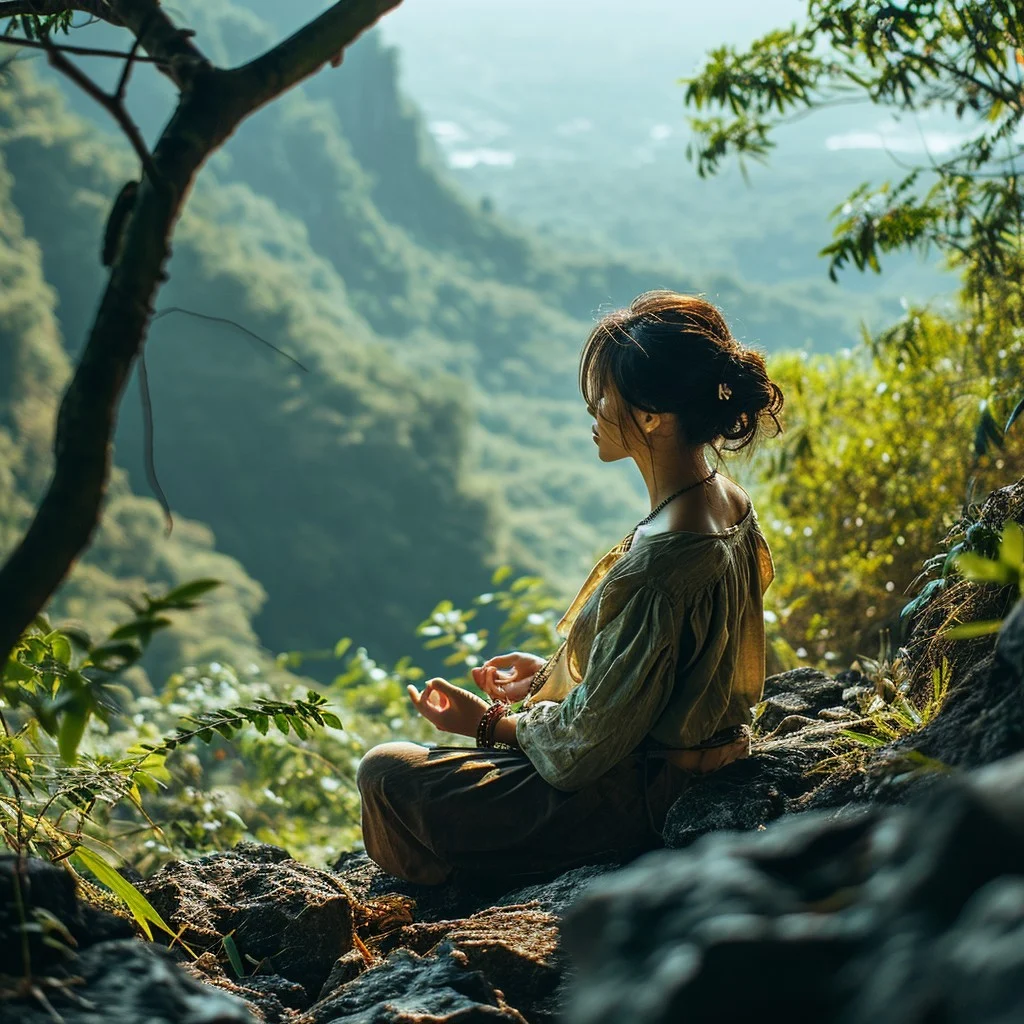
Your Sri Lanka Solo Adventure Awaits
Meet like-minded travelers · Explore ancient wonders · Create unforgettable memories
Travel to Sri Lanka: Why Elder Tourism Is Redefining Comfort Travel in the Pearl of the Indian Ocean
When you think about travel to Sri Lanka, images of pristine beaches, ancient temples, and wild elephants likely come to mind. But there’s a quieter revolution happening in Sri Lankan tourism—one that’s transforming how travelers over 60 experience this beautiful island nation.
Elder tourism in Sri Lanka isn’t just another travel trend. It’s a movement that recognizes travel should be about care, comfort, and dignity—not just adventure and adrenaline.
Why Travel to Sri Lanka as a Senior Traveler?
Sri Lanka has emerged as one of Asia’s most welcoming destinations for travelers aged 60 and above. Unlike other tourist hotspots that cater primarily to backpackers and adventure seekers, Sri Lanka offers something increasingly rare: the gift of time and comfort.
When you travel to Sri Lanka as a senior, you’re not rushed from one attraction to another. You’re invited to experience the island at your own pace, with your comfort prioritized at every turn.
What Makes Sri Lanka Perfect for Elder Tourism?
The Island’s Natural Advantages
Compact Yet Diverse: Travel to Sri Lanka means you can experience incredible diversity without exhausting journeys. Ancient cities, misty tea plantations, wildlife reserves, and golden beaches are all within comfortable driving distances.
Tropical Paradise, Gentle Climate: The island’s year-round warmth means no harsh winters or extreme weather to navigate. Multiple climate zones ensure you can find comfortable temperatures regardless of when you visit.
Cultural Respect for Elders: Sri Lankan culture deeply honors older generations. When you travel to Sri Lanka, you’ll feel this respect in every interaction—from hotel staff to local guides to restaurant owners.
English Widely Spoken: Communication is rarely a barrier, making travel to Sri Lanka stress-free for English-speaking visitors.
The Slow Travel Experience
Elder tourism in Sri Lanka embraces slow travel—the art of experiencing destinations deeply rather than superficially:
- No Rush Tours: Itineraries designed without the pressure of cramming multiple sites into a single day
- Calm Hotels: Peaceful accommodations away from party zones, offering tranquility and genuine rest
- Gentle City Walks: Explore historic Galle Fort, Kandy’s lakeside, or Colombo’s colonial district at a leisurely pace with frequent rest stops
- Peaceful Dinners: Enjoy Sri Lankan cuisine in comfortable restaurants where conversation isn’t drowned out by noise
When you travel to Sri Lanka with an elder-focused approach, you actually see and feel more—not less.
Real Comfort Travel: What to Expect
Safe, Comfortable Transportation
Travel to Sri Lanka shouldn’t mean white-knuckling it through chaotic traffic. Elder-friendly tour operators provide:
- Modern vehicles with easy access and comfortable seating
- Professional drivers trained in smooth, patient driving
- Air conditioning for tropical comfort
- Flexible schedules that accommodate your energy levels
- Regular rest stops on longer journeys
Accommodation That Prioritizes Your Needs
When you travel to Sri Lanka with comfort in mind, accommodations include:
- Boutique Hotels: Smaller properties offering personalized attention
- Heritage Bungalows: Colonial-era charm with modern accessibility
- Beachfront Resorts: Relaxing oceanfront properties with easy beach access
- Tea Country Estates: Serene hill country retreats with stunning views
All selected for:
- Elevator access or ground-floor rooms
- Safety features in bathrooms
- Quality bedding and climate control
- Quiet locations
- On-site dining options
Activities Designed for Enjoyment, Not Endurance
Travel to Sri Lanka offers rich experiences without physical strain:
Cultural Immersion:
- Temple visits with minimal climbing (or vehicle access to upper levels)
- Traditional dance performances you enjoy from comfortable seating
- Cooking demonstrations where you can participate as much or as little as you wish
- Art gallery and museum visits at your own pace
Nature Experiences:
- Boat safaris to observe wildlife without trekking
- Botanical garden strolls on paved, shaded pathways
- Bird watching from comfortable lodges
- Scenic train journeys through tea country (short segments with comfortable seating)
Wellness and Relaxation:
- Authentic Ayurvedic spa treatments
- Yoga sessions adapted for all ability levels
- Meditation in peaceful temple settings
- Sunset watching from comfortable vantage points
Travel to Sri Lanka: Sample Comfort Itinerary
Here’s how a 10-day elder-friendly journey might unfold:
Days 1-2: Colombo Arrive and acclimate with a gentle introduction to Sri Lanka. Stay in a comfortable Colombo hotel, enjoy a relaxed city tour, and experience your first authentic Sri Lankan dinner.
Days 3-4: Cultural Triangle (Sigiriya/Dambulla) Travel to Sri Lanka’s ancient heartland. Explore cave temples, enjoy a wildlife boat safari, and watch the sunset over Sigiriya Rock from a comfortable viewing point (climbing optional, not required).
Days 5-6: Kandy Journey to the hill country. Visit the Temple of the Tooth, stroll around Kandy Lake, tour the Royal Botanical Gardens, and enjoy a cultural dance performance.
Days 7-8: Tea Country (Nuwara Eliya/Ella) Experience Ceylon tea culture with plantation visits, a scenic train journey (short section), and leisurely walks through misty landscapes.
Days 9-10: South Coast (Galle/Bentota) End your journey with beach relaxation. Explore Galle Fort’s colonial architecture at your own pace, enjoy oceanfront dining, and unwind before departure.
Why Is Smart Business (And Good News for Travelers)

Here’s something important about elder tourism in Sri Lanka: it’s not charity, it’s smart business. And that’s actually great news for travelers.
When tourism operators recognize elder tourism as profitable, they invest in:
- Better training for staff
- Higher quality facilities and services
- More attention to detail
- Sustainable business practices
- Long-term relationships with guests
High-Value Travel: Travelers over 60 typically have flexible schedules and appreciate quality service, making them ideal guests for boutique properties and specialized tour operators.
Extended Stays: Elder tourists often book longer trips, spending more time in each location and contributing more to local economies.
Repeat Visits: When you travel to Sri Lanka and have a wonderful experience, you’re likely to return—and bring friends. This creates sustainable tourism that benefits everyone.
Planning Your Sri Lanka Journey
Best Time to Travel to Sri Lanka
Sri Lanka has two monsoon seasons affecting different parts of the island:
- December-March: Best for west and south coasts
- May-September: Best for east coast
- Year-round: Cultural Triangle and hill country
For elder travelers, the drier seasons often provide the most comfortable conditions.
What to Pack
- Lightweight, breathable clothing
- Comfortable walking shoes with good support
- Sun protection (hat, sunglasses, sunscreen)
- Light layers for air-conditioned spaces and cooler hill country
- Any necessary medications (plus copies of prescriptions)
- Modest clothing for temple visits (covering shoulders and knees)
Health and Safety
When you travel to Sri Lanka, healthcare is generally good in major cities:
- International-standard hospitals in Colombo
- Travel insurance strongly recommended
- Bottled water readily available
- Food safety standards high in tourist establishments
Making It Happen: How to Book
Choose Specialized Operators: Look for tour companies that explicitly cater to elder tourism or slow travel. They understand the pace and comfort requirements.
Communicate Your Needs: Be upfront about mobility limitations, dietary requirements, and preferences. Good operators will work with you to customize your experience.
Consider Small Group Tours: Traveling with others in your age range can enhance the experience while still allowing flexibility.
Build in Rest Days: Don’t schedule activities every single day. Down time is part of the travel experience.
Real Testimonials: Why Travelers Love Sri Lanka
“At 68, I thought my international travel days were behind me. Sri Lanka proved me wrong. The pace was perfect, the people were kind, and I felt safe and cared for every single day.” — Margaret, UK
“We spent three weeks traveling around Sri Lanka, and not once did we feel rushed or uncomfortable. The island is made for travelers who appreciate quality over speed.” — Robert & Jean, Australia
“The beauty of Sri Lanka isn’t just the scenery—it’s how welcome they make you feel. Age is respected here, not just tolerated.” — James, Canada
Beyond Tourism: A New Way to See the World
When you travel to Sri Lanka as an elder tourist, you’re participating in something larger than a vacation. You’re supporting a model of tourism that values:
- Sustainability over exploitation
- Quality over quantity
- Relationships over transactions
- Experiences over Instagram moments
This is travel that nourishes the soul, respects the body, and enriches the mind.
Ready to Discover Sri Lanka Your Way?
Travel to Sri Lanka doesn’t have to mean compromising on comfort, safety, or dignity. In fact, when done right, it means embracing all three while experiencing one of the world’s most captivating destinations.
The ancient kingdoms await. The tea gardens beckon. The ocean calls. And all of it can be experienced at exactly the pace that suits you.
Sri Lanka is ready. The question is: are you ready to rediscover what travel can be?
Start Planning Your Comfort-First Sri Lanka Adventure
Contact Rediscover Sri Lanka to design a personalized itinerary that honors your pace, priorities, and preferences. Travel to Sri Lanka the way it should be: comfortable, meaningful, and entirely yours.
Contact Us Today!
Ready to plan your dream group tour in Sri Lanka? Let us help you craft the perfect itinerary for a truly magical experience.
👉 Contact Rediscover Sri Lanka now to explore our Sri Lanka group tour packages, designed for families, solo travelers, and adventure seekers alike.
Reviews and Recommendations
Don’t just take our word for it! Check out these incredible reviews from past travelers:
Tripadvisor: Read about other travelers’ experiences on Tripadvisor, where Rediscover Sri Lanka has garnered rave reviews for its safe and well-organized tours.
Trustpilot: Visit Trustpilot for more real-life testimonials from travelers who have fallen in love with Sri Lanka’s beauty and hospitality
Book Your Adventure
Ready to experience this coastal paradise? Plan your trip with Rediscover Sri Lanka and create unforgettable memories at Hiriketiya Beach.
📩 Visit: Rediscover Sri Lanka to book now.
Contact Us Today!
Ready to plan your dream group tour in Sri Lanka? Let us help you craft the perfect itinerary for a truly magical experience.
👉 Contact Rediscover Sri Lanka now to explore our Sri Lanka group tour packages, designed for families, solo travelers, and adventure seekers alike.
Reviews and Recommendations
Don't just take our word for it! Check out these incredible reviews from past travelers:
Read about other travelers' experiences on TripAdvisor, where Rediscover Sri Lanka has garnered rave reviews for its safe and well-organized tours.
Read ReviewsVisit Trustpilot for more real-life testimonials from travelers who have fallen in love with Sri Lanka's beauty and hospitality.
Read ReviewsExplore Related Topics

Frequently Asked Questions
Everything you need to know about traveling in Sri Lanka