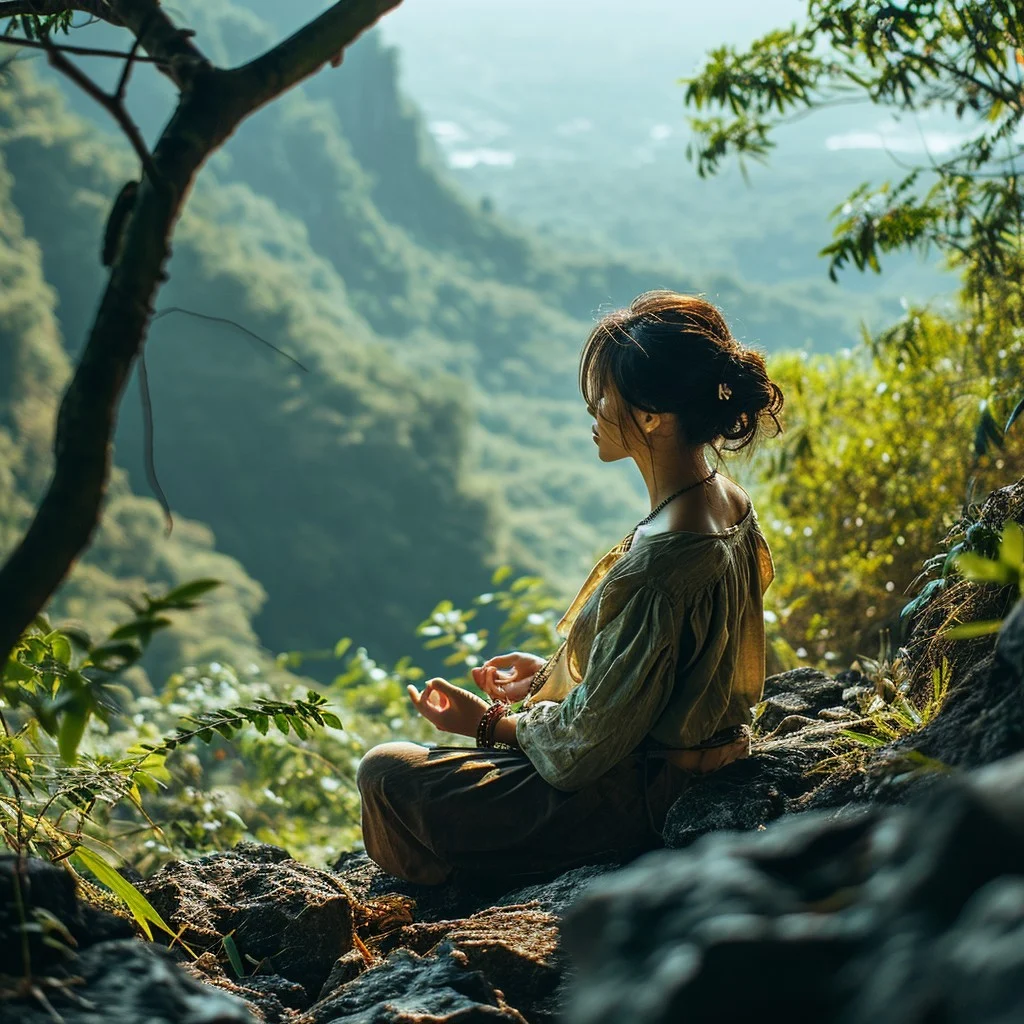
🌟 Solo-Friendly Small Group Tour
Spring Break Sri Lanka Journey
Meet like-minded travelers · Explore ancient wonders · Create unforgettable memories
From USD $1,439 / twin sharing
Book Now
Hallo auf Sri Lanka: Ayubowan & die wichtigsten Begrüßungen auf Singhalesisch
Du planst eine Reise nach Sri Lanka und fragst dich, wie man dort eigentlich Hallo sagt? Dann bist du hier genau richtig! Die freundlichen Menschen auf der tropischen Insel im Indischen Ozean werden es dir sehr dankbar sein, wenn du ein paar Worte in ihrer Landessprache parat hast. Dieser Artikel liefert dir alles, was du über Begrüßungen auf Sri Lanka wissen musst – von der richtigen Aussprache von Ayubowan bis hin zu weiteren wichtigen Floskeln für deine Reise.
Welche Sprache spricht man auf Sri Lanka?
Bevor wir in die Begrüßungen einsteigen, klären wir kurz die Sprache auf Sri Lanka. Die Insel hat zwei Amtssprachen: Singhalesisch (auch Cinghalais genannt) und Tamil. Singhalesisch wird von etwa 75 % der Bevölkerung gesprochen, vor allem im Süden, Westen und in der Mitte des Landes. Tamil ist die Sprache im Norden und Osten.
Für dich als Tourist ist es am hilfreichsten, ein paar Brocken Singhalesisch zu lernen, da du die meisten Sehenswürdigkeiten im singhalesisch geprägten Teil des Landes besuchen wirst. Aber keine Sorge: Englisch wird in den Touristengebieten ebenfalls weit verbreitet gesprochen.
Die wichtigste Begrüßung: Ayubowan
Das erste Wort, das du auf Sri Lanka lernen solltest, ist Ayubowan (ආයුබෝවන්). Es ist die universelle Begrüßung auf Sri Lanka und wird sowohl zur Begrüßung als auch zur Verabschiedung verwendet.
Bedeutung von Ayubowan
Ayubowan bedeutet wörtlich übersetzt “Mögest du lange leben” oder “Möge dir ein langes Leben gewährt sein”. Es ist also keine flüchtige Floskel, sondern ein aufrichtiger Wunsch und Segen, den man seinem Gegenüber mit auf den Weg gibt. Wenn du also jemanden mit Ayubowan begrüßt, wünschst du ihm im Grunde ein langes, gesundes und glückliches Leben.
Ayubowan Aussprache
Die Ayubowan Aussprache ist einfacher, als sie aussieht. Sprich es wie folgt aus:
A-yu-bo-wan
Betonung: Die Betonung liegt auf der ersten Silbe “A”. Sprich alle Silben gleichmäßig und klar aus. Die “u”-Laute klingen wie das “u” in “Hund”, das “o” wie in “offen”. Es ist ein weiches, fließendes Wort.
Achtung: In Sri Lanka triffst du auch auf die Schreibweisen Ayubowan, Ayubovan oder Ayubowan. Die Aussprache bleibt aber gleich.
Die Geste zu Ayubowan
Zur Begrüßung mit Ayubowan gehört oft eine bestimmte Geste: Die Hände werden vor der Brust zusammengelegt, als ob man betet. Dies ist eine Geste des Respekts und der Höflichkeit. Gerade bei älteren Menschen oder Mönchen solltest du diese Geste verwenden. Ein einfaches Lächeln und Nicken tut es aber auch in den meisten Situationen.
Weitere Begrüßungen auf Singhalesisch
Neben Ayubowan gibt es noch andere Begrüßungen, die du kennen solltest:
Guten Morgen auf Singhalesisch
Suba Udasanak (සුබ උදෑසනක්) – das ist die formelle Begrüßung am Morgen. Wörtlich übersetzt heißt es “Guten Morgen”.
Guten Abend auf Singhalesisch
Suba Sandhyawak (සුබ සන්ධ්යාවක්) – für den Abend.
Gute Nacht auf Singhalesisch
Suba Rathriyak (සුබ රාත්රියක්) – die Verabschiedung für die Nacht.
Hallo auf Singhalesisch
Im Alltag verwenden viele Sri-Lanker auch einfach das englische “Hello”. Dennoch wird es sehr geschätzt, wenn du die landestypische Begrüßung Ayubowan verwendest.
Was bedeutet “Kohomada”?
Kohomada (කොහොමද) bedeutet auf Singhalesisch “Wie geht es dir?” oder “Wie geht’s?”. Wenn dir jemand mit Ayubowan begegnet und du ins Gespräch kommen möchtest, kannst du mit Kohomada fragen, wie es dem anderen geht.
Was bedeutet “Vanakkam”?
Auf Tamil, der zweiten Amtssprache, lautet die Begrüßung Vanakkam (வணக்கம்). Wenn du in den Norden oder Osten des Landes reist, wo Tamil gesprochen wird, kannst du diese Begrüßung verwenden.
Danke auf Singhalesisch: Istuti & Bohoma sthuthi
Genauso wichtig wie das Begrüßen ist das Bedanken. Hier die wichtigsten Formen für Danke auf Sri Lanka:
Istuti oder Sthuthiyi
Istuti (ස්තුතියි) – das ist das einfache “Danke” auf Singhalesisch. Es wird umgangssprachlich verwendet.
Bohoma sthuthi
Bohoma sthuthi (බොහොම ස්තුතියි) bedeutet “Vielen Dank” oder “Danke schön”. Es ist die herzlichere und formellere Art, sich zu bedanken.
Bohoma istuti
Eine weitere Variante ist Bohoma istuti – ebenfalls “Vielen Dank”.
Tipp: Ein aufrichtiges “Istuti” mit einem Lächeln kommt immer gut an. Wenn dir jemand einen besonderen Gefallen getan hat, solltest du “Bohoma sthuthi” sagen.
Weitere wichtige Floskeln für deine Reise
Damit du für deine Reise bestens gerüstet bist, hier eine Übersicht der wichtigsten singhalesischen Wörter und Floskeln:
Warum solltest du Singhalesisch lernen?
Du fragst dich vielleicht, ob es überhaupt notwendig ist, Singhalesisch zu lernen, wenn doch viele Sri-Lanker Englisch sprechen. Hier sind ein paar gute Gründe:
-
Wertschätzung: Die Menschen auf Sri Lanka freuen sich unglaublich, wenn ein Tourist sich die Mühe macht, ihre Sprache zu sprechen. Ein einfaches Ayubowan öffnet Türen und Herzen.
-
Authentischere Erfahrung: Mit ein paar Brocken Singhalesisch kommst du abseits der Touristenzentren viel besser mit den Einheimischen ins Gespräch. Du erlebst das Land viel intensiver.
-
Respekt: Du zeigst Respekt vor der Kultur und den Traditionen des Landes. Das wird dir mit großer Herzlichkeit gedankt.
-
Praktisch: In ländlichen Gegenden oder auf Märkten ist Englisch nicht immer selbstverständlich. Da helfen die einfachen Floskeln ungemein.
Die Bedeutung von Ayubowan im Alltag
Ayubowan ist auf Sri Lanka allgegenwärtig. Du wirst es überall hören:
-
Wenn du in ein Geschäft kommst, begrüßen dich die Verkäufer mit Ayubowan.
-
Wenn du ein Hotel betrittst, wirst du mit Ayubowan willkommen geheißen.
-
Wenn du einen Einheimischen auf der Straße triffst, wirst du oft mit einem freundlichen Ayubowan angesprochen.
Es ist die Seele der sri-lankischen Gastfreundschaft. Nimm es als das, was es ist: ein aufrichtiger Wunsch für dein Wohlbefinden.
Ayubowan in der Praxis: So verwendest du es richtig
Damit du Ayubowan sicher anwenden kannst, hier ein paar Tipps:
-
Lächle dabei: Ein Lächeln macht die Begrüßung noch herzlicher.
-
Die Hände zusammengelegt: Wie oben beschrieben, ist die Geste der zusammengelegten Hände ein Zeichen von Respekt.
-
Augenkontakt: Schaue deinem Gegenüber freundlich in die Augen.
-
In Tempeln: Vor Tempeln ist Ayubowan die übliche Begrüßung. Verneige dich leicht und sprich das Wort mit Respekt.
Fazit: Mit Ayubowan zum Herzen Sri Lankas
Die Begrüßung auf Sri Lanka ist mehr als nur eine Formalität. Mit Ayubowan trittst du in einen freundlichen und respektvollen Austausch mit den Menschen des Landes. Du zeigst, dass du dich für ihre Kultur interessierst und nicht nur ein vorbeiziehender Tourist bist.
Lerne also vor deiner Reise die wichtigsten Floskeln – allen voran Ayubowan und Istuti. Du wirst sehen, wie schnell du damit die Herzen der Sri-Lanker im Sturm eroberst. Die Menschen werden dir mit einem noch größeren Lächeln begegnen und deine Reise wird unvergesslich.
Ayubowan und eine unvergessliche Reise auf die Perle des Indischen Ozeans!
Book Your Dream Getaway to Sri Lanka Today!
If you’re looking for authentic travel experiences in Sri Lanka, let Rediscover Sri Lanka craft the perfect itinerary for you. Don’t settle for the usual tourist spots explore the unseen, the untouched, and the extraordinary!
📩 Plan Your Adventure Now! 📧 Email: [email protected]
Contact Us Today!
Ready to plan your dream group tour in Sri Lanka? Let us help you craft the perfect itinerary for a truly magical experience.
👉 Contact Rediscover Sri Lankanow to explore our Sri Lanka group tour packages, designed for families, solo travelers, and adventure seekers alike.
Reviews and Recommendations
Don’t just take our word for it! Check out these incredible reviews from past travelers:
- Tripadvisor: Read about other travelers’ experiences on Tripadvisor, where Rediscover Sri Lanka has garnered rave reviews for its safe and well-organized tours.
- Trustpilot: Visit Trustpilot for more real-life testimonials from travelers who have fallen in love with Sri Lanka’s beauty and hospitality.
Frequently Asked Questions
Everything you need to know about traveling in Sri Lanka
What is the best time to visit Sri Lanka?
The best time to visit Sri Lanka depends on which region you plan to explore. The west and south coasts (including Colombo, Galle, and Mirissa) are best from December to March, while the east coast (including Trincomalee and Arugam Bay) is ideal from April to September. The central highlands (Kandy, Nuwara Eliya, Ella) are pleasant year-round with cooler temperatures.
How many days are enough for a Sri Lanka tour?
For a comprehensive tour covering major highlights, we recommend 10-14 days. This allows you to explore the Cultural Triangle (Kandy, Sigiriya, Polonnaruwa), the hill country (Nuwara Eliya, Ella), and the beautiful beaches (Mirissa, Bentota) comfortably. A 7-day itinerary can cover the essentials, while 21+ days allows for a deeper exploration of the island's hidden gems.
Do I need a visa for Sri Lanka?
Yes, most nationalities require an Electronic Travel Authorization (ETA) to enter Sri Lanka. You can apply online through the official Sri Lanka ETA website before your trip or obtain a visa on arrival at the Bandaranaike International Airport (CMB). The ETA is valid for 30 days and can be extended up to 90 days. Citizens of Singapore, Maldives, and Seychelles are visa-exempt for up to 30 days.
Is Sri Lanka safe for tourists?
Yes, Sri Lanka is generally safe for tourists. The country has a thriving tourism industry with excellent infrastructure. However, like any destination, we recommend taking standard precautions: avoid isolated areas at night, keep valuables secure, and follow local advice. The Sri Lankan people are known for their hospitality and friendliness towards visitors.
What is the currency in Sri Lanka and how much should I budget?
The currency in Sri Lanka is the Sri Lankan Rupee (LKR). As a budget traveler, you can expect to spend around $30-50 USD per day, mid-range travelers $50-100 USD per day, and luxury travelers $100-300+ USD per day. ATMs are widely available in cities and tourist areas, and credit cards are accepted at most hotels and upscale restaurants.
What vaccinations do I need for Sri Lanka?
The CDC and WHO recommend the following vaccinations for Sri Lanka: Hepatitis A, Hepatitis B, Typhoid, Tetanus, and Japanese Encephalitis (if spending significant time in rural areas). Malaria is not a major risk in most tourist areas, but it's recommended to consult with your doctor about antimalarial medication if visiting rural areas. Dengue fever is present, so use mosquito repellent and wear long sleeves.
Is Sri Lanka safe for solo travelers?
Absolutely! Sri Lanka is one of the safest destinations for solo travelers in Asia. The locals are incredibly friendly and helpful, the tourism infrastructure is well-developed, and there's a vibrant community of solo travelers. We recommend staying in hostels or guesthouses with good reviews, joining group tours for certain activities, and always trusting your instincts.
What are the best places for solo travelers in Sri Lanka?
For solo travelers, we recommend: Sigiriya (Lion Rock) for breathtaking views, Kandy for cultural immersion, Ella for stunning hikes and social hostels, Mirissa for beach vibes and whale watching, Galle for colonial charm, and Yala National Park for wildlife safaris. The hill country train journey from Kandy to Ella is a must-do!
Are there group tours for solo travelers in Sri Lanka?
Yes! We offer small-group tours specifically designed for solo travelers with max 12 people. These tours are perfect for meeting like-minded travelers, with no single supplement on select dates. Our group tours include private rooms, local guides, and a mix of cultural, wildlife, and beach experiences.
What is the single supplement fee for solo travelers?
For our solo-friendly group tours, we offer select departures with no single supplement. On other tours, the single supplement typically ranges from $200-400 depending on the tour length and accommodation standards. We always recommend checking the specific tour page for the most accurate pricing.
Can solo travelers join private tours?
Absolutely! Many solo travelers prefer private tours for maximum flexibility. Our private chauffeur guide tours are perfect for solo travelers who want to explore at their own pace. You'll have a dedicated vehicle and an English-speaking guide who can customize the itinerary to your interests.
Is it easy to meet other travelers in Sri Lanka?
Yes, Sri Lanka has a thriving backpacker and solo traveler community. Hostels in Ella, Kandy, and Mirissa are particularly social. You'll also find many cafes, restaurants, and tour operators that cater to solo travelers. Joining group activities like cooking classes, safari tours, or train rides is a great way to meet people.
What are the must-visit places in Sri Lanka?
Sri Lanka's must-visit destinations include: the ancient city of Sigiriya (Lion Rock), the sacred Temple of the Tooth in Kandy, the historic Galle Fort, the scenic hill country train journey from Kandy to Ella, the beautiful beaches of Mirissa and Unawatuna, the wildlife-rich Yala National Park (home to leopards), the cultural capital of Anuradhapura, and the stunning Adam's Peak for sunrise views.
Which beaches are best in Sri Lanka?
The best beaches in Sri Lanka include: Mirissa for whale watching and relaxed vibes, Unawatuna for swimming and snorkeling, Bentota for water sports, Arugam Bay for surfing (east coast, best April-September), and Nilaveli for pristine white sands and coral reefs. Each beach offers a unique experience depending on your preferences.
What is the Cultural Triangle in Sri Lanka?
The Cultural Triangle refers to the area in central Sri Lanka that contains five UNESCO World Heritage sites: the ancient cities of Anuradhapura and Polonnaruwa, the rock fortress of Sigiriya, the sacred city of Kandy, and the cave temples of Dambulla. This region is the heart of Sri Lanka's rich cultural and historical heritage.
Is the train from Kandy to Ella worth it?
Absolutely! The train journey from Kandy to Ella is considered one of the most scenic train rides in the world. You'll pass through lush tea plantations, misty mountains, and picturesque villages. The journey takes about 6-7 hours and we recommend booking a reserved seat in advance, especially during peak season.
What wildlife can I see in Sri Lanka?
Sri Lanka is home to incredible wildlife including: elephants (at Minneriya and Udawalawe), leopards (Yala National Park), blue whales and sperm whales (Mirissa), sloth bears (Wilpattu), over 400 bird species, crocodiles, and many species of monkeys. The country is a paradise for nature and wildlife enthusiasts.
What is the local food like in Sri Lanka?
Sri Lankan cuisine is a flavorful blend of spices, coconut, and fresh ingredients. Must-try dishes include: Rice and Curry (the national dish with various vegetable and meat curries), Kottu Roti (chopped roti with vegetables and meat), Hoppers (bowl-shaped pancake with an egg), String Hoppers (steamed rice noodles), Lamprais (rice and curry baked in a banana leaf), and fresh seafood along the coast.
Is English widely spoken in Sri Lanka?
Yes, English is widely spoken in Sri Lanka, especially in tourist areas, hotels, and restaurants. It is taught as a second language in schools and is commonly used in business and government. You'll find that most Sri Lankans can communicate in English, making it easy for international travelers to navigate the country.
What are the cultural etiquettes in Sri Lanka?
When visiting temples, dress modestly covering shoulders and knees. Remove shoes before entering temples and homes. The traditional greeting is "Ayubowan" (Sinhalese) or "Vanakkam" (Tamil). Always use your right hand for eating and giving/receiving items. It's polite to ask before taking photos of people.
What are the main festivals in Sri Lanka?
Major festivals include: Sinhala and Tamil New Year (April), Vesak (May - Buddhist festival of lights), Kandy Esala Perahera (July/August - spectacular procession), Deepavali (October/November - Hindu festival of lights), and Christmas (December). These festivals offer unique cultural experiences for visitors.
What is the best way to get around Sri Lanka?
The best ways to get around Sri Lanka include: the scenic train network (especially the Kandy to Ella route), private drivers for comfort and flexibility, local buses for budget travel, tuk-tuks for short distances, and domestic flights for time-saving between regions. The train journey through the hill country is considered one of the most beautiful train rides in the world.
What should I pack for a trip to Sri Lanka?
Pack light, breathable cotton clothing suitable for tropical weather. Essentials include: comfortable walking shoes, swimwear, sun protection (hat, sunglasses, high SPF sunscreen), insect repellent, a rain jacket (monsoon season), light layers for the hill country, modest clothing for temple visits (covering shoulders and knees), a power adapter (230V, Type D or G plugs), and a reusable water bottle.
Is tap water safe to drink in Sri Lanka?
It's recommended to drink bottled water in Sri Lanka. Most hotels provide complimentary bottled water, and it's widely available at shops. Avoid tap water, ice from street vendors, and raw food from street stalls. For eco-conscious travelers, consider bringing a reusable water bottle with a built-in filter.
What is the internet and mobile coverage like in Sri Lanka?
Sri Lanka has excellent mobile and internet coverage, especially in urban areas and tourist destinations. You can purchase a local SIM card at the airport (Dialog and Mobitel are popular) with affordable data packages. Most hotels, cafes, and restaurants offer free Wi-Fi. Remote areas may have weaker signals.
Do I need travel insurance for Sri Lanka?
Yes, travel insurance is highly recommended for your trip to Sri Lanka. It should cover medical expenses, trip cancellation, lost luggage, and emergency evacuation. Some activities like scuba diving, surfing, and hiking may require additional coverage. Always read the policy carefully before purchasing.
Can I use my credit card in Sri Lanka?
Yes, credit cards (Visa and Mastercard) are widely accepted at hotels, upscale restaurants, and larger shops in cities. However, it's recommended to carry cash (Sri Lankan Rupees) for local markets, street food, small shops, and remote areas. ATMs are available in cities and major tourist towns.
What is the tipping culture in Sri Lanka?
Tipping is appreciated but not mandatory in Sri Lanka. For restaurants, a 10% service charge is often included. If not, leaving 5-10% is customary. For tour guides and drivers, $5-10 per day is standard for good service. For hotel staff, $1-2 per bag or per day is appropriate.
Is Sri Lanka good for surfing?
Yes, Sri Lanka is a fantastic surfing destination. The east coast (Arugam Bay) offers world-class waves from April to September, while the south coast (Hikkaduwa, Weligama, Mirissa) has great waves from November to April. There are surf schools for beginners and challenging breaks for experienced surfers.
What are the best hikes in Sri Lanka?
The best hikes include: Adam's Peak (Sri Pada) for sunrise views (season December-May), Ella Rock for panoramic views, Little Adam's Peak for an easier hike, the Knuckles Mountain Range for challenging treks, and Horton Plains National Park for the famous World's End cliff.
Can I see whales in Sri Lanka?
Absolutely! Mirissa on the south coast is one of the best places in the world for whale watching. From November to April, you can spot blue whales, sperm whales, and dolphins. The season peaks from December to March. Many tour operators offer half-day whale watching trips with experienced guides.
What are the best souvenirs to buy in Sri Lanka?
Popular souvenirs include: Ceylon tea (the world's finest), spices (cinnamon, cardamom, cloves), hand-carved masks from the south coast, batik fabrics, gemstones (sapphires), wooden crafts, traditional jewelry, and local art. Visit local markets and craft centers for authentic, high-quality products.
How can I support sustainable tourism in Sri Lanka?
Support sustainable tourism by: choosing eco-friendly accommodations, using reusable water bottles, avoiding single-use plastics, respecting wildlife (do not feed animals), buying local products, using local guides, participating in community-based tourism, and reducing your carbon footprint by using trains instead of private vehicles where possible.