
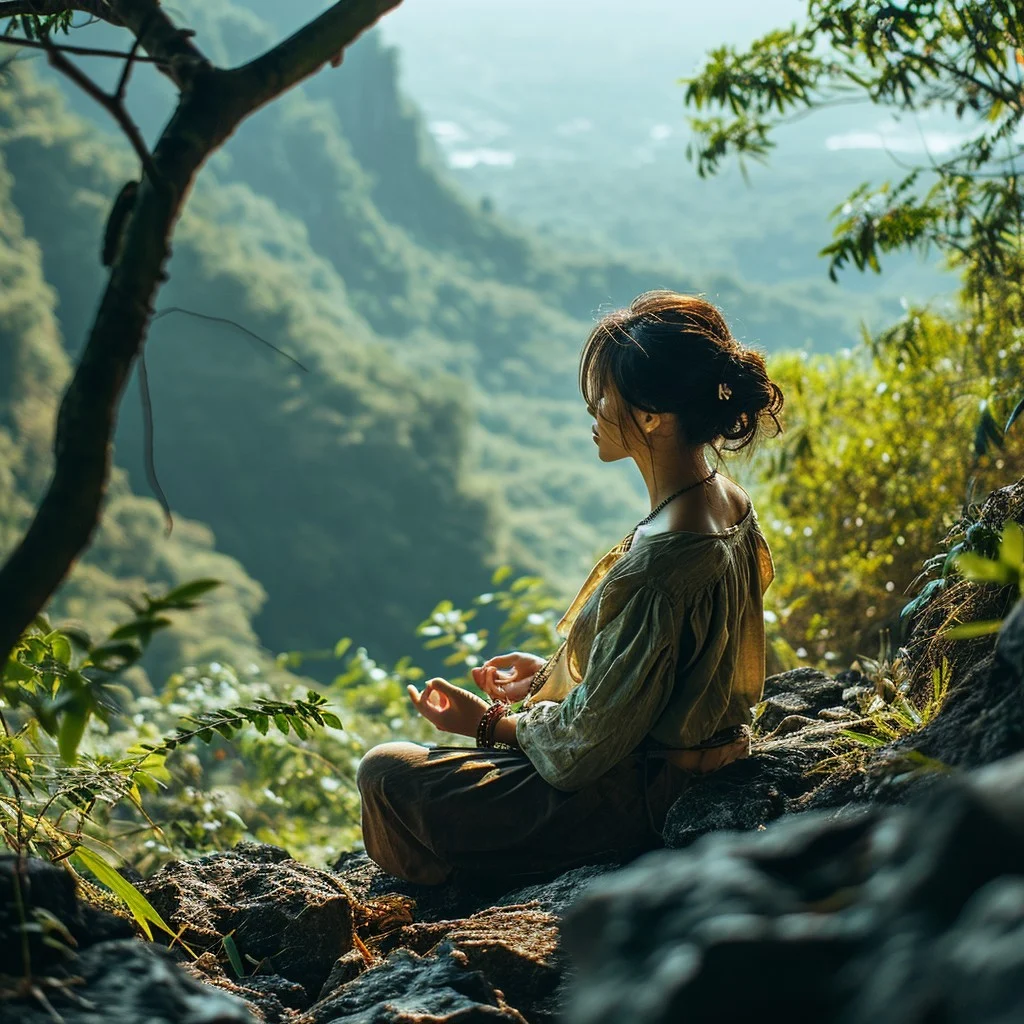
Your Sri Lanka Solo Adventure Awaits
Meet like-minded travelers · Explore ancient wonders · Create unforgettable memories
Sri Lanka’s Hidden Gems: 10 Destinations You Didn’t Know Existed
Sri Lanka’s Hidden Gems: 10 Destinations You Didn’t Know Existed
Discover Sri Lanka’s best-kept secrets beyond the tourist trail. From remote islands and forgotten temples to misty mountains and secret beaches, explore the island like a local.
Introduction: Beyond the Guidebook
Most Sri Lanka guidebooks send you to the same six places. Sigiriya. Kandy. Ella. Galle. The south coast surf towns. They’re famous for good reason — but they’re only part of the story.
The Sri Lanka most travellers never see is the one worth discovering. It’s the North’s Dutch forts and Hindu temple culture, the ferry-only islands of Nainativu and Delft, the Knuckles Mountain Range’s misty trails, and the forgotten forest monasteries of the Cultural Triangle. These are the places where you’ll find genuine solitude, authentic encounters, and the feeling that you’ve stumbled onto something special.
A destination management company (DMC) like Rediscover Journeys specialises in precisely this kind of travel — taking you beyond the well-trodden path and into the island’s quieter corners. With 35+ years of collective expertise, a boutique DMC can open doors to places that simply aren’t in the guidebooks.
So, where should you go?
1. Delft Island – Wild Ponies and Coral Walls
Off the Jaffna Peninsula in the far north, Delft Island (Neduntivu) is unlike anywhere else in Sri Lanka. Wind-swept plains, wild ponies descended from Portuguese stock, coral-block walls, and colonial ruins create a landscape that feels more like the Scottish Highlands than the Indian Ocean.
Why go: It’s one of the few places in Sri Lanka where you’ll feel genuinely remote. Ferries from Kurikadduwan jetty connect the island to the mainland, making for a great day trip that reveals a different side of Sri Lanka shaped by Tamil culture and history.
Hidden gem within: The 700-year-old baobab tree planted by Arab traders — a living relic of ancient maritime trade routes.
2. Nilwella Blue Beach Island – The Deep South’s Secret
Hidden away near the peaceful fishing village of Nilwella, just outside Dickwella in Sri Lanka’s Deep South, is a small rocky island also called Blue Beach Island. It’s popular with locals who go fishing or have picnics here, but barely registers on the tourist radar.
Why go: Not as famous as nearby Hiriketiya Bay, the beach’s offbeat nature adds to its charm. During low tide you can wade across or hire a local boat for a short trip. It’s also a great spot for beach camping.
Best time to visit: December to March for calm seas and sunny weather.
3. Knuckles Mountain Range – Sri Lanka’s Most Underrated Hike
Northeast of Kandy lies the Knuckles Range — genuinely the most underrated hiking destination on the island. Ask most tourists if they’ve heard of it and they’ll look at you blankly. Ask most serious hikers who’ve spent real time in Sri Lanka and they’ll tell you it’s the best walk they did.
Why go: A network of trails through terrain that changes as you climb, micro-climates that mean one section of forest feels completely different from the next, and wildlife you won’t see in the more visited parks. The range forms part of the UNESCO Central Highlands World Heritage Site.
Hidden gem within: The Nitre Cave Trail — a poorly-marked path that winds through dense forest before arriving at an impressive cave formation that most visitors to the range never know exists.
Best time to visit: January to April for dry conditions; August-September for a shorter dry window.
4. Coral Island – Trincomalee’s Quiet Sanctuary
Off the coast of Trincomalee, Coral Island is a small but beautiful marine sanctuary often overlooked by tourists. Surrounded by shallow turquoise waters and coral reefs teeming with life, it’s a short boat ride from Uppuveli or Nilaveli.
Why go: Snorkel to discover soft corals, clownfish, parrotfish, and the occasional turtle swimming by. Coral Island is also close to Pigeon Island National Park, so many boat tours combine visits to both.
Best time to visit: May to September for calmer seas.
5. Devipahala – The Hidden Hills of Sri Pada
Popularly known by villagers as Devipahala, this lesser-explored destination offers far more than the tourist-infested Bopath Ella waterfall just two kilometres away. Surrounded by the green peak wilderness of the Sri Pada (Adam’s Peak) range, and enveloped by small shola forests, Devipahala feels like a tiny hill station.
Why go: Beyond natural beauty, it’s also a historical hotspot. The area is associated with God Sumana Saman, and the legend tells of the deity manifesting here. Two massive ancient ‘na’ trees, said to be around 2,000 years old, stand beside a recently built devalaya.
Best time to visit: Dry season (January to April) for clear views and accessible trails.
6. The Madu River Islands – Mangroves and Monasteries
Located near Balapitiya on the southern coast, the Madu Ganga is a network of waterways with around 60 small islands. You can book a Madu river boat safari and pass through thick mangrove forests, ancient temples and cinnamon plantations.
Why go: Some islands are tiny — home to a few coconut trees — while others like Koth Duwa have historic Buddhist shrines. There’s even a quirky stop where you can get a natural fish spa as tiny fish nibble at your feet. The river is also a haven for birdlife and reptiles.
Hidden gem within: Madol Duwa — the remote island that Martin Wickramasinghe wrote about in his famous novel about childhood adventures on an island.
7. Sella Kataragama – Temple Town by Night
While Yala National Park’s popular touristy areas may be done to death and often jammed with tourists, the lesser-known parts of the park and its surrounding areas offer a different experience. Block 5 in Yala is barely frequented by tourists and is the favourite part for serious wildlife enthusiasts.
Why go: The town of Sella Kataragama, an important temple town for Hindu pilgrims, is another lesser-known tourist spot adjoining Block 5. At night, a market comes alive with beautiful stalls from local communities — it’s amazing to see the energy of Kataragama.
Hidden gem within: The Warden’s House — a four-room luxe lodge that offers a unique stay near the park.
8. Koswadiya – The Batik Village
Located just 65 kilometres outside Colombo, closer to the town of Negombo, Koswadiya is the place to experience Sri Lanka’s traditional batik art form.
Why go: Attend a batik workshop at Buddhi Batiks to understand how saris and sarongs are made in batik and interact with the artisans. Follow it with a simple, Sri Lankan vegetarian meal cooked by the villagers.
Best time to visit: Year-round; morning visits are best to see artisans at work.
9. Mawella Beach – Barefoot Hideaway
On a completely unspoilt stretch of coast near Tangalle, Mawella Beach offers a barefoot hideaway away from the crowds. The sweeping 2km curve of beach is blissfully quiet, with only fishermen mending their nets, monkeys and squirrels frolicking in the trees, and little else.
Why go: A breakwater creates calm waters for leisurely swims. The area feels like a proper slice of authentic Sri Lanka — waking up at dawn to watch fishermen hauling in their catch as the sun rises over the sea is one of those moments you’ll remember forever.
Best time to visit: November to April for the best hours of sunshine and calm seas. Temperatures hover around 29°C throughout the year, but heavy rain usually falls in May/June and September/October.
10. Negombo’s Backstreets – Authentic Sri Lankan Daily Life
While Negombo’s main beach road is popular with tourists, the seaside town just a couple of minutes away from the airport is a great place to see authentic Sri Lankan daily life.
Why go: It’s the perfect stop before heading to the airport. Beyond the tourist-facing restaurants and cafes, you’ll find local markets, fishing communities, and the everyday rhythms of Sri Lankan coastal life.
Why a Destination Management Company (DMC) is Your Best Bet for Hidden Gems
Discovering these hidden gems isn’t always straightforward. Hidden trails require effort the famous sites don’t. There’s no shuttle service, no ticketing app, no TripAdvisor listing with 4,000 reviews telling you exactly where to stand. You need local knowledge.
A Sri Lanka DMC like Rediscover Journeys can:
-
Get you off the standard path — licensed guides who can take you into the parts of Sinharaja that most visitors never see
-
Connect you with local experts — guides who grew up near these places and know the trails by heart
-
Handle logistics — from ferry timings to guesthouse bookings in remote areas
-
Ensure ethical travel — responsible wildlife experiences and community engagement that benefit local people
Rediscover Journeys holds uncompromising ethical standards in wildlife and community engagement, with all safari packages conducted through fully licensed, SLTDA-approved operators who prioritise animal welfare and habitat protection. As they say: “The Sri Lanka most travellers never see is the one we specialise in.”
Practical Tips for Exploring Sri Lanka’s Hidden Gems
Getting around: A private driver is the most practical way to reach most of these destinations. The roads are winding in the hills and confusing in the villages; having a local behind the wheel makes a difference.
What to pack: For the Knuckles Range and Devipahala, bring sturdy boots and layers — the weather can shift quickly. For the islands, reef-safe sunscreen is essential.
Be respectful: Many of these places are active religious sites or working communities. Dress modestly (especially at temples), ask permission before photographing people, and support local businesses where you can.
Stay safe: On ferry-only islands like Delft, check schedules in advance. In forest reserves, always go with a licensed guide — the trails are poorly marked in places, and the landscape changes faster than any map accounts for.
Conclusion: Leave the Main Road
Every fact in this guide — elevations, species counts, ferry times, opening hours — comes from direct fieldwork, not recycled internet listings. This is the kind of knowledge that transforms a trip from a checklist into a discovery.
Whether it’s wild ponies on Delft Island, the misty trails of the Knuckles Range, or the simple serenity of Mawella Beach, Sri Lanka’s hidden gems reward those who venture beyond the main road.
The Pearl of the Indian Ocean is waiting — but only if you know where to look.
Book Your Adventure
Ready to experience this coastal paradise? Plan your trip with Rediscover Sri Lanka and create unforgettable memories at Hiriketiya Beach.
📩 Visit: Rediscover Sri Lanka to book now.
Contact Us Today!
Ready to plan your dream group tour in Sri Lanka? Let us help you craft the perfect itinerary for a truly magical experience.
👉 Contact Rediscover Sri Lanka now to explore our Sri Lanka group tour packages, designed for families, solo travelers, and adventure seekers alike.
Reviews and Recommendations
Don’t just take our word for it! Check out these incredible reviews from past travelers:
Tripadvisor: Read about other travelers’ experiences on Tripadvisor, where Rediscover Sri Lanka has garnered rave reviews for its safe and well-organized tours.
Trustpilot: Visit Trustpilot for more real-life testimonials from travelers who have fallen in love with Sri Lanka’s beauty and hospitality.
Book Your Adventure
Ready to experience this coastal paradise? Plan your trip with Rediscover Sri Lanka and create unforgettable memories at Hiriketiya Beach.
📩 Visit: Rediscover Sri Lanka to book now.
Contact Us Today!
Ready to plan your dream group tour in Sri Lanka? Let us help you craft the perfect itinerary for a truly magical experience.
👉 Contact Rediscover Sri Lanka now to explore our Sri Lanka group tour packages, designed for families, solo travelers, and adventure seekers alike.
Reviews and Recommendations
Don't just take our word for it! Check out these incredible reviews from past travelers:
Read about other travelers' experiences on TripAdvisor, where Rediscover Sri Lanka has garnered rave reviews for its safe and well-organized tours.
Read ReviewsVisit Trustpilot for more real-life testimonials from travelers who have fallen in love with Sri Lanka's beauty and hospitality.
Read ReviewsExplore Related Topics

Frequently Asked Questions
Everything you need to know about traveling in Sri Lanka