
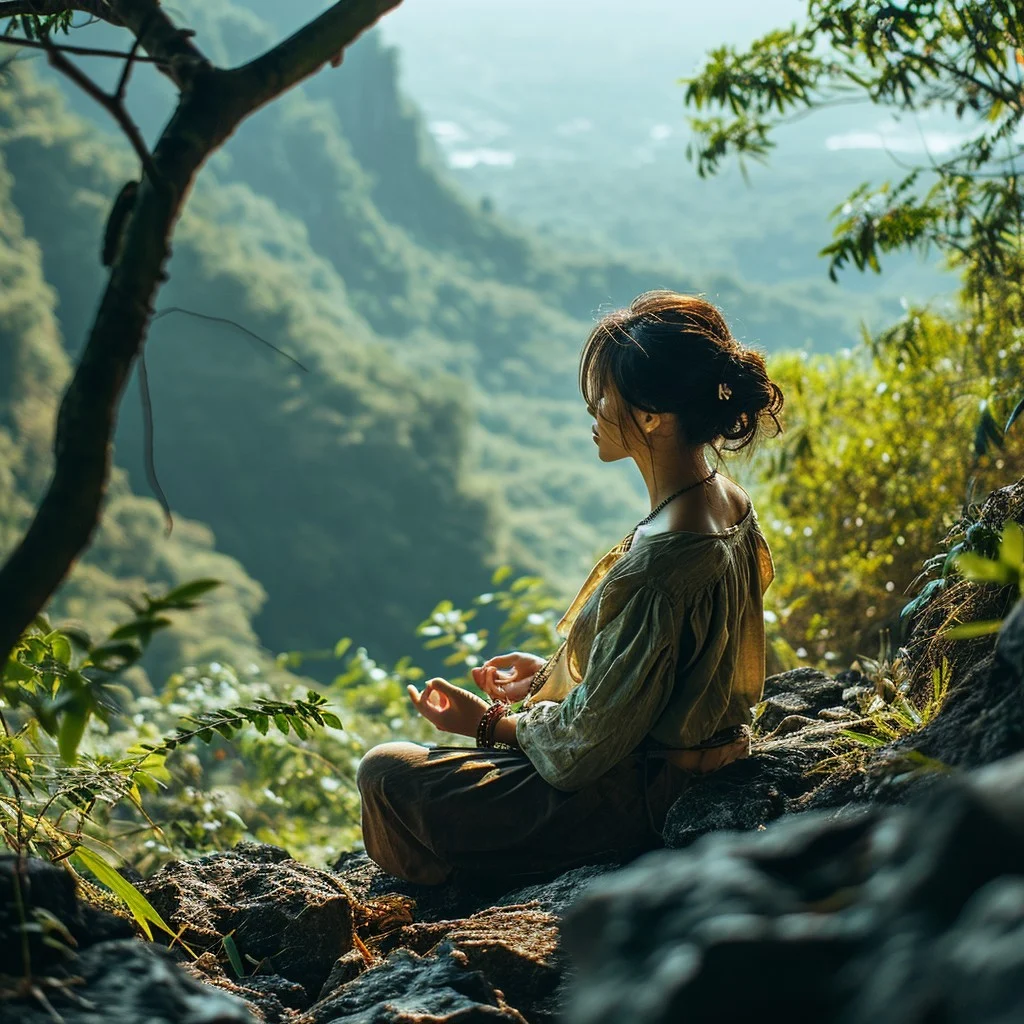
Your Sri Lanka Solo Adventure Awaits
Meet like-minded travelers · Explore ancient wonders · Create unforgettable memories
Sri Lanka Round Trip: The Ultimate Guide to Boutique Travel & Destination Management
Sri Lanka Round Trip, Destination Management & Boutique Travel: The Complete Guide
Discover the best Sri Lanka round trips with expert destination management and boutique travel experiences. From Sigiriya to Yala, plan your perfect custom journey.
Introduction: The New Era of Sri Lanka Travel
Sri Lanka is no longer just a postcard destination of emerald tea hills and sun-kissed coastlines . Today, the island has become the destination for a new generation of boutique travel experiences that are redefining what luxury and adventure mean . The notion of travel can now be crafted around the individual—local connections, authentic experiences, and immersion in local culture .
Whether you’re planning a comprehensive Sri Lanka round trip, seeking expert destination management, or craving a boutique travel experience tailored to your curiosity, this guide covers everything you need to know.
Sri Lanka Round Trip: The Classic Island Circuit
A Sri Lanka round trip is the most popular way to experience the island’s incredible diversity. These circular itineraries typically start and end at Colombo’s Bandaranaike International Airport, taking you through the Cultural Triangle, hill country, wildlife parks, and golden beaches.
What a Typical Round Trip Includes
Most Sri Lanka round tours cover the island’s highlights in 6–8 days :
Key Attractions on a Round Trip:
-
Sigiriya Lion Rock Fortress – UNESCO World Heritage Site
-
Dambulla Cave Temple – Largest cave temple complex in Sri Lanka
-
Kandy – Temple of the Sacred Tooth Relic
-
Nuwara Eliya – Tea country and colonial charm
-
Ella – Nine Arches Bridge and scenic train journey
-
Yala or Udawalawe National Park – Wildlife safari
-
Galle Fort – Dutch colonial heritage
-
Bentota or Mirissa – South coast beaches
Sample Round Trip Itinerary (7 Days)
Day 1: Arrival at Colombo Airport → Transfer to Sigiriya. Climb the iconic Lion Rock Fortress in the afternoon .
Day 2: Morning jeep safari at Minneriya National Park – famous for its gathering of wild elephants. Continue to Kandy to visit the Temple of the Tooth Relic and enjoy a cultural dance show .
Day 3: Drive to Nuwara Eliya through the hill country. Stop at Ramboda Waterfalls and visit a working tea plantation and factory. Enjoy a city tour and walk by Gregory Lake .
Day 4: Take the scenic train from Nanu Oya to Ella – one of the most beautiful train journeys in the world . Hike Mini Adam’s Peak and visit the iconic Nine Arches Bridge .
Day 5: Drive to Galle, exploring the UNESCO-listed Galle Fort with its Dutch colonial heritage .
Day 6: Enjoy a Madu River boat safari through mangrove islets, visit a turtle hatchery, and relax on Bentota Beach .
Day 7: Transfer to Colombo Airport for departure .
Private vs. Group Round Trips
Most round tours can be taken as private or group experiences. Private round trips typically include:
-
Private air-conditioned transport
-
English-speaking chauffeur-guide
-
Handpicked boutique accommodation
-
Entrance fees to all attractions
-
Meals as specified in the itinerary
-
24/7 local support
Group round trips offer shared adventures at a lower cost, with maximum group sizes often limited to 12–16 travellers for a more intimate experience.
Destination Management in Sri Lanka: The Backbone of Quality Travel
Destination management is the strategic coordination of all elements that make a holiday exceptional. In Sri Lanka, destination management involves:
What Destination Management Means
Destination management goes beyond simply booking hotels and transport. It includes :
-
Infrastructure coordination – ensuring seamless transfers and logistics
-
Quality control – vetting hotels, guides, and experiences
-
Sustainable practices – supporting eco-friendly tourism and community development
-
Crisis management – providing 24/7 support for unexpected issues
-
Local partnerships – working with certified, ethical operators
Sri Lanka’s Destination Management Milestones
Sri Lanka has made significant strides in sustainable destination management. Sigiriya was officially declared the country’s first sustainable destination following Cabinet approval, enabled by a Destination Management Plan developed by the Asian Development Bank .
Key achievements include:
-
National Sustainable Tourism Certification introduced in 2019
-
Sigiriya winning the Green Destinations Bronze Award at ITB Berlin 2025
-
Over 200 small and medium enterprises participating in the ‘Good Travel’ certification programme
-
A dedicated Sustainable Tourism Unit established within the Sri Lanka Tourism Development Authority
Smart Destination Management
A major academic study on smart destination management strategies found that effective SDM requires a combination of technological, governance, and marketing capabilities. For Sri Lanka, key priorities include :
-
Foundational investments in ICT and digital infrastructure
-
Embracing accessible data analytics tools
-
Governance reform of Destination Management Organizations (DMOs)
-
Affordable digital marketing via social media and short video strategies
-
Participatory multi-sector governance models
Boutique Travel in Sri Lanka: Luxury Reimagined
Boutique travel represents a shift away from generic five-star experiences towards authentic, personalised journeys. In Sri Lanka, boutique travel is thriving.
What Makes Boutique Travel Different
The essence of luxury in Sri Lanka today is in personalisation . Travel designers can build experiences around curiosity, creating micro-moments that contribute to curated stories of personal interest .
Examples of Boutique Experiences:
-
Meeting a botanist who works with spices
-
Waking early for a misty tea estate sunrise photoshoot
-
Spending a culinary evening with a family on a pepper farm cultivated for generations
-
Private train journeys through the hills
-
UNESCO site visits at sunrise
-
Farm-to-table dinners with ingredients from gardens you visited that same morning
Authenticity vs. Extravagance
Luxury is no longer a marble lobby with generic menu options. Instead, authentic options have emerged :
-
Colonial homes that have been restored
-
Modern residences with design narratives
-
Eco-lodges that blend into landscapes
-
Farm stays where food is sourced from jungle gardens and coastal fishers
What you gain by way of ‘space’ is context – the design narrative of a villa, the provenance of a dish, or the sustainable principles behind a wellness ritual .
Exclusive Access: Behind-the-Scenes Experiences
An important aspect of boutique travel is exclusive access . Travellers can:
-
Hike Sigiriya at dawn with a private archaeological briefing
-
Partake in tea tastings on estates otherwise closed to the public
-
Sail on rivers in private launches with only their fellow passengers present
These experiences represent luxury in the form of privacy, discovery, and seamless orchestration .
Wellness and Spirituality
Sri Lanka’s restorative practices – Ayurveda, yoga, and Buddhist meditation – lend themselves perfectly to boutique travel . Longer, multi-day wellness consultations, cliff-top yoga at dawn, and private temple rituals allow travellers to create deeper, restorative journeys for body, mind, and spirit .
Community Engagement: Travel with Purpose
The most meaningful journeys provide direct engagement with communities. Guests participate in :
-
Women’s cooking classes
-
Workshops with artisans
-
Conservation projects
-
School and reforestation support
Tourism becomes a two-way relationship – fewer visitors engage deeper, and more income remains with communities .
Choosing Your Sri Lanka Travel Experience
When to Book
For peak season (December to March), book at least 3–6 months in advance . Last-minute bookings are possible for off-peak travel.
What to Look For in a Tour Operator
-
SLTDA licensing – Sri Lanka Tourism Development Authority certification
-
Local expertise – deep knowledge of the country
-
Authenticity focus – genuine experiences, not staged performances
-
Sustainable practices – responsible tourism that benefits local communities
-
Flexibility – fully bespoke itineraries
-
24/7 support – assistance throughout your journey
Types of Accommodation
-
Colonial bungalows – restored planter’s homes like Ferncliff in Nuwara Eliya and Uga Halloowella on Castlereagh Reservoir
-
Eco-lodges – sustainable stays blending into natural landscapes
-
Boutique hotels – small, design-led properties like Aathma Colombo House
-
Private villas – exclusive stays for families and groups
Conclusion: Your Sri Lanka Journey Awaits
Whether you’re planning a classic round trip through Sri Lanka’s highlights, seeking expert destination management for a seamless journey, or craving a boutique travel experience defined by authenticity and personalisation, the Pearl of the Indian Ocean delivers.
Modern Sri Lankan luxury is straightforward but powerful: human curiosity, local knowledge, and authenticity . Whether seeing a leopard at dusk, drinking estate-grown tea at dawn, or learning traditional culinary practices from village cooks, travellers experience a sense of permanence that honours both a place and its people .
Start planning your Sri Lanka adventure today – your perfect journey awaits!
Book Your Adventure
Ready to experience this coastal paradise? Plan your trip with Rediscover Sri Lanka and create unforgettable memories at Hiriketiya Beach.
📩 Visit: Rediscover Sri Lanka to book now.
Contact Us Today!
Ready to plan your dream group tour in Sri Lanka? Let us help you craft the perfect itinerary for a truly magical experience.
👉 Contact Rediscover Sri Lanka now to explore our Sri Lanka group tour packages, designed for families, solo travelers, and adventure seekers alike.
Reviews and Recommendations
Don’t just take our word for it! Check out these incredible reviews from past travelers:
Tripadvisor: Read about other travelers’ experiences on Tripadvisor, where Rediscover Sri Lanka has garnered rave reviews for its safe and well-organized tours.
Trustpilot: Visit Trustpilot for more real-life testimonials from travelers who have fallen in love with Sri Lanka’s beauty and hospitality.
Book Your Adventure
Ready to experience this coastal paradise? Plan your trip with Rediscover Sri Lanka and create unforgettable memories at Hiriketiya Beach.
📩 Visit: Rediscover Sri Lanka to book now.
Contact Us Today!
Ready to plan your dream group tour in Sri Lanka? Let us help you craft the perfect itinerary for a truly magical experience.
👉 Contact Rediscover Sri Lanka now to explore our Sri Lanka group tour packages, designed for families, solo travelers, and adventure seekers alike.
Reviews and Recommendations
Don't just take our word for it! Check out these incredible reviews from past travelers:
Read about other travelers' experiences on TripAdvisor, where Rediscover Sri Lanka has garnered rave reviews for its safe and well-organized tours.
Read ReviewsVisit Trustpilot for more real-life testimonials from travelers who have fallen in love with Sri Lanka's beauty and hospitality.
Read ReviewsExplore Related Topics

Frequently Asked Questions
Everything you need to know about traveling in Sri Lanka