
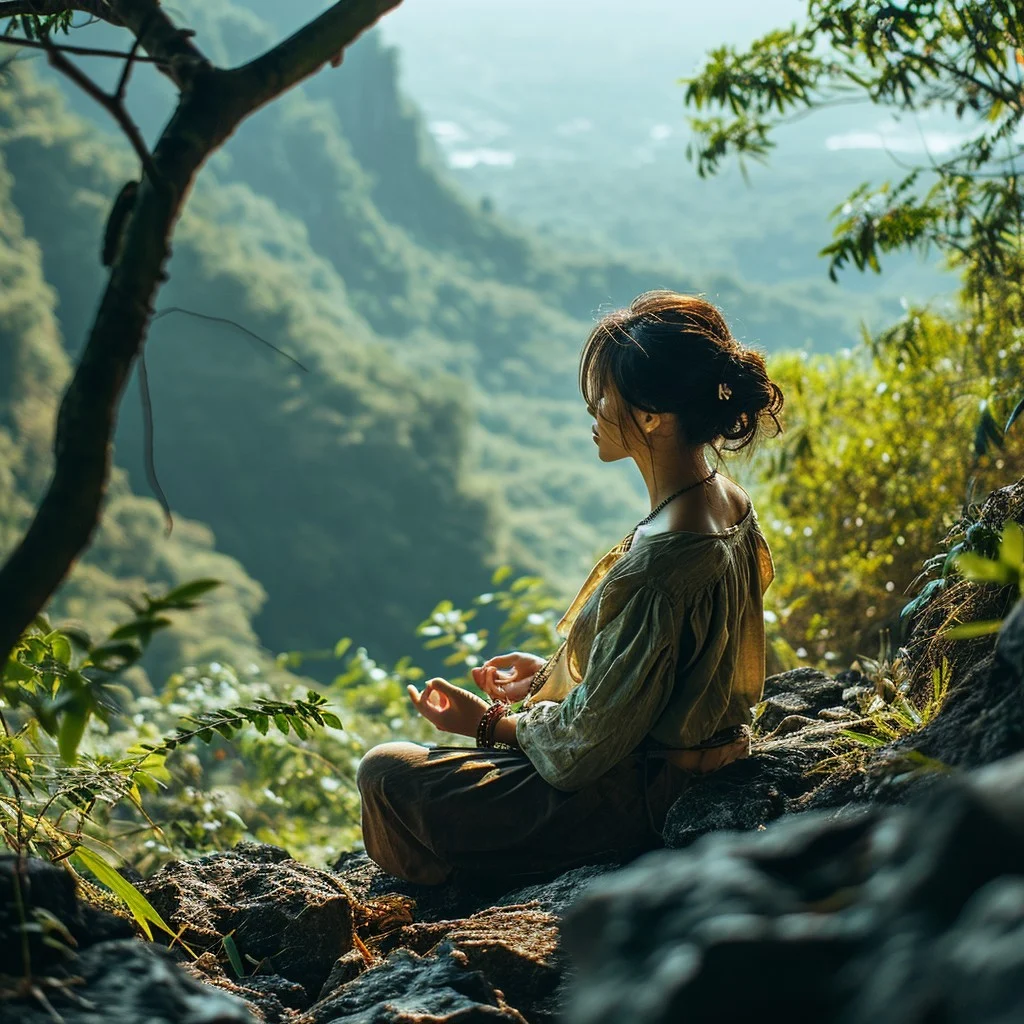
Your Sri Lanka Solo Adventure Awaits
Meet like-minded travelers · Explore ancient wonders · Create unforgettable memories
Sri Lanka vs Bali 2026: Which Tropical Paradise Is Right for You?
Sri Lanka vs Bali 2026: Which Tropical Paradise Is Right for You?
Sri Lanka or Bali in 2026? Compare beaches, culture, wildlife, food, and costs to decide which island is perfect for your next tropical getaway.
Introduction: The Two Islands of 2026
Two islands in the Indian Ocean are vying for the attention of travellers in 2026. Both have golden beaches, ancient temples, lush interiors, and warm hospitality. But the vibe and the experience couldn’t be more different.
Bali is Indonesia’s polished wellness and resort destination. Surfboard shops and vegan cafés share the road with sacred temples. Digital nomads work from thatched-roof offices with volcano views. Sri Lanka feels lived-in and authentic, with culture at the core of everything ancient cities, wildlife safaris, tea-cloaked hills, and the kind of raw, unfiltered travel that stays with you long after you leave .
So, which should you choose? This comprehensive comparison covers beaches, culture, wildlife, dining, costs, and practical travel factors for 2026.
Quick Comparison: Sri Lanka vs Bali at a Glance
| Category | Sri Lanka | Bali |
|---|---|---|
| Vibe | Authentic, lived-in, adventure-focused | Polished, wellness-focused, worldly |
| Best For | Wildlife, history, tea country, cultural depth | Surfing, fine dining, nightlife, digital nomads |
| Beaches | Golden sand, uncrowded, two distinct coastlines | Volcanic/white sand, cliff-backed coves, consistent surf |
| Wildlife | Leopards, elephants, blue whales, sloth bears | Monkeys, dolphins, some marine life |
| UNESCO Sites | 8 (ancient cities, cave temples, colonial forts) | 1 (rice terrace system) |
| Food Scene | Local rice & curry, hoppers, emerging cafes | World-class dining, diverse international cuisine |
| Nightlife | Limited, mainly Colombo hotel bars | Beach clubs, rooftop bars, DJ nights |
| Infrastructure | Improving, private drivers recommended | Mature, scooter-friendly, seamless booking |
| Cost (Mid-Range) | $40–80/day | $50–100/day |
| Visa (Indian) | Free ETA | ~$35 on arrival |
Beaches and Coastline: Where to Find Your Perfect Shore
Sri Lanka offers a vast and varied coastline. The south coast features golden sand beaches like Unawatuna and Mirissa, with excellent swimming and whale watching. The east coast around Trincomalee and Arugam Bay offers more secluded stretches and world-class surfing from May to October. The beaches feel wilder soft sand, rustling palm fronds, and fishing boats chugging towards the horizon .
Bali’s coastline is more compact but incredibly diverse. White sand beaches in the south, dramatic cliff-backed coves in Uluwatu, volcanic black sand in the north, and stunning offshore islands like Nusa Penida. Bali’s breaks are more consistent year-round, making it a surfer’s paradise. Kuta, Seminyak and Canggu have volcanic grey-to-black sand and a lively beach-club scene, while Nusa Dua and the Bukit peninsula have whiter sand and calmer water .
Verdict: For sheer beach variety, Bali wins. For long, uncrowded beach walks and a wilder coastline, Sri Lanka has the advantage. Both have excellent surf, though Bali’s breaks are more consistent year-round .
Culture and Spirituality: Living Tradition vs Ancient Heritage
Sri Lanka has the edge in historical depth. Its eight UNESCO World Heritage Sites span over 2,000 years the ancient cities of Anuradhapura and Polonnaruwa, the cliff fortress of Sigiriya, the sacred tooth relic temple in Kandy, and colonial-era Galle Fort. Sri Lanka’s Buddhist heritage is woven into the landscape from the morning mists rolling over tea plantations to the quiet magnetism of crumbling stupas .
Bali’s culture is more living and visible in daily life. Every home has a shrine, ceremonies happen on the streets daily, and the Balinese Hindu artistic tradition permeates everything from dance and music to architecture and cuisine. Bali’s temples like Tanah Lot, Uluwatu, and Tirta Empul are spectacular and atmospheric. The island’s UNESCO-listed subak rice terrace system at Jatiluwih and Tegalalang is one of Southeast Asia’s most iconic landscapes .
Verdict: For historical depth, Sri Lanka wins. For immersive living culture that you experience every day, Bali is extraordinary.
Wildlife and Nature: Sri Lanka’s Clear Advantage
This is where Sri Lanka dominates. It is one of the best destinations in Asia for wildlife enthusiasts .
Sri Lanka offers:
-
Leopards in Yala National Park (the highest density of leopards anywhere in the world)
-
Wild elephants in Udawalawe and Minneriya (the famous Elephant Gathering)
-
Blue whale watching in Mirissa (one of the world’s best spots)
-
Sloth bears in Wilpattu
-
Extraordinary birdlife throughout the island
-
Cooler temperatures and stunning tea plantation landscapes in the hill country around Ella and Nuwara Eliya
Bali’s wildlife is more limited monkeys in the Ubud forest, dolphins offshore, and some marine life while diving. There is no comparable safari or big-wildlife experience .
Verdict: If wildlife matters to your trip, Sri Lanka wins outright. If it doesn’t, the comparison is closer .
Food and Dining: Bali’s Culinary Crown
Bali wins the dining comparison convincingly .
While Sri Lankan cuisine is delicious rice and curry, hoppers (bowl-shaped pancakes), kottu roti (stir-fried flatbread), and fresh seafood the restaurant scene outside Colombo is limited mainly to local eateries and hotel dining rooms .
Bali has one of Asia’s most diverse food scenes, with everything from $2 warung meals to world-class restaurants that would earn Michelin stars in any European city. The international variety in Bali is unmatched Japanese, Italian, Mexican, Indian, and fusion cuisines are all represented at a high level. Bali’s cafe culture, beach club dining, and brunch scene are leagues ahead of Sri Lanka .
Cost comparison:
-
Bali street food: $2–5 per meal
-
Sri Lanka street food: $1–3 per meal
-
Bali fine dining: $30–80 per person
-
Sri Lanka fine dining: $15–40 per person
Verdict: For overall dining quality and variety, Bali is in a different league. For authentic local cuisine at rock-bottom prices, both destinations are comparable .
Nightlife and Social Scene
Bali’s nightlife ranges from sunset cocktails at Potato Head Beach Club to underground DJ sets in Canggu. The island offers beach clubs, rooftop bars, DJ nights, and live music venues. For travellers who want vibrant social scenes, Bali’s after-dark offerings are far richer .
Sri Lanka’s nightlife is limited. Most activity is confined to Colombo hotels and bars .
Verdict: For younger travellers and couples wanting nightlife, Bali wins decisively .
Cost and Getting Around
Both destinations offer strong value against Western prices, and neither has a decisive, consistent cost advantage it depends heavily on travel style .
Sri Lanka: Mid-range travellers can expect $40–80 per day . A private driver-guide is the standard way to tour the island affordable relative to Western equivalents, but it’s a different, more structured style of travel than Bali’s independence . Sri Lanka is a considerably bigger, more geographically varied country, and touring it independently by scooter isn’t realistic .
Bali: Mid-range travellers can expect $50–100 per day . Bali is famously easy to get around independently a scooter, a short Grab ride, or a driver for the day between Ubud, Canggu and the Bukit peninsula, all within a compact area .
Verdict: Neither has a clear cost advantage. The bigger difference is travel style: Bali offers independent, spontaneous travel; Sri Lanka offers a structured, circuit-style journey with a driver .
Visas and Entry in 2026
Sri Lanka has made a dramatic move in 2026. From May 25, 2026, the country waived ETA fees for nationals of 40 countries, including the UK, US, India, Australia, Russia, and the EU. This completely removes the previous $50 fee, saving a family of four $200 before they even board their flight . This is a major news hook and a strategic attempt to position Sri Lanka as “the main and cleanest alternative to Bali” .
Bali (Indonesia) still charges a visa on arrival fee of approximately $35 for many nationalities.
Flight times: Flights to Sri Lanka from Europe are on average 9 hours shorter than the transit to Bali . For Indian travellers, Sri Lanka is just a 1.5-hour flight from Chennai or a short hop from Kochi .
Verdict: Sri Lanka wins on visa cost and flight time especially for European and Indian travellers.
Which Should You Choose in 2026?
Choose Sri Lanka if:
-
You want wildlife safaris: leopards, elephants, blue whales
-
You’re a history lover, with eight UNESCO World Heritage Sites
-
You want to experience tea plantations and cool hill country
-
You prefer uncrowded, authentic, less developed travel
-
You’re on a budget and want to save on visa fees
-
You want a shorter flight from Europe or India
Choose Bali if:
-
You want world-class dining and cafe culture
-
You want vibrant nightlife, beach clubs, and DJ nights
-
You’re a digital nomad wanting to work from a tropical setting
-
You prefer independent, scooter-friendly travel
-
You want mature tourism infrastructure and seamless activity booking
-
You want a compact island where you can explore a lot in a short time
Why “Sri Lanka Is the New Bali”
The phrase is everywhere in 2026. Actor and content creator Shenaz Treasury called it: “Sri Lanka is the new Bali! But wayyy cheaper. And less crowded and pretentious. Also, there are more locals around, and the locals are warm and sweet, just like Bali locals.”
She added: “Sri Lanka has everything Bali has! Beaches, wellness, paddy fields, yoga, surfing, and more!”
The island nation is leveraging its visa fee waiver and natural diversity to capture the “Bali” market. It offers stunning beaches on one side and lush green paddy fields on the other, with misty mountain mornings and the iconic sight of a train crossing the Nine Arches Bridge scenes “almost like a movie” .
Final Verdict
Bali and Sri Lanka are both outstanding tropical destinations. Bali offers a polished, convenient, wellness-focused experience. Sri Lanka offers a more raw, authentic, adventurous journey with greater variety across wildlife, landscapes, and ancient history.
If you want convenience, dining, nightlife, and a compact island you can explore independently, choose Bali.
If you want wildlife, history, tea country, and a journey that moves through mountains, ancient cities, and several distinct coastlines, choose Sri Lanka.
Or, as one travel expert put it: “Sri Lanka offers considerably more range within one country” .
Ready to Explore Sri Lanka in 2026?
Rediscover Journeys is a boutique Sri Lanka tour operator with a 4.9/5 TrustScore on Trustpilot and the TripAdvisor Travellers’ Choice Award 2025. Fully licensed by the Sri Lanka Tourism Development Authority with 35+ years of collective expertise, we specialize in tailor-made private tours, ethical wildlife safaris, and authentic cultural experiences.
📞 Call us: +94 777 911 276 (24/7)
📧 Email: [email protected]
🌐 Visit: rediscoversrilanka.com
Book Your Adventure
Ready to experience this coastal paradise? Plan your trip with Rediscover Sri Lanka and create unforgettable memories at Hiriketiya Beach.
📩 Visit: Rediscover Sri Lanka to book now.
Contact Us Today!
Ready to plan your dream group tour in Sri Lanka? Let us help you craft the perfect itinerary for a truly magical experience.
👉 Contact Rediscover Sri Lanka now to explore our Sri Lanka group tour packages, designed for families, solo travelers, and adventure seekers alike.
Reviews and Recommendations
Don't just take our word for it! Check out these incredible reviews from past travelers:
Read about other travelers' experiences on TripAdvisor, where Rediscover Sri Lanka has garnered rave reviews for its safe and well-organized tours.
Read ReviewsVisit Trustpilot for more real-life testimonials from travelers who have fallen in love with Sri Lanka's beauty and hospitality.
Read ReviewsExplore Related Topics

Frequently Asked Questions
Everything you need to know about traveling in Sri Lanka