
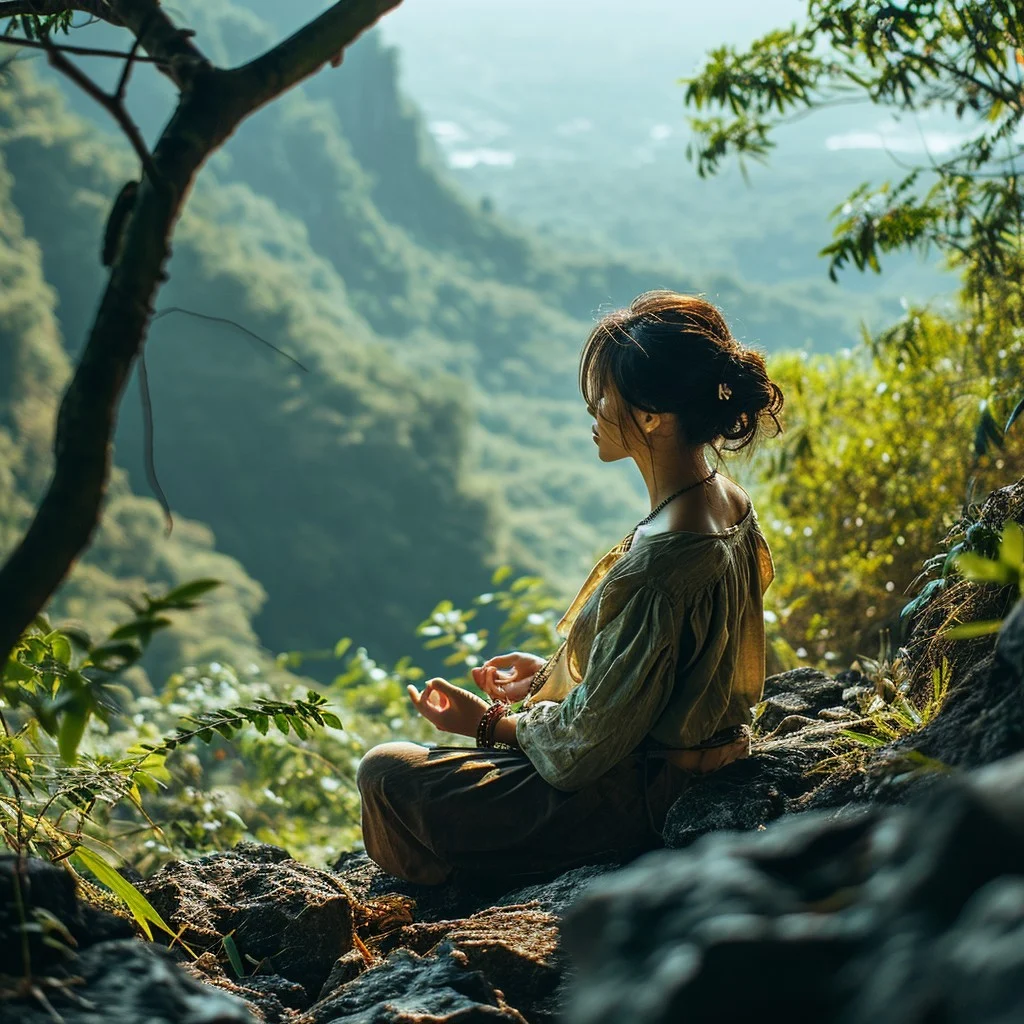
Your Sri Lanka Solo Adventure Awaits
Meet like-minded travelers · Explore ancient wonders · Create unforgettable memories
Beyond the Sri Lanka Circuit: Slow, Private Travel Guide 2026
Beyond the Sri Lanka Circuit: The Quiet Return of Slow, Private Travel
Something has shifted in how discerning travellers are approaching Sri Lanka. After years of itinerary-driven tourism the rush through Sigiriya, Kandy, Ella, and Yala in ten breathless days a quieter movement is gathering momentum. Travellers are choosing to slow down, go deeper, and travel privately. They are choosing to go beyond the circuit.
In 2026, Sri Lanka was named among the Top 10 Happiest Destinations by G Adventures, based on feedback from more than 8,000 international travellers . The recognition highlighted what the travel company called a growing global interest in “slow, meaningful travel” where cultural connection and personal experience matter more than ticking off sightseeing locations .
This is not a niche trend. It is a quiet revolution in how people want to travel. And Sri Lanka, with its compact geography, warm hospitality, and extraordinary depth of experience, is perfectly suited to answer it.
What Is Slow, Private Travel?
Slow travel is not about moving at a snail’s pace. It is about intentionality. It means staying longer in fewer places. It means choosing depth over breadth. It means allowing time for the unexpected encounters that become the memories you carry home.
Private travel is its natural companion. Instead of sharing a bus with thirty strangers, you travel with your own chauffeur-guide someone who knows the back roads, the hidden tea stalls, and the stories behind every temple.
Together, slow and private travel create something rare: a journey that feels less like a tour and more like a genuine encounter with a place and its people.
“Sri Lanka rewards travellers who enjoy variety without constant movement,” notes one luxury travel designer. “Within a relatively small island, travellers can experience ancient cities, Buddhist temples, wildlife reserves, tea-covered hills, colonial architecture, spice gardens, and palm-lined beaches. The journey changes quickly, yet the distances remain manageable, creating a natural rhythm that allows for both exploration and relaxation.”
Why the Circuit Alone Falls Short
The classic Sri Lanka circuit is not wrong. Sigiriya is extraordinary. The Temple of the Tooth is profound. The train to Ella is one of the world’s great rail journeys. Yala’s leopards are worth every early morning.
But the circuit alone can become a checklist. A series of photographs. A blur of movement. And for many travellers, that is no longer enough.
The shift is visible in the data. High-end FIT travel is growing significantly faster than bulk group business, particularly among travellers who previously visited Europe, Australia, or the United States and are now discovering what Sri Lanka offers . These travellers are not looking for cheaper versions of the same experience. They are looking for quality, authenticity, and space to breathe.
They are looking beyond the circuit.
What “Beyond the Circuit” Actually Means
Going beyond the circuit does not mean abandoning Sri Lanka’s iconic sites. It means rebalancing pairing the highlights with experiences that reveal the island’s quieter, more personal dimensions.
Real People, Real Connections
One of the most significant shifts in slow travel is the move away from staged experiences toward genuine human connection. In Sri Lanka, this means opportunities to meet people in their own context not as performers, but as hosts.
Consider the Pekoe Trail, a 323-kilometer hiking route through the Central Highlands. Walking a section with a local guide whose family has been part of tea country life for generations offers something no guidebook can provide: an understanding of what the landscape actually means to the people who live in it .
Or consider a private dinner in the Cultural Triangle with an elephant conservationist who has spent thirty years working to find solutions for human-elephant conflict. The conversation is candid, personal, and eye-opening and funds from the dinner go directly to conservation work .
These are not tours. They are encounters.
Smaller Properties with Sense of Place
The accommodation landscape in Sri Lanka is evolving. Beyond the well-known international brands, a growing collection of smaller, design-led properties offers a deeper sense of place. These are not just places to sleep. They are part of the experience restored colonial bungalows in working tea estates, boutique beachfront villas, character-filled properties that reflect the communities around them .
Slower Itineraries, Deeper Engagement
A slow, private journey might look like this: three nights in the Cultural Triangle instead of two, allowing time for a cycling tour through Polonnaruwa’s ruins, an afternoon at a village cooking class, and a sunrise climb of Sigiriya without the coach-tour crowds. Two nights in a tea estate bungalow, with time for unhurried estate walks and expert tastings. Three nights on the south coast, where the only agenda is the rhythm of the tides .
“Guests from India and neighbouring markets come not just for beach time, but to combine relaxation with meaningful engagement whether through golf, nature, wildlife or cultural experiences,” notes one hotelier. “Travellers value opportunities to unwind while also connecting deeply with the environment and community.”
The Role of the Private Chauffeur-Guide
Slow, private travel in Sri Lanka works best with a private chauffeur-guide. This is not simply a driver. It is a local expert who travels with you throughout your journey someone who knows the difference between a Buddhist temple and a Hindu kovil, which hidden street in Colombo serves the best street food, and where to stop for tea shoulder-to-shoulder with locals .
A good guide reads the room. They know when to share history and when to let silence settle. They can adjust plans when weather shifts, or when you fall in love with a place and want to stay longer. They transform a holiday into an education and a series of transactions into a relationship with a place.
For travellers from the UK, Germany, Australia, and other long-haul markets, this level of personal attention is increasingly the deciding factor. The private guide becomes the thread that connects the journey the familiar face at every arrival, the translator of culture and landscape.
Why Sri Lanka Is Perfect for This Kind of Travel
Sri Lanka’s compact size is its greatest advantage for slow travel. Distances that look significant on a map are manageable on the ground. A journey that might require internal flights in larger countries can be done comfortably by road, allowing for spontaneous stops and unplanned discoveries .
The island’s diversity means that slow travel never becomes monotonous. Within a few hours, the landscape can shift from ancient dry-zone ruins to misty tea highlands to palm-fringed coast. The journey itself becomes part of the experience, not merely a means of getting from one highlight to the next.
And Sri Lanka’s people are its greatest asset. The warmth of Sri Lankan hospitality is not a marketing slogan. It is a lived reality that travellers consistently mention in reviews and testimonials. For those who slow down enough to notice, it is often the most memorable part of the journey.
Practical Considerations for Slow, Private Travel
Timing Your Journey
The classic circuit works best from December to March for the south and west coasts, and May to September for the east coast. For a slow journey that combines regions, the transition months of April and October offer flexibility and fewer crowds.
What to Prioritise
-
Fewer destinations, longer stays. Three nights in a place is worth more than one.
-
Mix iconic and unknown. Pair Sigiriya with a village walk. Pair Yala with Maduru Oya or Wilpattu.
-
Build in rest. The best travel days often have nothing scheduled until afternoon.
-
Choose experiences over excursions. A cooking class in a family home beats a staged cultural show every time.
What to Avoid
-
Overpacked itineraries. If you are moving every night, you are not travelling slowly.
-
Group tours. The logistics of moving a group work against spontaneity and personal connection.
-
Checklist thinking. The goal is not to see everything. It is to experience something deeply.
The Quiet Return
The return of slow, private travel is not a rejection of Sri Lanka’s famous sites. It is a recalibration of what travel is for. It is a recognition that the most valuable souvenirs are not photographs but understanding. Not itineraries completed but moments that linger.
Sri Lanka has been welcoming travellers for generations. It has always been a place of depth and warmth. What is changing is not the island it is the travellers. They are arriving with different expectations. They are staying longer. They are going deeper. They are travelling privately, slowly, and with intention.
The circuit will always be there. The ancient cities, the tea hills, the beaches, the wildlife. But beyond the circuit lies something equally extraordinary: the quiet, personal, unhurried Sri Lanka that reveals itself only to those who choose to slow down.
Frequently Asked Questions
What is slow travel in Sri Lanka?
Slow travel in Sri Lanka means staying longer in fewer places, prioritising depth over breadth, and allowing time for genuine cultural connection. It is the opposite of rushing through a checklist of highlights.
What is private travel in Sri Lanka?
Private travel means you have your own chauffeur-guide and a fully bespoke itinerary, rather than joining a group tour. It offers flexibility, personal attention, and the freedom to adjust plans as you go.
Why is slow, private travel becoming popular in Sri Lanka?
Travellers are increasingly seeking meaningful experiences over sightseeing. Sri Lanka was named among the Top 10 Happiest Destinations in 2026 for its “slow, meaningful travel” appeal, and high-end FIT travel is growing significantly faster than group business.
What are some slow travel experiences in Sri Lanka?
Examples include walking a section of the Pekoe Trail with a local guide, having dinner with elephant conservationists, staying in restored tea estate bungalows, taking a village cooking class, and spending unhurried time in places like Galle Fort or the Cultural Triangle.
Do I need a private guide for slow travel in Sri Lanka?
A private chauffeur-guide is highly recommended for slow travel. They provide local expertise, flexibility, and the personal connection that transforms a trip into a meaningful journey.
How many days do I need for a slow journey in Sri Lanka?
A slow journey benefits from at least 10–14 days, allowing three nights in several key locations rather than one-night stops. Longer stays of 21 days allow for genuine immersion.
What is the best time for slow travel in Sri Lanka?
For the classic circuit, December to March is ideal. For the east coast, May to September. The transition months of April and October offer flexibility and fewer crowds.
Book Your Dream Getaway to Sri Lanka Today!
Contact Us Today!
Ready to plan your dream group tour in Sri Lanka? Let us help you craft the perfect itinerary for a truly magical experience.
👉 Contact Rediscover Sri Lankanow to explore our Sri Lanka group tour packages, designed for families, solo travelers, and adventure seekers alike.
Reviews and Recommendations
Don’t just take our word for it! Check out these incredible reviews from past travelers:
- Tripadvisor: Read about other travelers’ experiences on Tripadvisor, where Rediscover Sri Lanka has garnered rave reviews for its safe and well-organized tours.
- Trustpilot: Visit Trustpilot for more real-life testimonials from travelers who have fallen in love with Sri Lanka’s beauty and hospitality.
Book Your Adventure
Ready to experience this coastal paradise? Plan your trip with Rediscover Journeys and create unforgettable memories at Hiriketiya Beach.
📩 Visit: Rediscover Journeys to book now.
Contact Us Today!
Ready to plan your dream group tour in Sri Lanka? Let us help you craft the perfect itinerary for a truly magical experience.
👉 Contact Rediscover Journeys now to explore our Sri Lanka group tour packages, designed for families, solo travelers, and adventure seekers alike.
Reviews and Recommendations
Don't just take our word for it! Check out these incredible reviews from past travelers:
Read about other travelers' experiences on TripAdvisor, where Rediscover Journeys has garnered rave reviews for its safe and well-organized tours.
Read ReviewsVisit Trustpilot for more real-life testimonials from travelers who have fallen in love with Sri Lanka's beauty and hospitality.
Read ReviewsExplore Related Topics

Frequently Asked Questions
Everything you need to know about traveling in Sri Lanka