
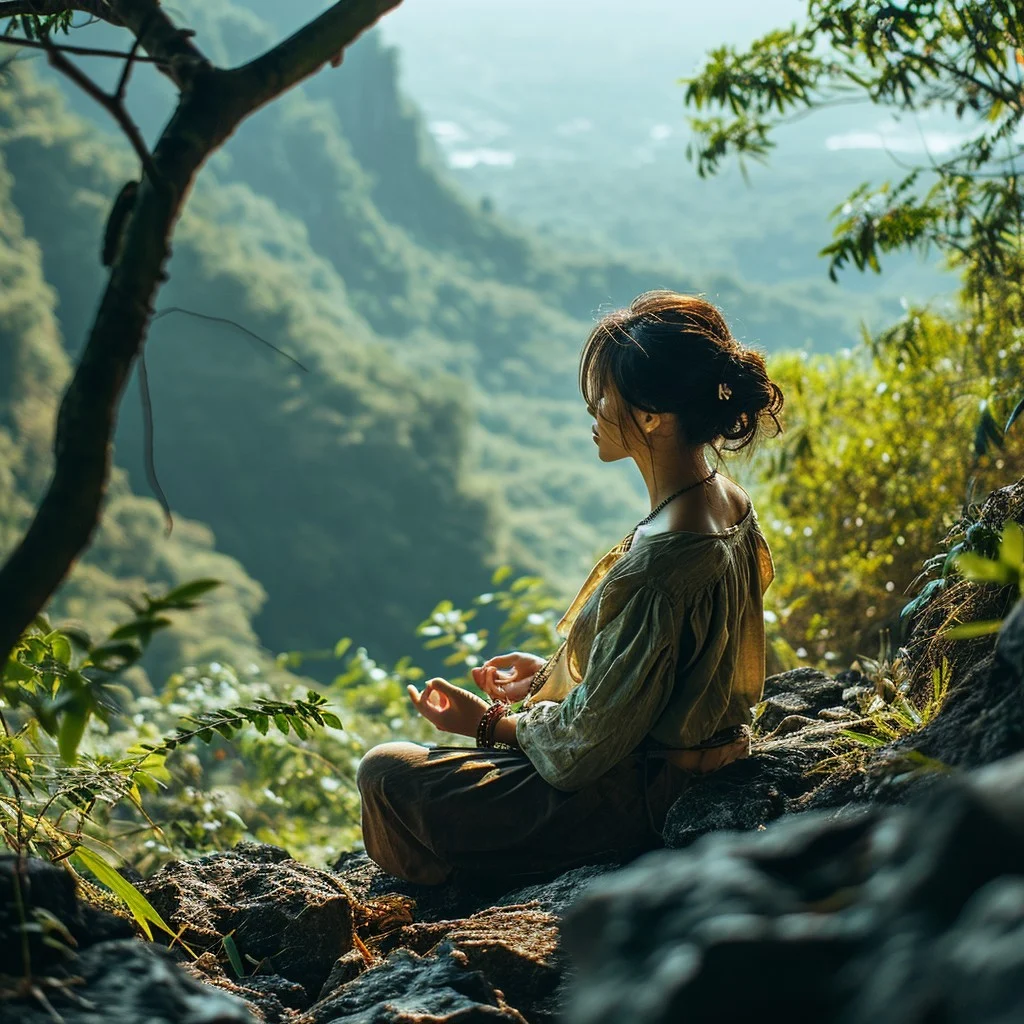
Your Sri Lanka Solo Adventure Awaits
Meet like-minded travelers · Explore ancient wonders · Create unforgettable memories
Sri Lanka Cultural Tours: 2,500 Years in Two Weeks | Complete Guide 2026
Sri Lanka Cultural Tours: 2,500 Years in Two Weeks
Sri Lanka’s written history stretches back more than 2,500 years. In that time, the island has been home to ancient kingdoms, Buddhist civilisations, colonial powers, and a living culture that continues to evolve. To travel through Sri Lanka is to move through layers of time from 5th-century rock fortresses to medieval capitals, from sacred temples to colonial forts.
A Sri Lanka cultural tour distils this extraordinary heritage into a journey that is both educational and deeply moving. And the remarkable thing is this: you can experience the essence of 2,500 years in just two weeks.
This guide explores what a cultural tour of Sri Lanka involves, the sites you’ll visit, and how to plan your own journey through the island’s remarkable past.
Why Sri Lanka for a Cultural Tour?
Sri Lanka is one of the world’s great cultural destinations yet it remains less crowded than comparable sites in India, Cambodia, or Thailand. The island has eight UNESCO World Heritage Sites, including six cultural sites and two natural sites.
Sri Lanka’s UNESCO Cultural Sites:
| Site | Period | Significance |
|---|---|---|
| Ancient City of Polonnaruwa | 11th–13th century | Medieval capital with stunning ruins |
| Ancient City of Sigiriya | 5th century | Rock fortress and palace complex |
| Sacred City of Anuradhapura | 4th century BC – 11th century AD | First capital, sacred Buddhist city |
| Old Town of Galle and its Fortifications | 16th–19th century | Dutch colonial fort |
| Golden Temple of Dambulla | 1st century BC | Cave temple with 150+ Buddha statues |
| Sacred City of Kandy | 16th–19th century | Home of the Temple of the Tooth |
Beyond these UNESCO sites, Sri Lanka offers living culture Buddhist temples, Hindu kovils, colonial architecture, traditional arts, and a way of life that has been shaped by centuries of history.
The Cultural Triangle: Sri Lanka’s Ancient Heart
The Cultural Triangle is the heart of Sri Lanka’s ancient civilisation a region in the north-central part of the island that contains the ruins of three great kingdoms: Anuradhapura, Polonnaruwa, and Sigiriya.
Sigiriya: The Lion Rock
Sigiriya is Sri Lanka’s most iconic landmark a 5th-century rock fortress rising 200 metres from the surrounding jungle. Built by King Kashyapa as a sky palace, it features water gardens, frescoes, mirror walls, and a dramatic climb to the summit.
What to See:
-
Water Gardens one of the oldest landscaped gardens in the world
-
Sigiriya Frescoes 5th-century paintings of celestial maidens
-
Mirror Wall ancient graffiti left by visitors over centuries
-
Lion’s Paws the entrance to the summit
-
Summit Palace ruins of the royal palace with panoramic views
Visitor Tips:
-
Climb early morning (7 AM) or late afternoon (4 PM) to avoid heat
-
The climb involves 1,200 steps
-
Allow 2–3 hours for the full experience
Polonnaruwa: The Medieval Capital
Polonnaruwa was Sri Lanka’s capital from the 11th to 13th centuries a period of great achievement in art, architecture, and irrigation. Today, it’s one of the best-preserved ancient cities in Asia.
What to See:
-
Royal Palace the ruins of King Parakramabahu’s palace
-
Vatadage a circular relic house with intricate carvings
-
Gal Vihara four massive Buddha statues carved from a single granite rock
-
Rankot Vihara a 54-metre stupa
-
Parakrama Samudra the “Sea of Parakrama,” a vast irrigation reservoir
Visitor Tips:
-
Explore by bicycle the terrain is flat and shaded
-
Allow a full day for the main sites
-
The Gal Vihara is the highlight don’t miss it
Anuradhapura: The Sacred City
Anuradhapura was Sri Lanka’s first capital and the centre of Theravada Buddhism for over a thousand years. It’s a vast archaeological site with stupas, monasteries, and sacred trees.
What to See:
-
Sri Maha Bodhi the sacred fig tree grown from a cutting of the Bodhi tree in India (planted 288 BC)
-
Ruwanwelisaya Stupa a massive white dome, one of the most sacred sites in Sri Lanka
-
Jetavanaramaya once the third-tallest structure in the world
-
Abhayagiri Monastery an ancient monastic complex
-
Mihintale the site where Buddhism was introduced to Sri Lanka
Visitor Tips:
-
Dress modestly shoulders and knees covered
-
Remove shoes before entering sacred areas
-
Allow a full day for the main sites
Kandy: The Sacred City
Kandy was the last capital of the Sinhalese kings and is home to Sri Lanka’s most sacred Buddhist site the Temple of the Tooth.
Temple of the Tooth (Sri Dalada Maligawa)
The Temple of the Tooth houses a relic of the Buddha’s tooth the most sacred object in Sri Lanka. The temple is the spiritual heart of the island.
What to See:
-
The Relic Chamber where the tooth relic is kept
-
Evening Puja the ceremony with drums and offerings
-
Octagon the tower where the relic was once displayed
-
Kandy Lake the picturesque lake beside the temple
Visitor Tips:
-
Visit during evening puja (6:30 PM) for the full experience
-
Dress modestly shoulders and knees covered
-
Remove shoes and hats before entering
Other Kandy Sites
-
Royal Botanical Gardens one of Asia’s finest gardens
-
Kandy View Point panoramic views of the city
-
Traditional Dance Show Kandyan dancing and drumming
-
Bahirawakanda Temple giant Buddha statue overlooking Kandy
Dambulla: The Golden Temple
Dambulla is home to Sri Lanka’s largest and best-preserved cave temple complex a UNESCO World Heritage Site with over 150 Buddha statues and painted ceilings.
What to See:
-
Cave Temples five caves with Buddha statues and murals
-
Golden Buddha a 30-metre statue at the entrance
-
Cave Paintings covering 2,100 square metres of ceiling
Visitor Tips:
-
Climb the 350 steps to the caves
-
Dress modestly shoulders and knees covered
-
Remove shoes before entering
Galle Fort: Colonial Heritage
Galle Fort is a UNESCO World Heritage Site a 17th-century Dutch fort that remains a living town with boutique shops, restaurants, and hotels.
What to See:
-
Ramparts walk the walls at sunset
-
Lighthouse the iconic white lighthouse
-
Dutch Reformed Church colonial-era church
-
Maritime Museum history of the fort
-
Boutique Shops art, crafts, and jewellery
Visitor Tips:
-
Stay inside the fort for the full experience
-
Watch sunset from the ramparts
-
Explore the back streets for hidden gems
A Two-Week Cultural Itinerary: 2,500 Years in 14 Days
This itinerary covers the essential cultural sites of Sri Lanka, with time to absorb the history and atmosphere.
| Day | Location | Highlights |
|---|---|---|
| 1 | Negombo | Arrival, rest, beach |
| 2–3 | Anuradhapura | Sacred city, Sri Maha Bodhi, stupas |
| 4–5 | Sigiriya & Dambulla | Lion Rock, Cave Temple |
| 6–7 | Polonnaruwa | Ancient city, Gal Vihara, cycling |
| 8–9 | Kandy | Temple of the Tooth, Botanical Gardens, dance show |
| 10–11 | Nuwara Eliya & Ella | Tea plantations, colonial architecture, train journey |
| 12–13 | Galle | Galle Fort, colonial heritage, boutique shopping |
| 14 | Colombo | Departure |
Note: This itinerary can be adjusted for different durations and interests. A private chauffeur-guide ensures flexibility and depth.
Living Culture: Beyond the Ancient Sites
Sri Lanka’s culture isn’t just in its ruins it’s alive in its people, traditions, and daily life.
Buddhist Temples and Monasteries
Sri Lanka is a predominantly Buddhist country, and temples are at the heart of community life. Visit a temple at dawn or dusk to see monks and devotees in prayer.
Hindu Kovils
Sri Lanka’s Tamil Hindu community has its own rich traditions. The colourful kovils of Colombo, Jaffna, and the east coast are worth visiting.
Traditional Arts
-
Kandyan Dancing traditional dance with drums and acrobatics
-
Mask Making wooden masks used in rituals and theatre
-
Handloom Weaving traditional textiles
-
Lacquerwork colourful lacquered objects
Tea Culture
Sri Lanka’s tea plantations are a living legacy of the colonial era. Visit a working estate to see how tea is made and taste the world’s finest teas.
Food Culture
Sri Lankan cuisine is a blend of Sinhalese, Tamil, Dutch, Portuguese, and British influences. Try rice and curry, hoppers, kottu roti, and lamprais.
Planning Your Cultural Tour
Best Time to Visit
For the Cultural Triangle (Anuradhapura, Polonnaruwa, Sigiriya, Dambulla), the best time is December to March. The hill country (Kandy, Nuwara Eliya) is good year-round. The south coast (Galle) is best from November to April.
What to Bring
-
Modest clothing for temple visits
-
Comfortable shoes for walking and climbing
-
Sun protection hat, sunscreen, sunglasses
-
Insect repellent for mosquitoes
-
Camera for the incredible photo opportunities
How to Travel
A private chauffeur-guide is the best way to experience Sri Lanka’s cultural sites. They provide context, handle logistics, and adapt to your pace. You’ll learn more and see more.
Respectful Visiting
-
Dress modestly at religious sites shoulders and knees covered
-
Remove shoes and hats before entering temples
-
Don’t turn your back on Buddha statues for photos
-
Ask before photographing people
-
Follow local customs your guide will advise
Frequently Asked Questions
What is a Sri Lanka cultural tour?
A Sri Lanka cultural tour is a journey through the island’s 2,500-year history, visiting ancient cities, sacred temples, colonial forts, and living cultural sites. It typically includes the Cultural Triangle, Kandy, and Galle.
How many UNESCO sites are in Sri Lanka?
Sri Lanka has eight UNESCO World Heritage Sites six cultural and two natural. The cultural sites are Polonnaruwa, Sigiriya, Anuradhapura, Galle Fort, Dambulla, and Kandy.
How long do I need for a cultural tour of Sri Lanka?
Two weeks allows you to cover the essential cultural sites comfortably. A 10-day trip can focus on the Cultural Triangle and Kandy. A 21-day trip allows for deeper exploration, including Jaffna and the east coast.
What is the best time for a cultural tour of Sri Lanka?
December to March is best for the Cultural Triangle and south coast. The hill country is good year-round. May to September is better for the east coast.
What should I wear for temple visits in Sri Lanka?
Dress modestly shoulders and knees covered. Remove shoes and hats before entering temples. Women may want to bring a sarong or scarf.
Do I need a guide for a cultural tour of Sri Lanka?
A private chauffeur-guide is highly recommended. They provide context, handle logistics, and ensure you understand the significance of what you’re seeing.
Can I combine a cultural tour with beaches and wildlife?
Yes most cultural tours include time on the south coast and a safari in Yala or Udawalawe. Sri Lanka is compact, so it’s easy to combine culture, nature, and beach time.
Experience 2,500 Years in Two Weeks
Sri Lanka’s cultural heritage is one of the world’s great treasures. From the rock fortress of Sigiriya to the sacred temples of Kandy, from the ancient cities of the Cultural Triangle to the colonial charm of Galle Fort, the island offers a journey through time that is both humbling and inspiring.
Ready to plan your Sri Lanka cultural tour? Contact our local experts to design a bespoke itinerary that brings 2,500 years of history to life.
-
🌐 Website: rediscoversrilanka.com
-
💬 WhatsApp: +94 77 791 1276
-
📧 Email: [email protected]
Book Your Dream Getaway to Sri Lanka Today!
Contact Us Today!
Ready to plan your dream group tour in Sri Lanka? Let us help you craft the perfect itinerary for a truly magical experience.
👉 Contact Rediscover Sri Lankanow to explore our Sri Lanka group tour packages, designed for families, solo travelers, and adventure seekers alike.
Reviews and Recommendations
Don’t just take our word for it! Check out these incredible reviews from past travelers:
- Tripadvisor: Read about other travelers’ experiences on Tripadvisor, where Rediscover Sri Lanka has garnered rave reviews for its safe and well-organized tours.
- Trustpilot: Visit Trustpilot for more real-life testimonials from travelers who have fallen in love with Sri Lanka’s beauty and hospitality.
Rediscover Journeys Boutique Sri Lanka Tour Operator & Travel Agency
Trustpilot 4.9/5 (192 reviews) | TripAdvisor Travellers’ Choice 2025 | SLTDA-licensed
35+ years collective Sri Lanka expertise | Private chauffeur-guide | Tailor-made tours
Book Your Adventure
Ready to experience this coastal paradise? Plan your trip with Rediscover Journeys and create unforgettable memories at Hiriketiya Beach.
📩 Visit: Rediscover Journeys to book now.
Contact Us Today!
Ready to plan your dream group tour in Sri Lanka? Let us help you craft the perfect itinerary for a truly magical experience.
👉 Contact Rediscover Journeys now to explore our Sri Lanka group tour packages, designed for families, solo travelers, and adventure seekers alike.
Reviews and Recommendations
Don't just take our word for it! Check out these incredible reviews from past travelers:
Read about other travelers' experiences on TripAdvisor, where Rediscover Journeys has garnered rave reviews for its safe and well-organized tours.
Read ReviewsVisit Trustpilot for more real-life testimonials from travelers who have fallen in love with Sri Lanka's beauty and hospitality.
Read ReviewsExplore Related Topics

Frequently Asked Questions
Everything you need to know about traveling in Sri Lanka