
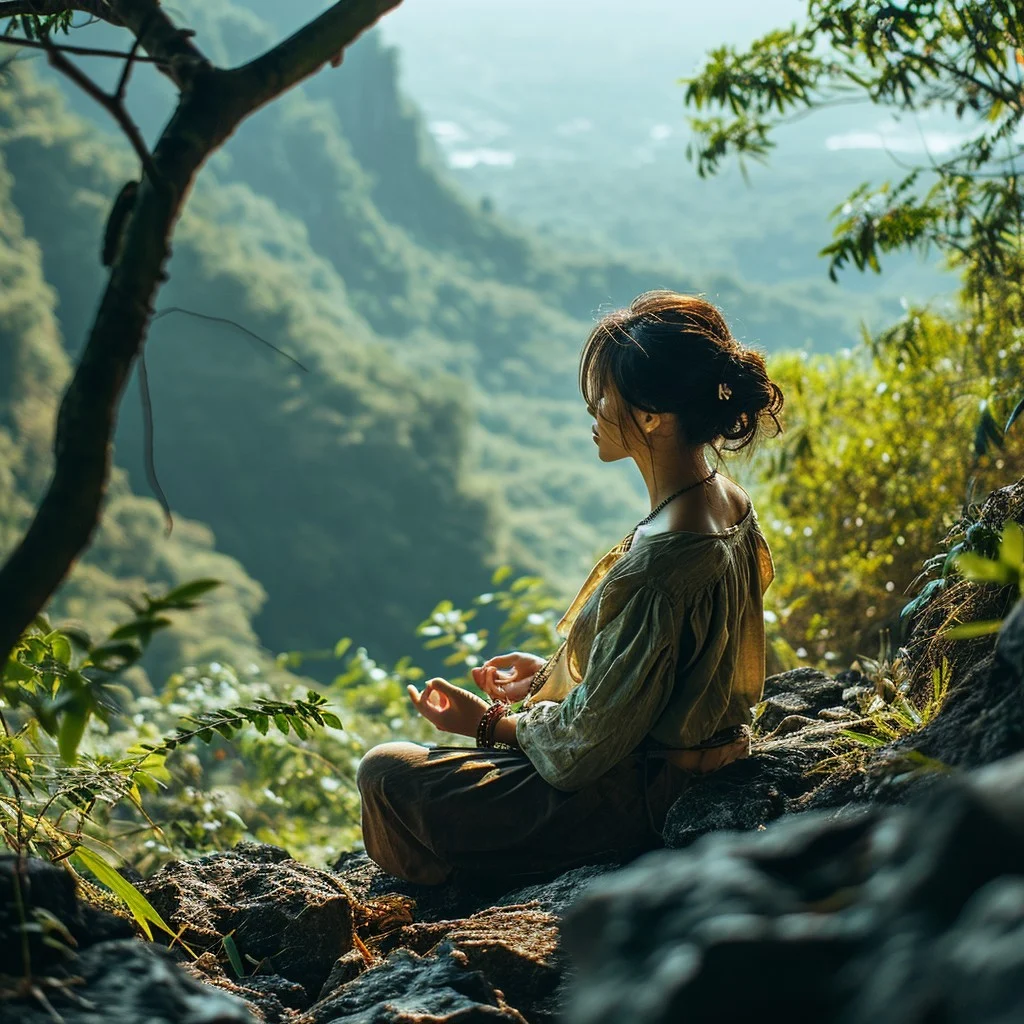
Your Sri Lanka Solo Adventure Awaits
Meet like-minded travelers · Explore ancient wonders · Create unforgettable memories
Why You Shouldn’t Try to See All of Sri Lanka in Two Weeks | 2026 Guide
Why You Shouldn’t Try to See All of Sri Lanka in Two Weeks
Every week, we receive the same email. It goes something like this:
“We have two weeks in Sri Lanka. We want to see Sigiriya, Kandy, Ella, Yala, Galle, Mirissa, Trincomalee, Jaffna, and maybe a few days on the beach. Is that possible?”
The honest answer is: yes, it’s possible. But it’s not advisable. And if you do it, you’ll likely come home exhausted, with a camera full of photos and a head full of blur.
Here’s why trying to see all of Sri Lanka in two weeks is a mistake and what to do instead.
The Geography Problem: Sri Lanka Is Smaller Than You Think But Slower Than You Expect
Sri Lanka looks small on a map. At 65,610 square kilometres, it’s roughly the size of Ireland or the US state of West Virginia. You could drive from Colombo to Jaffna in a day. You could circle the island in a week.
But here’s the thing: distance in Sri Lanka is not measured in kilometres. It’s measured in time.
A journey that looks like three hours on Google Maps can take five or six. Roads wind through mountains, pass through villages, and slow to a crawl behind buses and tuk-tuks. The average speed on Sri Lankan roads is around 30–40 km/h often less in the hill country.
What this means: A two-week itinerary that looks reasonable on paper can become a grind of long drives, rushed meals, and fleeting stops.
The Experience Problem: You’ll See Everything and Experience Nothing
There’s a difference between seeing a place and experiencing it.
Seeing Sigiriya means climbing the rock, taking photos, and getting back in the car. It takes two hours.
Experiencing Sigiriya means arriving at sunrise, watching the mist rise from the jungle, exploring the water gardens, noticing the frescoes, sitting at the summit and letting the view sink in. It takes half a day.
Seeing Ella means riding the train, snapping a photo of the Nine Arches Bridge, and moving on. It takes a few hours.
Experiencing Ella means walking through tea plantations, meeting the pluckers, learning how tea is made, hiking to Little Adam’s Peak at sunset, and spending an evening in a hill town that feels like a different world. It takes two or three days.
The point: The more you try to see, the less you actually experience. You end up with a checklist of places you’ve “done” and a nagging feeling that you missed something.
The Human Problem: You Won’t Have Time for Connections
Some of the best moments in Sri Lanka are unplanned. They happen when you slow down enough to let them.
-
The conversation with a tea plucker who invites you to her home
-
The afternoon you spend watching elephants at a waterhole, just because
-
The evening you share a meal with a local family and learn to make hoppers
-
The morning you sit on a beach and do absolutely nothing
These moments don’t happen on a tight itinerary. They happen when you have space when you’re not rushing to the next destination, when you’re not watching the clock.
If you try to see all of Sri Lanka in two weeks, you won’t have time for these moments. You’ll be too busy moving.
The Exhaustion Problem: You’ll Come Home Needing a Holiday
Travel is tiring. Travel in a developing country with heat, dust, and long drives is more tiring. Travel with children is even more tiring.
A two-week itinerary that covers the whole island means:
-
Early starts every day
-
Long drives between destinations
-
Packing and unpacking every two or three nights
-
Little downtime
-
Constant decision-making
By the end of the trip, you’ll be exhausted. And exhaustion colours everything. The things that would have delighted you on day three will irritate you by day twelve.
A well-planned trip leaves space for rest. It builds in downtime. It allows for lazy mornings and afternoons by the pool. It recognises that you’re on holiday, not on a mission.
The Better Approach: Focus, Don’t Spread
The alternative to seeing everything is to see less but better.
Instead of trying to see all of Sri Lanka, choose one or two regions and go deep.
Option 1: The Classic Route (Culture + Hill Country + Beach)
Two weeks, three regions:
-
Cultural Triangle Sigiriya, Polonnaruwa, Dambulla (4 nights)
-
Hill Country Kandy, Ella, Nuwara Eliya (4 nights)
-
South Coast Galle, Mirissa, Bentota (5 nights)
Why it works: This is the classic Sri Lanka route, and for good reason. It covers the highlights without excessive travel, and it ends with beach time the perfect way to unwind.
Option 2: The Wildlife Route
Two weeks, two regions:
-
Cultural Triangle + Wildlife Sigiriya, Minneriya, Wilpattu (5 nights)
-
South Coast + Yala Galle, Yala, Mirissa (6 nights)
-
Optional: Hill Country (3 nights)
Why it works: For wildlife lovers, this route prioritises safaris and national parks with time for multiple game drives.
Option 3: The Off-the-Beaten-Path Route
Two weeks, two regions:
-
North Jaffna, Point Pedro, Keerimalai (4 nights)
-
East Coast Trincomalee, Arugam Bay, Pasikuda (7 nights)
-
Optional: Cultural Triangle (3 nights)
Why it works: For travellers who’ve been to Sri Lanka before, or who want to avoid the crowds, the north and east offer a different side of the island.
Option 4: The Slow Route
Two weeks, one region:
-
Hill Country Kandy, Nuwara Eliya, Ella, Haputale (14 nights)
Why it works: For travellers who want to slow down completely. Walk, read, drink tea, and let the hills work their magic.
How to Plan a Two-Week Trip That Works
Rule 1: Fewer Places, Longer Stays
The golden rule: Stay at least three nights in each location. Two nights is acceptable for a stopover, but three nights allows you to settle, explore, and relax.
Why: Moving every two nights means you spend half your time packing and unpacking. Staying longer means you actually experience a place.
Rule 2: Limit Travel Time
Aim for no more than 3–4 hours of driving per day. Less if possible. This allows for stops, breaks, and spontaneous discoveries.
Why: Long drives are exhausting. They eat into your day and leave you too tired to enjoy what you came to see.
Rule 3: Build in Downtime
Schedule at least one “do nothing” day per week. A day by the pool, a lazy morning, an afternoon nap.
Why: Downtime is not wasted time. It’s what allows you to enjoy the rest of the trip.
Rule 4: End with Beach Time
Finish your trip on the coast. After weeks of temples, safaris, and hill country, the beach is the perfect reward.
Why: Beach time is restorative. It allows you to process everything you’ve seen and prepare for the journey home.
Rule 5: Work with a Local Expert
A local tour operator can help you plan a realistic itinerary. They know the roads, the travel times, and the hidden gems. They can also adjust plans if weather or conditions change.
Why: Local knowledge is invaluable. It’s the difference between a trip that looks good on paper and one that actually works.
What You’ll Miss If You Rush
If you try to see all of Sri Lanka in two weeks, here’s what you’ll miss:
-
The sunrise at Sigiriya because you arrived at midday
-
The leopard that appeared at dusk because you left the park early
-
The tea plucker who invited you for tea because you were rushing to the next town
-
The afternoon by the pool because you had another temple to see
-
The conversation with your chauffeur-guide because you were too tired to talk
-
The feeling of truly being somewhere because you were always on the way to somewhere else
These are the things that make travel memorable. They don’t happen on a tight schedule.
What You’ll Gain If You Slow Down
If you slow down, here’s what you’ll gain:
-
Deeper experiences time to explore, to linger, to understand
-
Genuine connections with guides, locals, and fellow travellers
-
Rest the kind that actually restores you
-
Memories not just photos, but moments you’ll remember
-
A sense of place the feeling that you’ve truly been somewhere
These are the things that make travel transformative. They happen when you give them space.
A Realistic Two-Week Itinerary
Here’s what a realistic, well-paced two-week itinerary looks like:
| Days | Location | Highlights | Nights |
|---|---|---|---|
| 1–2 | Negombo | Arrival, rest, beach | 2 |
| 3–5 | Cultural Triangle | Sigiriya, Polonnaruwa, Dambulla | 3 |
| 6–7 | Kandy | Temple of the Tooth, Botanical Gardens | 2 |
| 8–9 | Ella | Train journey, Nine Arches Bridge, tea plantations | 2 |
| 10–11 | Udawalawe | Elephant safari | 2 |
| 12–14 | South Coast | Galle, Mirissa, beach time | 3 |
Total: 14 nights, 6 locations, balanced pacing.
Note: Yala National Park Blocks 1 and 2 are temporarily closed from September 14 to October 15, 2026. Alternatives include Udawalawe, Wilpattu, and Maduru Oya.
Frequently Asked Questions
Can you see all of Sri Lanka in two weeks?
You can cover the highlights in two weeks, but you can’t see everything. Trying to do too much leads to exhaustion and a shallow experience. Focus on fewer regions and go deeper.
How many days do you need to see Sri Lanka?
Two weeks is ideal for a first trip, covering the Cultural Triangle, hill country, and south coast. Three weeks allows for more depth and additional regions.
What is the best two-week itinerary for Sri Lanka?
The classic route Cultural Triangle, Kandy, Ella, Udawalawe, and the south coast works well for first-time visitors. It balances culture, nature, and beach time.
Is it better to travel slowly in Sri Lanka?
Yes slow travel allows you to experience places rather than just see them. It reduces exhaustion, creates space for spontaneous moments, and leads to a more memorable trip.
How many places should I visit in two weeks in Sri Lanka?
Aim for 5–6 locations, staying at least 2–3 nights in each. This allows for a balance of exploration and rest.
What should I skip if I only have two weeks?
Don’t try to include the east coast, north, and south in one trip. Choose one or two regions and focus on those.
Do I need a private guide for a two-week trip?
A private chauffeur-guide is highly recommended. They handle logistics, provide local knowledge, and can adjust plans if needed.
What is the biggest mistake people make when planning a Sri Lanka trip?
Trying to see too much. The temptation to “do it all” leads to rushed experiences and exhaustion.
Book Your Dream Getaway to Sri Lanka Today!
Contact Us Today!
Ready to plan your dream group tour in Sri Lanka? Let us help you craft the perfect itinerary for a truly magical experience.
👉 Contact Rediscover Sri Lanka now to explore our Sri Lanka group tour packages, designed for families, solo travelers, and adventure seekers alike.
Reviews and Recommendations
Don’t just take our word for it! Check out these incredible reviews from past travelers:
- Tripadvisor: Read about other travelers’ experiences on Tripadvisor, where Rediscover Sri Lanka has garnered rave reviews for its safe and well-organized tours.
- Trustpilot: Visit Trustpilot for more real-life testimonials from travelers who have fallen in love with Sri Lanka’s beauty and hospitality.
Travel Better, Not More
Sri Lanka is a small island with an enormous amount to offer. You could spend months here and still not see it all. That’s not a reason to try it’s a reason to slow down.
The best trips are not the ones that cover the most ground. They’re the ones that go deepest.
So don’t try to see all of Sri Lanka in two weeks. Choose less. Stay longer. Go deeper. And come home with memories that will last a lifetime not just photos that all start to look the same.
Ready to plan a slower, richer journey? Contact our local experts to design a bespoke itinerary that works at your pace.
-
🌐 Website: rediscoversrilanka.com
-
💬 WhatsApp: +94 77 791 1276
-
📧 Email: [email protected]
Rediscover Journeys Boutique Sri Lanka Tour Operator & Travel Agency
Trustpilot 4.9/5 (192 reviews) | TripAdvisor Travellers’ Choice 2025 | SLTDA-licensed
35+ years collective Sri Lanka expertise | Private chauffeur-guide | Tailor-made tours
Book Your Adventure
Ready to experience this coastal paradise? Plan your trip with Rediscover Journeys and create unforgettable memories at Hiriketiya Beach.
📩 Visit: Rediscover Journeys to book now.
Contact Us Today!
Ready to plan your dream group tour in Sri Lanka? Let us help you craft the perfect itinerary for a truly magical experience.
👉 Contact Rediscover Journeys now to explore our Sri Lanka group tour packages, designed for families, solo travelers, and adventure seekers alike.
Reviews and Recommendations
Don't just take our word for it! Check out these incredible reviews from past travelers:
Read about other travelers' experiences on TripAdvisor, where Rediscover Journeys has garnered rave reviews for its safe and well-organized tours.
Read ReviewsVisit Trustpilot for more real-life testimonials from travelers who have fallen in love with Sri Lanka's beauty and hospitality.
Read ReviewsExplore Related Topics

Frequently Asked Questions
Everything you need to know about traveling in Sri Lanka