
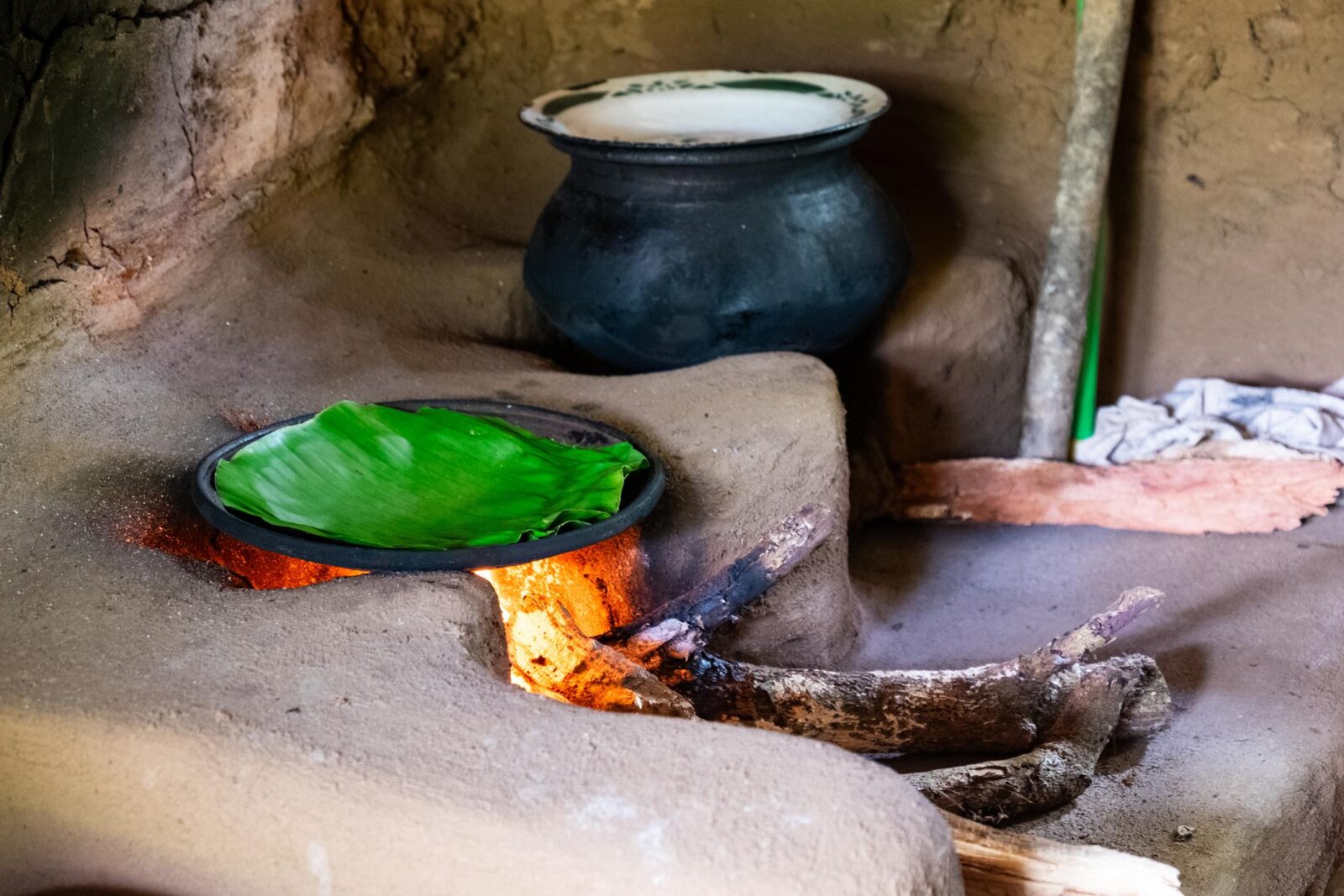
Everything You Need to Know About Sri Lankan Food Guide: Discover the Flavours of the Island
A Taste of Sri Lanka Food: Discovering the Island Through Its Flavours Some of the most memorable travel experiences begin at the dining table. The aroma of spices rising from a freshly prepared curry, the gentle crackle of a hopper cooking on a hot pan, or the taste of freshly caught seafood enjoyed beside the ocean …
A Taste of Sri Lanka Food: Discovering the Island Through Its Flavours
Some of the most memorable travel experiences begin at the dining table. The aroma of spices rising from a freshly prepared curry, the gentle crackle of a hopper cooking on a hot pan, or the taste of freshly caught seafood enjoyed beside the ocean can reveal something special about a destination. In Sri Lanka, food is more than a part of everyday life. It is an expression of history, geography, cultural identity and hospitality, bringing together influences that have shaped the island over centuries.
From traditional village kitchens and bustling local markets to elegant coastal restaurants and intimate dining experiences in the hills, Sri Lankan cuisine offers an extraordinary variety of flavours. Its culinary traditions reflect the island’s regional diversity, with influences from South India, Southeast Asia, the Middle East and European colonial history. Yet, what makes the experience distinctive is the way these influences come together with locally grown ingredients, aromatic spices and generations of culinary knowledge.
For travellers seeking a deeper connection with the places they visit, discovering Sri Lanka through its food offers a journey that goes far beyond the restaurant menu.
The Art of a Sri Lankan Breakfast
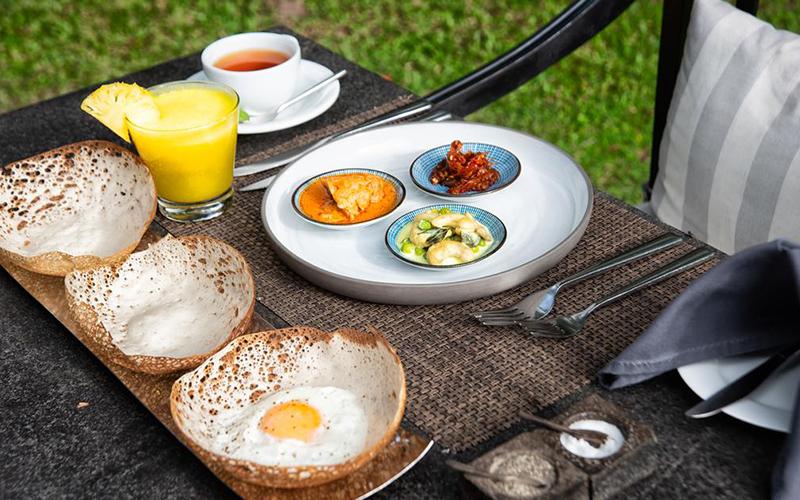
A traditional Sri Lankan breakfast is an experience in itself. It is often a colourful combination of textures, flavours and carefully prepared accompaniments, bringing together simple ingredients in wonderfully distinctive ways.
One of the island’s most recognisable breakfast dishes is the hopper, known locally as appa. Made from a fermented rice-flour and coconut-milk batter, it is cooked in a small curved pan to create a delicate, bowl-shaped pancake with crisp edges and a soft centre. An egg hopper, with an egg cooked inside, is a popular variation, while plain hoppers are often served with spicy lunu miris, coconut sambol or a selection of curries.
Another breakfast favourite is the string hopper, or idiyappam. These delicate steamed rice-flour nests are traditionally accompanied by coconut sambol, dhal curry and coconut-based gravies. Pol rotti, a rustic flatbread prepared with grated coconut, is another comforting favourite, particularly when served warm with a spicy curry.
For a more immersive culinary experience, travellers can enjoy these dishes as part of a carefully prepared Sri Lankan breakfast at a boutique hotel, private villa or traditional family home. The experience is not simply about tasting local food, but understanding the ingredients, preparation methods and traditions that make each dish part of the island’s culinary identity.
Rice and Curry: The Heart of Sri Lankan Cuisine
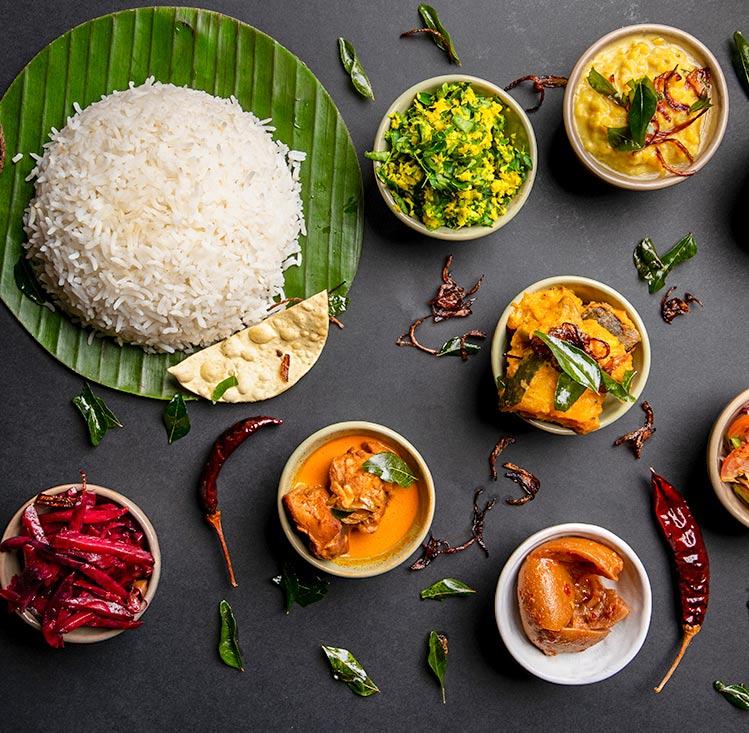
Few dishes represent Sri Lankan food culture as naturally as rice and curry. Although the name sounds simple, a traditional meal can be an elaborate arrangement of flavours, colours and textures, with each preparation contributing something different to the table.
A typical spread may include steamed rice accompanied by dhal, vegetable curries, leafy mallung, coconut sambol, pickles and a selection of fish, chicken or meat preparations. Coconut milk provides richness to many curries, while ingredients such as cinnamon, cardamom, curry leaves, pandan, turmeric, pepper and chilli create the distinctive aromas associated with Sri Lankan cooking.
The experience changes from region to region. A northern meal may feature stronger spice combinations and distinctive preparations influenced by Tamil culinary traditions, while coastal communities often incorporate freshly caught seafood. In the central regions, vegetable-based curries and ingredients grown in cooler climates bring their own character to the table.
For travellers, a thoughtfully curated rice-and-curry experience can become one of the highlights of a Sri Lankan journey. Enjoying a home-cooked meal, learning how spices are combined or discovering the stories behind regional ingredients offers a much more personal introduction to the island than simply ordering from a menu.
Street Food and the Rhythm of Local Life
To understand the everyday food culture of Sri Lanka, it is worth looking beyond formal dining spaces. Across towns and cities, small roadside kitchens, market stalls and local eateries bring together some of the island’s most recognisable flavours.
One experience that captures this atmosphere is kottu roti. Prepared on a hot metal griddle, chopped pieces of roti are combined with vegetables, eggs, spices and optional meat or seafood. The rhythmic sound of metal blades chopping against the griddle has become part of the evening atmosphere in many Sri Lankan towns.
Other favourites include isso vade, crisp lentil fritters topped with prawns, and pol rotti, often served with spicy sambol. These everyday dishes reveal the lively and informal side of Sri Lankan food culture, where preparation, conversation and the atmosphere of a neighbourhood eatery are all part of the experience.
For luxury travellers, discovering street food does not have to mean compromising on comfort. With the guidance of a knowledgeable local host, a carefully planned culinary exploration can introduce visitors to authentic flavours while taking account of hygiene, dietary requirements and individual preferences.
From the Ocean to the Table: Sri Lanka’s Seafood Heritage
Surrounded by the Indian Ocean, Sri Lanka has a long relationship with the sea. Fishing communities along the coastline have developed distinctive ways of preparing their daily catch, making seafood an essential part of the island’s culinary identity.
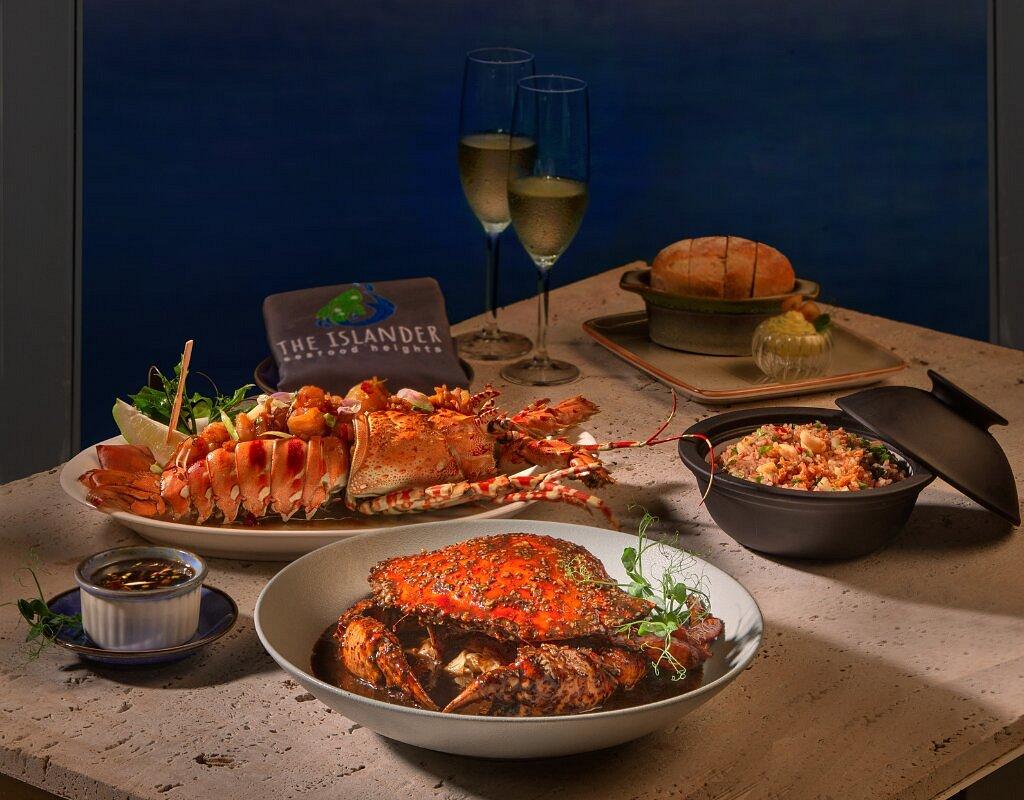
Fresh fish, prawns, cuttlefish, lobster and crab feature in a wide variety of regional preparations. Coastal cooking often combines seafood with coconut, chilli, curry leaves, tamarind and other local spices, creating dishes that balance freshness with depth of flavour.
In the north, Jaffna-style crab curry is particularly well known for its bold spice combinations. Along the southern and western coastlines, seafood restaurants and local kitchens offer a range of preparations influenced by the day’s catch. A simple grilled fish served with fresh accompaniments can be just as memorable as a more elaborate seafood curry.
A private seafood dinner overlooking the ocean, a visit to a traditional fishing village or an introduction to the day’s catch at a local market can add another dimension to a coastal escape. These experiences connect the dining table with the communities, landscapes and livelihoods behind the food.
Heritage on a Plate: The Stories Behind Traditional Dishes
Sri Lanka’s culinary identity has been shaped by centuries of trade, migration and cultural exchange. Some of its most distinctive dishes tell stories of communities whose traditions have become part of the island’s wider food heritage.
One example is lamprais, a richly flavoured meal associated with Sri Lanka’s Dutch Burgher community. Traditionally wrapped in a banana leaf and baked, it brings together rice, curries, meat preparations, frikkadels and a variety of accompaniments. The careful preparation and combination of ingredients make it a dish with a particularly interesting cultural history.
Another much-loved preparation is kiri bath, rice cooked with coconut milk until it becomes rich and creamy, then shaped into pieces and traditionally served with spicy sambol. It is closely associated with celebrations, new beginnings and special family occasions, including the Sinhala and Tamil New Year.
In the northern regions, food traditions reflect strong Tamil cultural influences, while Muslim communities contribute distinctive dishes and festive preparations such as watalappam, a rich coconut custard traditionally sweetened with jaggery and flavoured with spices.
Exploring these dishes provides a way to understand Sri Lanka’s diverse communities through their food. Each recipe carries memories, customs and techniques that have been passed down through generations.
A Sweet Ending: Traditional Desserts and Local Delicacies
Sri Lanka’s dessert traditions are closely connected to its tropical ingredients, particularly coconut, palm treacle, rice and seasonal fruits. Many traditional sweets are prepared for celebrations and family gatherings, making them an important part of the island’s food culture.
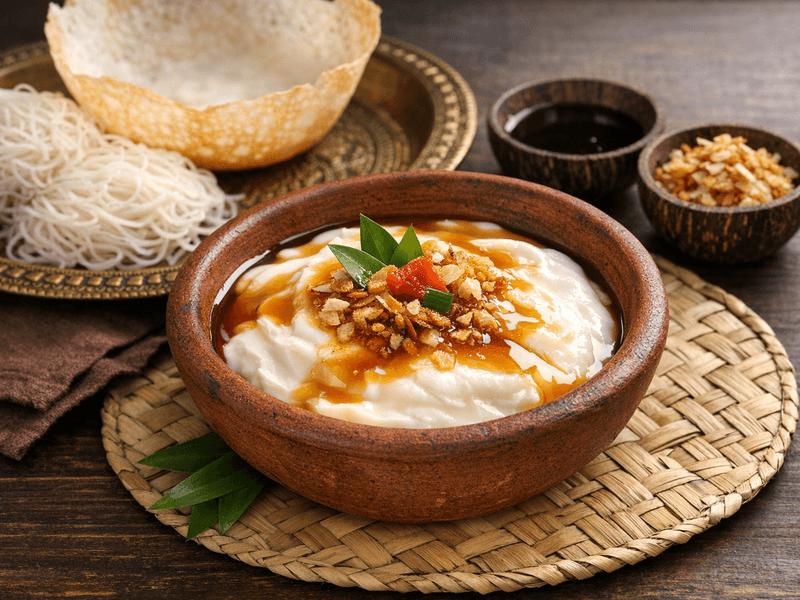
Buffalo curd served with kithul treacle is one of the country’s most loved traditional combinations. The creamy texture of the curd contrasts beautifully with the deep, caramel-like sweetness of the palm syrup. Other favourites include watalappam, kavum and kokis, each associated with different culinary traditions and occasions.
Fresh tropical fruits also deserve a place in the experience. Mangoes, pineapples, papayas, bananas and king coconuts reflect the island’s agricultural abundance and provide a refreshing finish to a meal.
For travellers interested in local food traditions, visiting a sweet shop, discovering how traditional desserts are prepared or enjoying a selection of regional delicacies can be a delightful addition to a cultural journey.
Beyond the Food: Tea, King Coconut and the Flavours of the Island
Sri Lanka’s culinary story extends beyond its meals. Its drinks are closely connected to the island’s landscape, climate and agricultural heritage.
Ceylon tea is perhaps the most internationally recognised example. Grown across several elevations, Sri Lankan tea develops different characteristics depending on its growing region, processing methods and climate. A visit to a tea estate in the central highlands can introduce travellers to the journey from freshly plucked leaves to the finished cup, with opportunities to learn about tea production and enjoy a guided tasting.
For something more refreshing, king coconut, known locally as thambili, is a familiar sight across the island. Its naturally refreshing water makes it a popular drink in the tropical climate. Traditional herbal drinks such as kola kanda, prepared with leafy greens, rice and coconut milk, also offer a glimpse into Sri Lanka’s everyday food and wellness traditions.
In selected settings, visitors can explore locally produced beverages and learn about the ingredients and traditions behind them. Whether it is a carefully prepared cup of Ceylon tea or fresh king coconut enjoyed after a day of exploring, these small moments often become memorable parts of a journey.
Culinary Experiences That Bring You Closer to Sri Lanka
The most rewarding food experiences are often those that allow travellers to participate rather than simply observe. A guided visit to a local market can introduce visitors to unfamiliar ingredients, seasonal produce and the spices that form the foundation of Sri Lankan cooking. A private cooking session can reveal how traditional dishes are prepared, from grinding fresh spices to balancing the flavours of coconut, chilli and aromatic herbs.
In the countryside, a meal prepared in a traditional home can offer a more personal understanding of local hospitality. Along the coast, a seafood experience can connect travellers with the fishing traditions of the surrounding community. In the highlands, a tea-focused journey can bring together scenic landscapes, plantation heritage and the art of tasting Ceylon tea.
These experiences can be adapted to individual interests, whether travellers are passionate food enthusiasts, curious first-time visitors or families looking to discover Sri Lanka through its culture. They also create opportunities to support local producers, cooks, artisans and small businesses.
Discover Sri Lanka, One Flavour at a Time
Sri Lanka’s food is as diverse as its landscapes. It can be discovered in the warmth of a traditional breakfast, the richness of a home-cooked curry, the energy of a roadside kottu stall or the elegance of a private dinner overlooking the Indian Ocean.
Yet the real beauty of its culinary heritage lies in the stories behind the flavours. Every region has its own ingredients, every community has its traditions, and every meal offers another opportunity to understand the island more deeply.
At Rediscover Journeys, we believe that discovering a destination should engage every sense. Through personalised culinary experiences, meaningful cultural encounters and carefully selected places to stay, we invite travellers to experience Sri Lanka beyond the familiar.
Because sometimes, the best way to understand an island is to taste it.
Come for the journey. Stay for the stories. Rediscover Sri Lanka.
Plan Your Sri Lanka Adventure
Ready to refine this route for your group? Contact Rediscover Journeys — we can handle the private transport, train tickets, safari jeeps, and community experiences.
Speak to our team: +94 77 791 1276 (Rasith Gunaratna) · +94 77 887 8723 (Lakshan Surekha) · +94 11 226 0407 (Office) · [email protected]
Explore more:
-
Sri Lanka Best Travel Routes — five routes compared
-
Sri Lanka Itinerary 2026 — 5 to 21-day plans
-
Sri Lanka Street Food Guide — kottu and hoppers
-
Sri Lanka Tea Factory Tours — which estate to visit
-
Slow Travel Sri Lanka — unhurried pacing
-
Adventure Tours — hiking, rafting, cycling
-
Wildlife Safaris — Yala and beyond
-
Private Driver Service — vehicles and guides
Trusted by travellers — see our reviews on TripAdvisor and Trustpilot.
Contact Us Today!
Ready to plan your dream journey in Sri Lanka? Let us help you craft the perfect itinerary for a truly memorable experience.
Contact Rediscover Sri Lanka to explore our tailor-made journeys, private tours and authentic Sri Lankan experiences.
Begin a ConversationReviews and Recommendations.
Don't just take our word for it! Check out these incredible reviews from past travellers.
Read about other travellers' experiences and explore reviews of our parent company.
Read ReviewsDiscover feedback from travellers who have experienced Rediscover Journeys and explored Sri Lanka with our team.
Read ReviewsBook Your Adventure.
Ready to experience Sri Lanka beyond the usual tourist trail? Let us create a private journey around your interests, pace and travel style.
Ready to Rediscover Sri Lanka?
Plan your trip with Rediscover Sri Lanka and create unforgettable memories at some of the island's most extraordinary places.
Visit Rediscover Sri Lanka to start planning your journey.
Curate Your JourneyEverything you need to know about travelling in Sri Lanka.
Sri Lanka is a year-round destination, with the best time to visit depending on the regions you plan to explore. The west and south coasts are generally best from December to April, while the east coast is ideal from May to September. The central highlands offer cooler weather and scenic landscapes throughout much of the year.
A journey of 7 to 14 days allows you to experience many of Sri Lanka’s highlights at a comfortable pace. You can combine ancient cultural sites, wildlife safaris, scenic train journeys, tea country, and tropical beaches. A longer stay gives you more time to discover hidden gems and enjoy meaningful local experiences.
Sri Lanka offers a remarkable variety of destinations, from the ancient cities of Sigiriya and Polonnaruwa to the misty hills of Ella and Nuwara Eliya. Wildlife enthusiasts can explore Yala and Udawalawe National Parks, while the southern coast offers beautiful beaches and historic Galle Fort. The best places to visit depend on your interests, travel dates, and preferred pace.
Absolutely. Sri Lanka is home to diverse ecosystems, national parks, rainforests, wetlands, and mountain landscapes. Visitors can look for elephants, leopards, and a wide variety of birdlife on guided wildlife safaris, explore lush nature trails, or discover marine life along the coast. Responsible travel and following local wildlife guidelines help protect these natural environments.
Travellers can discover centuries-old temples, ancient kingdoms, traditional arts and crafts, vibrant festivals, and the island’s rich culinary heritage. Experiences may include visiting local markets, learning about traditional cooking, exploring historic landmarks, or meeting local communities. These encounters offer a deeper understanding of Sri Lanka’s traditions, people, and way of life.
Before travelling, consider the seasonal weather, regional travel times, local customs, appropriate clothing for religious sites, and entry requirements for your nationality. Sri Lanka’s landscapes and road conditions can make journeys longer than expected, so allowing time between destinations is worthwhile. Planning ahead helps you enjoy a more comfortable and rewarding experience.
The official currency is the Sri Lankan Rupee (LKR). Cards are accepted at many hotels, restaurants, and larger businesses, while cash is useful for local shops, markets, and smaller establishments. It is helpful to carry some local currency and check current exchange rates before your trip.
Yes. Sri Lanka offers experiences for a wide range of travellers, including families, couples, solo explorers, and groups of friends. Families can enjoy wildlife safaris, cultural discoveries, and relaxed beach stays, while couples may prefer scenic retreats, boutique hotels, and private experiences. An itinerary tailored to your interests can help create a more enjoyable journey.