
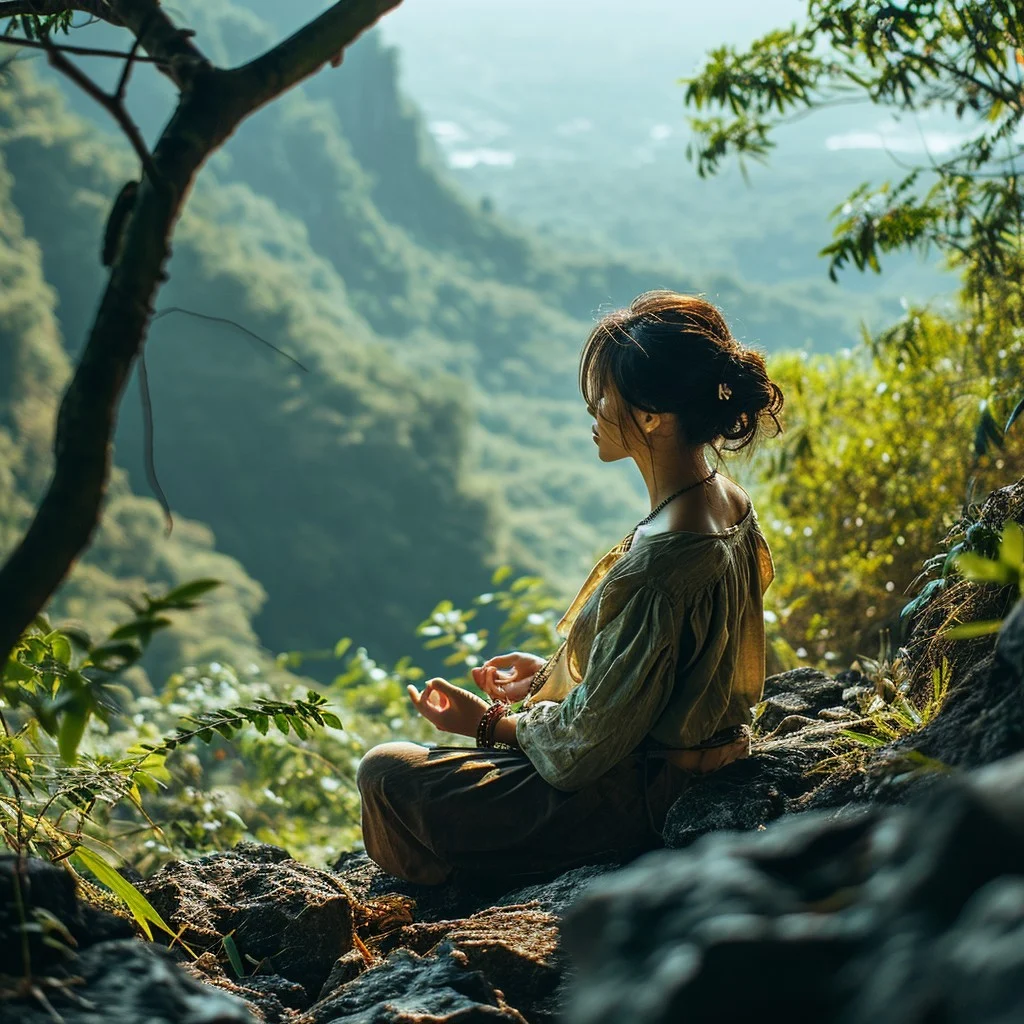
Your Sri Lanka Solo Adventure Awaits
Meet like-minded travelers · Explore ancient wonders · Create unforgettable memories
Boutique DMC Sri Lanka & Boutique Hotels | The Complete Guide 2026
Boutique DMC & Boutique Hotels in Sri Lanka: The Complete Guide
There is a quiet revolution happening in travel. After years of mass tourism, chain hotels, and cookie-cutter itineraries, discerning travellers are seeking something different. They want authenticity over anonymity. Character over conformity. Personalisation over packages.
This is where boutique comes in and in Sri Lanka, it is transforming the way people travel.
A boutique DMC (Destination Management Company) and boutique hotels represent a different philosophy of travel. They prioritise quality over quantity, character over brand standards, and personal connection over impersonal service. Together, they create journeys that feel genuinely personal and genuinely memorable.
This guide explores what a boutique DMC is, why boutique hotels matter, and how to experience the best of both in Sri Lanka.
Part 1: What Is a Boutique DMC?
Definition
A boutique DMC is a Destination Management Company that operates on a small, personalised scale. Unlike large DMCs that handle hundreds of clients simultaneously, a boutique DMC focuses on a limited number of clients, offering bespoke itineraries, personal attention, and deep local expertise.
Boutique DMC vs. Large DMC
| Element | Boutique DMC | Large DMC |
|---|---|---|
| Scale | Small, limited clients | Large, high volume |
| Itineraries | Fully bespoke | Semi-custom or fixed |
| Service | Personal, hands-on | Impersonal, process-driven |
| Guides | Dedicated, long-term team | Rotating or freelance |
| Accommodation | Handpicked boutique hotels | Chain or mass-market hotels |
| Flexibility | Maximum | Limited |
| Ownership | Founder-led, independent | Corporate, often foreign-owned |
| Relationship | Long-term, personal | Transactional |
Why Boutique DMCs Matter
1. Personal Attention
A boutique DMC knows its clients by name, not by booking number. Every itinerary is built from scratch, based on a genuine conversation about your interests, pace, and preferences.
2. Deep Local Expertise
Boutique DMCs are typically founder-led and locally rooted. They have spent decades exploring their destination and have relationships that mass-market operators simply cannot match.
3. Authentic Experiences
Because they operate on a small scale, boutique DMCs can offer experiences that larger operators cannot private dinners in local homes, after-hours temple visits, meetings with artisans and conservationists.
4. Flexibility
With a boutique DMC, you are not bound by group schedules or fixed itineraries. You can change plans on a whim, linger longer at a place you love, or skip an activity if you’re not in the mood.
5. Accountability
Boutique DMCs are accountable in a way that large corporations are not. Their reputation depends on every single client. They cannot afford to deliver anything less than excellence.
Part 2: Rediscover Journeys A Boutique DMC in Sri Lanka
Rediscover Journeys is a founder-led boutique DMC based in Sri Lanka. We have been creating bespoke journeys for discerning travellers for over 35 years.
What Makes Us Boutique
1. Founder-Led
Rediscover Journeys is led by its founder, Chandima, whose family has been in Sri Lankan tourism for decades. This is not a corporate operation it is a personal commitment to sharing Sri Lanka authentically.
2. Small Scale
We work with a limited number of clients at any one time. This allows us to provide the personal attention and flexibility that larger operators cannot.
3. Bespoke Itineraries
Every journey we design is built from scratch. We do not sell off-the-shelf packages. We listen, we design, and we refine until the itinerary is perfect.
4. Dedicated Chauffeur-Guides
Our guides are long-term team members, not freelancers. They are with you throughout your journey the familiar face at every turn, the translator of culture and landscape.
5. Handpicked Boutique Hotels
We prioritise boutique properties with character over chain hotels. Every hotel we recommend has been personally vetted by our team.
6. Ethical and Responsible
We prioritise ethical wildlife encounters, community engagement, and sustainable practices. We believe that travel should benefit both travellers and destinations.
What Our Guests Say
“Choosing Rediscover Journeys for our trip to Sri Lanka turned out to be the best decision we could have made. From the very beginning, the communication with Rasith and his team was exceptional.” Despoina Chioktouridi, Greece
“Rediscover Journeys planned an excellent 6-day trip for my family through the Cultural Triangle and hill country. Everything ran smoothly from start to finish.” Vidula Reddy, US
“I have worked with Chandima and his team at Rediscover Journeys on several occasions, and every Sri Lanka private tour has exceeded my expectations.” Jim De Silva, Australia
Part 3: What Are Boutique Hotels?
Definition
A boutique hotel is a small, independent property that offers a unique, personalised experience. Unlike chain hotels, boutique hotels prioritise character, design, and a sense of place over brand standards and uniformity.
Boutique Hotel vs. Chain Hotel
| Element | Boutique Hotel | Chain Hotel |
|---|---|---|
| Size | Small (typically under 50 rooms) | Large (often 100+ rooms) |
| Design | Unique, characterful | Standardised, predictable |
| Service | Personal, attentive | Process-driven |
| Atmosphere | Intimate, distinctive | Impersonal, uniform |
| Location | Often unique or historic | Often convenient but generic |
| Experience | Sense of place | Interchangeable |
| Ownership | Independent | Corporate |
Why Boutique Hotels Matter
1. Sense of Place
Boutique hotels reflect the destination. A tea estate bungalow in the hill country, a colonial-era villa in Galle, a beachfront retreat on the south coast each one tells a story about where you are.
2. Personal Service
Boutique hotels offer personal service that chain hotels cannot match. Staff know your name, remember your preferences, and go out of their way to make your stay special.
3. Unique Design
Boutique hotels are designed with care and creativity. They are not cookie-cutter properties they are one-of-a-kind spaces that reflect the vision of their owners and designers.
4. Authentic Experience
Staying in a boutique hotel is an experience in itself. It is not just a place to sleep it is part of the journey.
5. Support for Local Communities
Boutique hotels are often locally owned and operated. Staying in them supports local economies and communities.
Part 4: The Best Boutique Hotels in Sri Lanka
Geoffrey Bawa Hotels
Geoffrey Bawa was Sri Lanka’s most famous architect and the father of tropical modernism. Several of his hotel designs are now boutique properties where you can stay.
Heritance Kandalama Dambulla
Bawa’s most iconic hotel, built into a rock outcrop with views of Sigiriya. The cave-like entrance, open-air lobby, and infinity pool make this a pilgrimage site for architecture lovers.
Heritage Ahungalla Ahungalla
Originally the Triton Hotel, this was one of Bawa’s early beach resorts. The infinity pools appear to merge with the ocean.
Jetwing Lagoon Negombo
One of Bawa’s early hotel projects, conveniently close to the airport. Features Sri Lanka’s longest hotel pool (100 metres) and semi-open air bathrooms.
Jetwing Lighthouse Galle
A dramatic Bawa design perched on a cliffside near Galle. Features beautiful bathrooms with sea views reflected through mirrors.
The Blue Water Hotel Wadduwa
Bawa’s last hotel project, completed in 1997. Minimalistic design with expansive courtyards and water as a recurring theme.
Number 11 Colombo Colombo
Bawa’s former townhouse, now a boutique guest house. An intimate property in the heart of the city.
Jetwing Ratnam Residence Colombo
A recently restored Bawa-designed private home, now an intimate boutique hotel with original Bawa furniture.
Tea Estate Bungalows
Sri Lanka’s hill country is home to colonial-era tea estate bungalows that have been converted into boutique hotels.
Ceylon Tea Trails Bogawantalawa Valley
A collection of luxury bungalows in the heart of tea country. Each bungalow has its own butler, chef, and garden. The epitome of colonial-era luxury.
Heritance Tea Factory Nuwara Eliya
A converted tea factory with rooms that retain the building’s industrial character. A unique stay in the heart of tea country.
Bandarawela Hotel Bandarawela
A colonial-era hotel with old-world charm, fireplaces, and a garden.
Beachfront Villas
Sri Lanka’s south coast is home to some of Asia’s finest beachfront villas.
Private Villas South Coast
From Mirissa to Bentota, private villas offer the ultimate in luxury and privacy. Many come with private pools, staff, and direct beach access.
Boutique Beach Hotels South Coast
Properties like those in Galle, Mirissa, and Tangalle offer boutique beachfront experiences with character and style.
Boutique City Hotels
Colombo
Colombo has a growing collection of boutique city hotels intimate properties with character, style, and excellent restaurants.
Galle Fort
Inside the UNESCO-listed Galle Fort, boutique hotels offer colonial-era charm with modern comforts.
Part 5: How Boutique DMC & Boutique Hotels Work Together
A boutique DMC and boutique hotels are natural partners. Together, they create a travel experience that is greater than the sum of its parts.
The Boutique DMC Advantage
-
Personal knowledge the DMC knows the hotels personally and can match them to your preferences
-
Relationships the DMC has relationships with hotel owners and managers, which can lead to upgrades, special touches, and exclusive access
-
Flexibility the DMC can adjust hotel selections as your itinerary evolves
-
Quality control the DMC vets every property to ensure it meets their standards
The Boutique Hotel Advantage
-
Character each property has its own story, design, and atmosphere
-
Service personal, attentive service that chain hotels cannot match
-
Location often in unique or historic locations
-
Experience staying in a boutique hotel is part of the journey, not just a place to sleep
The Result
A journey that is:
-
Authentic reflecting the destination, not a generic brand
-
Personal tailored to your interests and preferences
-
Comfortable with all the amenities you need
-
Memorable creating stories you will tell for years
Part 6: Sample Boutique Itinerary
14-Day Boutique Sri Lanka Journey
| Day | Location | Boutique Hotel | Highlights |
|---|---|---|---|
| 1–2 | Negombo | Jetwing Lagoon (Bawa) | Arrival, rest, beach |
| 3–5 | Cultural Triangle | Heritance Kandalama (Bawa) | Sigiriya, Dambulla, Minneriya safari |
| 6–7 | Kandy | Boutique hill hotel | Temple of the Tooth, cultural show |
| 8–9 | Ella | Tea estate bungalow | Train journey, tea plantations |
| 10–11 | Yala | Luxury tented camp | Private safaris |
| 12–14 | South Coast | Beachfront villa | Beach, Galle Fort, relaxation |
Frequently Asked Questions
What is a boutique DMC?
A boutique DMC (Destination Management Company) is a small, personalised tour operator that creates bespoke itineraries, provides personal attention, and offers deep local expertise. Unlike large DMCs, boutique DMCs work with a limited number of clients and prioritise quality over quantity.
What is a boutique hotel?
A boutique hotel is a small, independent property that offers a unique, personalised experience. Unlike chain hotels, boutique hotels prioritise character, design, and a sense of place over brand standards and uniformity.
Why choose a boutique DMC for Sri Lanka?
A boutique DMC offers personal attention, deep local expertise, authentic experiences, flexibility, and accountability. They create journeys that are genuinely tailored to your interests and preferences.
Why stay in boutique hotels in Sri Lanka?
Boutique hotels offer a sense of place, personal service, unique design, and authentic experience. They reflect the destination and support local communities.
What are the best boutique hotels in Sri Lanka?
Sri Lanka’s best boutique hotels include Geoffrey Bawa-designed properties (Heritance Kandalama, Jetwing Lagoon, The Blue Water), tea estate bungalows (Ceylon Tea Trails, Heritance Tea Factory), beachfront villas on the south coast, and boutique city hotels in Colombo and Galle.
How do I choose a boutique DMC?
Look for a founder-led, locally rooted operator with verified reviews, a commitment to bespoke itineraries, and a focus on boutique properties. Ask for examples of previous itineraries and speak to past guests if possible.
Are boutique hotels more expensive than chain hotels?
Not necessarily. While some boutique hotels are luxury properties, many are competitively priced. The value lies in the experience character, service, and sense of place rather than just the room rate.
Can I combine boutique hotels with other types of accommodation?
Yes many of our itineraries combine boutique hotels with tea estate bungalows, luxury tented camps, and beachfront villas. We match accommodation to the destination and your preferences.
Book Your Dream Getaway to Sri Lanka Today!
Contact Us Today!
Ready to plan your dream group tour in Sri Lanka? Let us help you craft the perfect itinerary for a truly magical experience.
👉 Contact Rediscover Sri Lankanow to explore our Sri Lanka group tour packages, designed for families, solo travelers, and adventure seekers alike.
Reviews and Recommendations
Don’t just take our word for it! Check out these incredible reviews from past travelers:
- Tripadvisor: Read about other travelers’ experiences on Tripadvisor, where Rediscover Sri Lanka has garnered rave reviews for its safe and well-organized tours.
- Trustpilot: Visit Trustpilot for more real-life testimonials from travelers who have fallen in love with Sri Lanka’s beauty and hospitality.
Experience Boutique Travel in Sri Lanka
Boutique travel is not just a style it is a philosophy. It is about prioritising quality over quantity, character over conformity, and personal connection over impersonal service. It is about experiencing a destination in a way that feels genuine, meaningful, and entirely your own.
Ready to experience boutique travel in Sri Lanka? Contact our local experts to design a bespoke journey featuring the best boutique hotels and experiences the island has to offer.
-
🌐 Website: rediscoversrilanka.com
-
💬 WhatsApp: +94 77 791 1276
-
📧 Email: [email protected]
Rediscover Journeys Boutique Sri Lanka Tour Operator & Destination Management Company
Trustpilot 4.9/5 (192 reviews) | TripAdvisor Travellers’ Choice 2025 | SLTDA-licensed
35+ years collective Sri Lanka expertise | Private chauffeur-guide | Boutique hotels & bespoke journeys
Book Your Adventure
Ready to experience this coastal paradise? Plan your trip with Rediscover Journeys and create unforgettable memories at Hiriketiya Beach.
📩 Visit: Rediscover Journeys to book now.
Contact Us Today!
Ready to plan your dream group tour in Sri Lanka? Let us help you craft the perfect itinerary for a truly magical experience.
👉 Contact Rediscover Journeys now to explore our Sri Lanka group tour packages, designed for families, solo travelers, and adventure seekers alike.
Reviews and Recommendations
Don't just take our word for it! Check out these incredible reviews from past travelers:
Read about other travelers' experiences on TripAdvisor, where Rediscover Journeys has garnered rave reviews for its safe and well-organized tours.
Read ReviewsVisit Trustpilot for more real-life testimonials from travelers who have fallen in love with Sri Lanka's beauty and hospitality.
Read ReviewsExplore Related Topics

Frequently Asked Questions
Everything you need to know about traveling in Sri Lanka