
Your Sri Lanka Solo Adventure Awaits
Meet like-minded travelers · Explore ancient wonders · Create unforgettable memories
Safari in Sri Lanka 2026: The Ultimate Guide to the Best Wildlife Adventures
Safari in Sri Lanka: The Ultimate Guide to the Island’s Best Wildlife Adventures
Discover the best safari in Sri Lanka – from Yala’s leopards and Udawalawe’s elephants to Minneriya’s Elephant Gathering. Plan your ultimate wildlife adventure with expert tips.
Introduction: Why Sri Lanka is a Safari Paradise
Sri Lanka is one of the best places on Earth to experience wildlife in its natural habitat. This teardrop-shaped island is home to the highest density of Asian elephants, one of the world’s densest leopard populations, and an extraordinary array of birdlife that attracts enthusiasts from across the globe. The island has been called the “wildlife capital of the Indian Ocean” for good reason.
A safari in Sri Lanka is different from an African safari. The parks are lush and green, the elephants are everywhere, and the chances of seeing a leopard are as high as anywhere in the world. Yala National Park alone hosts one of the densest populations of leopards on Earth, with herbivores like water buffalo and spotted deer thriving in the landscape created by ancient Buddhist communities over 2,000 years ago.
Whether you are tracking leopards at dawn in Yala, watching hundreds of elephants gather in Minneriya, or spotting rare endemic birds in Kumana, this guide covers everything you need to know about the best safaris in Sri Lanka.
The Best National Parks for a Safari in Sri Lanka
1. Yala National Park – The Leopard Capital
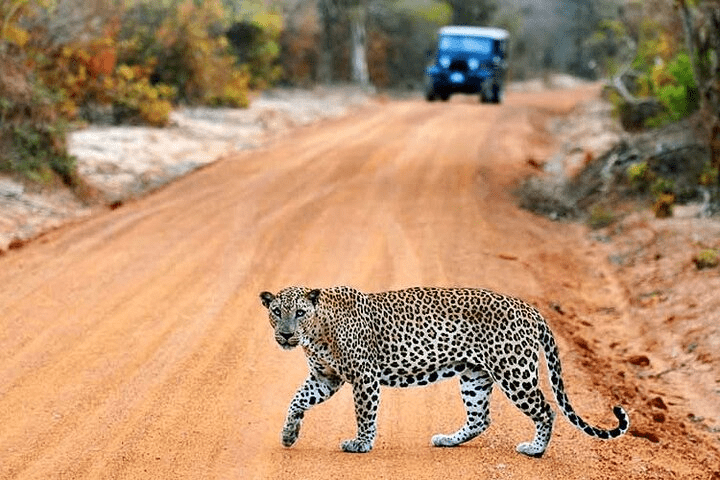
Yala National Park is Sri Lanka’s most visited wildlife reserve and the best place to see leopards in the world. The park covers over 1,300 square kilometres and is divided into blocks, with Block 1 and Block 6 being the most popular for wildlife viewing. The park hosts one of the highest densities of leopards anywhere on Earth.
What you’ll see: Leopards, elephants, sloth bears, crocodiles, jackals, spotted deer, sambar, water buffalo, and over 200 species of birds
Best time to visit: December to March for Block 1; April to September for other blocks
Safari options: Half-day (morning or afternoon) or full-day safaris
The dry season months of December to April are best for leopard sightings. Many visitors combine Yala with a visit to the nearby south coast beaches of Mirissa and Tangalle. A safari with an experienced driver-guide is essential, as they can spot animals you would otherwise miss and navigate the park’s varied terrain of grasslands, lagoons, and monsoon forest.
2. Udawalawe National Park – The Elephant Kingdom
Udawalawe National Park is one of the best places in Asia to see wild Asian elephants in their natural habitat. With an estimated population of around 600 elephants within its 308 square kilometres, herds are often seen bathing, grazing, and moving across open plains.
What you’ll see: Elephants, water buffalo, sambar deer, spotted deer, jackals, mongooses, crocodiles, wild boar, and over 180 bird species
Best time to visit: December to March when wildlife congregates around the reservoir
Safari options: 4-hour, 7-hour, or 10-hour expeditions
Udawalawe’s open terrain makes it ideal for photography. Unlike Yala, elephant sightings here are almost guaranteed. The park was established to safeguard the Udawalawe Reservoir’s watershed and has become a haven for wildlife and scenic beauty. The Elephant Transit Home, located near the park, rehabilitates orphaned elephant calves and offers visitors a chance to see baby elephants being fed.
3. Minneriya National Park – The Elephant Gathering
Minneriya National Park is world-famous for hosting “The Gathering” – the largest congregation of Asian elephants in the world. From July to October, hundreds of elephants gather around the Minneriya Tank to drink, bathe, and socialise. At the peak of the season, you can witness herds of 200–350 elephants.
What you’ll see: Elephants, sambar deer, spotted deer, macaques, purple-faced langurs, sloth bears, occasional leopards, and over 160 bird species
Best time to visit: July to October, with peak sightings in August and September
Safari options: Half-day morning or evening safaris
The Elephant Gathering is a seasonal event that typically starts in mid-May and continues until the end of October. The grasslands had been submerged for five years due to a new reservoir project, but authorities have stopped releasing water onto the grasslands, allowing the elephants to return. The park is located in Sri Lanka’s Cultural Triangle, making it easy to combine a safari with a visit to Sigiriya Rock Fortress.
4. Wilpattu National Park – The Quiet Alternative
Wilpattu is Sri Lanka’s largest national park, covering over 130,000 hectares. It is known for its unique willus – sand-rimmed water basins that attract wildlife during the dry season. Wilpattu offers a quieter, more peaceful safari experience than Yala, making it ideal for those seeking solitude and a deeper connection with nature. It is one of the oldest national parks in Sri Lanka, declared a park in 1938.
What you’ll see: Leopards, sloth bears, elephants, spotted deer, sambar, barking deer, wild boar, wild buffalo, mongoose, crocodiles, and over 150 bird species
Best time to visit: May to early October, when wildlife gathers around the willus
Safari options: Half-day morning or afternoon safaris
Wilpattu is located about 180 km from Colombo, requiring a 4–5-hour drive. The closest town is Anuradhapura, from where it is a 45-minute drive to the Hunuwilgama entrance. The park is a haven for birdlife, with over 150 species recorded.
5. Kumana National Park – Birdwatcher’s Paradise
Kumana National Park, located near Sri Lanka’s southeastern coast near Arugam Bay, is renowned for its lush mangroves, lagoons, and diverse ecosystems. It is a particularly good place to spot birds, leopards, and elephants.
What you’ll see: Painted storks, herons, egrets, ibis, pelicans, flamingos, leopards, elephants, sloth bears, deer, wild boar, water buffalo, crocodiles, monitor lizards, and over 200 bird species
Best time to visit: April to July
Safari options: Half-day morning or evening safaris
Kumana is far less crowded than Yala. Many visitors combine a visit here with a stay in Arugam Bay, especially during the east coast surf season from May to October. The park’s wetlands, forests, and lagoons create breathtaking landscapes that make any safari here a visual treat. Over 200 bird species are recorded here, making it a birdwatcher’s paradise.
6. Kaudulla National Park – Elephant Corridor
Kaudulla National Park is part of the elephant corridor connecting Minneriya and Wasgamuwa. It is a critical conservation area for Sri Lanka’s elephants, established in 2002 and spanning 6,900 hectares.
What you’ll see: Herds of 100–200 elephants, sambar deer, axis deer, wild boar, Sri Lankan leopards (rare), sloth bears, and numerous water birds
Best time to visit: August to December, aligning with the dry season and elephant migration period
Safari options: Half-day morning or evening safaris
Kaudulla offers spectacular elephant sightings during the dry season when elephants gather around the large reservoir. It is less visited than Minneriya, offering a quieter alternative for observing the Elephant Gathering.
7. Gal Oya National Park – Unique Boat Safari
Gal Oya National Park is unique in Sri Lanka for offering boat safaris as well as jeep safaris. The park is a watery wonderland on the Senanayake Samudra reservoir, where you can sometimes spot elephants swimming between islands.
What you’ll see: Swimming elephants, endemic birds, deer, and varied wildlife
Best time to visit: March to July
Safari options: Half-day open-top jeep safari and optional jungle trek
Where to book: Gal Oya Lodge offers guided safaris into the isolated Nilagala section of the park, combining a jeep safari with an optional walk to the Makara River mouth for a different perspective and the chance to see wildlife on foot.
8. Ridiyagama Safari Park – Exotic Safari Experience
Ridiyagama Safari Park is a unique safari park affiliated with the Department of National Zoological Gardens. Spanning approximately 500 acres, the park was officially opened to the public on 18 March 2016. It is Sri Lanka’s premier exotic safari experience, featuring specially designed zones for carnivores, herbivores, and other exotic species.
What you’ll see: African lions, Bengal tigers, African elephants, Asian elephants, blackbuck, sambar deer, spotted deer, Arabian oryx, ostriches, Nile hippopotamuses, pygmy hippopotamuses, mules, wild buffalo, wild horses, ponies, donkeys, wild boar, and numerous other species
Best time to visit: Year-round
The park is located in the Ambalantota Divisional Secretary’s Division in the Southern Province. It provides animals with spacious, open-range habitats that closely resemble their natural environments. It also features the only Hog Deer Conservation Center in Sri Lanka, protecting a rare deer species listed on the IUCN Red List as being at severe risk of extinction. Visitors can observe a large herd of Hog Deer in a single protected, naturalistic environment.
How to Choose the Right Safari for You
| If You Want… | Go To… |
|---|---|
| Leopards | Yala National Park |
| Guaranteed Elephants | Udawalawe National Park |
| The Elephant Gathering | Minneriya National Park |
| Peace & Solitude | Wilpattu National Park |
| Birdwatching | Kumana or Bundala National Park |
| Unique Boat Safari | Gal Oya National Park |
| Exotic Animals | Ridiyagama Safari Park |
Safari Tips for Your Sri Lanka Adventure
Go Early: Early morning safaris (starting at 6:00 AM) offer the best wildlife viewing when animals are most active.
Choose the Right Season: Plan your safari around the dry season for the best visibility when animals gather around water sources.
Hire a Good Guide: An experienced driver-guide makes all the difference. They can spot animals you would otherwise miss and ensure you have the best views. Sajith Withanage, head ranger at Hilton Yala Resort, recommends that a true wildlife experience goes beyond racing around to spot species with a telephoto lens.
Pack Essentials: Binoculars, a good camera, sunscreen, insect repellent, and comfortable shoes.
Be Patient: Wildlife is unpredictable – that’s what makes it magical. The real magic of a safari isn’t about ticking off a checklist of animals. It’s about the unexpected moments – the silence of the jungle, the sudden appearance of a majestic creature, the feeling of being part of something larger than yourself.
Book in Advance: During peak season, jeeps and guides fill up fast. Book your safari at least 3–5 days ahead, especially for Yala and Udawalawe.
Respect the Wildlife: Stay in your vehicle, maintain a respectful distance, and never feed or harass animals.
Frequently Asked Questions
What is the best time for a safari in Sri Lanka?
The dry season (December to April) is best for most parks, including Yala and Udawalawe. For Minneriya and Kaudulla, the Elephant Gathering peaks from July to October. Wilpattu is best from May to October.
What animals will I see on a safari in Sri Lanka?
The “Big Three” of Sri Lankan safaris are leopards, elephants, and sloth bears. Yala is best for leopards, Udawalawe for elephants, and Wilpattu for sloth bears.
Do I need to book a safari in advance?
Yes, especially during peak season. Book at least 3–5 days ahead for Yala and Udawalawe. For Minneriya during the Elephant Gathering, book well in advance.
Is it safe to do a safari in Sri Lanka?
Yes, safaris in Sri Lanka are safe when done with professional operators. Experienced driver-guides know how to approach animals safely and maintain respectful distances. Pregnant women and those with mobility impairments should check with their guide before booking.
Conclusion: Your Wildlife Adventure Awaits
A safari in Sri Lanka is one of the most rewarding wildlife experiences in the world. Whether you’re tracking leopards in Yala, watching hundreds of elephants gather at Minneriya, or exploring the unique ecosystems of Kumana, every safari offers a new story waiting to unfold.
Sri Lanka’s national parks offer some of the most incredible wildlife experiences on the planet. Book your Sri Lanka safari today – and discover the wild heart of the Pearl of the Indian Ocean.
Book Your Adventure
Ready to experience this coastal paradise? Plan your trip with Rediscover Sri Lanka and create unforgettable memories at Hiriketiya Beach.
📩 Visit: Rediscover Sri Lanka to book now.
Contact Us Today!
Ready to plan your dream group tour in Sri Lanka? Let us help you craft the perfect itinerary for a truly magical experience.
👉 Contact Rediscover Sri Lanka now to explore our Sri Lanka group tour packages, designed for families, solo travelers, and adventure seekers alike.
Reviews and Recommendations
Don’t just take our word for it! Check out these incredible reviews from past travelers:
Tripadvisor: Read about other travelers’ experiences on Tripadvisor, where Rediscover Sri Lanka has garnered rave reviews for its safe and well-organized tours.
Trustpilot: Visit Trustpilot for more real-life testimonials from travelers who have fallen in love with Sri Lanka’s beauty and hospitality.
Book Your Adventure
Ready to experience this coastal paradise? Plan your trip with Rediscover Journeys and create unforgettable memories at Hiriketiya Beach.
📩 Visit: Rediscover Journeys to book now.
Contact Us Today!
Ready to plan your dream group tour in Sri Lanka? Let us help you craft the perfect itinerary for a truly magical experience.
👉 Contact Rediscover Journeys now to explore our Sri Lanka group tour packages, designed for families, solo travelers, and adventure seekers alike.
Reviews and Recommendations
Don't just take our word for it! Check out these incredible reviews from past travelers:
Read about other travelers' experiences on TripAdvisor, where Rediscover Journeys has garnered rave reviews for its safe and well-organized tours.
Read ReviewsVisit Trustpilot for more real-life testimonials from travelers who have fallen in love with Sri Lanka's beauty and hospitality.
Read ReviewsExplore Related Topics

Frequently Asked Questions
Everything you need to know about traveling in Sri Lanka