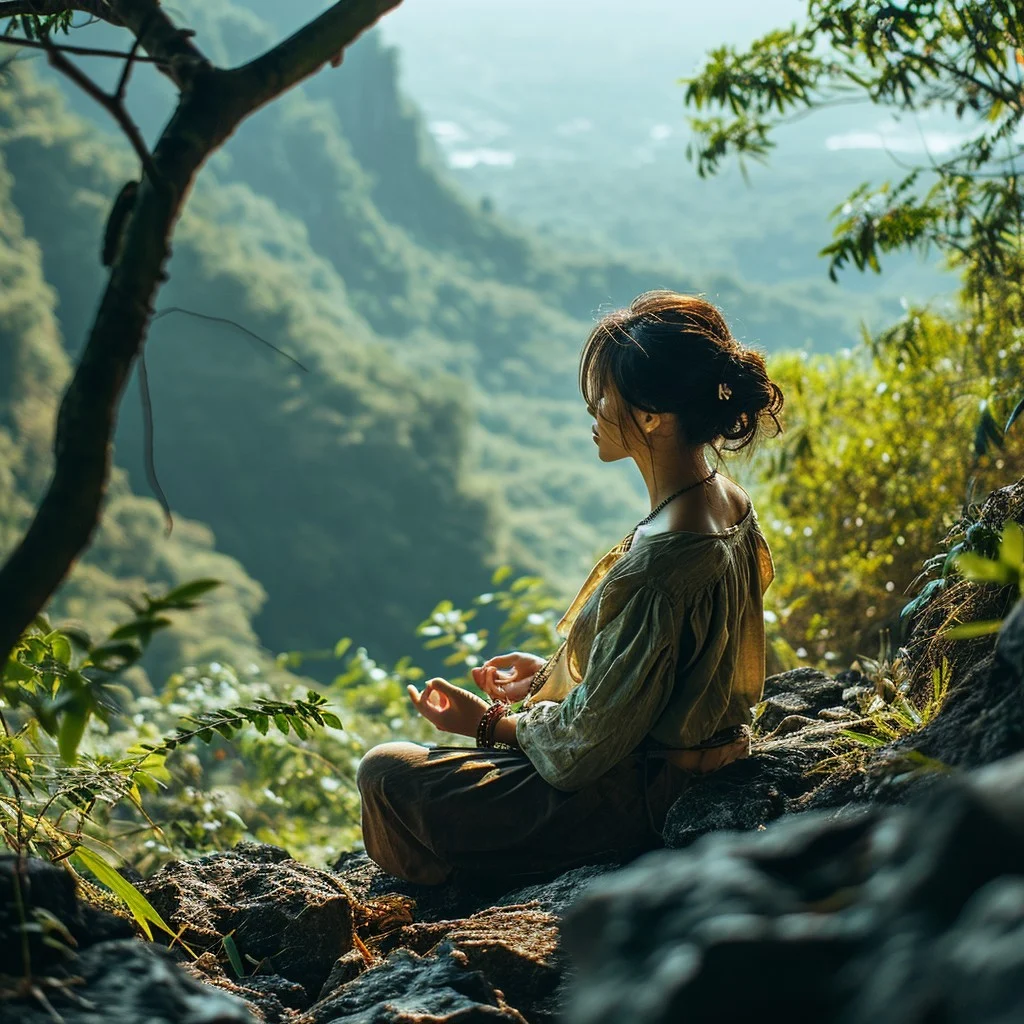
🌟 Solo-Friendly Small Group Tour
Spring Break Sri Lanka Journey
Meet like-minded travelers · Explore ancient wonders · Create unforgettable memories
From USD $1,439 / twin sharing
スリランカでやるべきベストなこと38+:完全アクティビティ&エクスカーションガイド
メタディスクリプション:
シギリヤロック登頂からヤラ国立公園でのヒョウ探し、ヌワラエリヤでのセイロンティー体験、ミリッサでのホエールウォッチングまで。スリランカでやるべきベストなアクティビティ38+を完全網羅した究極のガイドです。
はじめに
スリランカは、信じられないほど多様な体験が詰まったコンパクトな島国です。一度の旅行で、5世紀の岩の要塞に登り、ジャングルでヒョウを追跡し、古代仏教の首都を散策し、世界で最も美しい紅茶を霧に包まれた山々を眺めながら味わうことができます。
歴史愛好家、野生動物愛好家、アドベンチャーシーカー、美食家 どのような旅行者でも、スリランカは期待を裏切りません。この記事では、スリランカでやるべきベストなことを厳選してリストアップしました。古代遺跡、野生動物サファリ、絶景トレイル、文化体験まで、完璧な旅程を計画するための完全ガイドです。
古代都市&文化遺産
1. シギリヤ(ライオンズロック)
スリランカ旅行で絶対に外せないのが、象徴的なシギリヤロックです。この古代の天空の要塞は、周囲のジャングルから200メートルもそびえ立ちます。登頂ルートには見事な壁画や有名なライオンの足跡があり、頂上からは緑豊かな田園風景のパノラマビューが広がります。5世紀の驚異的な建築技術を体感するには、サイトガイドの案内がおすすめです。
2. アヌラーダプラ
スリランカ最初の古代首都であり、ユネスコ世界遺産にも登録されているアヌラーダプラへタイムスリップしましょう。巨大なストゥーパ(仏塔)、複雑な石彫刻、そしてブッダが悟りを開いた木の苗から育ったとされる神聖な菩提樹があります。現地のガイドが遺跡の物語を生き生きと語ってくれます。
3. ポロンナルワ
第二の古代首都ポロンナルワは、スリランカで最も保存状態の良い考古学遺跡を誇ります。アヌラーダプラとは異なり、これらの遺跡はコンパクトにまとまっているため、自転車での探検に最適です。巨大なガル・ヴィハーラの岩彫りブッダ像や、12世紀の庭園都市の王宮跡に圧倒されることでしょう。サイトガイドの案内が強く推奨されます。
4. ダンブッラ石窟寺院(黄金寺院)
巨大な岩の上にそびえるダンブッラ石窟寺院は、スリランカ最大かつ最も保存状態の良い石窟寺院群です。150体以上の見事なブッダ像と、2,000年以上にわたって保存されてきた鮮やかな天井壁画が特徴です。ユネスコ世界遺産に登録されており、絶対に見逃せない精神的なランドマークです。
5. キャンディの仏歯寺
スリランカの文化の中心地キャンディに位置する仏歯寺には、ブッダの歯の聖遺物が祀られています。スリランカで最も重要な仏教寺院です。寺院の繊細な建築と夕方のプージャ(供養)の儀式は、深い精神的な雰囲気を醸し出します。
6. ペラデニヤ王立植物園
キャンディ近郊のペラデニヤにある緑豊かな王立植物園で都会の喧騒を忘れましょう。147エーカーに広がるこの楽園には、見事な蘭のコレクション、巨大な竹、そして有名な王立ヤシの並木道があります。ゆったりとした午後の散歩に最適な場所です。
7. キャンディ文化ショー(着席)
キャンディの伝統文化ショーで、スリランカのリズムを体験しましょう。この高エネルギーの着席パフォーマンスでは、活気あふれるキャンディアンダンサー、火渡り、魅惑的なドラム演奏が披露され、島の豊かな芸術遺産を紹介します。
8. 聖なる菩提樹(アヌラーダプラ)
アヌラーダプラのジャヤ・スリ・マハー・ボーディで祈りを捧げましょう。これは紀元前288年に植えられた、現存する世界最古の文書化された生命ある木です。スリランカの仏教徒にとって最も神聖な場所であり続けています。
自然&絶景スポット
9 & 10. 茶園工場見学(ペドロ&エラ)
スリランカと言えば紅茶。茶工場の見学は必須の体験です。ペドロ茶工場(ヌワラエリヤ近郊)またはエラ茶工場では、製造工程を見学し、「セイロンティー」の格付け方法を学び、緑の丘陵が広がるベランダで淹れたての紅茶を楽しむことができます。
11. ホートン平原国立公園&ワールズエンド
ホートン平原は標高2,100メートル以上の風が吹き荒れる高原です。最大の見どころはワールズエンド 高さ880メートルの断崖絶壁で、南部平原の息をのむような景色が広がります。早朝の雲霧林トレッキングはまさに魔法のような体験です。
12. 村巡りとランチ
田園風景が広がるスリランカの村で、現地の生活を体験しましょう。典型的なツアーでは、水田のトレッキング、湖でのカタマランクルーズ、村の小屋で調理された伝統的なランチが楽しめます。現地の人々のおもてなしに浸る美しい体験です。
13. ホワイトウォーターラフティング(キトゥルガラ)
アドレナリンを求める人には、キトゥルガラがスリランカ最高のホワイトウォーターラフティングを提供します。密林に囲まれたケラニ川の急流を進みます。
14. キトゥルガラ村歩き
ラフティングが激しすぎると感じるなら、キトゥルガラのガイド付き村歩きを楽しみましょう。ゴム農園をトレッキングし、珍しい鳥を観察し、映画「クワイ河橋梁」の撮影地を訪れながら、地域の生態系について学びます。
15. リプトンシート
紅茶王サー・トーマス・リプトンにちなんで名付けられたリプトンシートまでドライブしましょう。この展望台からは、果てしなく広がる緑の茶園と遠くにそびえる山々の絶景が広がります。
16. ピジョンアイランド(トリンコマリー)
トリンコマリー沖のピジョンアイランド国立公園へボートで向かいましょう。この海洋保護区はシュノーケリングの楽園で、色鮮やかなサンゴ礁と、透明な海でブラックチップリーフシャークやウミガメに出会える可能性が高いです。
17. 熱気球体験
熱気球に乗って空へ舞い上がり、一生に一度の眺めを楽しみましょう。日の出とともに文化三角地帯の上空を漂い、シギリヤやダンブッラの古代遺跡が朝霧の中から現れるのを眺めます シャンパントーストで締めくくる特別な体験です。
18. ホエールウォッチング(ミリッサ)
スリランカは地球上で最大の生物であるシロナガスクジラを観察できる世界有数の場所です。ミリッサまたはトリンコマリーから出航し、マッコウクジラ、イルカ、トビウオにも出会えるかもしれない忘れられないオーシャンサファリを体験しましょう。
19. ウミガメ保護活動(南海岸)
南海岸のウミガメ保護プロジェクトを訪れましょう。これらの保護施設では、負傷したウミガメの保護・リハビリテーションを行い、孵化した子ガメを海に放流しています。全年齢対象の心温まる教育的な体験です。
20. マドゥ川(ベントタ)
マドゥ川のマングローブ林をボートサファリで進みましょう。この複雑な生態系には、オオトカゲ、ミズオオトカゲ、100種以上の鳥類が生息しています。川には古代寺院のある小さな島々もあります。
21. エラロックハイキング
エラロックへの絶景ハイキングに挑戦しましょう。茶園、松林、鉄道線路を通るトレッキングの先には、エラギャップと遠くの海岸線の壮観な景色が広がります。
22. トゥクトゥクツアー(キャンディ)
最も現地らしい方法 トゥクトゥクでキャンディを探索しましょう。ガイド付きツアーでは、湖の周り、賑やかな市場、街を見下ろす展望台を駆け巡り、現地の軽食も楽しめます。
23. シギリヤバイクリド
シギリヤ周辺の田園地帯を自転車で探検しましょう。静かな村々、水田、古代の灌漑タンクを通り抜け、ゆったりとしたペースで田園風景を楽しみます(軽食付き)。
24. 絶景列車の旅(座席指定・軽食付き)
自分で切符を手配するよりも、この体験型ツアーでは確実な座席と軽食が保証されています。滝、茶園、霧の渓谷が流れる景色を、最高の展望席から眺めましょう。
25. チェナ農耕体験
スリランカの伝統的な焼畑農耕(チェナ)について学びましょう。このオフ・ザ・ビートンパスな体験では、チェナ農場を訪れ、畑から採れたての農産物を味わい、素朴な現地ランチを楽しめます。
26. キャンディ PEKOEトレイル
本格的なトレッカー向けに、新しい300kmのハイキングルートPEKOEトレイルのキャンディ周辺区間があります。軽食付きのガイドセクションでは、ユーカリ林や離れた村々を通り抜け、息をのむような丘陵地帯の自然を体験できます。
27. ゾウ保護施設(ウダワラウェ)
ウダワラウェ国立公園に隣接するこの保護施設は、孤児となった子ゾウのリハビリセンターです。餌やりの時間に訪れて、巨大なゾウたちがミルクを飲む姿を間近で見ることができます 非常に感動的で倫理的な野生動物体験です。
28. 村料理&ランチ(ウダワラウェ)
ウダワラウェ近郊の村料理教室で、スリランカ料理への理解を深めましょう。新鮮な地元食材を使った伝統的なライス&カレー料理の準備を手伝い、ホストファミリーと一緒に食事を楽しみます。
29. アダムスピーク(スリーパーダ)現地ガイド付き
アダムスピークは複数の宗教で崇拝される円錐形の聖山です。現地ガイドが夜間の挑戦的な登山をサポートし、息をのむような日の出のために山頂に到達できるよう案内します。
野生動物サファリアドベンチャー
30. ミンネリヤ / カウドゥッラ ジープサファリ
ミンネリヤまたはカウドゥッラ国立公園で見られる壮大な「象の集まり」を目撃しましょう。乾季(7月~10月)には、何百頭ものアジアゾウが古代の貯水池の周りに集まります。半日のジープサファリがこの自然のスペクタクルを体験する最良の方法です。
31. ウダワラウェサファリ
ウダワラウェは年間を通じて野生のゾウを観察するのに間違いなくスリランカで最高の場所です。半日のジープサファリで、草原と水場を通り抜け、ゾウの群れ、水牛、ワニ、色鮮やかな鳥類との近距離遭遇が保証されています。
32. ヤラサファリ
ヤラ国立公園は、世界で最もヒョウの密度が高いことで有名です。半日のスリリングなジープサファリに乗り出し、とらえどころのないビッグキャットのほか、ナマケグマ、ゾウ、多様な鳥類を観察しましょう。
33. クマナサファリ(半日&1日)
ヤラの東部延長にあるクマナは、水鳥やペリカンの大群で有名な鳥類の楽園です。半日および1日のサファリオプションがあり、この静かで混雑の少ない自然保護区へのより深いアクセスを提供します。
34. ウィルパットゥサファリ
ウィルパットゥはスリランカ最大の国立公園で、自然の水がたまった窪地(「ヴィルス」)が特徴です。より静かなサファリ体験を提供し、ヒョウやクマを観察できる確率も同様に高いです。半日および1日のジープツアーが利用可能です。
35. ガルオヤサファリ(半日&1日)
ガルオヤ国立公園のユニークな点は、ジープサファリとボートサファリを組み合わせられることです。ゾウが島の間を泳ぐ姿を目撃しましょう!半日および1日のオプションで、この人里離れた保護区を徹底的に探索できます。
ユニーク&料理体験
36. パナマロック サンセットカクテル
東海岸へ向かい、パナマロックから地平線に沈む夕日を眺めましょう。この特別な体験では、美しい海岸の景色とリラックスできるカクテルまたは軽食が提供され、一日の締めくくりにぴったりの写真映えする瞬間です。
37. エラ料理体験
エラは景色だけでなく、フーディーの聖地でもあります。料理体験に参加して、緑豊かな風景の中でホッパー、サンボル、カレーなどのスリランカ定番料理の秘密を学びましょう。
38. ハットン茶体験
ハットンでの没入型体験で茶の旅を締めくくりましょう。工場の見学を超えて、現地のプランターと一緒に茶畑を歩き、茶葉を摘み、セイロンティー生産のニュアンスを実践的に学びます。
おわりに:スリランカ旅程の作り方
スリランカはまさに無限の発見に満ちた国です。この38以上の素晴らしいアクティビティを参考に、ヤラでヒョウを追いかけたり、ヌワラエリヤで紅茶を楽しんだり、シギリヤで古代の建築技術に驚嘆したり、料理教室で味覚の旅に出かけたり あなたの旅行スタイルにぴったりの旅を計画できます。
事前予約をお忘れなく サファリやガイド付きトレックの多くは空き状況確保のため事前予約が必要です。軽装で、冒険心を持って、「インド洋の真珠」スリランカに恋をしに行きましょう。
Book Your Dream Getaway to Sri Lanka Today!
If you’re looking for authentic travel experiences in Sri Lanka, let Rediscover Sri Lanka craft the perfect itinerary for you. Don’t settle for the usual tourist spots explore the unseen, the untouched, and the extraordinary!
📩 Plan Your Adventure Now! 📧 Email: [email protected]
Contact Us Today!
Ready to plan your dream group tour in Sri Lanka? Let us help you craft the perfect itinerary for a truly magical experience.
👉 Contact Rediscover Sri Lankanow to explore our Sri Lanka group tour packages, designed for families, solo travelers, and adventure seekers alike.
Reviews and Recommendations
Don’t just take our word for it! Check out these incredible reviews from past travelers:
- Tripadvisor: Read about other travelers’ experiences on Tripadvisor, where Rediscover Sri Lanka has garnered rave reviews for its safe and well-organized tours.
- Trustpilot: Visit Trustpilot for more real-life testimonials from travelers who have fallen in love with Sri Lanka’s beauty and hospitality.
Frequently Asked Questions
Everything you need to know about traveling in Sri Lanka
What is the best time to visit Sri Lanka?
The best time to visit Sri Lanka depends on which region you plan to explore. The west and south coasts (including Colombo, Galle, and Mirissa) are best from December to March, while the east coast (including Trincomalee and Arugam Bay) is ideal from April to September. The central highlands (Kandy, Nuwara Eliya, Ella) are pleasant year-round with cooler temperatures.
How many days are enough for a Sri Lanka tour?
For a comprehensive tour covering major highlights, we recommend 10-14 days. This allows you to explore the Cultural Triangle (Kandy, Sigiriya, Polonnaruwa), the hill country (Nuwara Eliya, Ella), and the beautiful beaches (Mirissa, Bentota) comfortably. A 7-day itinerary can cover the essentials, while 21+ days allows for a deeper exploration of the island's hidden gems.
Do I need a visa for Sri Lanka?
Yes, most nationalities require an Electronic Travel Authorization (ETA) to enter Sri Lanka. You can apply online through the official Sri Lanka ETA website before your trip or obtain a visa on arrival at the Bandaranaike International Airport (CMB). The ETA is valid for 30 days and can be extended up to 90 days. Citizens of Singapore, Maldives, and Seychelles are visa-exempt for up to 30 days.
Is Sri Lanka safe for tourists?
Yes, Sri Lanka is generally safe for tourists. The country has a thriving tourism industry with excellent infrastructure. However, like any destination, we recommend taking standard precautions: avoid isolated areas at night, keep valuables secure, and follow local advice. The Sri Lankan people are known for their hospitality and friendliness towards visitors.
What is the currency in Sri Lanka and how much should I budget?
The currency in Sri Lanka is the Sri Lankan Rupee (LKR). As a budget traveler, you can expect to spend around $30-50 USD per day, mid-range travelers $50-100 USD per day, and luxury travelers $100-300+ USD per day. ATMs are widely available in cities and tourist areas, and credit cards are accepted at most hotels and upscale restaurants.
What vaccinations do I need for Sri Lanka?
The CDC and WHO recommend the following vaccinations for Sri Lanka: Hepatitis A, Hepatitis B, Typhoid, Tetanus, and Japanese Encephalitis (if spending significant time in rural areas). Malaria is not a major risk in most tourist areas, but it's recommended to consult with your doctor about antimalarial medication if visiting rural areas. Dengue fever is present, so use mosquito repellent and wear long sleeves.
Is Sri Lanka safe for solo travelers?
Absolutely! Sri Lanka is one of the safest destinations for solo travelers in Asia. The locals are incredibly friendly and helpful, the tourism infrastructure is well-developed, and there's a vibrant community of solo travelers. We recommend staying in hostels or guesthouses with good reviews, joining group tours for certain activities, and always trusting your instincts.
What are the best places for solo travelers in Sri Lanka?
For solo travelers, we recommend: Sigiriya (Lion Rock) for breathtaking views, Kandy for cultural immersion, Ella for stunning hikes and social hostels, Mirissa for beach vibes and whale watching, Galle for colonial charm, and Yala National Park for wildlife safaris. The hill country train journey from Kandy to Ella is a must-do!
Are there group tours for solo travelers in Sri Lanka?
Yes! We offer small-group tours specifically designed for solo travelers with max 12 people. These tours are perfect for meeting like-minded travelers, with no single supplement on select dates. Our group tours include private rooms, local guides, and a mix of cultural, wildlife, and beach experiences.
What is the single supplement fee for solo travelers?
For our solo-friendly group tours, we offer select departures with no single supplement. On other tours, the single supplement typically ranges from $200-400 depending on the tour length and accommodation standards. We always recommend checking the specific tour page for the most accurate pricing.
Can solo travelers join private tours?
Absolutely! Many solo travelers prefer private tours for maximum flexibility. Our private chauffeur guide tours are perfect for solo travelers who want to explore at their own pace. You'll have a dedicated vehicle and an English-speaking guide who can customize the itinerary to your interests.
Is it easy to meet other travelers in Sri Lanka?
Yes, Sri Lanka has a thriving backpacker and solo traveler community. Hostels in Ella, Kandy, and Mirissa are particularly social. You'll also find many cafes, restaurants, and tour operators that cater to solo travelers. Joining group activities like cooking classes, safari tours, or train rides is a great way to meet people.
What are the must-visit places in Sri Lanka?
Sri Lanka's must-visit destinations include: the ancient city of Sigiriya (Lion Rock), the sacred Temple of the Tooth in Kandy, the historic Galle Fort, the scenic hill country train journey from Kandy to Ella, the beautiful beaches of Mirissa and Unawatuna, the wildlife-rich Yala National Park (home to leopards), the cultural capital of Anuradhapura, and the stunning Adam's Peak for sunrise views.
Which beaches are best in Sri Lanka?
The best beaches in Sri Lanka include: Mirissa for whale watching and relaxed vibes, Unawatuna for swimming and snorkeling, Bentota for water sports, Arugam Bay for surfing (east coast, best April-September), and Nilaveli for pristine white sands and coral reefs. Each beach offers a unique experience depending on your preferences.
What is the Cultural Triangle in Sri Lanka?
The Cultural Triangle refers to the area in central Sri Lanka that contains five UNESCO World Heritage sites: the ancient cities of Anuradhapura and Polonnaruwa, the rock fortress of Sigiriya, the sacred city of Kandy, and the cave temples of Dambulla. This region is the heart of Sri Lanka's rich cultural and historical heritage.
Is the train from Kandy to Ella worth it?
Absolutely! The train journey from Kandy to Ella is considered one of the most scenic train rides in the world. You'll pass through lush tea plantations, misty mountains, and picturesque villages. The journey takes about 6-7 hours and we recommend booking a reserved seat in advance, especially during peak season.
What wildlife can I see in Sri Lanka?
Sri Lanka is home to incredible wildlife including: elephants (at Minneriya and Udawalawe), leopards (Yala National Park), blue whales and sperm whales (Mirissa), sloth bears (Wilpattu), over 400 bird species, crocodiles, and many species of monkeys. The country is a paradise for nature and wildlife enthusiasts.
What is the local food like in Sri Lanka?
Sri Lankan cuisine is a flavorful blend of spices, coconut, and fresh ingredients. Must-try dishes include: Rice and Curry (the national dish with various vegetable and meat curries), Kottu Roti (chopped roti with vegetables and meat), Hoppers (bowl-shaped pancake with an egg), String Hoppers (steamed rice noodles), Lamprais (rice and curry baked in a banana leaf), and fresh seafood along the coast.
Is English widely spoken in Sri Lanka?
Yes, English is widely spoken in Sri Lanka, especially in tourist areas, hotels, and restaurants. It is taught as a second language in schools and is commonly used in business and government. You'll find that most Sri Lankans can communicate in English, making it easy for international travelers to navigate the country.
What are the cultural etiquettes in Sri Lanka?
When visiting temples, dress modestly covering shoulders and knees. Remove shoes before entering temples and homes. The traditional greeting is "Ayubowan" (Sinhalese) or "Vanakkam" (Tamil). Always use your right hand for eating and giving/receiving items. It's polite to ask before taking photos of people.
What are the main festivals in Sri Lanka?
Major festivals include: Sinhala and Tamil New Year (April), Vesak (May - Buddhist festival of lights), Kandy Esala Perahera (July/August - spectacular procession), Deepavali (October/November - Hindu festival of lights), and Christmas (December). These festivals offer unique cultural experiences for visitors.
What is the best way to get around Sri Lanka?
The best ways to get around Sri Lanka include: the scenic train network (especially the Kandy to Ella route), private drivers for comfort and flexibility, local buses for budget travel, tuk-tuks for short distances, and domestic flights for time-saving between regions. The train journey through the hill country is considered one of the most beautiful train rides in the world.
What should I pack for a trip to Sri Lanka?
Pack light, breathable cotton clothing suitable for tropical weather. Essentials include: comfortable walking shoes, swimwear, sun protection (hat, sunglasses, high SPF sunscreen), insect repellent, a rain jacket (monsoon season), light layers for the hill country, modest clothing for temple visits (covering shoulders and knees), a power adapter (230V, Type D or G plugs), and a reusable water bottle.
Is tap water safe to drink in Sri Lanka?
It's recommended to drink bottled water in Sri Lanka. Most hotels provide complimentary bottled water, and it's widely available at shops. Avoid tap water, ice from street vendors, and raw food from street stalls. For eco-conscious travelers, consider bringing a reusable water bottle with a built-in filter.
What is the internet and mobile coverage like in Sri Lanka?
Sri Lanka has excellent mobile and internet coverage, especially in urban areas and tourist destinations. You can purchase a local SIM card at the airport (Dialog and Mobitel are popular) with affordable data packages. Most hotels, cafes, and restaurants offer free Wi-Fi. Remote areas may have weaker signals.
Do I need travel insurance for Sri Lanka?
Yes, travel insurance is highly recommended for your trip to Sri Lanka. It should cover medical expenses, trip cancellation, lost luggage, and emergency evacuation. Some activities like scuba diving, surfing, and hiking may require additional coverage. Always read the policy carefully before purchasing.
Can I use my credit card in Sri Lanka?
Yes, credit cards (Visa and Mastercard) are widely accepted at hotels, upscale restaurants, and larger shops in cities. However, it's recommended to carry cash (Sri Lankan Rupees) for local markets, street food, small shops, and remote areas. ATMs are available in cities and major tourist towns.
What is the tipping culture in Sri Lanka?
Tipping is appreciated but not mandatory in Sri Lanka. For restaurants, a 10% service charge is often included. If not, leaving 5-10% is customary. For tour guides and drivers, $5-10 per day is standard for good service. For hotel staff, $1-2 per bag or per day is appropriate.
Is Sri Lanka good for surfing?
Yes, Sri Lanka is a fantastic surfing destination. The east coast (Arugam Bay) offers world-class waves from April to September, while the south coast (Hikkaduwa, Weligama, Mirissa) has great waves from November to April. There are surf schools for beginners and challenging breaks for experienced surfers.
What are the best hikes in Sri Lanka?
The best hikes include: Adam's Peak (Sri Pada) for sunrise views (season December-May), Ella Rock for panoramic views, Little Adam's Peak for an easier hike, the Knuckles Mountain Range for challenging treks, and Horton Plains National Park for the famous World's End cliff.
Can I see whales in Sri Lanka?
Absolutely! Mirissa on the south coast is one of the best places in the world for whale watching. From November to April, you can spot blue whales, sperm whales, and dolphins. The season peaks from December to March. Many tour operators offer half-day whale watching trips with experienced guides.
What are the best souvenirs to buy in Sri Lanka?
Popular souvenirs include: Ceylon tea (the world's finest), spices (cinnamon, cardamom, cloves), hand-carved masks from the south coast, batik fabrics, gemstones (sapphires), wooden crafts, traditional jewelry, and local art. Visit local markets and craft centers for authentic, high-quality products.
How can I support sustainable tourism in Sri Lanka?
Support sustainable tourism by: choosing eco-friendly accommodations, using reusable water bottles, avoiding single-use plastics, respecting wildlife (do not feed animals), buying local products, using local guides, participating in community-based tourism, and reducing your carbon footprint by using trains instead of private vehicles where possible.