
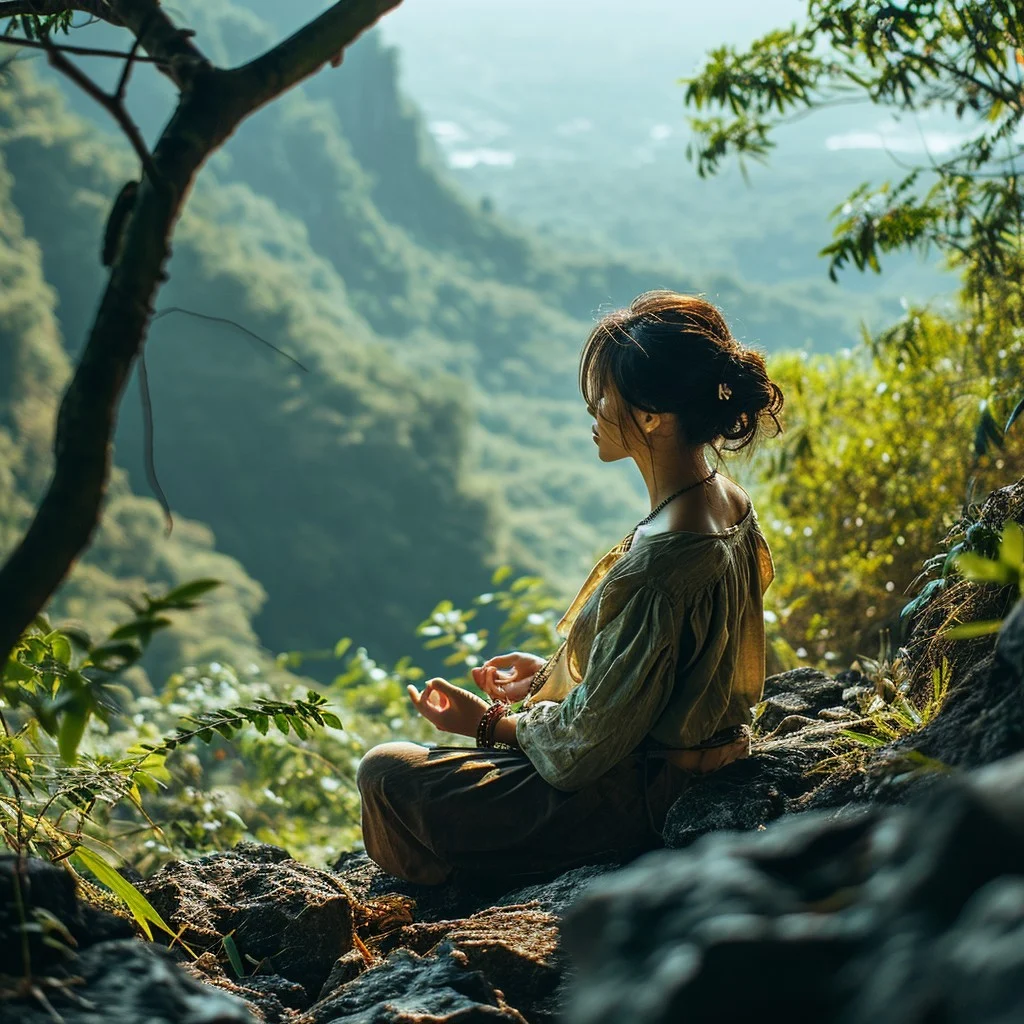
Your Sri Lanka Solo Adventure Awaits
Meet like-minded travelers · Explore ancient wonders · Create unforgettable memories
Sri Lanka Cultural Festivals 2026: Ultimate Guide to Kandy Esala Perahera, Vesak & More
Introduction: Why Sri Lanka’s Festivals Are a Traveler’s Dream
Sri Lanka, a land of rich heritage, vibrant traditions, and warm hospitality, is home to a dazzling array of cultural festivals that offer travelers a glimpse into its deeply-rooted traditions. For those planning a visit in 2026, experiencing one of these festivals should be high on your bucket list.
Whether you’re a solo female traveler looking for cultural immersion, an adventure seeker, or a wellness enthusiast, Sri Lanka’s cultural celebrations provide a unique and unforgettable experience.
From the thunderous drumbeats of Kandy’s grand procession to the serene glow of Vesak lanterns illuminating the night sky, Sri Lanka’s festivals are not just events they are living expressions of faith, community, and identity.
In this comprehensive guide, we’ll explore the must-see cultural festivals in Sri Lanka for 2026 and give you actionable tips on how to make the most of your trip.
2026 Sri Lanka Festival Calendar at a Glance
| Festival | 2026 Dates | Location |
|---|---|---|
| Duruthu Perahera | January 8–10 | Kelaniya (near Colombo) |
| Sinhala & Tamil New Year | April 13–15 | Nationwide |
| Vesak Festival | May 27 – June 2 | Nationwide (Matara host) |
| Poson Festival | June 29 | Anuradhapura |
| Kataragama Esala Festival | July 15–30 | Kataragama |
| Kandy Esala Perahera | August 18–28 | Kandy |
| Nallur Festival | August 16 – September 12 | Jaffna |
1. Duruthu Perahera – The Start of the Buddhist Year
Kicking off the year in January, the Duruthu Perahera is a celebration that takes place in Kelaniya, near Colombo. It commemorates the first visit of Lord Buddha to Sri Lanka over 2,500 years ago [3†L35-L37]. The festival is known for its processions, traditional drummers, and vibrant costumes.
🗓️ 2026 Dates
The Kelaniya Duruthu Perahera was held from January 8 to 10, 2026 [3†L5-L8][3†L10-L12]:
-
January 8 – Udamaluwe Perahera
-
January 9 – Sacred City Perahera
-
January 10 – Grand Duruthu Maha Perahera (commencing at 8:00 PM) [3†L12-L13]
✨ What to Expect
The Duruthu Perahera is Sri Lanka’s grandest low-country cultural pageant and the first procession of the year, second only to the Kandy Esala Perahera in grandeur [3†L18-L19]. The festival features:
-
Colorful processions with traditional dancers, drummers, and musicians
-
Elephants adorned in traditional attire
-
Religious ceremonies commemorating Buddha’s historic visit
-
Cultural performances celebrating Sri Lanka’s rich heritage
The Perahera commemorates the sacred visit of the Buddha to Kelaniya, the most revered temple in Sri Lanka’s Western Province [3†L35-L37].
🏨 Travel Tips for Duruthu Perahera
-
Combine your trip with a visit to nearby attractions such as Sigiriya or the Pinnawala Elephant Orphanage
-
Kelaniya is close to Colombo – allowing you to easily access wildlife safaris or explore the country’s tea plantations
-
Book accommodations in advance – the festival attracts many visitors
-
All processions commence at 8:00 PM – plan your evening accordingly [3†L12-L13]
2. Sinhala and Tamil New Year – A Fusion of Two Cultures
Taking place in April, Avurudu (the Sinhala and Tamil New Year) is a nationwide celebration that signifies the end of the harvest season and marks the astrological new year. This festival is deeply rooted in Sri Lanka’s cultural traditions, with rituals, family gatherings, traditional games, and feasts playing a central role [2†L32-L35].
🗓️ 2026 Dates
-
Sinhala and Tamil New Year’s Eve: April 13
-
Sinhala and Tamil New Year’s Day: April 14 [2†L6][2†L23-L25]
-
Oil Anointing Ceremony (Hisa Thel Gema): April 15 at 6:55 AM [2†L19-L20]
The sun will transition from Meena Rashiya (Pisces) to Mesha Rashiya (Aries) at 9:32 AM on April 14, symbolizing the beginning of the new year [2†L13-L14][2†L23-L24].
✨ What to Expect
The Sinhala and Tamil New Year is a time of unity in diversity, celebrating the island’s ability to bring together two distinct cultures in shared joy. Traditional activities include:
-
Playing traditional games – such as pillow fights, tug-of-war, and coconut climbing
-
Preparing traditional sweets – like kavum, kokis, and aluwa
-
Family gatherings and feasts – with elaborate rice and curry meals
-
Observing the auspicious times – for lighting the hearth, preparing milk rice, and starting work
-
State Oil-Anointing Ceremony – held at the Sri Maha Natha Devalaya in Kandy [2†L37-L41]
If you’re looking for an authentic cultural experience, visiting during Avurudu will give you the chance to join in traditional activities, sample local cuisine, and witness age-old customs.
🏨 Travel Tips for Avurudu
-
Many locals return to their villages – if you’re seeking peace and quiet, this is a good time to explore Sri Lanka’s wellness retreats
-
Expect closures – many businesses and banks may be closed for the holiday
-
Join local celebrations – look for community events and traditional games in your area
3. Vesak Festival – A Celebration of Enlightenment
In May, Sri Lanka transforms into a glowing paradise as the Vesak Festival takes place to celebrate the birth, enlightenment, and passing away of Lord Gautama Buddha [1†L12-L13]. Streets and homes are decorated with colorful lanterns, and the atmosphere is serene yet festive. This is a perfect time for spiritual travelers to experience the country’s deep Buddhist roots.
🗓️ 2026 Dates
The State Vesak Festival for the Buddhist Era (B.E.) 2570 will be held from May 27 to June 2, 2026, declared as “Vesak Week” [1†L6-L7][1†L16-L17][1†L31-L32].
-
Main Inauguration: May 27, 2026 at the Midellawala Purana Viharaya in Thihagoda, Matara [1†L6-L7][1†L34-L35]
-
Vesak Full Moon Poya Day: May 28, 2026 [1†L19]
-
Vesak Week: May 27 – June 2, 2026 [1†L31-L32]
The theme for the 2026 “Dakshina Prabha” National Vesak Festival is “Abhiththaretha Kalyane” [1†L8].
✨ What to Expect
During Vesak, Sri Lanka becomes a land of light and devotion:
-
Colorful lanterns (vesak koodu) decorate streets, homes, and temples
-
Dansalas (free food stalls) offer meals to passersby as acts of charity – in Colombo, stalls often appear around major Vesak zones, including the Gangaramaya Temple area and Bauddhaloka Mawatha [1†L25-L27]
-
Temple visits and meditation sessions – devotees engage in spiritual practices
-
Buddhist programs and sermons – held across the country
For those interested in wellness retreats and cultural experiences, Vesak offers opportunities to participate in meditation sessions, temple visits, and acts of charity.
🏨 Travel Tips for Vesak
-
Head to Matara for the main State Vesak Festival celebrations [1†L9-L10]
-
Visit Colombo for spectacular lantern displays and dansalas
-
Visit local temples to see how devotees honor this sacred day
-
Participate in dansalas – it’s a beautiful way to connect with the local community
-
Dress modestly – white clothing is traditionally worn during Vesak
4. Poson Festival – The Arrival of Buddhism
In June, Sri Lanka celebrates the Poson Festival, marking the introduction of Buddhism to the island in the 3rd century BC [5†L10-L14].
🗓️ 2026 Dates
-
Poson Full Moon Poya Day: June 29, 2026 [5†L16-L18][6†L5-L6]
-
Poson celebrations will also take place on June 28–29 [5†L6-L8]
✨ What to Expect
Poson commemorates the moment when King Devanampiyatissa was converted to Buddhism by Arahat Maha Mahinda, the son of Emperor Asoka of India, after which Buddhism was declared the State religion [5†L10-L14]. The festival features:
-
Religious observances and sermons at temples
-
Dansalas (free food stalls) offering meals to pilgrims [5†L23-L25]
-
Lantern displays similar to Vesak
-
Pilgrimages to Anuradhapura – the ancient capital with deep Buddhist significance
Around 3,500 police officers will be deployed in Anuradhapura to ensure security during the Poson festival [5†L31-L33].
🏨 Travel Tips for Poson
-
Anuradhapura is the main center for Poson celebrations
-
Expect large crowds of pilgrims and devotees
-
Plan accommodation early – hotels in Anuradhapura fill up quickly
-
Participate in religious observances for a deeply spiritual experience
5. Kataragama Esala Festival – A Multi-Faith Spectacle
In the deep south of Sri Lanka, the Kataragama Esala Festival is a vibrant multi-faith celebration honoring Lord Skanda (Murugan), the god of war and victory [7†L26-L28]. It features fire-walking, processions, and intense devotional practices.
🗓️ 2026 Dates
The Ruhunu Kataragama Maha Devala Esala festival will commence on July 15 and end on July 30, 2026 after the Water Cutting ceremony in Menikganga [7†L11-L13][7†L17-L19].
Key dates include:
-
Kap ceremony: 45 days before the festival [7†L16-L17]
-
Flag hoisting: Early July
-
Fire ceremony: July 7, 2026 [7†L7]
-
Grand Perahera (Maha Perahera) : July 10, 2026 [7†L7-L8]
-
Water Cutting ceremony (Diya Kapeema) : July 30, 2026 [7†L18-L19]
✨ What to Expect
The Kataragama Esala Festival is a living cultural epic that draws devotees from across Sri Lanka:
-
Vibrant processions with traditional music and dance
-
Fire-walking ceremonies – a spectacular display of faith
-
Devotees walking barefoot – many undertake “Paada Yathra” (foot pilgrimages) to Kataragama
-
Interfaith participation – the festival uniquely blends Buddhist, Hindu, and Muslim traditions [7†L39-L40]
🏨 Travel Tips for Kataragama Esala Festival
-
Kataragama is in the deep south – combine your trip with a visit to Yala National Park
-
Expect massive crowds – the festival draws hundreds of thousands of devotees
-
Dress modestly – this is a sacred religious event
-
Respect local customs – follow temple etiquette at all times
6. Kandy Esala Perahera – A Spectacle of Grandeur
Held in the historic city of Kandy, the Esala Perahera is one of Sri Lanka’s grandest cultural festivals. This centuries-old Buddhist celebration, with a history of more than 1,000 years, is dedicated to the Sacred Tooth Relic of Lord Buddha, housed at the Sri Dalada Maligawa (Temple of the Tooth) in Kandy.
🗓️ 2026 Dates
The Kandy Esala Perahera 2026 will take place from August 18 to 28, 2026 [0†L6-L7][0†L28][0†L31].
The schedule is as follows [0†L10-L12][0†L21-L23]:
| Event | 2026 Dates |
|---|---|
| 1st Kumbal Perahera | August 18 |
| 2nd Kumbal Perahera | August 19 |
| 3rd Kumbal Perahera | August 20 |
| 4th Kumbal Perahera | August 21 |
| 5th Kumbal Perahera | August 22 |
| Randoli Perahera | August 23–27 |
| Grand Final | August 27 |
| Day Perahera | August 28 |
✨ What to Expect
The Esala Perahera features elaborate processions with traditional dancers, drummers, fire performers, and majestic elephants adorned with traditional ornaments [0†L15-L16]. The atmosphere is electric, with the rhythmic beat of drums echoing through the ancient streets of Kandy.
For solo female travelers or cultural enthusiasts, this festival offers an incredible insight into Sri Lankan Buddhist traditions.
🏨 Travel Tips for the Esala Perahera
-
Book accommodations early – hotels in Kandy fill up months in advance
-
Buy tickets in advance – arrive just before the parade begins for the best viewing spots
-
Dress modestly – shoulders and knees should be covered when visiting temples
-
Carry cash – street vendors and small shops may not accept cards
-
Arrive early – locals sit along the streets in the morning to secure their spots
7. Nallur Festival – A Hindu Cultural Extravaganza
Held in Jaffna, the Nallur Festival is a major Hindu religious event celebrated in honor of Lord Murugan. The celebrations include vibrant processions, music, and dance performances [4†L30-L32].
🗓️ 2026 Dates
The Nallur Kandaswamy Kovil Grand Festival will be held from August 16 to September 12, 2026 – a 25-day spectacle of devotion, tradition, and sensory richness [4†L10-L11][4†L35-L36].
Key dates include [4†L6-L7]:
-
Vairavar (preliminary ceremony): August 16
-
Flag Hoisting Festival: August 17 at 10:00 AM
✨ What to Expect
The Nallur Festival is a living cultural epic:
-
Vibrant processions with elaborately decorated chariots
-
Traditional music and dance performances
-
Religious ceremonies and rituals at the historic Nallur Kandaswamy Kovil
-
Daily poojas (prayer rituals) throughout the 25-day festival [4†L24-L25]
-
Hundreds of thousands of pilgrims from across Sri Lanka and overseas [4†L31-L32]
For adventure seekers or those looking to explore Sri Lanka’s northern region, this festival offers a deeper understanding of Tamil culture and religion. Jaffna is also an ideal destination for eco-friendly tours and cultural explorations.
🏨 Travel Tips for Nallur Festival
-
Jaffna is slightly off the beaten path – be prepared for a quieter, more rural experience
-
Perfect for travelers who want to explore Sri Lanka’s eco-tours and unspoiled natural landscapes
-
Book accommodation in advance – the festival draws large crowds
-
Respect local customs – dress modestly and follow temple etiquette
-
Entry to the festival is generally free – special events or rituals may have fees [4†L18-L19]
Plan Your Trip to Sri Lanka in 2026
Sri Lanka’s cultural festivals offer not only a feast for the senses but also an opportunity to explore the country’s diverse traditions, vibrant communities, and stunning landscapes. Whether you’re a solo female traveler, a family, or part of a group tour, these festivals will allow you to connect deeply with the island’s heritage.
🗓️ Sri Lanka Festival Calendar 2026 at a Glance
| Festival | 2026 Dates | Location |
|---|---|---|
| Duruthu Perahera | January 8–10 | Kelaniya |
| Sinhala & Tamil New Year | April 13–15 | Nationwide |
| Vesak Festival | May 27 – June 2 | Nationwide (Matara host) |
| Poson Festival | June 29 | Anuradhapura |
| Kataragama Esala Festival | July 15–30 | Kataragama |
| Kandy Esala Perahera | August 18–28 | Kandy |
| Nallur Festival | August 16 – September 12 | Jaffna |
Why Book Your Festival Tour With Rediscover Journeys?
At Rediscover Journeys, we don’t just arrange tours we create culturally authentic, transformative travel experiences that connect travelers with the heart of Sri Lanka.
✅ What Makes Us Different
-
35+ years of collective travel expertise
-
SLTDA-licensed, registered, and insured
-
Licensed professional drivers and guides with deep cultural knowledge
-
Custom itineraries tailored to your festival interests
-
Transparent pricing – no hidden fees or commission traps
-
Sustainable tourism practices that respect local communities
-
24/7 local support during your trip
Contact Us Today!
Ready to experience Sri Lanka’s cultural wonders in 2026?
Let us help you craft the perfect itinerary for a truly magical festival experience.
👉 Contact Rediscover Sri Lanka Now
-
📞 Phone/WhatsApp: +94 77 791 1276 (Rasith)
-
📞 Phone/WhatsApp: +94 77 887 8723 (Lucky)
-
📧 Email: [email protected]
-
🌐 Website: rediscoversrilanka.com
-
🕒 Office Hours: Monday – Saturday, 9 AM – 6 PM
Reviews and Recommendations
Don’t just take our word for it! Check out what travelers are saying:
⭐⭐⭐⭐⭐ TripAdvisor: Read reviews on TripAdvisor
⭐⭐⭐⭐⭐ Trustpilot: Visit Trustpilot for real-life testimonials from travelers who have fallen in love with Sri Lanka’s beauty and hospitality.
Final Thoughts
Sri Lanka’s festivals are not just events they are living traditions that connect the past with the present, the sacred with the celebratory, and the individual with the community.
Whether you’re watching the majestic elephants of the Esala Perahera, lighting a lantern during Vesak, or joining in the games of Avurudu, you’re not just observing you’re participating in something deeply meaningful.
Make 2026 the year you experience Sri Lanka’s cultural magic.
Rediscover Journeys Sri Lanka’s Trusted Boutique Tour Operator Since 2009.
Book Your Adventure
Ready to experience this coastal paradise? Plan your trip with Rediscover Journeys and create unforgettable memories at Hiriketiya Beach.
📩 Visit: Rediscover Journeys to book now.
Contact Us Today!
Ready to plan your dream group tour in Sri Lanka? Let us help you craft the perfect itinerary for a truly magical experience.
👉 Contact Rediscover Journeys now to explore our Sri Lanka group tour packages, designed for families, solo travelers, and adventure seekers alike.
Reviews and Recommendations
Don't just take our word for it! Check out these incredible reviews from past travelers:
Read about other travelers' experiences on TripAdvisor, where Rediscover Journeys has garnered rave reviews for its safe and well-organized tours.
Read ReviewsVisit Trustpilot for more real-life testimonials from travelers who have fallen in love with Sri Lanka's beauty and hospitality.
Read ReviewsExplore Related Topics

Frequently Asked Questions
Everything you need to know about traveling in Sri Lanka