Everything You Need to Know About Sri Lanka Nature, Wildlife & History Tour 2026 | Complete Guide
Sri Lanka Nature, Wildlife & History: The Ultimate Journey Through Time and Wilderness Sri Lanka is one of the rare places on Earth where you can experience ancient history, extraordinary wildlife, and breathtaking nature — all in a single journey. The island packs 2,500 years of civilisation, the world’s highest density of leopards, the largest […]
Sri Lanka Nature, Wildlife & History: The Ultimate Journey Through Time and Wilderness
Sri Lanka is one of the rare places on Earth where you can experience ancient history, extraordinary wildlife, and breathtaking nature — all in a single journey. The island packs 2,500 years of civilisation, the world’s highest density of leopards, the largest gathering of Asian elephants, and eight UNESCO World Heritage Sites into a landscape no bigger than Ireland.
For travellers whose interests span nature, wildlife, and history, Sri Lanka is not just a destination. It is a pilgrimage. A journey through time and wilderness that will change how you see the world.
This guide explores how to experience the best of Sri Lanka’s nature, wildlife, and history — where to go, what to see, and how to plan a journey that satisfies all three passions.
Why Sri Lanka for Nature, Wildlife & History?
A Biodiversity Hotspot
Sri Lanka is one of the world’s 36 biodiversity hotspots, with an extraordinary concentration of endemic species:
| Category | Numbers |
|---|---|
| Mammals | 125 species (21 endemic) |
| Birds | 400+ species (26 endemic) |
| Reptiles | 170+ species (100+ endemic) |
| Amphibians | 100+ species (85+ endemic) |
| Butterflies | 245 species (26 endemic) |
| Flowering Plants | 3,000+ species (800+ endemic) |
A Living History
Sri Lanka’s written history stretches back more than 2,500 years. The island has been home to ancient kingdoms, Buddhist civilisations, colonial powers, and a living culture that continues to evolve.
8 UNESCO World Heritage Sites:
-
6 cultural sites (Anuradhapura, Polonnaruwa, Sigiriya, Kandy, Galle, Dambulla)
-
2 natural sites (Sinharaja Forest Reserve, Central Highlands)
Compact Geography
Sri Lanka’s compact size means you can experience ancient ruins in the morning, a wildlife safari in the afternoon, and a rainforest walk the next day — without long, exhausting journeys.
The Perfect Journey: Nature, Wildlife & History
Part 1: The Cultural Triangle — History & Wildlife
The Cultural Triangle is the heart of Sri Lanka’s ancient civilisation — and it’s also home to some of the island’s best wildlife experiences.
Sigiriya Rock Fortress (UNESCO)
History: Sigiriya is a 5th-century rock fortress built by King Kashyapa. Rising 200 metres from the jungle, it features water gardens, frescoes, mirror walls, and a palace complex on the summit.
Nature: The surrounding area is home to monkeys, lizards, and abundant birdlife. The climb offers panoramic views of the jungle and ancient irrigation tanks.
What to See:
-
Water gardens (one of the oldest landscaped gardens in the world)
-
Sigiriya frescoes (5th-century paintings of celestial maidens)
-
Mirror Wall (ancient graffiti)
-
Lion’s Paws and summit palace
Polonnaruwa (UNESCO)
History: Polonnaruwa was Sri Lanka’s medieval capital from the 11th to 13th centuries. Today, it’s one of the best-preserved ancient cities in Asia.
Wildlife: Polonnaruwa is famous for its monkey population and is a great place to spot monitor lizards and birds. The nearby Minneriya National Park hosts “The Gathering” — the largest seasonal gathering of Asian elephants in the world.
What to See:
-
Royal Palace ruins
-
Vatadage (circular relic house)
-
Gal Vihara (four massive Buddha statues carved from granite)
-
Rankot Vihara stupa
Anuradhapura (UNESCO)
History: Anuradhapura was Sri Lanka’s first capital and the centre of Theravada Buddhism for over a thousand years.
Nature: The ancient city is surrounded by lakes and irrigation tanks that attract abundant birdlife.
What to See:
-
Sri Maha Bodhi (sacred fig tree planted in 288 BC)
-
Ruwanwelisaya Stupa
-
Jetavanaramaya (once the third-tallest structure in the world)
-
Abhayagiri Monastery
Minneriya National Park
Wildlife: Minneriya is famous for “The Gathering” — the largest seasonal gathering of Asian elephants in the world. From July to September, hundreds of elephants converge on the reservoir.
What to See:
-
Elephants (up to 300 during The Gathering)
-
Spotted deer
-
Monkeys
-
Birdlife (including eagles and kingfishers)
Dambulla Cave Temple (UNESCO)
History: The Dambulla Cave Temple is Sri Lanka’s largest and best-preserved cave temple complex, with over 150 Buddha statues and painted ceilings.
Nature: The temple is set within a rocky hill, offering views over the surrounding jungle and plains.
What to See:
-
Five caves with Buddha statues and murals
-
Golden Buddha statue at the entrance
-
Panoramic views from the top
Part 2: The Hill Country — Nature & History
The hill country is Sri Lanka’s tea region — a landscape of rolling plantations, misty mountains, and colonial-era towns. It’s also home to the island’s most important rainforest.
Kandy (UNESCO)
History: Kandy was the last capital of the Sinhalese kings and is home to the Temple of the Tooth — Sri Lanka’s most sacred Buddhist site.
Nature: Kandy is surrounded by hills and the picturesque Kandy Lake. The Royal Botanical Gardens are among the finest in Asia.
What to See:
-
Temple of the Tooth (visit during evening puja)
-
Royal Botanical Gardens
-
Kandy Lake
-
Traditional dance show
Sinharaja Forest Reserve (UNESCO)
Nature: Sinharaja is Sri Lanka’s last remaining primary rainforest — a UNESCO World Heritage Site and a biodiversity hotspot.
Wildlife: Home to 26 endemic bird species, plus endemic lizards, frogs, and butterflies.
What to See:
-
Endemic birds (Sri Lanka junglefowl, red-faced malkoha)
-
Endemic lizards and frogs
-
Ancient trees and lianas
-
Guided rainforest walks
Ella
Nature: Ella is a hill country town surrounded by tea plantations and offering some of Sri Lanka’s most spectacular scenery.
History: The Nine Arches Bridge is a colonial-era railway bridge built by the British in 1921.
What to See:
-
Nine Arches Bridge
-
Little Adam’s Peak (hike through tea plantations)
-
Ella Rock (challenging hike with panoramic views)
-
Tea estate walks
Nuwara Eliya
History: Nuwara Eliya — “Little England” — is a hill station with colonial charm, built by the British in the 19th century.
Nature: Surrounded by tea plantations and mountains, with a cool climate and beautiful scenery.
What to See:
-
Pedro Tea Estate (factory tours and tastings)
-
Gregory Lake
-
Lover’s Leap waterfall
-
Hakgala Botanical Garden
Part 3: The Wild Coast — Wildlife & Nature
Sri Lanka’s national parks offer some of the best wildlife viewing in Asia.
Yala National Park
Wildlife: Yala has the highest leopard density in the world — making it the best place on the planet to see these elusive cats.
Nature: The park is a mix of jungle, scrubland, lagoons, and coastline.
What to See:
-
Leopards
-
Elephants
-
Sloth bears
-
Crocodiles
-
Over 200 bird species
Note: Yala Blocks 1 and 2 are temporarily closed from September 14 to October 15, 2026, due to drought conditions. Alternatives include Udawalawe, Wilpattu, and Maduru Oya.
Udawalawe National Park
Wildlife: Udawalawe is the best park for elephant sightings, with herds visible year-round.
Nature: The park is centred on the Udawalawe Reservoir, attracting abundant wildlife.
What to See:
-
Elephants (reliable year-round)
-
Elephant Transit Home (orphaned calves)
-
Water buffalo
-
Spotted deer
-
Birdlife
Wilpattu National Park
Wildlife: Wilpattu is Sri Lanka’s largest national park, known for its natural lakes (villus) and leopards.
Nature: Quieter than Yala, with dense forest and beautiful lakes.
What to See:
-
Leopards
-
Sloth bears
-
Elephants
-
Water birds around the villus
Gal Oya National Park
Wildlife: Gal Oya offers a unique experience — boat safaris where you can see elephants swimming between islands.
Nature: The park is centred on the Senanayake Samudra reservoir, surrounded by hills and forest.
What to See:
-
Swimming elephants
-
Crocodiles
-
Birdlife (including sea eagles)
-
Boat safaris
Mirissa — Whale Watching
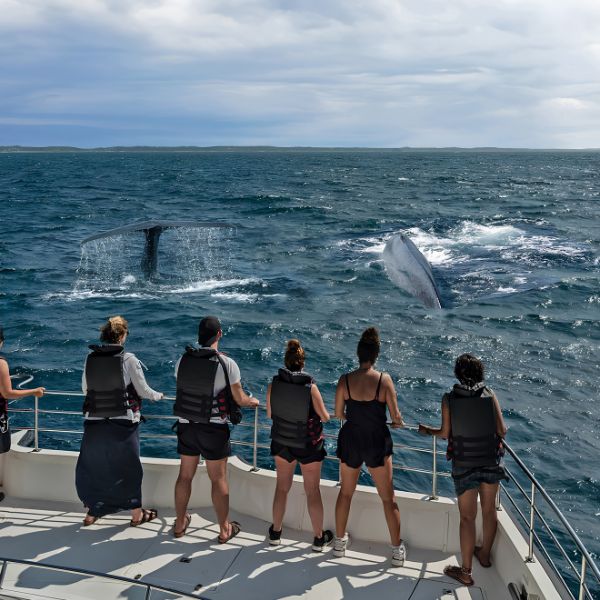
Wildlife: Mirissa is Sri Lanka’s premier whale-watching destination, with blue whales and dolphins commonly seen from November to April.
Nature: The deep waters off Dondra Point attract blue whales close to shore.
What to See:
-
Blue whales
-
Sperm whales
-
Spinner dolphins
-
Bottlenose dolphins
Galle Fort (UNESCO)
History: Galle Fort is a 17th-century Dutch fort — a UNESCO World Heritage Site and a living town with boutique shops, restaurants, and hotels.
Nature: The fort is surrounded by the Indian Ocean, with beautiful views from the ramparts.
What to See:
-
Ramparts (walk at sunset)
-
Lighthouse
-
Dutch Reformed Church
-
Boutique shops and cafes
Sample Itinerary: Nature, Wildlife & History (14 Days)
| Day | Location | Focus | Highlights |
|---|---|---|---|
| 1–2 | Negombo | Arrival | Rest, beach, fish market |
| 3–4 | Cultural Triangle | History | Sigiriya, Dambulla |
| 5 | Minneriya | Wildlife | Elephant Gathering |
| 6 | Polonnaruwa | History & Wildlife | Ancient city, monkeys |
| 7–8 | Kandy | History & Nature | Temple of the Tooth, Botanical Gardens |
| 9–10 | Ella | Nature & History | Nine Arches Bridge, tea plantations |
| 11 | Sinharaja | Nature | Rainforest walk, endemic birds |
| 12–13 | Yala / Udawalawe | Wildlife | Leopard/elephant safari |
| 14 | Galle / Mirissa | History & Wildlife | Galle Fort, whale watching |
Note: Yala Blocks 1 and 2 are temporarily closed from September 14 to October 15, 2026. Alternatives include Udawalawe, Wilpattu, and Maduru Oya.
Best Time for Nature, Wildlife & History
| Region | Best Time | Why |
|---|---|---|
| Cultural Triangle | December – March | Dry, comfortable |
| Hill Country | January – April | Clear skies, tea season |
| Yala / Udawalawe | February – June | Best wildlife viewing |
| Minneriya | July – September | The Gathering |
| Sinharaja | January – April | Driest months |
| Mirissa (Whales) | November – April | Blue whale season |
| Trincomalee (Whales) | May – September | East coast season |
| Galle | November – April | Dry, sunny |
For a round-island journey: April and October are transition months, good for combining regions.
Frequently Asked Questions
What is the best time to visit Sri Lanka for nature, wildlife, and history?
December to March is ideal for the Cultural Triangle, hill country, and south coast. February to June is best for wildlife safaris. July to September is best for Minneriya’s elephant gathering. For a round-island journey, April and October are ideal.
Where can I see leopards in Sri Lanka?
Yala National Park has the highest leopard density in the world. Wilpattu National Park is a quieter alternative. Note: Yala Blocks 1 and 2 are temporarily closed from September 14 to October 15, 2026.
Where can I see elephants in Sri Lanka?
Udawalawe National Park has reliable elephant sightings year-round. Minneriya National Park hosts “The Gathering” (July–September). Gal Oya offers swimming elephants and boat safaris.
Can I see whales in Sri Lanka?
Yes — Mirissa (November–April) and Trincomalee (May–September) are the best places for whale watching. Blue whales, sperm whales, and dolphins are commonly seen.
What are the best UNESCO sites in Sri Lanka?
Sri Lanka has 8 UNESCO World Heritage Sites: Anuradhapura, Polonnaruwa, Sigiriya, Kandy, Galle, Dambulla (cultural), and Sinharaja, Central Highlands (natural).
Is Sri Lanka good for birdwatching?
Yes — Sri Lanka has over 400 bird species, including 26 endemics. Sinharaja Forest Reserve, Bundala, and Kumana are the best parks for birdwatching.
How many days do I need for nature, wildlife, and history in Sri Lanka?
Two weeks allows you to experience the highlights comfortably. Three weeks allows for deeper exploration and additional regions.
What should I pack for a nature, wildlife, and history trip to Sri Lanka?
Lightweight clothing, modest attire for temples, comfortable walking shoes, sun protection, insect repellent, binoculars, camera, and a reusable water bottle.
Do I need a private guide for a nature, wildlife, and history trip?
A private chauffeur-guide is highly recommended. They handle logistics, provide local knowledge, and ensure you get the most from every experience.
Can I combine nature, wildlife, and history in one trip?
Yes — Sri Lanka is compact, and the Cultural Triangle, hill country, and wildlife parks are all within easy reach of each other.
Experience Sri Lanka’s Nature, Wildlife & History with Rediscover Journeys
Sri Lanka is one of the rare places where ancient history, extraordinary wildlife, and breathtaking nature exist side by side. Whether you’re climbing Sigiriya at sunrise, tracking leopards in Yala, or walking through Sinharaja’s rainforest, every day brings a new discovery.
Ready to plan your journey? Contact our local experts to design a bespoke itinerary that brings together the best of Sri Lanka’s nature, wildlife, and history.
Explore Sri Lanka: https://rediscoversrilanka.com/srilanka/
-
🌐 Website: rediscoversrilanka.com
-
💬 WhatsApp: +94 77 791 1276
-
📧 Email: [email protected]
Book Your Dream Getaway to Sri Lanka Today!
Contact Us Today!
Ready to plan your dream group tour in Sri Lanka? Let us help you craft the perfect itinerary for a truly magical experience.
👉 Contact Rediscover Sri Lankanow to explore our Sri Lanka group tour packages, designed for families, solo travelers, and adventure seekers alike.
Reviews and Recommendations
Don’t just take our word for it! Check out these incredible reviews from past travelers:
- Tripadvisor: Read about other travelers’ experiences on Tripadvisor, where Rediscover Sri Lanka has garnered rave reviews for its safe and well-organized tours.
- Trustpilot: Visit Trustpilot for more real-life testimonials from travelers who have fallen in love with Sri Lanka’s beauty and hospitality.
Rediscover Journeys — Boutique Sri Lanka Tour Operator & Travel Agency
Trustpilot 4.9/5 (192 reviews) | TripAdvisor Travellers’ Choice 2025 | SLTDA-licensed
35+ years collective Sri Lanka expertise | Private chauffeur-guide | Tailor-made journeys
Contact Us Today!
Ready to plan your dream journey in Sri Lanka? Let us help you craft the perfect itinerary for a truly memorable experience.
Contact Rediscover Sri Lanka to explore our tailor-made journeys, private tours and authentic Sri Lankan experiences.
Contact UsReviews and Recommendations.
Don't just take our word for it! Check out these incredible reviews from past travelers.
Read about other travelers' experiences with Rediscover Sri Lanka and explore reviews from guests who have travelled across the island.
Read ReviewsDiscover feedback from travelers who have experienced Rediscover Journeys and explored Sri Lanka with our team.
Read ReviewsBook Your Adventure.
Ready to experience Sri Lanka beyond the usual tourist trail? Let us create a private journey around your interests, pace and travel style.
Ready to Rediscover Sri Lanka?
Plan your trip with Rediscover Sri Lanka and create unforgettable memories at some of the island's most extraordinary places.
Visit Rediscover Sri Lanka to start planning your journey.
Plan Your JourneyEverything you need to know about traveling in Sri Lanka.
Sri Lanka is a year-round destination, but the best time depends on which part of the island you plan to explore. The west and south coasts are generally best from December to April, while the east coast is ideal from May to September.
Around 7 to 14 days is a good amount of time to experience Sri Lanka's highlights without rushing. A longer journey allows more time for wildlife, beaches, cultural sites, scenic train journeys and the hill country.
Most international travellers need travel authorisation or a visa to enter Sri Lanka, depending on their nationality and purpose of travel. Travellers should check the latest requirements through official Sri Lankan government channels before travelling.
Sri Lanka is a popular destination for international travellers. As with any destination, visitors should take normal precautions, look after their belongings, use reputable transport and follow local advice.
The official currency is the Sri Lankan Rupee (LKR). Your budget depends on accommodation, transportation, dining, activities and travel style. Sri Lanka offers everything from budget-friendly experiences to premium hotels and tailor-made luxury travel.