
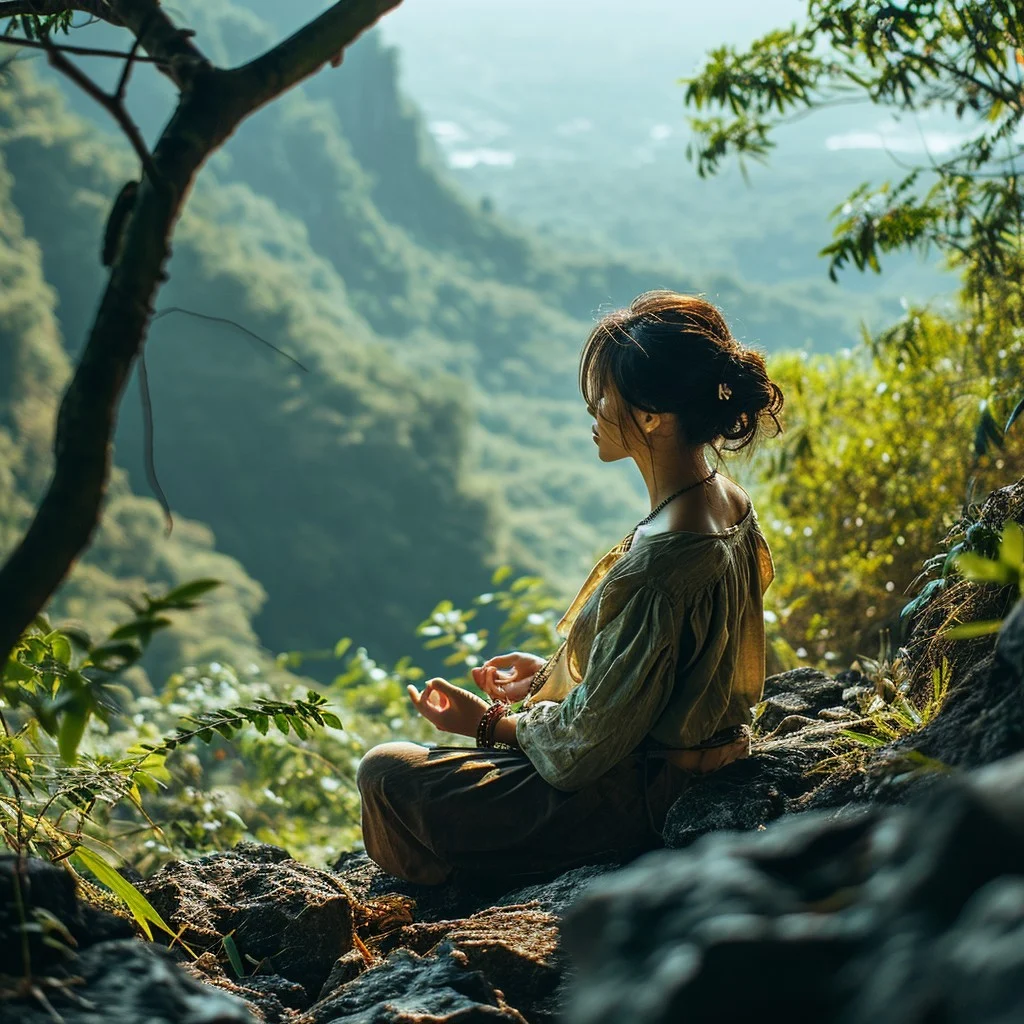
Your Sri Lanka Solo Adventure Awaits
Meet like-minded travelers · Explore ancient wonders · Create unforgettable memories
Sri Lanka Weather Guide 2026 – Complete Month by Month Climate & Travel Planning
Sri Lanka Weather Guide 2026 – Complete Month by Month Climate & Travel Planning
Rediscover Journeys – Sri Lanka Boutique Tour Operator
TripAdvisor Travelers‘ Choice Award 2025
Sri Lanka, the teardrop-shaped island in the Indian Ocean, is renowned for its stunning landscapes, rich cultural heritage, and welcoming people. But one of the most important factors that travellers often wonder about is the weather. This comprehensive guide will help you understand Sri Lanka’s tropical climate, plan your trips around the two monsoon seasons, and discover the best times to visit each region based on your travel preferences.
📖 Table of Contents
-
Understanding Sri Lanka’s Climate – Two Monsoons Explained
-
Year-Round Temperature Overview
-
Month by Month Weather Guide for 2026
-
Regional Weather Breakdown
-
Best Time to Visit by Travel Activity
-
10-Day Weather Forecast & Real-Time Updates
-
Travel Tips for Every Weather Condition
-
Colombo 10-Day Weather Details
🌤️ Understanding Sri Lanka’s Climate – Two Monsoons Explained
Sri Lanka does not have a single dry or rainy season. Instead, the island is governed by two separate monsoon systems that affect opposite coasts at different times of the year. This unique climate pattern means there is almost always somewhere on the island with perfect weather.
🔹 Southwest Monsoon (Yala Season) – May to September
-
Affects: South and western regions – Colombo, Galle, Mirissa, Bentota, Hikkaduwa, and the hill country (Kandy, Ella, Nuwara Eliya)
-
Peak rain: June and July bring the heaviest rainfall, with some areas receiving up to 3,000mm of rain annually
-
What happens: Afternoon thunderstorms are common. However, mornings are often sunny and beautiful – rain typically arrives in a heavy burst lasting an hour or two, then clears
-
Good news: While the southwest gets wet, the east and north coasts are dry and sunny during these months! Trincomalee, Arugam Bay, and Jaffna have their best weather from May to September
🔹 Northeast Monsoon (Maha Season) – October to January
-
Affects: Northern and eastern regions – Trincomalee, Arugam Bay, Batticaloa, Jaffna
-
Peak rain: December and January in some eastern areas
-
What happens: This monsoon brings moisture from the Bay of Bengal. The northeastern slopes of the mountains may receive up to 125cm of rain during these months
-
Good news: While the northeast gets rain, the south and west coasts dry out and enter their peak tourist season
🔹 Inter-Monsoon Periods (March-April & October-November)
-
These transition periods bring scattered afternoon thunderstorms across much of the island
-
Mornings are typically sunny, with rain arriving in the afternoon
-
Advantages: Fewer tourists, lower prices, and lush green landscapes
🌡️ Year-Round Temperature Overview
Sri Lanka has a tropical climate with warm temperatures year-round. The main variable is not temperature but rainfall and humidity.
| Region | Daytime Temperature | Nighttime Temperature |
|---|---|---|
| Coastal areas (Colombo, Galle, Mirissa, Trincomalee) | 25–32°C (77–90°F) | 22–26°C |
| Hill Country (Kandy, Ella, Nuwara Eliya) | 15–25°C (59–77°F) | 10–15°C |
| Cultural Triangle (Sigiriya, Dambulla, Polonnaruwa) | 28–34°C | 22–24°C |
Key temperature facts: The coast is approximately 10-15°C cooler than the lowlands. April is typically the hottest month, with average daily highs of 33°C (91°F). September is the coolest month on average, with highs around 30°C (86°F).
📅 Month-by-Month Weather Guide for 2026
🌴 January – Peak Season (South & West Coasts)
-
Weather: Perfect blue skies, calm seas, great for hiking
-
Best for: Colombo, Galle, Mirissa, Kandy, Ella, Sigiriya
-
Average temperature: 27-30°C (81-86°F)
-
Rainfall: Low – around 20-90mm across the country
-
Sea conditions: Calm – perfect for whale watching in Mirissa
-
Traveler tips: This is peak tourist season – book accommodation well in advance
🌊 February – Dry & Sunny (South & West Coasts)
-
Weather: Very dry, great for whale watching. February is widely considered the best month for weather
-
Average temperature: 27-31°C (81-88°F)
-
Rainfall: 42-65mm on average
-
Sunshine hours: Approximately 255 hours
-
Activities: Beach holidays, sightseeing, wildlife safaris, whale watching
-
Traveler tips: Galle Literary Festival takes place annually in late January or early February
🌸 March – Last of the Peak Season
-
Weather: Still sunny, excellent conditions. March is the last month of the peak dry season in the south and west
-
Average temperature: 28-31°C (82-88°F)
-
Rainfall: Begins to increase slightly – 42-105mm
-
Best for: All coastal areas and hill country remain excellent
-
Traveler tips: Start days early to beat the increasing heat. This is a fantastic time for climbing Sigiriya Rock
🔥 April – Shoulder Season (Hottest Month)
-
Weather: Hot and humid with short rains. The whole country celebrates the Sinhala and Tamil New Year (April 13-14)
-
Average temperature: 28-33°C (82-91°F) – the hottest month of the year
-
Rainfall: 68-230mm, with increased thunderstorm activity
-
Best for: Cultural Triangle (Sigiriya, Dambulla) and hill country for cooler air
-
Traveler tips: Many shops close during the New Year celebrations. Great for experiencing authentic cultural events
🌧️ May – East Coast Peak Begins / Southwest Monsoon Starts
-
Weather: Excellent on the east coast. The southwest monsoon begins, bringing significant rain to south and west
-
Average temperature: 26-33°C (79-91°F)
-
Rainfall: Highest in the southwest – up to 350mm in some areas
-
Best for: East Coast (Trincomalee, Arugam Bay), Cultural Triangle
-
Traveler tips: 2026 heat warning – heat index may reach 39-45°C (102-113°F) until mid-May. Stay hydrated and schedule outdoor activities for early morning
🌊 June – Peak Monsoon in Southwest / Perfect East Coast
-
Weather: Heavy rain on southwest coast; East Coast is dry and sunny
-
Average temperature: 25-31°C (77-88°F)
-
Rainfall: 50-198mm on average, but much higher in the southwest
-
Best for: Trincomalee, Arugam Bay, Cultural Triangle
-
Traveler tips: June is a popular month for surfing in Arugam Bay as the east coast dries out
☀️ July – Best of East Coast
-
Weather: Excellent for the East Coast. The best month for Arugam Bay surfing
-
Average temperature: 25-31°C (77-88°F)
-
Rainfall: 42-120mm in wet areas; East Coast remains dry
-
Best for: East Coast, Cultural Triangle (crowds are moderate)
-
Traveler tips: The famous Kandy Esala Perahera festival takes place in July-August – book accommodation in Kandy 6 months ahead
🏖️ August – Last of East Coast Peak
-
Weather: Still excellent on the East Coast – “The Gathering” of wild elephants in Minneriya
-
Average temperature: 25-31°C (77-88°F)
-
Rainfall: 48-90mm on average
-
Best for: Trincomalee for snorkeling and whale watching, Cultural Triangle
-
Traveler tips: Moderate crowds – a great balance between good weather and manageable tourist numbers
🍂 September – Transition Month
-
Weather: Last of the clear days on the East Coast; the southwest still experiences monsoon conditions
-
Average temperature: 25-30°C (77-86°F)
-
Rainfall: 88-263mm
-
Best for: East Coast early in the month, Cultural Triangle, some hill country activities
-
Traveler tips: September is one of the cheapest months to visit. Shoulder season prices with moderate weather
💧 October – Inter-Monsoon (Wettest Month Island-Wide)
-
Weather: Unpredictable heavy rain across most of the island. October is statistically the wettest month everywhere
-
Average temperature: 27-29°C (81-84°F)
-
Rainfall: High – 108-347mm
-
Best for: Indoor activities, cultural sites that are mostly covered, budget travel (lowest prices of the year)
-
Traveler tips: Best for low prices and lush, dramatic green landscapes. Plan flexible itineraries
🌧️ November – Wettest Month, Lowest Prices
-
Weather: Still very wet in many areas, but this is when the northeast monsoon begins to weaken
-
Average temperature: 26-29°C (79-84°F)
-
Rainfall: 113-325mm – one of the wettest months across most regions
-
Best for: Budget travel – lowest accommodation prices of the year
-
Traveler tips: The lush greenery is at its peak. Consider a “slow travel” approach focused on indoor experiences and cultural immersion
🎄 December – Peak Season Returns to South & West
-
Weather: The sun returns to the south beaches. December marks the start of the peak season for the south and west coasts
-
Average temperature: 26-30°C (79-86°F)
-
Rainfall: Decreasing significantly in the southwest – around 46-187mm
-
Best for: South Coast beaches, West Coast, Hill Country (clear conditions for hiking)
-
Traveler tips: This is the start of the high season. Book accommodation early if traveling between Christmas and New Year
🗺️ Regional Weather Breakdown
🏖️ South & West Coasts (Colombo, Galle, Mirissa, Bentota, Hikkaduwa)
-
Best time to visit: December to April
-
Weather: Dry, sunny, calm seas, and perfect beach conditions
-
Shoulder season: November and late April – mix of sunshine and tropical showers, fewer crowds
-
Monsoon season: May to September – heavy afternoon rain, but mornings often remain clear
🌅 East & North Coasts (Trincomalee, Arugam Bay, Jaffna, Batticaloa)
-
Best time to visit: May to September
-
Weather: Dry and sunny during these months, with calm seas perfect for beach activities
-
Shoulder season: October and April
-
Monsoon season: October to January – wetter conditions, best to visit other regions
🏔️ Hill Country (Kandy, Ella, Nuwara Eliya)
-
Best time to visit: January to April and June to September
-
Weather: Cool and comfortable for hiking. Nuwara Eliya temperatures range from 14-21°C (57-70°F)
-
Monsoon influence: The hill country gets rain in both monsoons but is manageable year-round
-
Traveler tips: Bring a light jacket or sweater – evenings can be surprisingly cool, especially in Nuwara Eliya
🏛️ Cultural Triangle (Sigiriya, Dambulla, Polonnaruwa, Anuradhapura)
-
Best time to visit: January to March (peak), also good in May-September for budget travelers
-
Weather: Generally hot year-round (28-34°C)
-
Rainfall: Moderate in most months, with the lowest rainfall typically between May and September
-
Traveler tips: Start outdoor activities at sunrise to avoid the midday heat
🏄 Best Time to Visit by Travel Activity
| Activity | Best Months | Notes |
|---|---|---|
| Beach holidays (west/south) | December – April | Calm seas, sunny days, perfect conditions |
| Beach holidays (east) | May – September | Dry and sunny, ideal for swimming and sunbathing |
| Surfing (south/west) | November – April | Best waves on the south coast during this period |
| Surfing (east – Arugam Bay) | May – September | Arugam Bay is a world-class surfing destination during these months |
| Whale watching (Mirissa) | November – April | Peak season for blue whales, sperm whales, and dolphins |
| Whale watching (Trincomalee) | May – October | Different monsoon pattern allows for sightings |
| Wildlife safaris (Yala, Udawalawe) | February – September | Animals gather around water sources as dry season progresses |
| Hiking (Ella, Horton Plains) | January – April, June – September | Clear trails, comfortable temperatures, stunning views |
| Cultural sightseeing (Sigiriya, Anuradhapura) | January – March, May – September | Avoid peak heat and rain by going early morning |
| Budget travel | May, June, September, October | Lowest accommodation prices and flight deals |
| Festivals | August (Kandy Esala Perahera), April (Sinhala New Year), May (Vesak) | Spectacular cultural experiences – plan ahead for crowds and prices |
🌡️ 10-Day Weather Forecast & Real-Time Updates
For the most accurate and up-to-date weather information during your trip, we recommend:
-
AccuWeather Sri Lanka: https://www.accuweather.com/en/lk/sri-lanka-weather – Provides live weather conditions and 10-day forecasts for all major cities
-
Japan Meteorological Agency: www.data.jma.go.jp – Offers reliable historical climate data and current weather information for Colombo
Real-time weather expectations (based on typical conditions): Colombo generally experiences temperatures ranging from 28°C to 32°C, with occasional late-afternoon rains typical for the region. Both Colombo and other major cities are likely to have clear mornings with possible evening showers, making day trips enjoyable if planned appropriately.
Weather map tip: Check Sri Lanka’s live weather map to plan your route and avoid rain-prone regions during your journey. The monsoon patterns are predictable – if the southwest is experiencing rain, head east, and vice versa.
💼 Travel Tips for Every Weather Condition
✅ Plan Ahead
-
Always check the weather forecast before heading out, especially during the inter-monsoon periods
-
Use real-time weather apps to stay updated – conditions can change quickly
-
Consider purchasing travel insurance that covers weather-related disruptions
🧳 Pack Smart
-
Lightweight, breathable fabrics – cotton and linen are best for the humid climate
-
Compact umbrella or lightweight rain jacket – rain often arrives in short, heavy bursts even during “dry” seasons
-
Comfortable walking shoes or sturdy sandals
-
Reef-safe sunscreen and insect repellent – mosquitoes are active during all seasons
-
A sweater or light jacket for cool evenings in the hill country (especially Nuwara Eliya)
-
Waterproof pouch or dry bag for phones and cameras during sudden downpours
🕒 Time Your Activities
-
Schedule outdoor activities for morning hours during monsoon and inter-monsoon seasons
-
Start early – sunrise is around 6:00 AM year-round, and mornings are typically the most pleasant time for sightseeing
-
Avoid midday outdoor activities during April and May when temperatures and humidity peak
🚗 Travel Flexibility
-
Consider private transport – Our Rediscover Journeys drivers know the “back routes” and can help you navigate around weather-related traffic or road conditions
-
Have backup indoor activities planned for afternoons during monsoon season (museums, cooking classes, shopping, tea factories)
📍 Regional Strategy
-
One side is always dry – if your desired region is experiencing rain, simply adjust your itinerary to the opposite coast
-
Don’t fear the “monsoon” – Even during monsoon season on the south coast, mornings are often sunny and you can still enjoy your holiday. The rain usually arrives in an afternoon burst, not a constant downpour
🏙️ Colombo Weather Details
Colombo is Sri Lanka’s bustling commercial capital. The weather here follows the southwest monsoon pattern:
| Season | Weather Pattern | Travel Tips |
|---|---|---|
| December – March | Dry, sunny, warm (27-30°C / 81-86°F) | Peak season – perfect for exploring Pettah Market, Galle Face Green, and the National Museum |
| April | Hot and humid, temperatures reaching 32-33°C (90-91°F) | Take midday breaks in air-conditioned cafes or shopping malls |
| May – September | Southwest monsoon – afternoon showers, but mornings often clear | Plan outdoor excursions for the morning; afternoons are great for indoor attractions |
| October – November | Inter-monsoon – unpredictable but generally wettest months | Ideal for cultural indoor activities and enjoying Colombo’s vibrant restaurant scene |
Tomorrow‘s forecast (typical): Warm mornings with potential brief showers in the evening – ideal for exploring landmarks like the Galle Face Green or Pettah Market in the morning, followed by a relaxing afternoon indoors or at a beachfront café.
🎯 Conclusion: The Best Time to Visit Sri Lanka in 2026
For first-time visitors wanting the classic tropical holiday: December to March is your best bet. You’ll experience blue skies, calm seas, and ideal conditions for beaches and sightseeing, especially along the south and west coasts.
For east coast beaches and surfing: Visit between May and September, when Trincomalee and Arugam Bay are at their best.
For budget travelers and those who don’t mind a little rain: May, June, September, and October offer the lowest prices, fewer crowds, and the island’s most stunning lush green landscapes.
For hill country hiking and tea plantation tours: January to April and June to September provide the most comfortable temperatures and clearest trails.
The honest truth: Sri Lanka is a year-round destination if you know where to go each month. With two monsoon systems working in opposite directions, there is almost always somewhere on the island with perfect weather. Don’t let the word “monsoon” scare you – it’s often just an afternoon shower that clears up quickly, leaving behind fresher air and greener landscapes.
📞 Plan Your Sri Lanka Trip with Rediscover Journeys
Rediscover Journeys – Boutique Sri Lanka Tour Operator
⭐ TripAdvisor Travelers’ Choice Award 2025 | 35+ Years Collective Experience
-
🌐 Website: https://rediscoversrilanka.com
-
📧 Contact: https://rediscoversrilanka.com/contact
24/7 Hotline (English / Japanese assistance)
-
Rasith: +94 77 791 1276
-
Lucky: +94 77 887 8723
-
Email: [email protected]

Book Your Adventure
Ready to experience this coastal paradise? Plan your trip with Rediscover Journeys and create unforgettable memories at Hiriketiya Beach.
📩 Visit: Rediscover Journeys to book now.
Contact Us Today!
Ready to plan your dream group tour in Sri Lanka? Let us help you craft the perfect itinerary for a truly magical experience.
👉 Contact Rediscover Journeys now to explore our Sri Lanka group tour packages, designed for families, solo travelers, and adventure seekers alike.
Reviews and Recommendations
Don't just take our word for it! Check out these incredible reviews from past travelers:
Read about other travelers' experiences on TripAdvisor, where Rediscover Journeys has garnered rave reviews for its safe and well-organized tours.
Read ReviewsVisit Trustpilot for more real-life testimonials from travelers who have fallen in love with Sri Lanka's beauty and hospitality.
Read ReviewsExplore Related Topics

Frequently Asked Questions
Everything you need to know about traveling in Sri Lanka