
Your Sri Lanka Solo Adventure Awaits
Meet like-minded travelers · Explore ancient wonders · Create unforgettable memories
Tea Lover’s Guide to Sri Lanka’s Hill Country | Ceylon Tea Tours 2026
The Tea Lover’s Guide to Sri Lanka’s Hill Country
Ceylon tea is world-famous and for good reason. Grown in the misty highlands of Sri Lanka’s hill country, it is celebrated for its bright, brisk flavour and golden colour. But for the tea lover, Sri Lanka offers something more than a beverage: it offers a journey into the heart of tea country, where colonial-era estates, working factories, and breathtaking landscapes combine to create one of the world’s great travel experiences.
This guide is for those who want to go beyond the cup to walk among the tea bushes, learn how tea is made, and understand why Ceylon tea is considered among the finest in the world.
The History of Ceylon Tea
Tea was first planted in Sri Lanka in 1867 by James Taylor, a Scottish planter who established the island’s first tea estate at Loolecondera in the Kandy district. At the time, Sri Lanka was known for coffee, but a devastating coffee blight in the 1870s led planters to switch to tea.
The industry grew rapidly. By the late 19th century, Sri Lanka then called Ceylon had become one of the world’s leading tea producers. Today, Ceylon tea is a globally recognised brand, prized for its quality and distinctive taste.
Key dates in Ceylon tea history:
| Year | Milestone |
|---|---|
| 1867 | James Taylor plants first tea estate at Loolecondera |
| 1870s | Coffee blight devastates coffee industry; planters switch to tea |
| 1890s | Ceylon becomes major tea exporter |
| 1972 | Sri Lanka becomes republic; tea industry nationalised |
| 1990s | Privatisation of tea estates |
| Today | Sri Lanka is one of the world’s top tea exporters |
The Tea Regions of Sri Lanka
Sri Lanka’s tea-growing regions are divided by elevation, which affects the flavour and character of the tea.
High Grown (Above 1,200m)
Regions: Nuwara Eliya, Dimbula, Uva
Characteristics: Light, bright, fragrant. High-grown teas are considered the finest.
Best For: Lovers of delicate, aromatic teas
Medium Grown (600–1,200m)
Regions: Kandy, Matale
Characteristics: Medium body, good colour, balanced flavour.
Best For: Everyday drinking
Low Grown (Below 600m)
Regions: Ruhuna, Sabaragamuwa
Characteristics: Strong, full-bodied, robust.
Best For: Those who like a strong cup
The Best Tea Regions to Visit
Nuwara Eliya: The Heart of Tea Country
Nuwara Eliya is the highest tea-growing region in Sri Lanka, sitting at 1,868 metres above sea level. Known as “Little England” for its colonial architecture and cool climate, it is the perfect base for exploring tea country.
What to See:
-
Pedro Tea Estate one of the oldest estates, with factory tours
-
Damro Tea Factory a working factory with tours and tastings
-
Lover’s Leap a waterfall with tea estate views
-
Gregory Lake picturesque lake in the town centre
Best Time to Visit: January to April (dry season)
Tea Tasting Tip: Nuwara Eliya teas are known for their light, delicate flavour perfect for afternoon drinking.
Ella: Tea with a View
Ella is a small hill town surrounded by tea plantations and offering some of Sri Lanka’s most spectacular scenery. It’s a favourite among travellers for its relaxed vibe and stunning views.
What to See:
-
Nine Arches Bridge iconic railway bridge surrounded by tea
-
Little Adam’s Peak hike through tea plantations
-
Ella Rock challenging hike with panoramic tea country views
-
Tea estate walks many guesthouses offer guided walks
Best Time to Visit: January to March
Tea Tasting Tip: Ella’s elevation produces teas with a beautiful balance of flavour and aroma.
Kandy: The Gateway to Tea Country
Kandy was the first region where tea was planted in Sri Lanka. It remains an important tea-growing area and is a convenient base for exploring the region.
What to See:
-
Ceylon Tea Museum housed in a former tea factory
-
Hanthana Tea Estate working estate near Kandy
-
Royal Botanical Gardens includes a tea garden
-
Temple of the Tooth combine culture with tea
Best Time to Visit: Year-round
Tea Tasting Tip: Kandy teas are medium-grown, with a good balance of strength and flavour.

Dimbula: The Classic Tea Region
Dimbula is one of Sri Lanka’s most famous tea regions, known for producing teas with a distinctive mellow flavour. It’s located between Nuwara Eliya and Hatton.
What to See:
-
Dimbula Tea Estates some of the oldest in Sri Lanka
-
St. Clair’s Falls waterfall surrounded by tea
-
Devon Falls another scenic waterfall
-
Hatton a good base for exploring
Best Time to Visit: January to March
Tea Tasting Tip: Dimbula teas are known for their bright, golden colour and mellow taste.
Uva: The Eastern Tea Region
Uva is a remote tea region in the eastern highlands, known for producing teas with a distinctive, menthol-like character. It’s less visited than other regions, offering a more authentic experience.
What to See:
-
Uva Tea Estates remote and beautiful
-
Ella nearby, with its own tea plantations
-
Bandarawela a quiet hill town
Best Time to Visit: June to September
Tea Tasting Tip: Uva teas are known for their unique flavour, influenced by the region’s climate.
Tea Estate Experiences
Factory Tours
Most tea estates offer guided tours of their factories, where you can see the entire tea-making process from withering to rolling, fermenting, drying, and sorting.
What to Expect:
-
Withering fresh leaves are spread out to dry
-
Rolling leaves are twisted to release oils
-
Fermentation leaves are oxidised
-
Drying leaves are dried to stop fermentation
-
Sorting leaves are graded by size
Duration: 30–60 minutes
What to Bring: Camera, comfortable shoes, a light jacket (factories can be cool)
Tea Tasting
After the tour, most estates offer a tasting session where you can sample different grades of tea. This is the highlight for tea lovers.
What You’ll Taste:
-
Broken Orange Pekoe (BOP) strong, full-bodied
-
Flowery Broken Orange Pekoe (FBOP) slightly lighter
-
Orange Pekoe (OP) long, wiry leaves
-
Silver Tips the most delicate, expensive grade
Tasting Tips:
-
Look at the colour bright and golden is best
-
Smell the aroma fresh and grassy
-
Taste without milk first to appreciate the flavour
-
Compare different grades
Tea Plucking
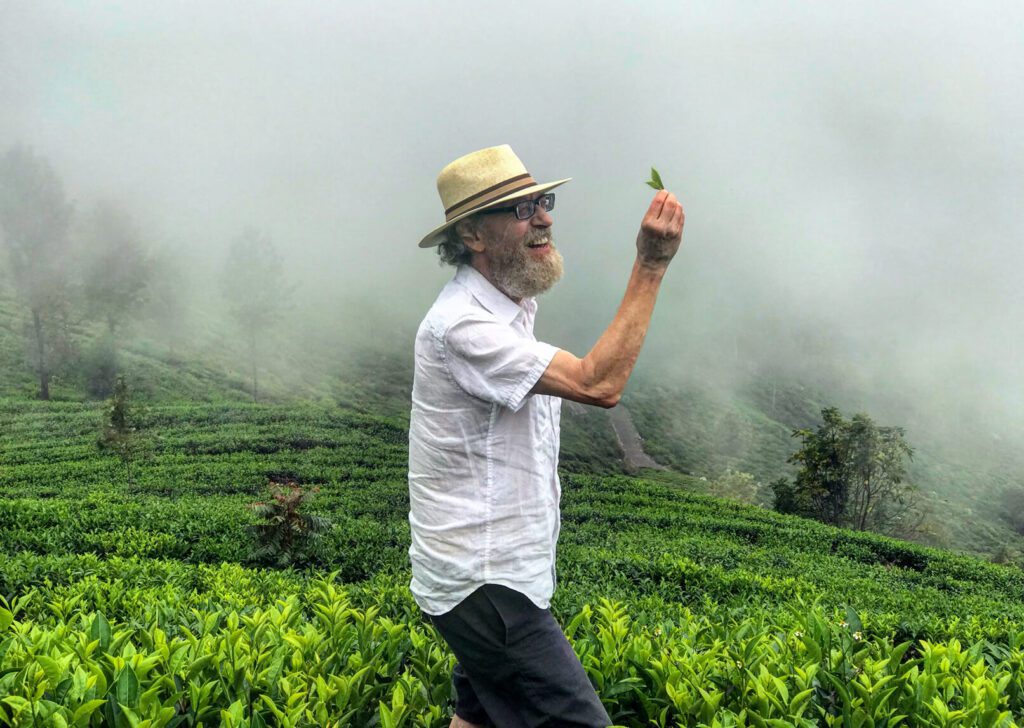
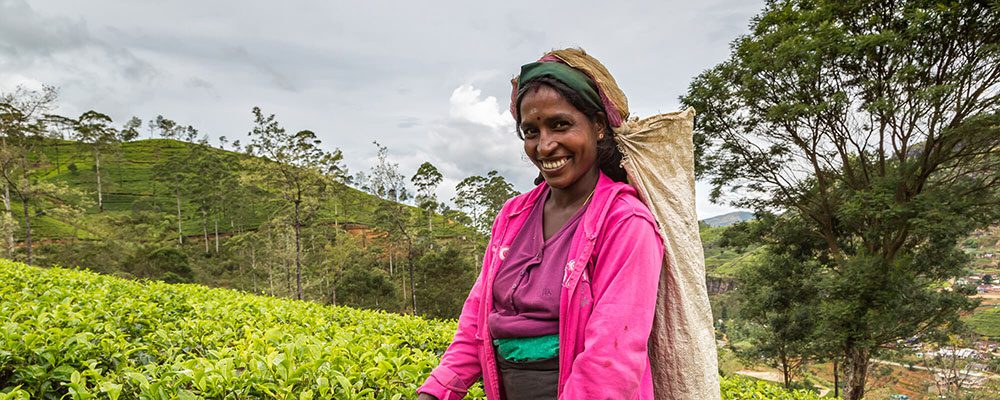
Some estates offer the chance to try tea plucking yourself. It’s harder than it looks pluckers need to select the top two leaves and a bud, and they do it at incredible speed.
What You’ll Learn:
-
How to identify the best leaves
-
How much tea a plucker collects in a day
-
The skill and speed required
Tea Estate Walks
Walking through a tea estate is one of the most beautiful experiences in Sri Lanka. The neatly manicured bushes, the misty hills, and the quiet atmosphere create a sense of peace.
Where to Walk:
-
Nuwara Eliya many estates offer walking trails
-
Ella walks to Little Adam’s Peak and Ella Rock pass through tea
-
Haputale the Lipton’s Seat walk is spectacular
The Best Tea Estates to Visit
Pedro Tea Estate (Nuwara Eliya)
One of the oldest estates in Sri Lanka, Pedro Tea Estate offers factory tours and tastings. It’s conveniently located near Nuwara Eliya town.
Details:
-
Location: Nuwara Eliya
-
Tours: Factory tour and tasting
-
Best For: First-time visitors
Damro Tea Factory (Nuwara Eliya)
A working tea factory with tours and tastings. Damro is one of Sri Lanka’s largest tea companies.
Details:
-
Location: Nuwara Eliya
-
Tours: Factory tour and tasting
-
Best For: Understanding commercial tea production
Heritance Tea Factory (Nuwara Eliya)
A unique hotel converted from a working tea factory. You can stay in a tea factory and learn about tea production.
Details:
-
Location: Nuwara Eliya
-
Type: Hotel
-
Best For: Tea lovers who want to stay in tea country
Ceylon Tea Museum (Kandy)
Housed in a former tea factory, the Ceylon Tea Museum tells the story of Sri Lanka’s tea industry.
Details:
-
Location: Kandy
-
Type: Museum
-
Best For: History lovers
Lipton’s Seat (Haputale)
Named after Sir Thomas Lipton, who bought tea from this region. The view from Lipton’s Seat is spectacular you can see across the hill country.
Details:
-
Location: Haputale
-
Type: Viewpoint
-
Best For: Photography and scenery
The Tea Train Journey
The train journey from Kandy to Ella is one of the world’s most beautiful rail experiences and it passes through some of Sri Lanka’s finest tea country.
What You’ll See:
-
Tea plantations rolling past the window
-
Misty mountains
-
Rural villages
-
The iconic Nine Arches Bridge
Tips:
-
Book second class for open windows
-
Sit on the right side for the best views (Kandy to Ella direction)
-
Bring snacks and water
-
Don’t hang out of the door it’s dangerous
Where to Stay in Tea Country
Tea Estate Bungalows
Many colonial-era tea estate bungalows have been converted into boutique hotels. Staying in one is the ultimate tea country experience.
Examples:
-
Ceylon Tea Trails luxury bungalows in the Bogawantalawa Valley
-
Heritance Tea Factory converted tea factory hotel
-
Bandarawela Hotel colonial-era hotel
-
Ella hotels many guesthouses with tea estate views
What to Expect
-
Colonial architecture
-
Fireplaces (it gets cold in the hills)
-
Tea service in your room
-
Estate walks
-
Four-poster beds
Tea Tasting: A Beginner’s Guide
The Types of Ceylon Tea
| Type | Description | Best For |
|---|---|---|
| Black Tea | Fully fermented, strong flavour | Everyday drinking |
| Green Tea | Unfermented, lighter flavour | Health-conscious |
| White Tea | Minimally processed, delicate | Special occasions |
| Silver Tips | Only the buds, very rare | Luxury gifting |
How to Taste Tea
-
Look bright, golden colour is best
-
Smell fresh, grassy aroma
-
Taste without milk first
-
Compare different grades and regions
Tea Grades Explained
-
SFTGFOP Special Finest Tippy Golden Flowery Orange Pekoe (the best)
-
FTGFOP Finest Tippy Golden Flowery Orange Pekoe
-
TGFOP Tippy Golden Flowery Orange Pekoe
-
FOP Flowery Orange Pekoe
-
BOP Broken Orange Pekoe (stronger)
Frequently Asked Questions
What is Ceylon tea?
Ceylon tea is tea grown in Sri Lanka. It is known for its bright, brisk flavour and golden colour. The name comes from Ceylon, the former name of Sri Lanka.
Where is tea grown in Sri Lanka?
Tea is grown in the hill country of Sri Lanka, primarily in Nuwara Eliya, Ella, Kandy, Dimbula, and Uva regions.
Can I visit tea estates in Sri Lanka?
Yes many tea estates offer factory tours, tastings, and estate walks. Popular estates include Pedro Tea Estate, Damro Tea Factory, and Ceylon Tea Museum.
What is the best time to visit tea country in Sri Lanka?
The best time to visit Nuwara Eliya and Dimbula is January to April. Uva is best from June to September. Kandy is good year-round.
How do I get to tea country in Sri Lanka?
The train from Kandy to Ella is the most scenic way to reach tea country. You can also travel by private car or bus.
Can I stay in a tea estate in Sri Lanka?
Yes many colonial-era tea estate bungalows have been converted into boutique hotels. Ceylon Tea Trails and Heritance Tea Factory are popular options.
What tea should I buy in Sri Lanka?
Look for single-estate teas from Nuwara Eliya, Dimbula, or Uva. Buy from estate shops or reputable tea shops in Colombo.
Is tea tasting included in estate tours?
Most estate tours include a tasting session where you can sample different grades of tea.
Book Your Dream Getaway to Sri Lanka Today!
Contact Us Today!
Ready to plan your dream group tour in Sri Lanka? Let us help you craft the perfect itinerary for a truly magical experience.
👉 Contact Rediscover Sri Lankanow to explore our Sri Lanka group tour packages, designed for families, solo travelers, and adventure seekers alike.
Reviews and Recommendations
Don’t just take our word for it! Check out these incredible reviews from past travelers:
- Tripadvisor: Read about other travelers’ experiences on Tripadvisor, where Rediscover Sri Lanka has garnered rave reviews for its safe and well-organized tours.
- Trustpilot: Visit Trustpilot for more real-life testimonials from travelers who have fallen in love with Sri Lanka’s beauty and hospitality.
Experience Sri Lanka’s Tea Country
Sri Lanka’s hill country is one of the world’s great tea destinations. From the misty estates of Nuwara Eliya to the scenic train journey to Ella, from factory tours to tea tastings, there is no better place to deepen your appreciation of this remarkable beverage.
Ready to plan your tea country journey? Contact our local experts to design a bespoke itinerary that includes the tea estates, tastings, and experiences you’ve been dreaming of.
-
🌐 Website: rediscoversrilanka.com
-
💬 WhatsApp: +94 77 791 1276
-
📧 Email: [email protected]
Rediscover Journeys Boutique Sri Lanka Tour Operator & Travel Agency
Trustpilot 4.9/5 (192 reviews) | TripAdvisor Travellers’ Choice 2025 | SLTDA-licensed
35+ years collective Sri Lanka expertise | Private chauffeur-guide | Tailor-made tours
Book Your Adventure
Ready to experience this coastal paradise? Plan your trip with Rediscover Journeys and create unforgettable memories at Hiriketiya Beach.
📩 Visit: Rediscover Journeys to book now.
Contact Us Today!
Ready to plan your dream group tour in Sri Lanka? Let us help you craft the perfect itinerary for a truly magical experience.
👉 Contact Rediscover Journeys now to explore our Sri Lanka group tour packages, designed for families, solo travelers, and adventure seekers alike.
Reviews and Recommendations
Don't just take our word for it! Check out these incredible reviews from past travelers:
Read about other travelers' experiences on TripAdvisor, where Rediscover Journeys has garnered rave reviews for its safe and well-organized tours.
Read ReviewsVisit Trustpilot for more real-life testimonials from travelers who have fallen in love with Sri Lanka's beauty and hospitality.
Read ReviewsExplore Related Topics

Frequently Asked Questions
Everything you need to know about traveling in Sri Lanka