
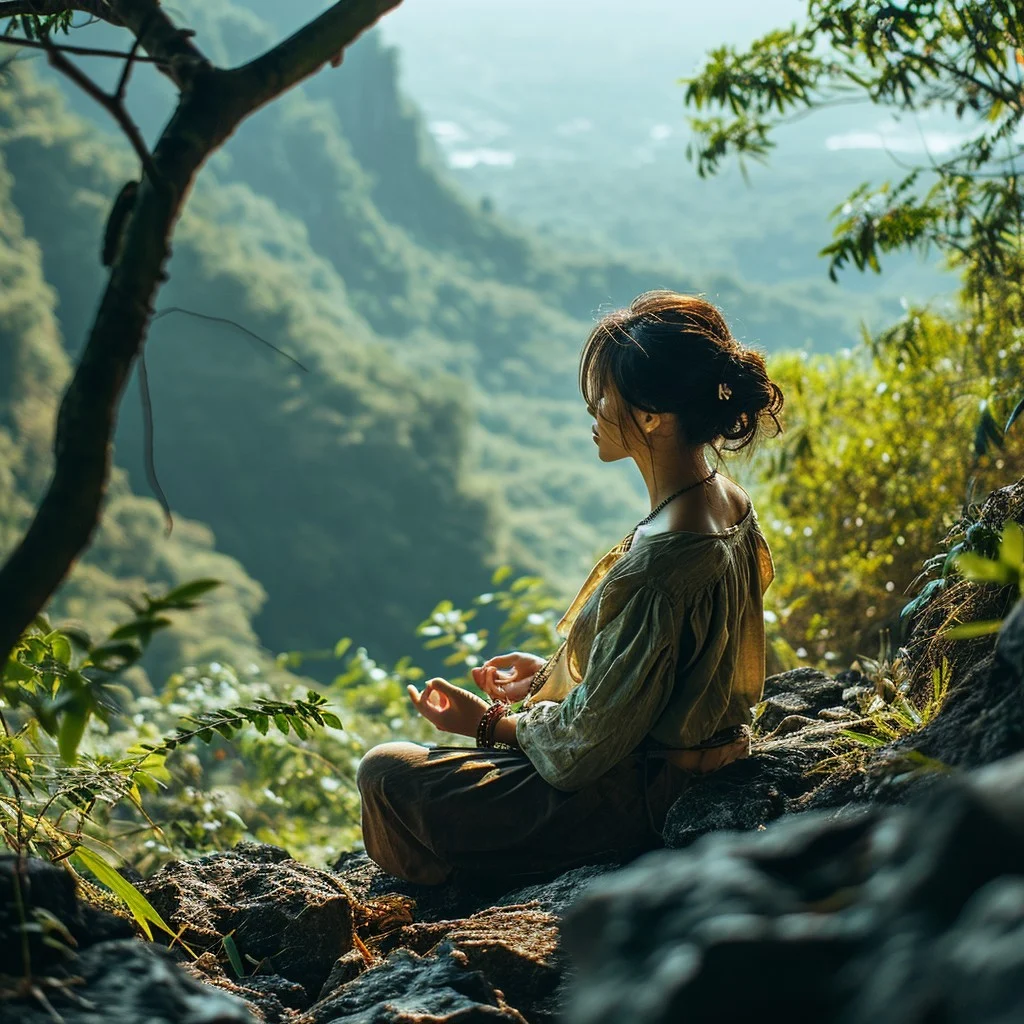
Your Sri Lanka Solo Adventure Awaits
Meet like-minded travelers · Explore ancient wonders · Create unforgettable memories
Sri Lanka Travel Guide 2026: Complete Planning Resource | Expert Tips
Sri Lanka Travel Guide 2026: The Complete Resource for Planning Your Trip
Welcome to the most comprehensive Sri Lanka travel guide available. Whether you’re planning your first trip or returning for a deeper exploration, this guide covers everything you need to know from itineraries and destinations to practical advice and expert tips.
As a Senior SEO Specialist with 20 years of experience and a boutique Sri Lanka tour operator with 35+ years of collective expertise, we’ve compiled this resource to help you plan a truly unforgettable journey. Every section links to deeper guides, so you can dive into the topics that matter most to you.
Part 1: Planning Your Trip to Sri Lanka
How to Plan a Trip to Sri Lanka
Planning a trip to Sri Lanka is easier than you might think but it does require some thought. The island may be compact, but it packs in an extraordinary diversity of experiences. Here’s a step-by-step approach:
Step 1: Decide when to go
Sri Lanka has two monsoon seasons, which means some part of the island is always in season. See our Best Time to Visit Sri Lanka guide for a month-by-month breakdown.
Step 2: Choose your route
The classic route covers the Cultural Triangle, hill country, and south coast. But there are many alternatives from the wildlife-rich east coast to the culturally distinct north. See our Sri Lanka Itinerary 14 Days and Sri Lanka Itinerary 10 Days guides for inspiration.
Step 3: Apply for your visa
All visitors need an ETA (Electronic Travel Authorisation). Since May 2026, the fee has been waived for travellers from 40 countries. See our Sri Lanka Visa ETA guide for details.
Step 4: Book your guide
For first-time visitors, a private chauffeur-guide is the single best investment you can make. They handle logistics, provide local knowledge, and adapt to your pace.
Step 5: Pack smart
Lightweight clothing, sun protection, insect repellent, and a sweater for the hill country. See our Sri Lanka Travel Tips for a complete packing list.
Step 6: Prepare for health and safety
Check travel advisories, get travel insurance, and take precautions against dengue. See our Is Sri Lanka Safe guide for a full assessment.
Best Time to Visit Sri Lanka
Sri Lanka’s two monsoon systems mean the island can be visited year-round. Here’s the breakdown:
| Region | Best Time | Weather |
|---|---|---|
| West & South Coast | November – April | Dry, sunny |
| East Coast | May – September | Dry, sunny |
| Cultural Triangle | Year-round | Dry, hot |
| Hill Country | Year-round | Cooler, mist possible |
| Yala National Park | February – June | Best wildlife viewing |
For the classic route (Cultural Triangle, hill country, south coast), December to March is ideal. For the east coast, May to September is best. For a round-island tour, April and October are perfect transition months.
Note: Due to El Niño 2026, some regions may experience drought and heat. Yala National Park Blocks 1 and 2 are temporarily closed from September 14 to October 15, 2026. Alternatives include Udawalawe, Wilpattu, and Maduru Oya.
Sri Lanka Visa ETA: What You Need to Know
All visitors to Sri Lanka need an ETA (Electronic Travel Authorisation) . Since May 25, 2026, the fee has been waived for travellers from 40 countries including the UK, US, Australia, Canada, Germany, France, and the Netherlands.
Key details:
| Detail | Requirement |
|---|---|
| Visa type | Electronic Travel Authorisation (ETA) |
| Cost | Free for eligible nationalities |
| Duration | 30 days, double-entry |
| Application | Online, before departure |
| Passport validity | At least 6 months from entry |
| Requirements | Return ticket, accommodation details |
Important: Even though the fee is waived, the ETA approval remains mandatory. Apply through Sri Lanka’s official ETA portal and receive confirmation before boarding your flight. Approval typically arrives within 24–48 hours.
Is Sri Lanka Safe? A Complete Assessment
Yes Sri Lanka is generally safe for tourists. The island has a low violent crime rate, a welcoming culture, and a well-developed tourism infrastructure. However, like any destination, travellers should take standard precautions.
Safety considerations:
| Factor | Assessment |
|---|---|
| Violent crime | Low rare and typically not targeted at tourists |
| Petty crime | Moderate pickpocketing in crowded areas, beach theft |
| Harassment | Occasional staring, comments, unwanted attention |
| Transport safety | Good trains, buses, and private drivers are reliable |
| Health risks | Dengue is a concern use insect repellent |
| Government advisories | Generally positive check current advice before travel |
For solo female travellers: Sri Lanka is generally safe, with thousands of women visiting independently each year. See our Sri Lanka Solo Female Travel guide for detailed advice.
Part 2: Sri Lanka Itineraries
Sri Lanka Itinerary 14 Days: The Perfect Route
Two weeks is the ideal duration for a first trip to Sri Lanka. This itinerary balances culture, nature, and beach time without rushing.
| Day | Location | Highlights |
|---|---|---|
| 1–3 | Cultural Triangle | Sigiriya Lion Rock, Polonnaruwa, Dambulla Cave Temple |
| 4–5 | Kandy | Temple of the Tooth, Botanical Gardens, traditional dance show |
| 6–7 | Nuwara Eliya & Ella | Tea plantations, Nine Arches Bridge, scenic train journey |
| 8–9 | Yala / Udawalawe | Wildlife safari |
| 10–11 | Mirissa & Galle | Whale watching (seasonal), Galle Fort, beach time |
| 12–14 | South Coast | Bentota, Weligama, relaxation |
Ideal for: Couples, families, first-time visitors.
Sri Lanka Itinerary 10 Days: The Highlights
If you have 10 days, focus on fewer regions to avoid spending too much time travelling. This itinerary covers the essentials.
| Day | Location | Highlights |
|---|---|---|
| 1–2 | Cultural Triangle | Sigiriya, Dambulla |
| 3–4 | Kandy | Temple of the Tooth, cultural show |
| 5–6 | Ella | Train journey, Nine Arches Bridge, tea plantations |
| 7–8 | Yala / Udawalawe | Safari |
| 9–10 | Galle & South Coast | Galle Fort, beach time |
Ideal for: First-time visitors with limited time.
Part 3: Best Places to Visit in Sri Lanka
Sigiriya Lion Rock
The iconic Sigiriya Lion Rock is Sri Lanka’s most famous landmark a 5th-century rock fortress rising 200 metres from the jungle. Climb early morning to avoid the heat and crowds. The frescoes and water gardens are not to be missed.
Kandy Temple of the Tooth
The Temple of the Tooth in Kandy is Sri Lanka’s most sacred Buddhist site, housing a relic of the Buddha’s tooth. Visit during evening puja for the full experience. Dress modestly shoulders and knees covered.
Ella Train Journey
The Ella train journey from Kandy is one of the world’s most beautiful rail experiences. The stretch from Nuwara Eliya to Ella is the most spectacular, passing through tea country and crossing the iconic Nine Arches Bridge. Book tickets well in advance during peak season.
Yala National Park Safari
Yala National Park has the world’s highest leopard density. A Yala safari is a highlight for wildlife lovers. Note: Blocks 1 and 2 are temporarily closed from September 14 to October 15, 2026. Alternatives include Udawalawe, Wilpattu, and Maduru Oya.
Udawalawe National Park
Udawalawe National Park is the best park for elephant sightings, with herds visible year-round. It’s also home to the Elephant Transit Home, where orphaned calves are cared for.
Galle Fort
Galle Fort is a UNESCO World Heritage site a colonial-era fort with charming streets, boutique shops, and ocean views. Perfect for a leisurely afternoon.
Mirissa Whale Watching
Mirissa is Sri Lanka’s premier whale-watching destination. Blue whales and dolphins are commonly seen from November to April. Book with a responsible operator.
Nine Arches Bridge
The Nine Arches Bridge near Ella is one of Sri Lanka’s most photographed landmarks. Time your visit for a train crossing for the best photos.
Wilpattu National Park
Wilpattu National Park is Sri Lanka’s largest national park, known for its natural lakes (villus) and leopards. It’s quieter than Yala and offers a more secluded safari experience.
Gal Oya National Park
Gal Oya National Park is one of Sri Lanka’s hidden gems, offering boat safaris where you can see swimming elephants a unique experience found nowhere else.
Trincomalee Travel Guide
Trincomalee on the east coast offers beautiful beaches, snorkelling at Pigeon Island, and a relaxed atmosphere. Best visited from May to September.
Jaffna Travel Guide
Jaffna in the north is culturally distinct, with Hindu temples, colonial architecture, and a vibrant Tamil culture. It’s off the main tourist trail and rewards curious travellers.
Arugam Bay Surf
Arugam Bay is Sri Lanka’s surf capital, with world-class waves from April to October. It’s also a laid-back beach town with a bohemian vibe.
Weligama Beach
Weligama is a great beach for beginners, with gentle waves and surf schools. It’s also a good base for exploring the south coast.
Bentota Beach
Bentota is a family-friendly beach resort town with calm waters, water sports, and luxury hotels.
Negombo
Negombo is close to the airport and makes a convenient first or last stop, with beaches, seafood, and a lively fish market.
Nuwara Eliya
Nuwara Eliya “Little England” is a hill station with colonial charm, tea plantations, and cool weather.
Part 4: Sri Lanka Travel Themes
Sri Lanka Honeymoon Packages
A Sri Lanka honeymoon combines romance, adventure, and relaxation. Stay in boutique hotels, enjoy private dinners, and watch sunsets at Sigiriya. See our Sri Lanka Honeymoon Packages guide.
Sri Lanka Family Holidays
A Sri Lanka family holiday is a wonderful way to show children the world. Elephant safaris, train rides, turtle hatcheries, and beach time are all family favourites. See our Sri Lanka Family Holidays guide.
Sri Lanka Ayurveda Retreat
A Sri Lanka Ayurveda retreat offers authentic treatments, yoga, and wellness in serene settings. See our Sri Lanka Ayurveda Retreat guide.
Sri Lanka Wellness Retreat
A Sri Lanka wellness retreat combines Ayurveda, yoga, and mindfulness with the island’s natural beauty. See our Sri Lanka Wellness Retreat guide.
Sri Lanka Cultural Tours
Sri Lanka cultural tours explore the island’s 2,500-year history from ancient cities to Buddhist temples. See our Sri Lanka Cultural Tours guide.
Sri Lanka Wildlife Safari
A Sri Lanka wildlife safari brings you face-to-face with elephants, leopards, and exotic birds. See our Sri Lanka Wildlife Safari guide.
Sri Lanka Beach Holidays
Sri Lanka beach holidays offer palm-fringed shores, warm waters, and relaxed vibes. See our Sri Lanka Beach Holidays guide.
Sri Lanka Hill Country
The Sri Lanka hill country is a world of tea plantations, misty mountains, and scenic train rides. See our Sri Lanka Hill Country guide.
Sri Lanka Tea Plantations
Sri Lanka tea plantations are a highlight of the hill country. Visit a working estate, learn about tea production, and taste the world’s finest teas.
Ramayana Tour Sri Lanka
A Ramayana tour Sri Lanka traces the epic’s legendary sites from Ashok Vatika to Hanuman’s leap. See our Ramayana Tour Sri Lanka guide.
Sri Lanka Solo Female Travel
Sri Lanka solo female travel is safe and rewarding with the right preparation. See our Sri Lanka Solo Female Travel guide.
LGBTQIA+ Travel Sri Lanka
LGBTQIA+ travel Sri Lanka is possible with awareness and discretion. See our LGBTQIA+ Travel Sri Lanka guide.
Sri Lanka MICE Tourism
Sri Lanka MICE tourism offers world-class venues, teambuilding activities, and cultural experiences. See our Sri Lanka MICE Tourism guide.
Sri Lanka Eco Tourism
Sri Lanka eco tourism focuses on sustainable travel, wildlife conservation, and community engagement. See our Sri Lanka Eco Tourism guide.
Sri Lanka Adventure Travel
Sri Lanka adventure travel includes surfing, hiking, white-water rafting, and more. See our Sri Lanka Adventure Travel guide.
Part 5: Sri Lanka vs Other Destinations
Sri Lanka vs Maldives
Sri Lanka vs Maldives: Sri Lanka offers more diversity culture, wildlife, hill country, and beaches. The Maldives is purely a beach and resort destination. For a richer experience, choose Sri Lanka. For pure relaxation, choose the Maldives.
Sri Lanka vs Bali
Sri Lanka vs Bali: Both offer culture, beaches, and nature. Sri Lanka has more wildlife and ancient history; Bali has a more developed tourism infrastructure and nightlife. Choose Sri Lanka for authenticity, Bali for convenience.
Sri Lanka vs Thailand
Sri Lanka vs Thailand: Thailand has more developed tourism, better infrastructure, and famous nightlife. Sri Lanka offers a more authentic, less commercialised experience with superior wildlife. Choose Sri Lanka for nature and culture, Thailand for beaches and nightlife.
Part 6: Understanding Travel Industry Terms
How to Choose a Travel Agency
Choosing the right travel agency is the single most important decision for your trip. Look for:
-
SLTDA licensing (for Sri Lanka)
-
Verified reviews on Trustpilot and TripAdvisor
-
Personalised service not off-the-shelf packages
-
Transparent pricing
-
24/7 support
See our How to Choose a Travel Agency guide.
What Does a Tour Operator Do?
A tour operator designs, organises, and operates tours. They handle logistics, accommodation, transport, and guides. Unlike travel agents who sell existing packages, tour operators create the packages.
See our What Does a Tour Operator Do guide.
Tour Operator vs Travel Agent
A tour operator creates and operates tours. A travel agent sells tours created by tour operators. Some companies, like Rediscover Journeys, are both a boutique tour operator and a travel agency.
See our Tour Operator vs Travel Agent guide.
What Is a DMC in Travel?
A DMC (Destination Management Company) is a professional services company that designs and manages travel experiences in a specific destination. DMCs handle itinerary planning, accommodation, transport, guides, and on-the-ground support.
See our What Is a DMC in Travel guide.
Luxury Travel Agents
Luxury travel agents specialise in high-end, personalised travel. They offer boutique hotels, private guides, and exclusive experiences. Rediscover Journeys offers luxury travel services in Sri Lanka.
Best Travel Agency Websites
The best travel agency websites offer clear information, easy navigation, verified reviews, and transparent pricing. Look for websites that showcase real experiences and provide direct contact options.
Travel Agency Packages
Travel agency packages vary widely. Some are fixed group tours; others are tailor-made. For the best experience, choose a boutique operator that offers tailor-made packages built around your interests.
Part 7: Sri Lanka Travel Tips
Practical Tips for Your Trip
1. Apply for your ETA before you travel it’s free for eligible nationalities but still required.
2. Understand the two monsoons some part of the island is always in season.
3. Hire a private chauffeur-guide the best investment for first-time visitors.
4. Carry cash many small businesses don’t accept cards.
5. Drink bottled water avoid tap water and ice from street vendors.
6. Protect against mosquitoes dengue is a concern; use repellent.
7. Dress modestly at temples cover shoulders and knees.
8. Book trains in advance Kandy to Ella sells out fast.
9. Be flexible weather and conditions can change; go with the flow.
10. Slow down Sri Lanka rewards travellers who take their time.
Frequently Asked Questions
How do I plan a trip to Sri Lanka?
Start by deciding when to go (see Best Time to Visit), choose your route (see Itineraries), apply for your ETA, book a private chauffeur-guide, and prepare for health and safety. Our guides cover each step in detail.
What is the best time to visit Sri Lanka?
For the classic route (Cultural Triangle, hill country, south coast), December to March is ideal. For the east coast, May to September. For a round-island tour, April and October are perfect.
Do I need a visa for Sri Lanka?
Yes all visitors need an ETA. Since May 2026, the fee is waived for travellers from 40 countries, but you must still apply online before departure.
Is Sri Lanka safe for tourists?
Yes Sri Lanka is generally safe for tourists. Take standard precautions: secure valuables, avoid night driving outside cities, and check travel advisories. Dengue is a concern, so use insect repellent.
How many days do I need for Sri Lanka?
Two weeks allows you to cover the highlights comfortably. In 10 days, you can experience the Cultural Triangle, hill country, and south coast but at a faster pace.
What are the best places to visit in Sri Lanka?
Sigiriya Lion Rock, Kandy Temple of the Tooth, Ella, Yala National Park, Galle Fort, Mirissa, and the south coast are all highlights.
What is a DMC in travel?
A DMC (Destination Management Company) designs and manages travel experiences in a specific destination. They handle itinerary planning, accommodation, transport, guides, and on-the-ground support.
What is the difference between a tour operator and a travel agent?
A tour operator creates and operates tours. A travel agent sells tours created by tour operators. Some companies are both.
How do I choose a travel agency?
Look for SLTDA licensing, verified reviews, personalised service, transparent pricing, and 24/7 support.
What should I pack for Sri Lanka?
Lightweight clothing, sun protection, insect repellent, a sweater for hill country, comfortable shoes, and any medications.
Book Your Dream Getaway to Sri Lanka Today!
Contact Us Today!
Ready to plan your dream group tour in Sri Lanka? Let us help you craft the perfect itinerary for a truly magical experience.
👉 Contact Rediscover Sri Lankanow to explore our Sri Lanka group tour packages, designed for families, solo travelers, and adventure seekers alike.
Reviews and Recommendations
Don’t just take our word for it! Check out these incredible reviews from past travelers:
- Tripadvisor: Read about other travelers’ experiences on Tripadvisor, where Rediscover Sri Lanka has garnered rave reviews for its safe and well-organized tours.
- Trustpilot: Visit Trustpilot for more real-life testimonials from travelers who have fallen in love with Sri Lanka’s beauty and hospitality.
Ready to Plan Your Sri Lanka Trip?
Contact our local experts for a personalised itinerary designed around your interests, pace, and travel style.
-
🌐 Website: rediscoversrilanka.com
-
💬 WhatsApp: +94 77 791 1276
-
📧 Email: [email protected]
Your journey begins with a conversation.
Rediscover Journeys Boutique Sri Lanka Tour Operator & Travel Agency
Trustpilot 4.9/5 (192 reviews) | TripAdvisor Travellers’ Choice 2025 | SLTDA-licensed
35+ years collective Sri Lanka expertise | Private chauffeur-guide | Tailor-made tours
Book Your Adventure
Ready to experience this coastal paradise? Plan your trip with Rediscover Journeys and create unforgettable memories at Hiriketiya Beach.
📩 Visit: Rediscover Journeys to book now.
Contact Us Today!
Ready to plan your dream group tour in Sri Lanka? Let us help you craft the perfect itinerary for a truly magical experience.
👉 Contact Rediscover Journeys now to explore our Sri Lanka group tour packages, designed for families, solo travelers, and adventure seekers alike.
Reviews and Recommendations
Don't just take our word for it! Check out these incredible reviews from past travelers:
Read about other travelers' experiences on TripAdvisor, where Rediscover Journeys has garnered rave reviews for its safe and well-organized tours.
Read ReviewsVisit Trustpilot for more real-life testimonials from travelers who have fallen in love with Sri Lanka's beauty and hospitality.
Read ReviewsExplore Related Topics

Frequently Asked Questions
Everything you need to know about traveling in Sri Lanka