
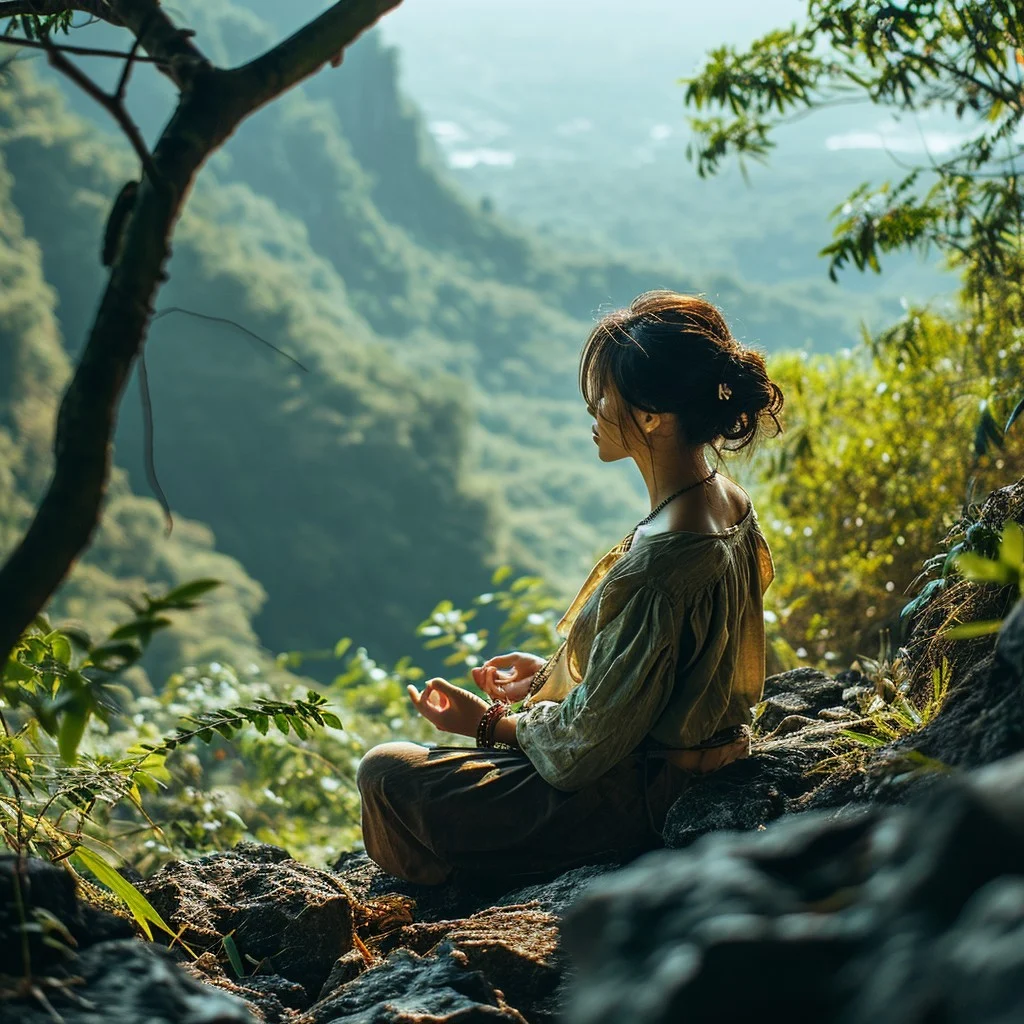
Your Sri Lanka Solo Adventure Awaits
Meet like-minded travelers · Explore ancient wonders · Create unforgettable memories
World Tourism Day 2026: Theme, Date, History & Global Significance
World Tourism Day 2026: Theme, Date, History & Why It Matters
Every year on September 27, the world comes together to celebrate travel. World Tourism Day is more than a date on the calendar it is a global reminder of tourism’s extraordinary power to transform lives, communities, and destinations.
In 2026, as the world emerges into a new era of travel, World Tourism Day takes on renewed significance. This guide explains everything you need to know about World Tourism Day 2026 its date, theme, history, and why it matters more than ever.
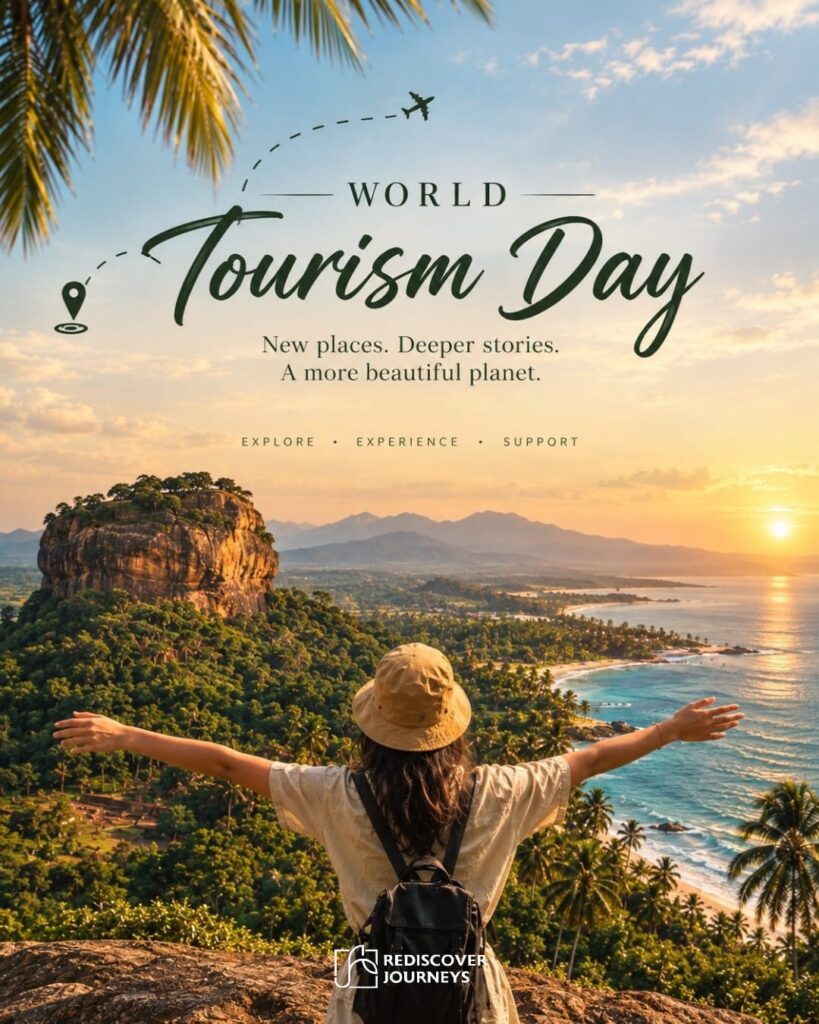
What Is World Tourism Day?
World Tourism Day is celebrated annually on September 27. Established by the United Nations World Tourism Organization (UNWTO) in 1980, the day is designed to foster awareness of tourism’s social, cultural, political, and economic value.
The date of September 27 was chosen because it marks the end of the tourism season in the Northern Hemisphere and the beginning of the season in the Southern Hemisphere a moment of transition that symbolises tourism’s global reach.
Each year, World Tourism Day has a different theme, focusing on tourism’s role in:
-
Sustainable development
-
Cultural preservation
-
Community empowerment
-
Environmental protection
-
Global understanding
World Tourism Day 2026: Date & Theme
Date
World Tourism Day 2026 is celebrated on September 27, 2026.
Theme
The theme of World Tourism Day 2026 focuses on tourism’s role in sustainable development, community empowerment, and the power of travel to transform.
The theme reflects a growing global recognition that tourism, done well, can be a force for good creating jobs, supporting communities, preserving culture, and protecting the environment.
Host Country
Each year, a different country hosts the official World Tourism Day celebrations. The host country for 2026 is announced by the UNWTO.
The History of World Tourism Day
Origins
World Tourism Day was established by the United Nations World Tourism Organization (UNWTO) in 1980. The first World Tourism Day was celebrated on September 27, 1980.
The date was chosen for a specific reason: September 27 marks the end of the tourism season in the Northern Hemisphere and the beginning of the season in the Southern Hemisphere. This transition symbolises tourism’s global reach connecting the world across hemispheres and cultures.
Why It Matters
World Tourism Day was created to:
-
Raise awareness of tourism’s importance
-
Promote sustainable tourism practices
-
Encourage cultural exchange and understanding
-
Highlight tourism’s role in economic development
-
Celebrate the diversity of destinations worldwide
Milestones
| Year | Milestone |
|---|---|
| 1980 | First World Tourism Day celebrated |
| 1997 | UNWTO General Assembly establishes formal framework |
| 2003 | First global campaign focusing on sustainable tourism |
| 2017 | International Year of Sustainable Tourism for Development |
| 2020 | World Tourism Day focuses on tourism’s recovery from COVID-19 |
| 2026 | World Tourism Day focuses on transformation and sustainability |
Why World Tourism Day Matters
1. Tourism Is a Global Economic Force
Tourism is one of the world’s largest industries. Before the COVID-19 pandemic, tourism accounted for:
-
10% of global GDP
-
1 in 10 jobs worldwide
-
$1.7 trillion in exports
For many countries including Sri Lanka tourism is a vital source of income, employment, and development.
2. Tourism Supports Communities
Tourism, done well, transforms communities. It creates jobs, supports local businesses, and preserves cultural heritage.
How tourism supports communities:
-
Employment guides, drivers, hotel staff, artisans, chefs
-
Local businesses tea estates, spice gardens, family-run restaurants
-
Cultural preservation temples, traditional crafts, performing arts
-
Conservation national parks, wildlife protection, reforestation
3. Tourism Connects Cultures
Travel builds bridges between cultures. It fosters understanding, empathy, and respect values that are increasingly important in a divided world.
As the UNWTO puts it, “Tourism can be a powerful force for good creating opportunities, building bridges, and transforming lives.”
4. Tourism Can Be Sustainable
Tourism has the potential to be sustainable benefiting both travellers and destinations. But this requires conscious effort from everyone involved: governments, businesses, communities, and travellers themselves.
Sustainable tourism means:
-
Protecting natural environments
-
Preserving cultural heritage
-
Supporting local economies
-
Managing visitor numbers
-
Reducing carbon footprints
5. Tourism Transforms Travellers
Travel changes us. It broadens our perspectives, challenges our assumptions, and connects us to people and places we might never have known.
What travel gives us:
-
Perspective seeing how others live reminds us of what matters
-
Connection meeting people from different cultures builds empathy
-
Growth stepping outside our comfort zones makes us more resilient
-
Memories experiences become the stories we tell for a lifetime
World Tourism Day 2026: How to Celebrate
1. Travel Responsibly
If you’re travelling on World Tourism Day or any day choose responsible options:
-
Choose local boutique hotels, family-run restaurants, local guides
-
Travel slowly stay longer in fewer places
-
Respect wildlife maintain safe distances, never feed animals
-
Reduce plastic carry a reusable water bottle
-
Support communities buy from local artisans
2. Share Your Travel Stories
World Tourism Day is a celebration of travel. Share your stories, photos, and memories on social media using the hashtags:
-
#WorldTourismDay
-
#WTD2026
-
#TravelThatTransforms
3. Learn About Sustainable Tourism
Take time to learn about sustainable tourism what it means, why it matters, and how you can contribute.
4. Support Tourism Communities
If you can’t travel, you can still support tourism communities by:
-
Buying from local artisans online
-
Donating to conservation organisations
-
Sharing travel content that promotes responsible tourism
5. Plan Your Next Trip
World Tourism Day is the perfect time to start planning your next journey. Where will your travels take you?
Sri Lanka: A Destination Rediscovered
World’s No. 1 Island Destination 2026
In 2026, Sri Lanka was named the World’s No. 1 Island Destination by Big 7 Travel, topping a list that included Mo’orea, Socotra, Madeira, and the Galápagos Islands. The publication praised the island’s remarkable diversity golden beaches, lush tea plantations, ancient temples, mist-covered mountains, and world-renowned wildlife experiences.
Sri Lanka was also recognised as:
-
No. 1 Trending Wellness Destination by BookRetreats.com
-
Top 10 Happiest Travel Destinations by G Adventures
-
Top 5 Places to Visit in Asia by U.S. News & World Report
-
Jaffna Among Top 25 Destinations by Lonely Planet
A 365-Day Destination
Sri Lanka is renowned as a 365-day destination for modern travellers seeking adventure and diverse experiences. The island’s two monsoon systems mean some part of the country is always in season.
Sustainable Tourism in Sri Lanka
Sri Lanka is committed to sustainable tourism. The island offers:
-
Ethical wildlife encounters national parks with strict conservation standards
-
Community-based tourism village experiences, homestays, local guides
-
Cultural preservation ancient sites, temples, traditional crafts
-
Environmental protection national parks, marine reserves, reforestation
At Rediscover Journeys, we believe in travel that benefits both travellers and destinations. We prioritise ethical wildlife encounters, community engagement, environmental responsibility, and cultural respect.
Frequently Asked Questions
When is World Tourism Day 2026?
World Tourism Day 2026 is celebrated on September 27, 2026.
What is the theme of World Tourism Day 2026?
The theme of World Tourism Day 2026 focuses on tourism’s role in sustainable development, community empowerment, and the power of travel to transform.
What is World Tourism Day?
World Tourism Day is celebrated annually on September 27. It was established by the United Nations World Tourism Organization (UNWTO) in 1980 to foster awareness of tourism’s social, cultural, political, and economic value.
Why is World Tourism Day celebrated on September 27?
September 27 was chosen because it marks the end of the tourism season in the Northern Hemisphere and the beginning of the season in the Southern Hemisphere a moment of transition that symbolises tourism’s global reach.
What is the history of World Tourism Day?
World Tourism Day was established by UNWTO in 1980. The first World Tourism Day was celebrated on September 27, 1980. Since then, it has become a global event, celebrated in countries around the world.
Why does World Tourism Day matter?
World Tourism Day matters because tourism is a global economic force, supports communities, connects cultures, and can be sustainable. It also transforms travellers broadening perspectives and building empathy.
How can I celebrate World Tourism Day?
You can celebrate World Tourism Day by travelling responsibly, sharing your travel stories, learning about sustainable tourism, supporting tourism communities, and planning your next trip.
What is sustainable tourism?
Sustainable tourism is travel that minimises negative impacts and maximises positive impacts on the environment, communities, and local economies.
How can I travel sustainably?
You can travel sustainably by choosing local, travelling slowly, respecting wildlife, reducing plastic, supporting communities, and being culturally sensitive.
Why is Sri Lanka a top destination in 2026?
Sri Lanka was named the World’s No. 1 Island Destination by Big 7 Travel in 2026. It was also recognised as the No. 1 Trending Wellness Destination, a Top 10 Happiest Travel Destination, and a Top 5 Place to Visit in Asia.
What is the best time to visit Sri Lanka?
Sri Lanka can be visited year-round. December to March is best for the Cultural Triangle, hill country, and south coast. May to September is best for the east coast.
How do I book a sustainable Sri Lanka tour?
Contact Rediscover Journeys to start planning your journey. We will design a bespoke itinerary that reflects your interests and values, with responsible practices at its core.
Celebrate World Tourism Day 2026
World Tourism Day is a reminder of travel’s extraordinary power to transform travellers, support communities, and protect destinations. This September 27, join us in celebrating the power of travel to transform.
Rediscover Sri Lanka. Rediscover yourself.
Ready to plan your journey? Contact our local experts to design a bespoke, sustainable Sri Lanka tour.
-
🌐 Website: rediscoversrilanka.com
-
💬 WhatsApp: +94 77 791 1276
-
📧 Email: [email protected]
Rediscover Journeys Boutique Sri Lanka Tour Operator & Travel Agency
Trustpilot 4.9/5 (192 reviews) | TripAdvisor Travellers’ Choice 2025 | SLTDA-licensed
35+ years collective Sri Lanka expertise | Private chauffeur-guide | Sustainable, bespoke journeys
Book Your Adventure
Ready to experience this coastal paradise? Plan your trip with Rediscover Journeys and create unforgettable memories at Hiriketiya Beach.
📩 Visit: Rediscover Journeys to book now.
Contact Us Today!
Ready to plan your dream group tour in Sri Lanka? Let us help you craft the perfect itinerary for a truly magical experience.
👉 Contact Rediscover Journeys now to explore our Sri Lanka group tour packages, designed for families, solo travelers, and adventure seekers alike.
Reviews and Recommendations
Don't just take our word for it! Check out these incredible reviews from past travelers:
Read about other travelers' experiences on TripAdvisor, where Rediscover Journeys has garnered rave reviews for its safe and well-organized tours.
Read ReviewsVisit Trustpilot for more real-life testimonials from travelers who have fallen in love with Sri Lanka's beauty and hospitality.
Read ReviewsExplore Related Topics

Frequently Asked Questions
Everything you need to know about traveling in Sri Lanka