Everything You Need to Know About Beyond Sustainable Tourism: Why Regenerative Travel Is the Future of Sri Lanka
Beyond Sustainable Tourism: Why Regenerative Travel Is the Future of Exploring Sri Lanka Beyond Sustainable Tourism: Why Regenerative Travel Is the Future of Exploring Sri Lanka Travel has always been about discovery – new places, cultures, people, and experiences that leave lasting memories. Yet as global tourism continues to grow, so does the responsibility that …
Beyond Sustainable Tourism:
Why Regenerative Travel Is the Future of Exploring Sri Lanka
Beyond Sustainable Tourism: Why Regenerative Travel Is the Future of Exploring Sri Lanka
Travel has always been about discovery – new places, cultures, people, and experiences that leave lasting memories. Yet as global tourism continues to grow, so does the responsibility that comes with exploring the world. Today’s travelers are asking a different question before they book a trip, How can my journey make a positive impact?
This shift has given rise to one of the most influential travel movements of our time, regenerative tourism.
Unlike sustainable tourism, which focuses on minimizing environmental and social harm, regenerative tourism goes one step further. It encourages travelers, businesses, and local communities to actively restore, protect, and enrich the destinations they visit, ensuring that future generations inherit places that are healthier, more resilient, and culturally vibrant.
For a destination like Sri Lanka renowned for its biodiversity, ancient heritage, and warm hospitality regenerative travel isn’t just a trend. It represents a meaningful way forward.
Understanding Regenerative Tourism
For years, sustainable tourism has encouraged travelers to reduce waste, conserve resources, and respect local communities. These principles remain essential, but regenerative tourism introduces a broader vision.
Rather than asking, “How can we reduce our footprint?” regenerative tourism asks:
“How can our visit leave this destination better than we found it?”
This philosophy focuses on creating positive environmental, cultural, and economic outcomes through every aspect of travel.
Examples include:
- Supporting locally owned accommodations and businesses.
- Participating in conservation initiatives.
- Choosing authentic cultural experiences led by local communities.
- Respecting wildlife and natural ecosystems.
- Contributing directly to local livelihoods rather than large international chains.
The goal is to create a cycle where tourism becomes a force for restoration rather than simply consumption.
Why Travelers Are Choosing Regenerative Experiences
Modern travelers are increasingly seeking meaningful experiences over packed itineraries.
Instead of simply ticking destinations off a bucket list, they want to:
- Connect with local communities.
- Learn traditional crafts and customs.
- Explore untouched natural environments responsibly.
- Support conservation and ethical tourism initiatives.
- Leave behind a positive legacy.
Research across the travel industry shows that authenticity has become one of the most important factors influencing travel decisions. Visitors want stories they can remember—not just photographs they can share.
Regenerative travel answers that desire by creating experiences that benefit both visitors and the destinations they explore.
Why Sri Lanka Is Naturally Suited for Regenerative Tourism
Few destinations offer the diversity that Sri Lanka does within such a compact island.
From mist-covered mountains and lush rainforests to ancient cities, wildlife reserves, and coastal communities, Sri Lanka provides countless opportunities for travelers to experience nature and culture in meaningful ways.
Regenerative travel comes naturally here because many local experiences already emphasize connection rather than consumption.
Experience Community-Based Tourism
Spending time in rural villages offers visitors an opportunity to understand local traditions while directly supporting family-run businesses and artisans.
Support Wildlife Conservation
Sri Lanka is home to elephants, leopards, whales, sea turtles, and hundreds of endemic bird species.Choosing ethical wildlife experiences helps protect these remarkable ecosystems while encouraging responsible conservation efforts.
Stay in Eco-Conscious Accommodations
Many boutique hotels and eco-lodges across the island are reducing their environmental impact through renewable energy, rainwater harvesting, organic farming, and community partnerships.These stays allow travelers to experience comfort while supporting responsible tourism practices.
Celebrate Local Culture
From traditional dance performances and pottery workshops to cinnamon cultivation and tea production, Sri Lanka offers authentic cultural experiences that preserve centuries-old traditions while creating sustainable livelihoods.
Small Choices Create Lasting Impact
Regenerative tourism isn’t about making dramatic sacrifices.Often, it’s the small choices that create the greatest difference.
Travelers can contribute simply by:
- Choosing locally owned accommodations.
- Dining at family-run restaurants.
- Purchasing handmade crafts directly from artisans.
- Hiring licensed local guides.
- Respecting wildlife by observing from a safe distance.
- Carrying reusable water bottles and reducing plastic waste.
- Learning a few local customs before visiting.
These simple decisions strengthen local economies while protecting Sri Lanka’s natural and cultural heritage.
The Future of Travel Is About Connection
The definition of luxury in travel is evolving.Today’s most memorable journeys aren’t necessarily those with the most expensive hotels or the busiest itineraries ,they’re the ones that foster genuine connections.
- Connection with nature.
- Connection with culture.
- Connection with local communities.
- Connection with purpose.
Regenerative tourism encourages us to see destinations not as products to consume, but as living places that deserve care, respect, and appreciation.
When travelers embrace this mindset, every journey becomes an opportunity to contribute positively to help preserve traditions, protect ecosystems, and strengthen communities.
Final Thoughts
Sri Lanka has long been celebrated for its breathtaking landscapes, rich cultural heritage, and welcoming people. As global travel continues to evolve, the island is uniquely positioned to embrace the principles of regenerative tourism—offering experiences that not only inspire visitors but also create lasting benefits for the communities and environments that make the destination so special.
At Rediscover Journeys Sri Lanka, we believe that travel should do more than create unforgettable memories it should help preserve the places we cherish. By choosing thoughtful, authentic, and responsible experiences, every traveler has the opportunity to become part of Sri Lanka’s ongoing story.
Because the most meaningful journeys don’t simply change the traveler they leave a positive mark on the destination as well.
Why This Topic?
Regenerative tourism is one of the fastest-growing trends in the global travel industry. Today’s travelers are looking for experiences that not only minimize their impact but also positively contribute to local communities, culture, and the environment. As Sri Lanka is rich in biodiversity, heritage, and authentic local experiences, this topic naturally aligns with what the destination offers.
From an SEO perspective, keywords such as regenerative tourism, responsible travel, sustainable tourism Sri Lanka, and eco-tourism are gaining popularity in online searches. Publishing content around these topics can improve Rediscover Journeys Sri Lanka’s search engine visibility and attract travelers actively looking for meaningful and responsible travel experiences.
For Rediscover Journeys Sri Lanka, this blog helps position the company as a knowledgeable and responsible travel brand, builds trust with potential customers, drives organic website traffic, and strengthens its reputation as a provider of authentic, sustainable travel experiences.
Contact Us Today!
Ready to plan your dream journey in Sri Lanka? Let us help you craft the perfect itinerary for a truly memorable experience.
Contact Rediscover Sri Lanka to explore our tailor-made journeys, private tours and authentic Sri Lankan experiences.
Contact UsReviews and Recommendations.
Don't just take our word for it! Check out these incredible reviews from past travellers.
Read about other travellers' experiences with Rediscover Sri Lanka and explore reviews from guests who have travelled across the island.
Read ReviewsDiscover feedback from travellers who have experienced Rediscover Journeys and explored Sri Lanka with our team.
Read ReviewsBook Your Adventure.
Ready to experience Sri Lanka beyond the usual tourist trail? Let us create a private journey around your interests, pace and travel style.
Ready to Rediscover Sri Lanka?
Plan your trip with Rediscover Sri Lanka and create unforgettable memories at some of the island's most extraordinary places.
Visit Rediscover Sri Lanka to start planning your journey.
Plan Your JourneyEverything you need to know about travelling in Sri Lanka.
Sri Lanka is a year-round destination, with the best time to visit depending on the regions you plan to explore. The west and south coasts are generally best from December to April, while the east coast is ideal from May to September. The central highlands offer cooler weather and scenic landscapes throughout much of the year.
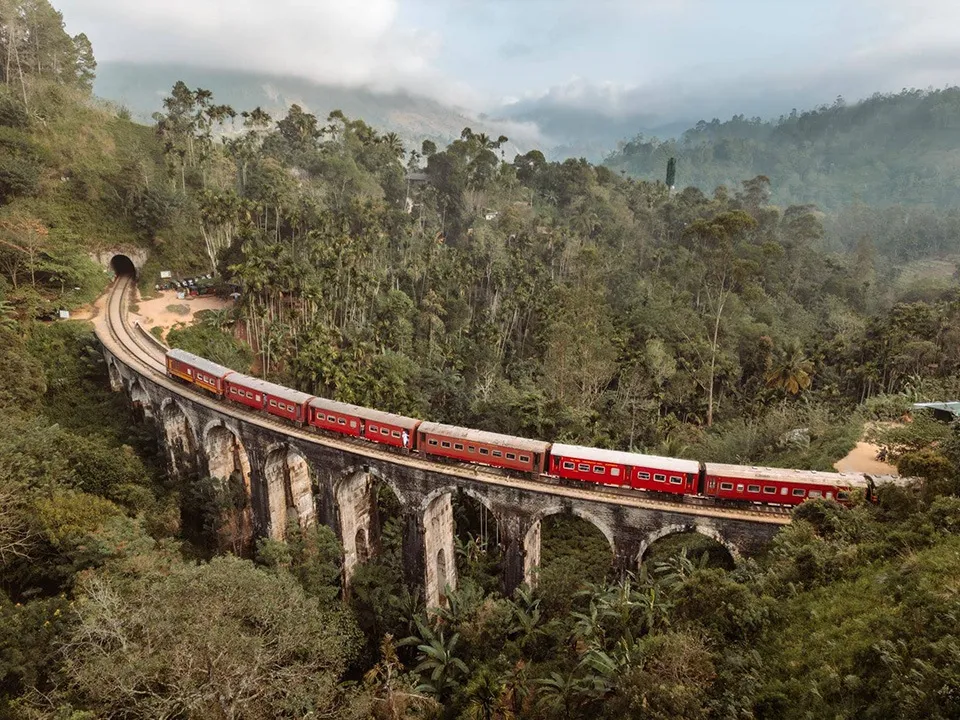
A journey of 7 to 14 days allows you to experience many of Sri Lanka’s highlights at a comfortable pace. You can combine ancient cultural sites, wildlife safaris, scenic train journeys, tea country, and tropical beaches. A longer stay gives you more time to discover hidden gems and enjoy meaningful local experiences.
Sri Lanka offers a remarkable variety of destinations, from the ancient cities of Sigiriya and Polonnaruwa to the misty hills of Ella and Nuwara Eliya. Wildlife enthusiasts can explore Yala and Udawalawe National Parks, while the southern coast offers beautiful beaches and historic Galle Fort. The best places to visit depend on your interests, travel dates, and preferred pace.
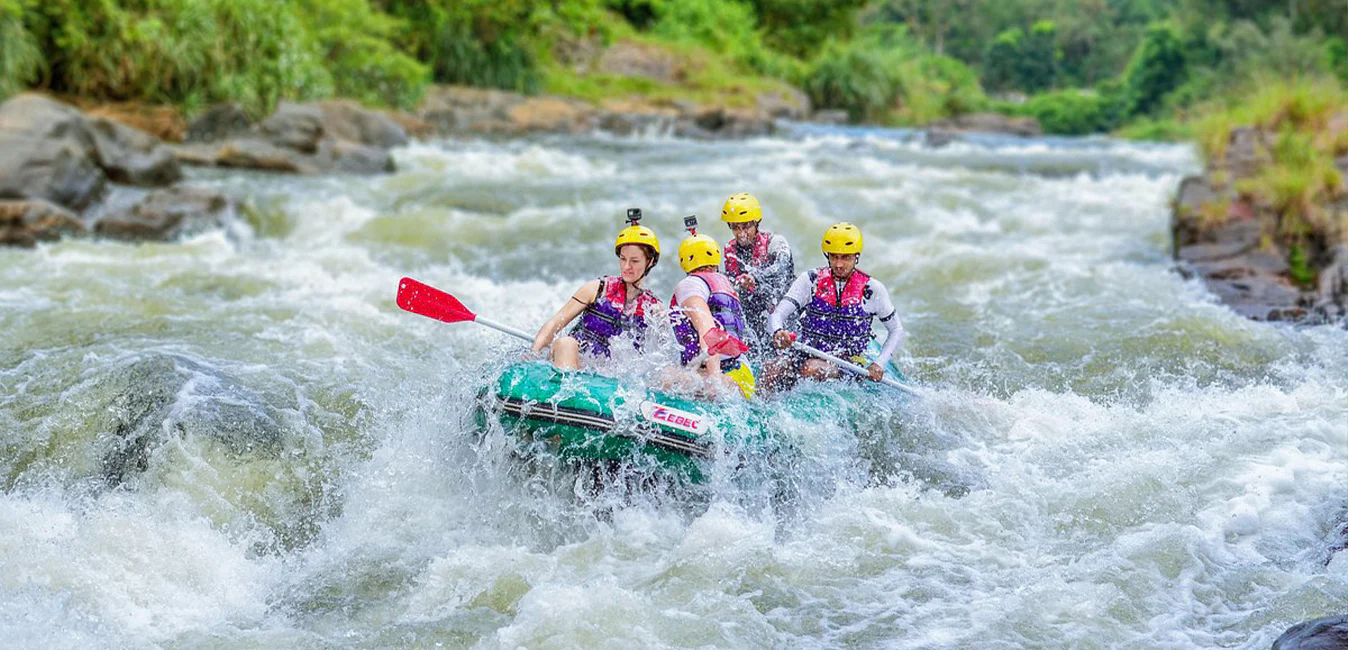
Absolutely. Sri Lanka is home to diverse ecosystems, national parks, rainforests, wetlands, and mountain landscapes. Visitors can look for elephants, leopards, and a wide variety of birdlife on guided wildlife safaris, explore lush nature trails, or discover marine life along the coast. Responsible travel and following local wildlife guidelines help protect these natural environments.
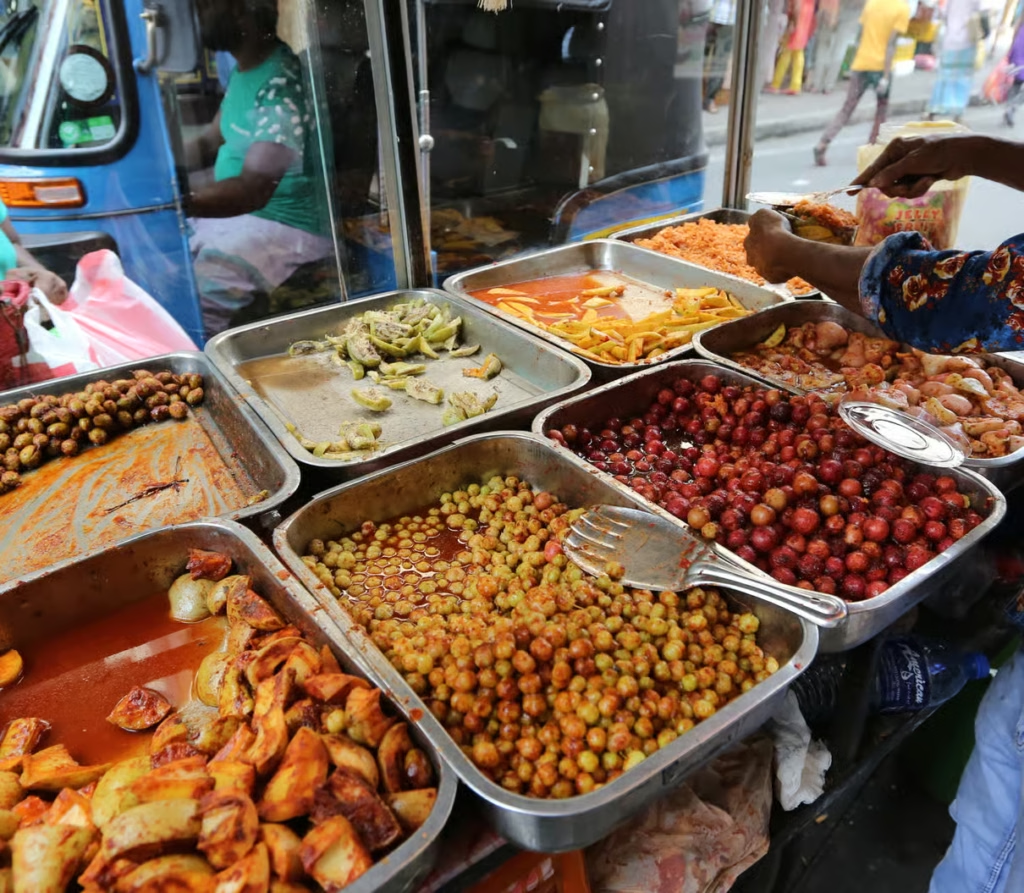
Travellers can discover centuries-old temples, ancient kingdoms, traditional arts and crafts, vibrant festivals, and the island’s rich culinary heritage. Experiences may include visiting local markets, learning about traditional cooking, exploring historic landmarks, or meeting local communities. These encounters offer a deeper understanding of Sri Lanka’s traditions, people, and way of life.
Before travelling, consider the seasonal weather, regional travel times, local customs, appropriate clothing for religious sites, and entry requirements for your nationality. Sri Lanka’s landscapes and road conditions can make journeys longer than expected, so allowing time between destinations is worthwhile. Planning ahead helps you enjoy a more comfortable and rewarding experience.
The official currency is the Sri Lankan Rupee (LKR). Cards are accepted at many hotels, restaurants, and larger businesses, while cash is useful for local shops, markets, and smaller establishments. It is helpful to carry some local currency and check current exchange rates before your trip.
Yes. Sri Lanka offers experiences for a wide range of travellers, including families, couples, solo explorers, and groups of friends. Families can enjoy wildlife safaris, cultural discoveries, and relaxed beach stays, while couples may prefer scenic retreats, boutique hotels, and private experiences. An itinerary tailored to your interests can help create a more enjoyable journey.