Sri Lankan Greetings: How to Say Hello, Thank You & Goodbye in Sri Lanka (2026 Guide)
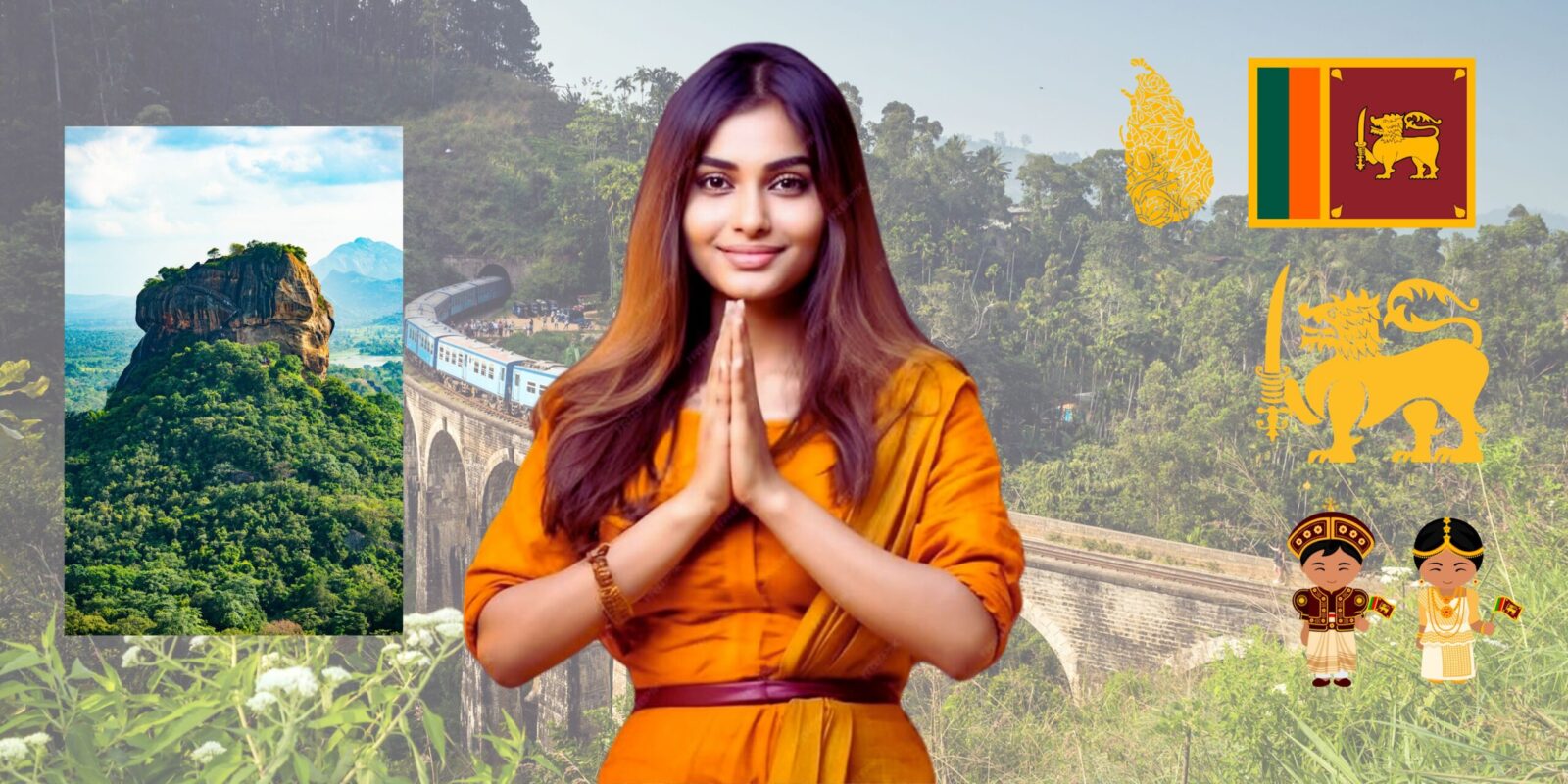
The most common Sri Lankan greeting is “Ayubowan” (ආයුබෝවන්), which means “may you live long.” Used with palms pressed together at the chest (Anjali Mudra), it is the traditional Sinhalese greeting used across Sri Lanka. In Tamil-speaking regions, the greeting is “Vanakkam” (வணக்கம்) — meaning “greetings” or “hello.”
Sri Lanka is an island nation known for its rich cultural heritage and warm hospitality — and understanding local greetings will transform your travel experience. Whether you’re visiting for the first time or returning, knowing how to greet people respectfully shows you value the culture.
This guide covers the most common Sri Lankan greetings, their meanings, and pronunciation tips — so you can connect better with locals and immerse yourself in the island’s traditions.
Quick Answer: Common Sri Lankan Greetings
1. Ayubowan (ආයුබෝවන්) — The Most Common Sri Lankan Greeting
“Ayubowan” is the most popular and widely recognised greeting in Sri Lanka. It translates to “may you live long” — a blessing of goodwill and respect.
This traditional Sinhalese greeting is often accompanied by the Anjali Mudra — palms pressed together in front of the chest, similar to the Indian “Namaste.”
When to Use Ayubowan
-
When greeting someone in person
-
As a polite farewell
-
In formal and informal settings
-
When entering a temple or home
Pronunciation
“Ah-yoo-bo-wan”
-
Ah — as in “father”
-
yoo — as in “you”
-
bo — as in “bow”
-
wan — as in “wander”
Tip: Draw out the “bo” slightly. The word should flow smoothly without hard consonants.
2. Vanakkam (வணக்கம்) — The Tamil Greeting
While “Ayubowan” is used in Sinhalese-speaking regions, “Vanakkam” is the greeting used by Tamil-speaking Sri Lankans. This word, rooted in Tamil culture, means “Greetings” or “Hello” and is often paired with a respectful bow or nod.
When to Use Vanakkam
-
In Tamil-speaking areas — especially the Northern and Eastern provinces
-
In Jaffna, Trincomalee, Batticaloa
-
As a casual greeting in everyday conversation
Pronunciation
“Vah-nak-kam”
-
Vah — as in “vah”
-
nak — as in “knock”
-
kam — as in “come”
Tip: The double “k” is pronounced clearly — not swallowed. Say it with warmth.
3. Subha Udesanak Wewa (සුභ උදෑසනක් වේවා) — Good Morning
“Subha Udesanak Wewa” means “Good morning” in Sinhala. It’s a friendly and polite way to greet someone as the day begins.
Sri Lankans tend to be early risers — starting the day with this greeting adds to the warm atmosphere of the morning.
When to Use
-
In the morning, before 12 PM
-
When meeting someone for the first time that day
-
At breakfast, at your hotel, or on the street
Pronunciation
“Su-ba U-desa-nak We-wa”
-
Su — as in “sue”
-
ba — as in “bah”
-
U — as in “oo”
-
desa — as in “day-sa”
-
nak — as in “knock”
-
We — as in “way”
-
wa — as in “wah”
Tip: This is a longer phrase — take your time. Locals appreciate the effort.
4. Subha Raatriyak (සුභ රාත්රියක්) — Good Night
As night falls, Sri Lankans wish each other a peaceful evening with “Subha Raatriyak” — meaning “Good night.” Whether you’re heading to bed or saying goodbye at the end of an evening, this greeting adds warmth to the night.
When to Use
Pronunciation
“Su-ba Raath-riyak”
Tip: The “r” is lightly rolled. Don’t stress about perfection — a sincere attempt is appreciated.
5. Heta Awasarai (හෙට ආවසාරයි) — See You Tomorrow
In Sinhala, “Heta Awasarai” means “See you tomorrow.” This is commonly used when parting ways with someone and confirming you will meet again the next day. It’s a friendly and informal way to say goodbye.
When to Use
-
When you expect to see someone the next day
-
With your chauffeur-guide at the end of the day
-
With hotel staff, guides, or new friends
Pronunciation
“He-ta A-wa-sa-rai”
-
He — as in “hey”
-
ta — as in “tah”
-
A — as in “ah”
-
wa — as in “wah”
-
sa — as in “sah”
-
rai — as in “rye”
Tip: This phrase is a warm way to end the day — especially with your guide.
6. How to Say “Thank You” in Sri Lanka
Being grateful is universal — and in Sri Lanka, the common way to express gratitude is by saying “Istuti” (ඉස්තුති) in Sinhala or “Nanri” (நன்றி) in Tamil.
It’s polite to express appreciation after receiving something — whether it’s a service, gift, or kindness.
When to Use
-
After receiving a gift or favour
-
When thanking someone for their time or effort
-
At the end of a meal
-
When your guide helps you
Pronunciation
Istuti (Sinhala): “Is-too-ti”
-
Is — as in “is”
-
too — as in “too”
-
ti — as in “tea”
Nanri (Tamil): “Naan-ri”
-
Naan — as in “nahn”
-
ri — as in “ree”
Tip: A smile accompanies “Istuti” beautifully. Combined with eye contact, it’s a sincere expression of gratitude.
7. Other Common Sri Lankan Greetings & Phrases
Note: Some spellings vary by source — “Istuti” and “Sthuthi” are both used for “thank you” in Sinhala.
The Anjali Mudra: The Gesture Behind the Greeting
Most Sri Lankan greetings are accompanied by the Anjali Mudra — palms pressed together in front of the chest, fingers pointing upward.
How to Do It
-
Bring your palms together at chest level
-
Keep fingers pointing upward
-
Slight bow of the head
-
Say “Ayubowan” or “Vanakkam” with a smile
Why it matters: This gesture is a sign of respect, humility, and goodwill. It’s used across Hindu, Buddhist, and Tamil traditions throughout South Asia.
Tip for travellers: Even if your pronunciation isn’t perfect, the gesture speaks volumes.
Cultural Etiquette: When and How to Greet
Formal vs Informal Greetings
Cultural Do’s and Don’ts
Do:
-
Use Ayubowan when in doubt — it works in almost any setting
-
Press palms together for respect
-
Smile genuinely
-
Make eye contact (but avoid prolonged stares)
-
Use the right hand when giving or receiving items
Don’t:
-
Use a firm Western-style handshake with the opposite gender unless they offer first
-
Touch someone’s head — it’s considered sacred
-
Point your feet at people or religious icons
-
Use your left hand to give or receive items
Why Greetings Matter in Sri Lanka
Sri Lankan greetings go beyond just a formality — they reflect the island’s rich cultural values of hospitality, respect, and warmth.
Understanding and using local greetings:
-
Deepens connections with locals
-
Enhances your travel experience
-
Shows respect for the island’s traditions
-
Opens doors to authentic experiences
-
Builds trust with your guides and hosts
Next time you visit Sri Lanka, try using a few of these greetings to start your journey on the right note. You’ll quickly discover that a simple “Ayubowan” or “Vanakkam” can go a long way in building positive relationships.
Frequently Asked Questions
How do you say hello in Sri Lanka?
The most common way to say hello in Sri Lanka is “Ayubowan” (Sinhala) — meaning “may you live long.” In Tamil-speaking regions, use “Vanakkam.”
What does Ayubowan mean?
Ayubowan translates to “may you live long” — a blessing of goodwill and respect. It is the traditional Sinhalese greeting used across Sri Lanka.
How do you say thank you in Sri Lanka?
In Sinhala: “Istuti” (ඉස්තුති). In Tamil: “Nanri” (நன்றி). Both express gratitude.
What is the difference between Ayubowan and Vanakkam?
Ayubowan is the Sinhalese greeting used by the majority Sinhalese population. Vanakkam is the Tamil greeting used in Tamil-speaking regions — especially the Northern and Eastern provinces.
How do you say goodbye in Sri Lanka?
Use “Ayubowan” for a general farewell, or “Heta Awasarai” (See you tomorrow) if you’ll meet again the next day.
Is it polite to shake hands in Sri Lanka?
Handshakes are becoming more common in urban and business settings. However, the traditional greeting is Ayubowan with the Anjali Mudra — palms pressed together. With the opposite gender, wait to see if they offer a hand first.
What is the Anjali Mudra?
The Anjali Mudra is the gesture of pressing palms together in front of the chest, fingers pointing upward. It accompanies traditional Sri Lankan greetings and is a sign of respect and humility.
How do you say “how are you?” in Sri Lanka?
In Sinhala: “Kohomada?” (කොහොමද?). In Tamil: “Eppadi irukkinga?”
Do I need to learn Sinhala or Tamil before visiting Sri Lanka?
No — English is widely spoken in tourism. However, learning a few greetings shows respect and enhances your experience. Start with Ayubowan and Istuti.
What should I avoid saying or doing in Sri Lanka?
Avoid touching someone’s head, pointing your feet at people, using your left hand to give or receive items, and public displays of affection. Dress modestly at religious sites.
Plan Your Sri Lanka Journey
If you’re looking for authentic travel experiences in Sri Lanka, let Rediscover Journeys craft the perfect itinerary for you. Don’t settle for the usual tourist spots — explore the unseen, the untouched, and the extraordinary.
Ready to plan your adventure? Contact our local experts to design a bespoke Sri Lanka journey that reflects your interests and pace.
Speak to our team:
Reviews and Recommendations
Don’t just take our word for it! Check out these incredible reviews from past travellers:
Rediscover Journeys — Boutique Sri Lanka Tour Operator & Travel Agency
Trustpilot 4.9/5 (192 reviews) | TripAdvisor Travellers’ Choice 2025 | SLTDA-licensed
17+ years collective Sri Lanka expertise | Private chauffeur-guide | Tailor-made journeys