
Your Sri Lanka Solo Adventure Awaits
Meet like-minded travelers · Explore ancient wonders · Create unforgettable memories
Jaffna Travel Guide 2026: Sri Lanka’s Untouched Northern Capital
Jaffna Travel Guide: Sri Lanka’s Untouched Northern Capital
Jaffna is the Sri Lanka most travellers never see and that is precisely its appeal.
While the south coast draws crowds and the Cultural Triangle fills with tour buses, the northern capital of Jaffna remains a world apart. Here, the air smells of salt and jasmine. Hindu temples rise in vivid colours against the sky. Fishing boats return at dawn, their catch destined for some of the finest seafood in Asia. And the people warm, proud, and deeply connected to their Tamil heritage welcome visitors with genuine hospitality.
In 2026, Jaffna was named among Lonely Planet’s Top 25 Destinations in its Best in Travel list. The secret is out. But Jaffna remains uncrowded, unhurried, and utterly authentic.
This guide explores everything you need to know to plan your journey to Sri Lanka’s northern capital.
Why Visit Jaffna?
Jaffna is unlike anywhere else in Sri Lanka. It is the cultural heart of the Tamil north a region with its own language, cuisine, festivals, and way of life. For travellers seeking authenticity, Jaffna offers an experience that feels genuinely different from the rest of the island.
What makes Jaffna special:
-
Hindu temples including the magnificent Nallur Kandaswamy Temple
-
Dutch colonial heritage the star-shaped Jaffna Fort
-
Unique cuisine Jaffna crab curry, Palmyrah products, and fresh seafood
-
Pristine beaches Casuarina Beach and the northern coastline
-
Warm Tamil culture vibrant markets, traditional crafts, and genuine hospitality
-
Off the beaten path few tourists, authentic experiences
Getting to Jaffna
By Air
Jaffna International Airport receives flights from Colombo and select international destinations. The flight takes approximately 1 hour.
By Train
The train from Colombo to Jaffna is a scenic journey through the heart of Sri Lanka. The journey takes approximately 7 hours and passes through some of the island’s most beautiful landscapes.
By Road
The drive from Colombo to Jaffna takes approximately 6.5–7.5 hours (360 km). The route passes through Anuradhapura and the Cultural Triangle, making it easy to combine with other destinations.
Travel Tip: A private chauffeur-guide is the most comfortable way to reach Jaffna. Your guide can break the journey at points of interest and handle all logistics.
Where to Stay in Jaffna
Fox Jaffna by Fox Resorts
Fox Jaffna is a boutique hotel that offers a comfortable base for exploring the northern capital. The hotel features Deluxe Rooms with modern amenities, a restaurant serving local and international cuisine, and warm hospitality.
Details:
-
Location: Jaffna
-
Room Type: Deluxe Room (Double)
-
Meal Plan: Bed and Breakfast
-
Best For: Couples, solo travellers, and small groups
Why We Recommend It: Fox Jaffna offers the perfect balance of comfort and authenticity, with easy access to all the attractions in and around Jaffna.
The Best Things to Do in Jaffna
1. Explore Jaffna Fort
Jaffna Fort is one of the most significant historical landmarks in Northern Sri Lanka. Located close to the Jaffna Lagoon, the fort offers a fascinating glimpse into the region’s colonial history.
The History:
Originally built by the Portuguese in the early 17th century, the fort was later expanded and strengthened by the Dutch, who introduced the distinctive star-shaped layout and extensive defensive walls that can still be seen today.
What to See:
-
Ramparts walk along the massive walls with panoramic views of the lagoon
-
Historic buildings remains of gateways, defensive structures, and the former Dutch church
-
Lagoon views beautiful photography opportunities
Duration: 1 hour
Difficulty: Easy to Moderate
2. Visit Nallur Kandaswamy Temple
Nallur Kandaswamy Temple is one of the most important Hindu temples in Jaffna and a significant centre of Tamil religious and cultural heritage.
The Temple:
Dedicated to Lord Murugan, the temple is renowned for its impressive golden-coloured entrance tower, traditional Dravidian architecture, and beautifully decorated interiors. Visitors can observe devotees taking part in daily rituals and experience the peaceful yet vibrant atmosphere.
Visitor Guidelines:
-
Men: Required to remove their shirts when entering the temple
-
Women: Should wear modest clothing covering knees and shoulders; a shawl may be carried for additional coverage
-
All visitors: Remove footwear before entering; follow temple customs and photography guidelines
Duration: 30 minutes
Difficulty: Easy
3. Experience Jaffna Local Fish Market
Jaffna Local Fish Market offers an authentic glimpse into the region’s coastal life and fishing traditions.
The Experience:
Located close to the coastal fishing areas, the market comes alive when local fishermen return with their daily catch. Stalls display a wide variety of fresh fish, crabs, prawns, cuttlefish, and other seasonal seafood.
What to See:
-
Traditional methods observe sorting, cleaning, weighing, and selling
-
Local fishermen meet the people behind the catch
-
Fresh seafood reflecting the richness of the surrounding waters
Best Time: 6:00–8:00 a.m., when the market is at its busiest
Duration: 20 minutes
Difficulty: Easy
4. Explore Jaffna Local Market (Palmyrah Experience)
Jaffna Local Market is a lively meeting place for local residents, farmers, and small-scale vendors and the best place to discover Palmyrah products.
What to See:
-
Fresh fruits and vegetables from the surrounding region
-
Spices local and traditional
-
Palmyrah products jaggery, treacle, flour, sweets, snacks, woven items, and handicrafts
-
Traditional snacks local specialities
Why Palmyrah Matters:
The Palmyrah palm has long been closely connected with the daily life of the Jaffna community, with different parts of the tree traditionally used for food, household items, and handicrafts.
Duration: 30–45 minutes
Difficulty: Easy
5. Explore Jaffna City
Discover the heart of Jaffna with a visit to its most iconic landmarks.
Manthiri Manai (Minister’s Palace):
A historic building in the heart of Jaffna and one of the remaining examples of traditional colonial-era architecture. Features distinctive arches, verandas, and decorative details.
Sangiliyan Arch:
A small but significant historical landmark associated with King Sangiliyan, one of the last rulers of the Jaffna Kingdom.
Jaffna Museum:
Offers an introduction to the rich archaeological, cultural, and historical heritage of Northern Sri Lanka, with traditional objects, religious artefacts, and ancient manuscripts.
Jaffna Public Library:
One of the most recognizable cultural landmarks in the city. Its distinctive white architecture and extensive collection have made it an important symbol of knowledge and Tamil literary heritage.
Jaffna Clock Tower:
A well-known landmark dating back to the colonial period, built in the late 19th century.
Duration: 3 hours
Difficulty: Easy
6. Traditional Fishing Experience
Set out in the afternoon for a traditional fishing experience with local fishermen.
The Experience:
You will be given safety gear like life jackets and goggles, and a local interpreter will join to help with communication. Board a traditional fishing boat and head into the coastal waters.
What to Expect:
-
Local marine environment the fishermen will show you their traditional fishing techniques
-
Underwater viewing with your goggles, you can spot marine life
-
Catch of the day depending on the sea and your luck, you may catch crabs or cuttlefish
-
Fresh seafood meal your catch will be prepared using traditional methods and enjoyed by the sea
Duration: 4 hours
Difficulty: Easy to Moderate
7. Visit Keerimalai Sacred Springs by the Sea
Keerimalai is a peaceful coastal site on the northern tip of the Jaffna Peninsula, famous for its sacred freshwater springs located close to the sea.
The Experience:
According to local tradition, the springs are believed to have healing and spiritual significance, attracting devotees who come to bathe in the naturally occurring waters. The site is also closely associated with the Keerimalai Naguleswaram Kovil, one of the important Hindu temples in the Jaffna region.
Duration: 15 minutes
Difficulty: Easy
8. Point Pedro The Northern Tip of Sri Lanka
Point Pedro is located at the northernmost tip of Sri Lanka, where the island meets the Indian Ocean.
What to See:
-
Point Pedro Lighthouse explore the surrounding coastline
-
Scenic shoreline views across the sea
-
Traditional fishing communities authentic local life
-
Maritime heritage learn about the area’s history
Duration: 30 minutes
Difficulty: Easy
9. Discover Nilavarai The Natural Underground Water Well
Nilavarai is a fascinating natural landmark in the Jaffna Peninsula, famous for its deep underground freshwater well.
The Experience:
The well is notable for its unusually deep, clear water, with the underground water system believed to be connected to the limestone geology of the Jaffna Peninsula. Local communities have traditionally relied on groundwater sources such as Nilavarai for their daily water needs.
Duration: 15 minutes
Difficulty: Easy
10. Relax at Casuarina Beach
Casuarina Beach is one of the beautiful beaches on Karainagar Island, located off the coast of the Jaffna Peninsula.
The Experience:
Known for its calm, shallow turquoise waters and soft sandy shoreline, the beach offers a peaceful setting away from the busier parts of Jaffna. Surrounded by casuarina trees and a relaxed coastal atmosphere, it is an ideal place to unwind.
Duration: 1–2 hours
Difficulty: Easy
11. Jaffna Village Home Cooking Experience
Experience the authentic flavours and warm hospitality of Jaffna with a visit to a local village home.
The Experience:
Meet a friendly family and take part in preparing and enjoying a traditional Northern Sri Lankan meal. Learn about traditional Jaffna cooking methods and recipes passed down through generations.
What You’ll Prepare:
-
Soft handmade pittu a traditional Sri Lankan staple
-
Spicy Jaffna crab curry the region’s most famous dish
-
Flavourful fried prawns fresh from the sea
-
Seasonal vegetable curries local and fresh
-
Fresh coconut sambal a classic accompaniment
-
Traditional homemade payasam a popular sweet dessert
Duration: 2.5 hours
Difficulty: Easy
Jaffna’s Unique Cuisine
Jaffna’s cuisine is distinct from the rest of Sri Lanka, influenced by Tamil traditions and the region’s coastal location.
Must-Try Dishes:
-
Jaffna crab curry the region’s signature dish, rich and spicy
-
Palmyrah products jaggery, treacle, and sweets
-
Fresh seafood prawns, cuttlefish, and fish
-
Pittu steamed rice flour and coconut
-
Payasam a sweet dessert made with coconut milk and jaggery
When to Visit Jaffna
Jaffna can be visited year-round, but the best time is from May to September, when the rest of Sri Lanka’s south and west coasts are affected by the southwest monsoon. The north remains relatively dry during this period.
Note: The northeast monsoon affects Jaffna from October to January, bringing rain.
Sample Jaffna Itinerary: 3 Nights
| Day | Activities |
|---|---|
| Day 1 | Arrival, Jaffna Fort, relax at hotel |
| Day 2 | Fish market, Nallur Kandaswamy Temple, local market, city exploration, traditional fishing experience |
| Day 3 | Keerimalai, Point Pedro, Nilavarai, Casuarina Beach, village home cooking experience |
| Day 4 | Departure |
Hotel: Fox Jaffna by Fox Resorts (Deluxe Room, Bed and Breakfast)
Frequently Asked Questions
Where is Jaffna?
Jaffna is the capital of the Northern Province of Sri Lanka, located on the Jaffna Peninsula at the northern tip of the island.
How do I get to Jaffna?
Jaffna can be reached by air (1 hour from Colombo), train (7 hours), or road (6.5–7.5 hours). A private chauffeur-guide is the most comfortable option.
What is Jaffna known for?
Jaffna is known for its Hindu temples (especially Nallur Kandaswamy Temple), Dutch colonial heritage (Jaffna Fort), unique Tamil cuisine (Jaffna crab curry), Palmyrah products, and pristine beaches.
What is the best time to visit Jaffna?
The best time to visit Jaffna is from May to September, when the north remains relatively dry while the south and west coasts experience the southwest monsoon.
What should I wear when visiting Nallur Kandaswamy Temple?
Men are required to remove their shirts when entering the temple. Women should wear modest clothing covering knees and shoulders. All visitors must remove footwear.
What is Jaffna crab curry?
Jaffna crab curry is the region’s signature dish a rich, spicy curry made with fresh crab and a blend of Tamil spices. It is a culinary highlight of Northern Sri Lanka.
What is Palmyrah?
Palmyrah is a type of palm tree that is closely connected with the daily life of the Jaffna community. Different parts of the tree are used for food (jaggery, treacle, flour), household items, and handicrafts.
Is Jaffna safe for tourists?
Yes Jaffna is generally safe for tourists. The region has been peaceful for many years, and visitors are welcomed warmly. As with any destination, take standard precautions.
What is there to do in Jaffna?
Top attractions include Jaffna Fort, Nallur Kandaswamy Temple, Jaffna Local Fish Market, Jaffna Local Market (Palmyrah Experience), Keerimalai, Point Pedro, Nilavarai, Casuarina Beach, and a village home cooking experience.
How many days do I need in Jaffna?
Three nights is ideal for exploring Jaffna’s main attractions. This allows time for the fort, temples, markets, beaches, and a cooking experience.
Discover Jaffna Sri Lanka’s Untouched North
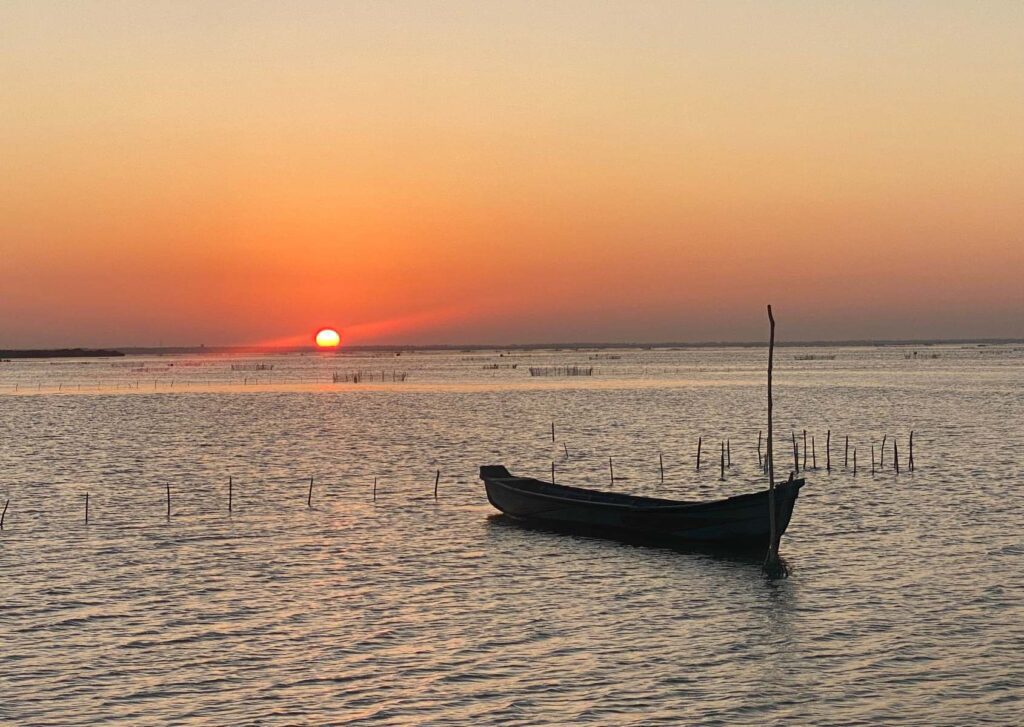
Jaffna is one of Sri Lanka’s most rewarding destinations a place where Tamil culture, colonial history, and coastal beauty combine to create an experience that feels genuinely different from the rest of the island. Whether you’re exploring ancient temples, tasting Jaffna crab curry, or simply watching the sun set over the lagoon, Jaffna will leave a lasting impression.
Ready to explore Jaffna? Contact our local experts to design a bespoke itinerary that includes the northern capital and its unique attractions.
-
🌐 Website: rediscoversrilanka.com
-
💬 WhatsApp: +94 77 791 1276
-
📧 Email: [email protected]
Book Your Dream Getaway to Sri Lanka Today!
Contact Us Today!
Ready to plan your dream group tour in Sri Lanka? Let us help you craft the perfect itinerary for a truly magical experience.
👉 Contact Rediscover Sri Lankanow to explore our Sri Lanka group tour packages, designed for families, solo travelers, and adventure seekers alike.
Reviews and Recommendations
Don’t just take our word for it! Check out these incredible reviews from past travelers:
- Tripadvisor: Read about other travelers’ experiences on Tripadvisor, where Rediscover Sri Lanka has garnered rave reviews for its safe and well-organized tours.
- Trustpilot: Visit Trustpilot for more real-life testimonials from travelers who have fallen in love with Sri Lanka’s beauty and hospitality.
Rediscover Journeys Boutique Sri Lanka Tour Operator & Travel Agency
Trustpilot 4.9/5 (192 reviews) | TripAdvisor Travellers’ Choice 2025 | SLTDA-licensed
35+ years collective Sri Lanka expertise | Private chauffeur-guide | Tailor-made tours
Book Your Adventure
Ready to experience this coastal paradise? Plan your trip with Rediscover Journeys and create unforgettable memories at Hiriketiya Beach.
📩 Visit: Rediscover Journeys to book now.
Contact Us Today!
Ready to plan your dream group tour in Sri Lanka? Let us help you craft the perfect itinerary for a truly magical experience.
👉 Contact Rediscover Journeys now to explore our Sri Lanka group tour packages, designed for families, solo travelers, and adventure seekers alike.
Reviews and Recommendations
Don't just take our word for it! Check out these incredible reviews from past travelers:
Read about other travelers' experiences on TripAdvisor, where Rediscover Journeys has garnered rave reviews for its safe and well-organized tours.
Read ReviewsVisit Trustpilot for more real-life testimonials from travelers who have fallen in love with Sri Lanka's beauty and hospitality.
Read ReviewsExplore Related Topics

Frequently Asked Questions
Everything you need to know about traveling in Sri Lanka