
Your Sri Lanka Solo Adventure Awaits
Meet like-minded travelers · Explore ancient wonders · Create unforgettable memories
Sri Lanka in Monsoon: Why the Wet Season Is Underrated | 2026 Guide
Sri Lanka in Monsoon: Why the “Wet Season” Is Underrated
The word “monsoon” strikes fear into the hearts of many travellers. It conjures images of relentless rain, flooded streets, and ruined holidays. But in Sri Lanka, the monsoon is not a disaster to be avoided it is a season to be understood, and in many ways, embraced.
Here is the truth that seasoned travellers know: Sri Lanka has two monsoons, not one. While one side of the island is wet, the other is dry and sunny. And even in the “wet” season, the rain rarely falls all day. It comes in bursts often in the afternoon or evening leaving mornings bright and beautiful.
This guide explains why Sri Lanka’s monsoon season is underrated, how to plan around it, and why it might just be the best time to visit.
Understanding Sri Lanka’s Two Monsoons
The single most important thing to understand about Sri Lanka’s weather is this: the island has two monsoon systems, and they affect opposite sides of the country at different times.
The Yala Monsoon (Southwest Monsoon)
| Detail | Information |
|---|---|
| When | May to September |
| Affected Regions | South coast, west coast, hill country |
| What It Means | Rain on the south and west coasts; dry and sunny on the east coast |
The Maha Monsoon (Northeast Monsoon)
| Detail | Information |
|---|---|
| When | October to January |
| Affected Regions | East coast, north |
| What It Means | Rain on the east coast; dry and sunny on the south and west coasts |
The key takeaway: No matter when you visit, some part of Sri Lanka will be sunny and welcoming. The island’s compact geography makes it easy to pivot to better conditions.
Why the Monsoon Is Underrated
1. Fewer Crowds
The “high season” (December to March) brings crowds to the south and west coasts. Hotels fill up, trains sell out, and popular sites like Sigiriya can feel overrun.
During the monsoon months, the crowds thin out. You’ll have more space at temples, more room on trains, and more flexibility with accommodation. For travellers who value peace and authenticity, this is a significant advantage.
2. Lower Prices
The law of supply and demand applies to travel. During the low season, hotels, tour operators, and activity providers lower their prices to attract visitors. You can often enjoy the same experiences for significantly less.
3. Lush Landscapes
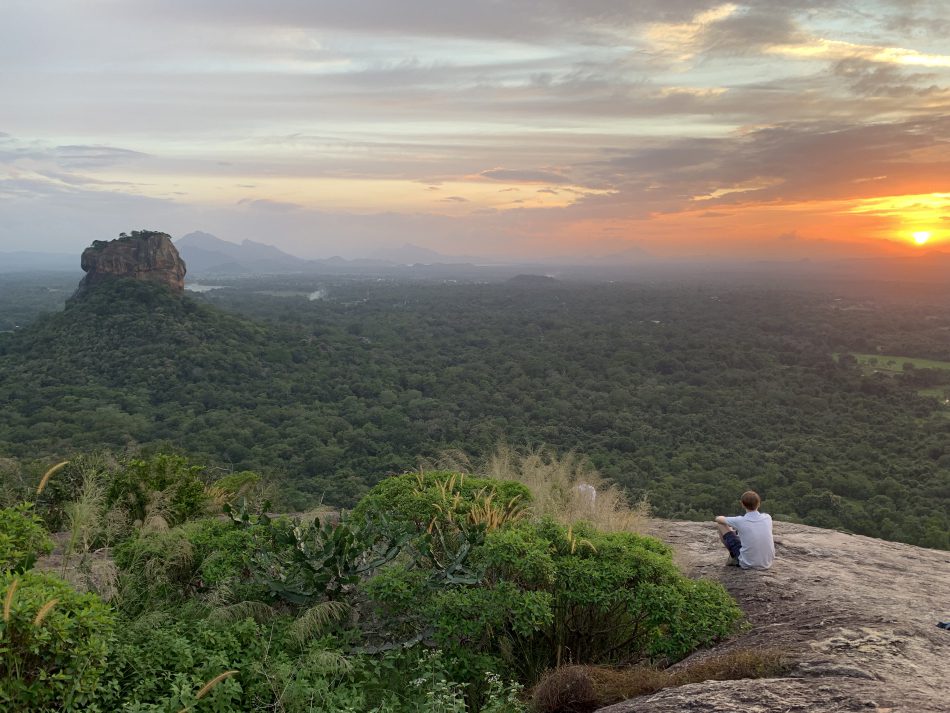
The monsoon transforms Sri Lanka’s landscapes. The hills become emerald green, waterfalls swell with water, and the tea plantations are at their most vibrant. For photographers and nature lovers, this is the most beautiful time of year.
4. Dramatic Skies
Monsoon skies are spectacular. Dramatic clouds, golden light, and rainbows create photographic opportunities that simply don’t exist in the dry season. The light is softer, the colours richer, and the atmosphere more atmospheric.
5. The East Coast’s Secret Season
While the south and west coasts are wet from May to September, the east coast is dry and sunny. Trincomalee, Arugam Bay, and Pasikuda offer beautiful beaches, calm waters, and world-class surfing without the crowds.
For travellers willing to think differently about their itinerary, the monsoon season opens up a different Sri Lanka.
6. Authentic Experiences
With fewer tourists, you’ll have more authentic interactions with locals. Markets are less crowded, restaurants are less busy, and you’ll feel less like a tourist and more like a traveller.
7. Rain Is Rarely All Day
Here’s the thing about monsoon rain in Sri Lanka: it usually doesn’t rain all day. Mornings are often bright and clear. Rain typically comes in the afternoon or evening, often in short, intense bursts. By evening, it’s often cleared again.
This means you can still enjoy morning safaris, temple visits, and beach time you just need to plan around the afternoon showers.
What to Expect Month by Month
May to September: Southwest Monsoon (Yala)
Affected: South coast, west coast, hill country
| Month | South/West Coast | East Coast |
|---|---|---|
| May | Rain increasing | Dry, sunny |
| June | Rain | Dry, sunny |
| July | Rain | Dry, sunny peak season |
| August | Rain | Dry, sunny |
| September | Rain easing | Dry, sunny |
Best For: East coast beaches, surfing, cultural triangle (which is dry year-round)
October to January: Northeast Monsoon (Maha)
Affected: East coast, north
| Month | East Coast | South/West Coast |
|---|---|---|
| October | Rain increasing | Transition |
| November | Rain | Transition |
| December | Rain | Dry, sunny peak season |
| January | Rain easing | Dry, sunny |
Best For: South and west coasts, hill country, cultural triangle
April and October: Transition Months
These months are unpredictable but often pleasant. Rain can fall anywhere, but so can sunshine. They’re good months for round-island travel, as no region is completely off-limits.
Where to Go During the Monsoon
May to September: Head East
When the south and west coasts are wet, the east coast is at its best.
Trincomalee
-
Beautiful beaches and calm waters
-
Snorkelling at Pigeon Island
-
Koneswaram Temple
-
Best from May to September
Arugam Bay
-
World-class surfing
-
Laid-back beach town
-
Best waves from April to October
-
Great for beginners and experienced surfers
Pasikuda
-
Calm, shallow waters perfect for families
-
Luxury resorts
-
Best from May to September
Kumana National Park
-
Remote wildlife park
-
Excellent birdwatching
-
Best from May to September
October to January: Head South and West
When the east coast is wet, the south and west coasts are dry and sunny.
Galle
-
UNESCO World Heritage fort
-
Boutique shops and restaurants
-
Best from November to April
Mirissa
-
Whale watching (November to April)
-
Beautiful beaches
-
Best from November to April
Bentota
-
Family-friendly beaches
-
Water sports
-
Best from November to April
Colombo
-
Cultural sites
-
Shopping and dining
-
Good year-round
Year-Round: The Cultural Triangle
The Cultural Triangle (Sigiriya, Polonnaruwa, Anuradhapura, Dambulla) is dry year-round. It’s a safe bet no matter when you visit.
Year-Round: The Hill Country
The hill country (Kandy, Nuwara Eliya, Ella) can be visited year-round. It’s cooler and mistier than the coast, but the tea plantations are beautiful in any season.
What to Pack for the Monsoon
Packing for the monsoon requires a little more thought than packing for the dry season. Here’s what you need:
| Item | Why |
|---|---|
| Light rain jacket | Essential for sudden showers |
| Small umbrella | Easier than a jacket in light rain |
| Waterproof bag | For camera, phone, and documents |
| Quick-dry clothing | Dries fast after getting wet |
| Waterproof sandals | For walking in wet conditions |
| Insect repellent | Mosquitoes breed in standing water |
| Sunscreen | The sun still shines between showers |
| Light layers | For cooler hill country evenings |
Pro Tip: Bring a dry bag for your electronics. Monsoon rain can be sudden and intense.
Tips for Travelling During the Monsoon
1. Be Flexible
The monsoon is unpredictable. Some days will be sunny; others will be wet. The key is to be flexible. If it’s raining on one coast, head to the other. If it’s raining in the morning, plan indoor activities and save the outdoor ones for later.
2. Plan Around the Rain
In Sri Lanka, rain often comes in the afternoon. Plan outdoor activities for the morning, and save indoor activities (museums, temples, cooking classes) for the afternoon.
3. Embrace the Rain
There’s something magical about experiencing a tropical downpour. Sit under a shelter with a cup of tea and watch the rain. It’s part of the experience.
4. Choose the Right Region
The most important tip: choose the right region for the season. If you’re travelling from May to September, go east. If you’re travelling from October to January, go south and west.
5. Book with a Local Expert
A local tour operator can help you plan around the weather. They know which regions are best at which times, and they can adjust your itinerary if conditions change.
6. Don’t Cancel
Many travellers cancel their Sri Lanka trip because of monsoon fears. Don’t. With the right planning, the monsoon can be a beautiful, rewarding time to visit.
The Monsoon in Context: What It’s Really Like
Let’s be honest: monsoon rain can be heavy. It can disrupt plans. It can make roads muddy and beaches less inviting.
But here’s what it’s not: it’s not constant. It’s not miserable. And it’s not a reason to cancel your trip.
What a monsoon day actually looks like:
-
Morning: Bright and sunny. Perfect for safaris, temple visits, and beach time.
-
Midday: Clouds build. The air feels heavy.
-
Afternoon: Rain arrives. Often heavy, but usually short. A good time for a nap, a massage, or a museum visit.
-
Evening: Rain clears. The air is fresh. Perfect for dinner and relaxation.
The takeaway: You can still have a full, rewarding day you just need to plan around the rain.
Frequently Asked Questions
What is the monsoon season in Sri Lanka?
Sri Lanka has two monsoon seasons. The southwest monsoon (Yala) affects the south and west coasts from May to September. The northeast monsoon (Maha) affects the east coast from October to January.
Is it worth visiting Sri Lanka during the monsoon?
Yes the monsoon season offers fewer crowds, lower prices, lush landscapes, and the chance to explore the east coast during its best season. Rain is rarely all day.
Where should I go in Sri Lanka during the monsoon?
From May to September, go to the east coast (Trincomalee, Arugam Bay, Pasikuda). From October to January, go to the south and west coasts (Galle, Mirissa, Bentota). The Cultural Triangle is good year-round.
Does it rain all day in Sri Lanka during the monsoon?
No rain typically comes in short, intense bursts, often in the afternoon or evening. Mornings are often bright and clear.
What should I pack for Sri Lanka during the monsoon?
Pack a light rain jacket, small umbrella, waterproof bag for electronics, quick-dry clothing, waterproof sandals, insect repellent, and sunscreen.
Can I still go on safari during the monsoon?
Yes the Cultural Triangle parks (Minneriya, Kaudulla) are good year-round. Yala is best from February to June. Udawalawe is good year-round.
Is the east coast really dry during the southwest monsoon?
Yes while the south and west coasts are wet from May to September, the east coast is dry and sunny. This is the best time to visit Trincomalee, Arugam Bay, and Pasikuda.
Should I cancel my Sri Lanka trip because of the monsoon?
No with the right planning, the monsoon can be a beautiful time to visit. Choose the right region, be flexible, and embrace the rain.
Experience Sri Lanka in Monsoon
The monsoon is not a reason to avoid Sri Lanka. It is a reason to visit differently to go east when others go south, to embrace the rain as part of the experience, and to discover a quieter, lusher, more authentic side of the island.
Ready to plan your monsoon-season adventure? Contact our local experts to design a bespoke itinerary that works with the weather, not against it.
-
🌐 Website: rediscoversrilanka.com
-
💬 WhatsApp: +94 77 791 1276
-
📧 Email: [email protected]
Book Your Dream Getaway to Sri Lanka Today!
Contact Us Today!
Ready to plan your dream group tour in Sri Lanka? Let us help you craft the perfect itinerary for a truly magical experience.
👉 Contact Rediscover Sri Lankanow to explore our Sri Lanka group tour packages, designed for families, solo travelers, and adventure seekers alike.
Reviews and Recommendations
Don’t just take our word for it! Check out these incredible reviews from past travelers:
- Tripadvisor: Read about other travelers’ experiences on Tripadvisor, where Rediscover Sri Lanka has garnered rave reviews for its safe and well-organized tours.
- Trustpilot: Visit Trustpilot for more real-life testimonials from travelers who have fallen in love with Sri Lanka’s beauty and hospitality.
Rediscover Journeys Boutique Sri Lanka Tour Operator & Travel Agency
Trustpilot 4.9/5 (192 reviews) | TripAdvisor Travellers’ Choice 2025 | SLTDA-licensed
35+ years collective Sri Lanka expertise | Private chauffeur-guide | Tailor-made tours
Book Your Adventure
Ready to experience this coastal paradise? Plan your trip with Rediscover Journeys and create unforgettable memories at Hiriketiya Beach.
📩 Visit: Rediscover Journeys to book now.
Contact Us Today!
Ready to plan your dream group tour in Sri Lanka? Let us help you craft the perfect itinerary for a truly magical experience.
👉 Contact Rediscover Journeys now to explore our Sri Lanka group tour packages, designed for families, solo travelers, and adventure seekers alike.
Reviews and Recommendations
Don't just take our word for it! Check out these incredible reviews from past travelers:
Read about other travelers' experiences on TripAdvisor, where Rediscover Journeys has garnered rave reviews for its safe and well-organized tours.
Read ReviewsVisit Trustpilot for more real-life testimonials from travelers who have fallen in love with Sri Lanka's beauty and hospitality.
Read ReviewsExplore Related Topics

Frequently Asked Questions
Everything you need to know about traveling in Sri Lanka