Everything You Need to Know About Scuba Diving in Sri Lanka: The Ultimate Guide to the Indian Ocean’s Best-Kept Secret
Scuba Diving in Sri Lanka: The Ultimate Guide to the Indian Ocean’s Best-Kept Secret Mysterious shipwrecks, day-glow reefs, warm water teeming with marine life, and a coastline stretching 1,600 kilometres – this is diving in Sri Lanka. Yet somehow, this teardrop-shaped island is often overlooked by the global dive community in favour of the Maldives, […]
Scuba Diving in Sri Lanka: The Ultimate Guide to the Indian Ocean’s Best-Kept Secret
Mysterious shipwrecks, day-glow reefs, warm water teeming with marine life, and a coastline stretching 1,600 kilometres – this is diving in Sri Lanka. Yet somehow, this teardrop-shaped island is often overlooked by the global dive community in favour of the Maldives, Indonesia, or the Seychelles.
That oversight is a mistake. Sri Lanka stands apart as the Indian Ocean’s premier wreck diving destination, with 76 documented dive sites concentrated along the southwest and south coasts between Colombo and Galle. With over 200 documented wrecks and warm water ranging from 20-30°C (68-86°F), adventurous divers can avoid the crowds at more popular locations and seek out diverse, lesser-known, intact sites.
Whether you’re a beginner looking for your first underwater breath, an experienced wreck diver seeking technical challenges, or simply someone who wants to swim alongside whale sharks and sea turtles, this complete guide to scuba diving in Sri Lanka covers everything you need to know.
Why Sri Lanka Deserves Your Attention
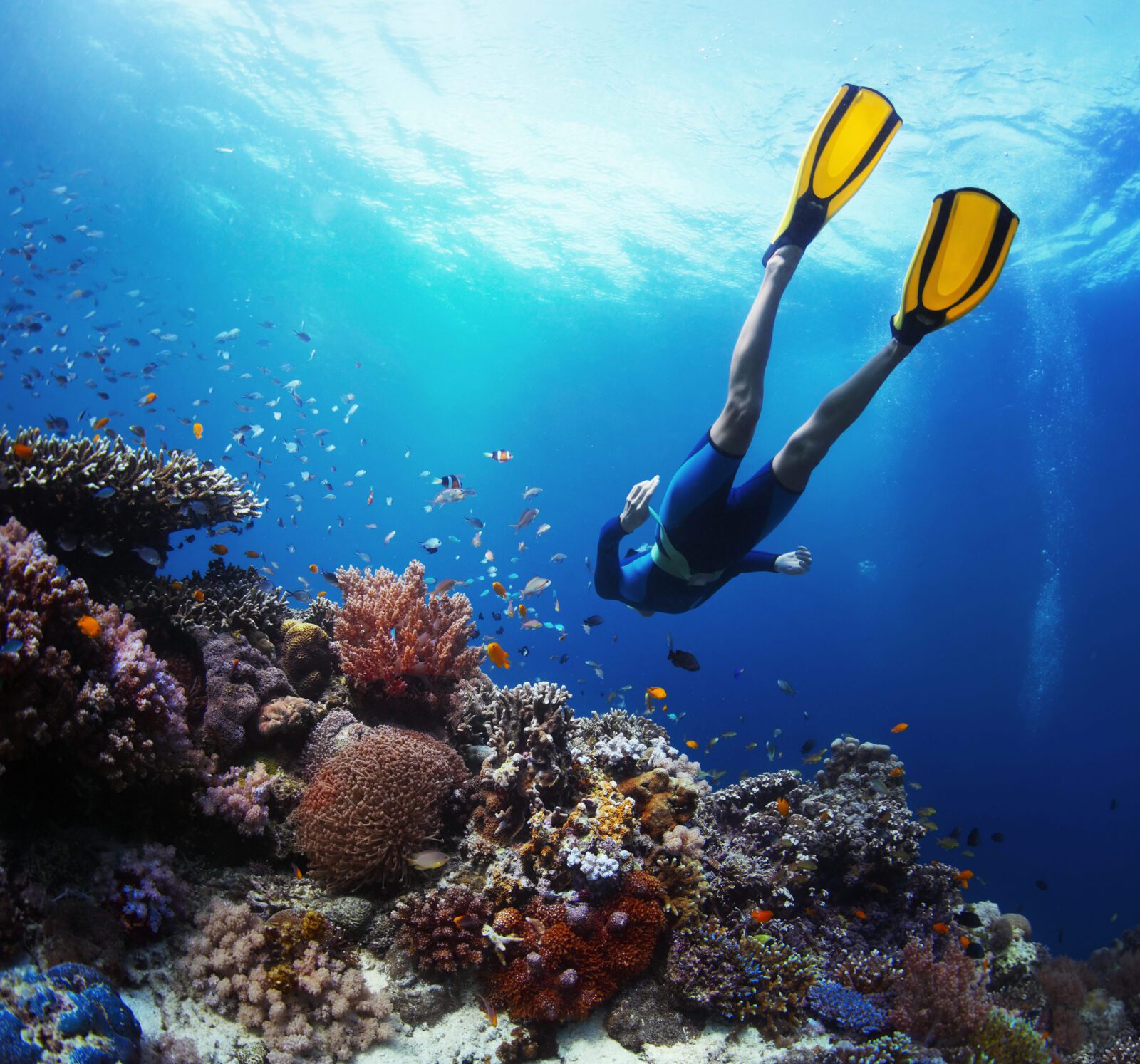
Sri Lanka offers something that few tropical dive destinations can match: year-round diving. The island is shaped by two monsoon patterns, which means the best coast for diving changes with the seasons. When the south and west coasts are at their best from November to April, places like Hikkaduwa, Unawatuna, Mirissa, Weligama, and Colombo become the main dive areas. When conditions shift from May to September, the east coast around Trincomalee and Nilaveli takes over.
This is actually good news if you plan carefully. You cannot simply choose one “best month” for the whole country – but you can always find excellent diving somewhere on the island. The first rule for a Sri Lanka dive trip is simple: choose your coast according to the season, not just according to the place you have seen on Instagram.
Best Time to Dive in Sri Lanka
West & South Coasts (November – April)
When the northeast monsoon brings calm conditions, the west and southwest coasts shine. The optimal diving window runs from November through March, with the peak months being March and April.
-
Calm seas with excellent visibility (15–30 metres)
-
Water temperatures of 26–28°C (28–30°C in peak months)
-
Whale sightings near Mirissa and Kalpitiya (March-April peak)
-
Best for: Hikkaduwa, Unawatuna, Mirissa, Weligama, Colombo
East Coast (May – September)
When the southwest monsoon arrives, the east coast becomes the smarter choice. Trincomalee, Nilaveli, and Pigeon Island are the names to know.
-
Best months: May and June provide the clearest visibility
-
Visibility: Often exceeding 30 metres
-
Water temperatures: 27–30°C
-
Highlights: Pigeon Island marine sanctuary, WWII wrecks, whale sharks (May-July)
Shoulder Months (April & October)
These transitional months can be good but less predictable. If you’re traveling during these times, leave room in your schedule and speak with local dive operators before locking everything in.
Top Dive Sites in Sri Lanka
1. Pigeon Island Marine National Park – The Crown Jewel
Located off the coast of Trincomalee, Pigeon Island is Sri Lanka’s only marine national park and one of the most popular scuba diving destinations in the country. The relatively shallow depths (most dives are between 5-15 metres) mean you’ll have plenty of bottom time to explore every nook and cranny.
What you’ll see: Blacktip reef sharks, green and hawksbill turtles, giant moray eels, lionfish, scorpion fish, parrotfish, cuttlefish, and lobsters. The site is excellent for both snorkeling and diving, with crystal-clear waters and thriving coral reefs.
Season: April to October
2. Hikkaduwa – The Coral Kingdom
Hikkaduwa is one of Sri Lanka’s oldest beach destinations and is renowned for reef diving, turtles, and accessible dive centers. The Hikkaduwa Marine Sanctuary, established in 1979, was Sri Lanka’s first protected marine area.
What you’ll see: Vibrant coral reefs, sea turtles, schools of tropical fish, moray eels, lobsters, and even manta rays and whale sharks in the right season.
Key sites: Goda Gala (max depth 24m), Black Coral Point, Hikkaduwa Gala (flagship dive site), The Conch Shipwreck
Season: November to April
Visibility: Often exceeding 20 metres
3. Colombo – The Wreck Diving Capital
Many divers do not immediately think of Colombo when planning a dive trip, but the capital area has an interesting wreck-diving scene. With over 16 wrecks lying just minutes from shore, Colombo has become a true hotspot for wreck diving.
Top Wrecks:
-
Cargo Wreck (Pecheur Breton) – A former French fishing trawler lying at 30 metres. This is one of Sri Lanka’s most accessible wreck dives, with resident blacktip reef sharks and giant moray eels. The wreck spans approximately 40 metres, with superstructure rising to 18 metres depth. Best diving: February–April.
-
Perseus Wreck – A 65-metre cargo vessel sunk in the 1990s at 25 metres depth. Perfect for intermediate divers, with penetrable cargo holds, engine room access, and a 2-metre giant moray eel resident.
-
SS Conch & Earl of Shaftesbury – Two legendary wrecks on the west coast that are absolute must-dives for wreck lovers
-
HMS Hermes (Batticaloa) – Sri Lanka’s signature technical wreck dive. A major WWII aircraft-carrier wreck that challenges even the most experienced divers
Season: November to April
Visibility: 15–20 metres
4. Trincomalee – Whale Sharks & Pristine Reefs
Trincomalee, on the east coast, holds one of the world’s finest natural harbours and a migration corridor for blue whales and whale sharks. The waters here support an extraordinary diversity of marine life – everything from microscopic nudibranchs on reef walls to 10-metre whale sharks cruising the open water.
What you’ll see: Whale sharks (May-July on offshore reefs), blue whales, pilot whales, manta rays, Napoleon wrasse, green and hawksbill turtles. Pigeon Island’s pristine coral, blacktip and whitetip reef sharks patrol the reef consistently.
Key sites: Swami Rock (Taprobane Reef), Pigeon Island National Park sites, Irakkandi Wreck (SS Ava), Navy Underwater Museum
Season: April to October
5. Unawatuna & Great Basses – Wreck Diving Haven
Unawatuna is a popular choice, especially for beginners and casual divers. Dive sites around the area include reefs, rock formations, and wrecks, with depths that suit different experience levels.
What you’ll see: Reef fish, coral formations, shipwrecks, sea turtles
Key sites: Jungle Beach (great for snorkeling), Great Basses wreck, numerous reef sites
Season: November to April
Marine Life: What You’ll Encounter
Sri Lanka’s waters support an extraordinary diversity of marine life:
-
Whale sharks – Regularly encountered on offshore reefs between May and July
-
Blue whales – Migration corridor through Trincomalee
-
Blacktip reef sharks – Patrol outer reefs and wreck sites, particularly at cleaning stations
-
Green and hawksbill turtles – Nest along the coast and frequent reef sites year-round
-
Giant moray eels – Exceeding two metres, inhabiting both natural crevices and wreck structures
-
Manta rays and eagle rays – Glide along sandy perimeters and reef edges
-
Schools of trevally, batfish, snappers, and fusiliers – Aggregate around major wrecks
-
Dugongs – Occasionally sighted on seagrass beds
-
Bottlenose dolphins – Sometimes investigate divers on Colombo wrecks
Dive Operators & Certification
Sri Lanka has a well-established network of dive centers, many of which are PADI and SSI certified.
Recommended Dive Operators
-
Poseidon Diving Centre – Sri Lanka’s only PADI Five Star IDC scuba diving centre, operating since 1973 with locations in Hikkaduwa (October–April) and Nilaveli (May–September)
-
Sri Lanka Diving Tours – PADI Five Star IDC centre in Trincomalee, the country’s only certified technical dive center
-
Mirissa Diving Center – Operating for 15 years with PADI instructors
-
Sri Lanka Dive School – SSI and PADI instructors in Trincomalee
-
Pearl Divers – PADI 5-star certified dive resort with 23 years of experience in Unawatuna and Trincomalee
-
Weligama Bay Dive Center – PADI courses from Open Water to Divemaster, operating October–April in Weligama and May–October in Trincomalee
-
Kalpitiya Diving Center – PADI-certified courses across 20+ dive sites
-
Island Scuba – Colombo’s only PADI certified 5⭐ Scuba Diving Centre
Practical Tips for Your Sri Lanka Dive Trip
Dive Experience & Safety
-
Match a dive site to your experience level – many of Sri Lanka’s best sites have strong, changeable currents
-
Avoid deep dives or sites with strong currents if you have less technical ability
-
Always dive within your limits – local PADI instructors can help determine what suits you best
-
Do a refresher dive if you haven’t dived in more than six months
-
Dives are predominantly boat dives – reefs and marine life are more abundant offshore
What to Bring
-
3mm wetsuit or skin – Water temperatures are warm (26-30°C)
-
Own mask and snorkel for the best fit
-
Reef-safe sunscreen – protect the marine environment
-
Underwater camera – Sri Lanka’s wrecks and marine life offer incredible photo opportunities
Logistics
-
Hikkaduwa and Unawatuna serve as the primary diving bases, with established dive centres running daily trips
-
For beginners, Unawatuna, Hikkaduwa, and Nilaveli are often practical choices in the right season
-
Many dive operators operate separately from resorts – there are very few traditional “dive resorts”
Combining Diving with a Sri Lanka Adventure
Sri Lanka’s compact size makes it easy to combine diving with other experiences:
-
Wildlife safaris – Add a safari to Yala, Minneriya, or Wilpattu National Park for elephants, leopards, and sloth bears
-
Cultural tours – Explore ancient temples, monuments, and UNESCO World Heritage Sites
-
Sri Lankan cuisine – Dive into the spicy, fragrant, and diverse local food
Final Thoughts
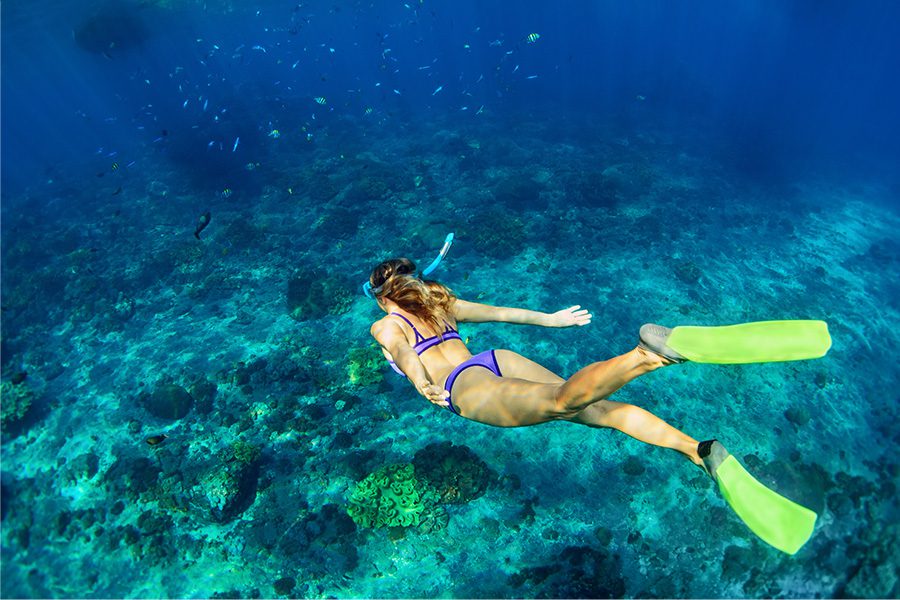
Sri Lanka is one of the Indian Ocean’s most underrated dive destinations. With warm water, reef dives, wrecks, turtles, schooling fish, beginner-friendly dive centers, and serious offshore sites for experienced divers, it deserves far more attention from the global dive community.
Whether you’re exploring the shallow coral gardens of Pigeon Island, penetrating the cargo holds of a WWII wreck, or swimming alongside a 10-metre whale shark off the coast of Trincomalee, Sri Lanka delivers underwater experiences that rival any destination in the world.
Start planning your Sri Lankan dive adventure today – the Pearl of the Indian Ocean is calling!
Book Your Adventure
Ready to experience this coastal paradise? Plan your trip with Rediscover Sri Lanka and create unforgettable memories at Hiriketiya Beach.
📩 Visit: Rediscover Sri Lanka to book now.
Contact Us Today!
Ready to plan your dream group tour in Sri Lanka? Let us help you craft the perfect itinerary for a truly magical experience.
👉 Contact Rediscover Sri Lanka now to explore our Sri Lanka group tour packages, designed for families, solo travelers, and adventure seekers alike.
Reviews and Recommendations
Don’t just take our word for it! Check out these incredible reviews from past travelers:
Tripadvisor: Read about other travelers’ experiences on Tripadvisor, where Rediscover Sri Lanka has garnered rave reviews for its safe and well-organized tours.
Trustpilot: Visit Trustpilot for more real-life testimonials from travelers who have fallen in love with Sri Lanka’s beauty and hospitality.
Ready to plan your dream journey in Sri Lanka?
Let us help you craft the perfect itinerary
for a truly memorable experience.
Contact Rediscover Sri Lanka to explore our
tailor-made journeys, private tours and
authentic Sri Lankan experiences.
Don't just take our word for it! Check out
these incredible reviews from past travelers.
Read about other travelers'
experiences with Rediscover Sri Lanka
and explore reviews from guests who
have travelled across the island.
Discover feedback from travelers who
have experienced Rediscover Journeys
and explored Sri Lanka with our team.
Ready to experience Sri Lanka beyond the
usual tourist trail? Let us create a
private journey around your interests,
pace and travel style.
Plan your trip with Rediscover Sri Lanka and
create unforgettable memories at some of the
island's most extraordinary places.
Visit Rediscover Sri Lanka to start planning
your journey.
Sri Lanka is a year-round destination, but the best time depends on which part of the island you plan to explore. The west and south coasts are generally best from December to April, while the east coast is ideal from May to September. Around 7 to 14 days is a good amount of time to experience Sri Lanka's highlights without rushing. A longer journey allows more time for wildlife, beaches, cultural sites, scenic train journeys and the hill country. Most international travellers need travel authorisation or a visa to enter Sri Lanka, depending on their nationality and purpose of travel. Travellers should check the latest requirements through official Sri Lankan government channels before travelling. Sri Lanka is a popular destination for international travellers. As with any destination, visitors should take normal precautions, look after their belongings, use reputable transport and follow local advice. The official currency is the Sri Lankan Rupee (LKR). Your budget depends on accommodation, transportation, dining, activities and travel style. Sri Lanka offers everything from budget-friendly experiences to premium hotels and tailor-made luxury travel.
Contact Us
Today!
Reviews and
Recommendations.
Book Your
Adventure.
Ready to Rediscover
Sri Lanka?
Everything you need to know about
traveling in Sri Lanka.
More Stories
to Rediscover.