🌟 Solo-Friendly Small Group Tour
Spring Break Sri Lanka Journey
Meet like-minded travelers · Explore ancient wonders · Create unforgettable memories
From USD $1,439 / twin sharing
Inhaltsverzeichnis – Sri Lanka Ayurveda Urlaub
-
Warum ein Ayurveda Urlaub in Sri Lanka?
-
Was ist Ayurveda? Die 5000 Jahre alte Heilkunst
-
Die beste Reisezeit für deine Ayurveda-Kur
-
Wie läuft eine Ayurveda-Kur in Sri Lanka ab?
-
Die besten Ayurveda-Resorts in Sri Lanka
-
Praktische Tipps für deine Ayurveda-Reise
-
Fazit: Deine Transformation beginnt hier
Warum ein Ayurveda Urlaub in Sri Lanka?
Das Rauschen des Indischen Ozeans, der Duft von exotischen Kräutern und das Gefühl, endlich anzukommen – bei dir selbst. Ein Ayurveda Urlaub in Sri Lanka ist weit mehr als eine Wellnessreise. Er ist eine Einladung, aus dem hektischen Alltag auszusteigen, Körper und Geist zu reinigen und neue Energie zu tanken. Und das im ursprünglichsten und authentischsten Umfeld, das man sich vorstellen kann.
Sri Lanka gilt als eines der ursprünglichsten Länder für authentische Ayurveda-Behandlungen. Die Insel ist die Heimat dieser über 5000 Jahre alten Heilkunst und bietet ideale Bedingungen für eine tiefgreifende Regeneration. Die ganzjährig warmen Temperaturen zwischen 27 und 32 °C, die hohe Luftfeuchtigkeit und die üppige, tropische Vegetation schaffen ein Klima, das den Heilungsprozess auf natürliche Weise unterstützt.
Während eines Ayurveda Urlaubs geht es nicht um Sonnengarantie oder Sightseeing. Es geht um Regeneration, Entgiftung, Rückzug und ganzheitliche Heilung. Genau dafür bietet Sri Lanka, insbesondere die Südwestküste rund um Bentota, ganzjährig sehr gute Bedingungen.
Was ist Ayurveda? Die 5000 Jahre alte Heilkunst
Ayurveda bedeutet im Sanskrit “Wissenschaft vom Leben”. Das über 5.000 Jahre alte Medizinsystem stammt aus Südasien und versteht Gesundheit als Gleichgewicht von Körper, Geist und Umwelt.
Statt Symptome isoliert zu behandeln, sucht Ayurveda nach deren Ursache – und setzt auf Ernährung, Lebensstil, Pflanzenmedizin, Massagen und Reinigung, um dieses Gleichgewicht wiederherzustellen. Ayurveda ist keine Wellnesslehre, sondern ein ganzheitliches Medizinsystem.
Die drei Doshas
Im Mittelpunkt der ayurvedischen Lehre stehen die drei Doshas – die Bioenergien, die unseren Körper und Geist steuern:
-
Vata (Luft & Raum) – steht für Bewegung, Kreativität und Flexibilität
-
Pitta (Feuer & Wasser) – steht für Stoffwechsel, Verdauung und Energie
-
Kapha (Erde & Wasser) – steht für Struktur, Stabilität und Nährstoffe
Das Ziel einer Ayurveda-Kur ist es, alle drei Doshas ins Gleichgewicht zu bringen – damit Körper, Geist und Stoffwechsel harmonisch funktionieren.
Die beste Reisezeit für deine Ayurveda-Kur
Anders als bei einer klassischen Rundreise oder einem reinen Badeurlaub gelten für eine Ayurveda-Kur andere Maßstäbe. Die beste Zeit hängt von deinen persönlichen Vorlieben ab.
Dezember bis April – Hauptsaison mit viel Sonne
Die sonnigste und trockenste Phase liegt zwischen Dezember und April. Dann ist das Wetter stabil, die Sonne scheint und die Strände laden zum Verweilen ein. Perfekt, wenn du deine Kur mit etwas Strandurlaub kombinieren möchtest. Die Monate Februar und März gelten als optimal.
Mai bis September – Regenzeit mit besonderer Tiefe
Die Regenzeit an der Südwestküste wird von vielen Reisenden unterschätzt. Dabei funktioniert sie ganz anders als in gemäßigten Klimazonen: Typisch sind kräftige, tropische Regenschauer, die häufig am Nachmittag oder in der Nacht fallen. Dazwischen gibt es sonnige Phasen. Es regnet selten tagelang ohne Unterbrechung.
Traditionell gilt die feuchte Monsunzeit in der ayurvedischen Lehre sogar als besonders geeignete Zeit für intensive Kuren, insbesondere für Panchakarma. Die Natur wirkt ruhiger, der Klang des Regens wirkt besänftigend auf das Nervensystem, die Luft ist klarer und frischer. Für Gäste einer Ayurveda-Kur entsteht dadurch eine fast meditative Stimmung, die innere Prozesse unterstützt.
Fazit zur Reisezeit
Wenn du es sonnig und warm magst, reise zwischen Dezember und April. Wenn du tiefe Regeneration suchst, die Ruhe der Regenzeit genießen möchtest und weniger Menschen um dich herum haben willst, ist die Zeit zwischen Mai und September ideal.
Wie läuft eine Ayurveda-Kur in Sri Lanka ab?
Eine Ayurveda-Kur in Sri Lanka ist keine gewöhnliche Wellnessreise – sie ist eine tiefgreifende Erfahrung, die Körper, Geist und Seele gleichermaßen anspricht.
Die Ankunft und erste Konsultation
Schon bei der Ankunft wirst du liebevoll empfangen. Noch am Anreisetag findet die erste Konsultation bei einer erfahrenen Ayurveda-Ärztin statt. Diese bestimmt deine Grundkonstitution (Prakriti), macht eine Pulsdiagnose und analysiert deine Bedürfnisse.
Daraus entsteht dein individueller Kurplan – mit persönlich abgestimmten Behandlungen, Meditation und Yoga. Auch deine ayurvedische Medizin wird auf dich abgestimmt.
Die tägliche Routine
Der Tagesablauf während einer Kur folgt einem festen, aber angenehmen Rhythmus:
-
Frühes Aufstehen – im Einklang mit der Natur
-
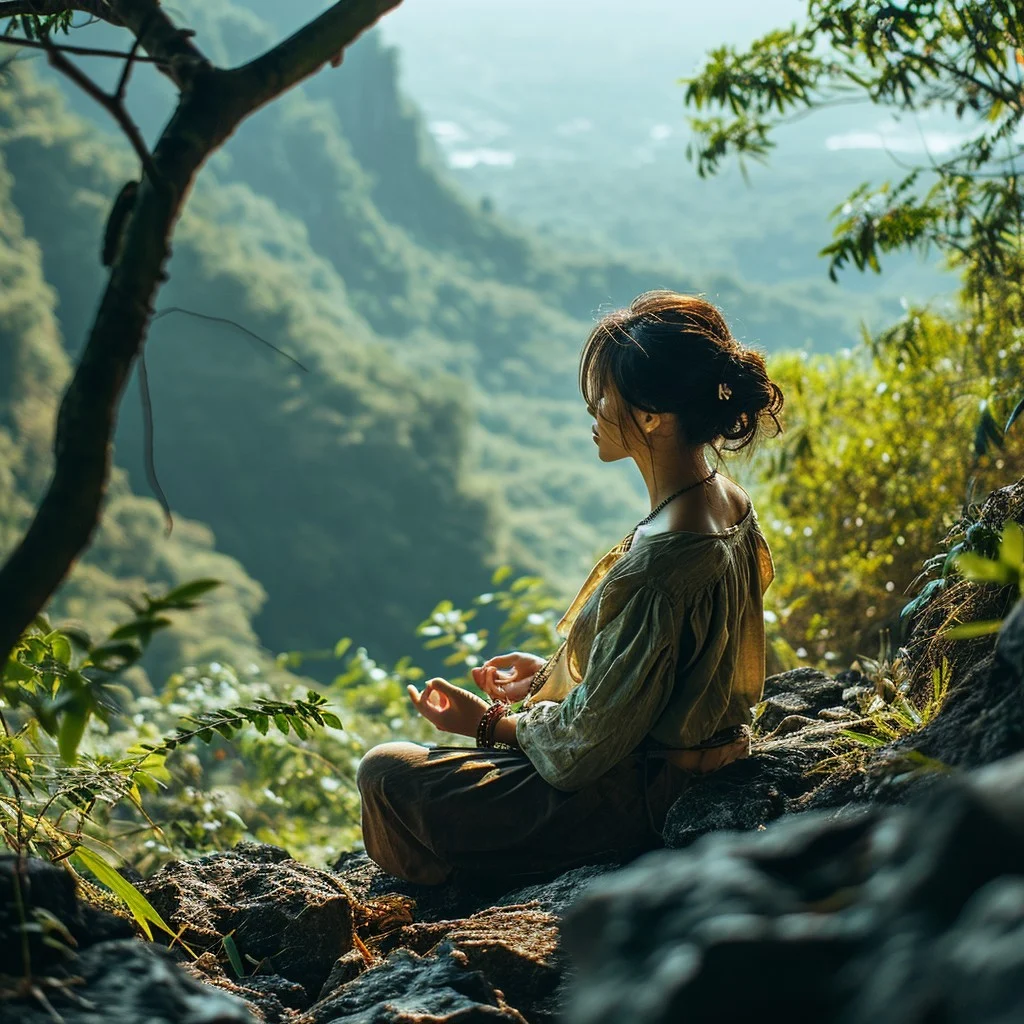
Yoga und Meditation – zur Zentrierung
-
Ayurvedisches Frühstück – typgerecht zubereitet
-
Behandlungen – Massagen, Ölgüsse und Reinigungen
-
Mittagessen – leicht und bekömmlich
-
Nachmittagsruhe – Zeit für dich selbst
-
Abendessen – warm und nährend
-
Frühes Zubettgehen – für tiefen, erholsamen Schlaf
Die Behandlungen
Zu den klassischen ayurvedischen Behandlungen gehören:
-
Abhyanga – die synchronisierte Ganzkörpermassage mit warmem Öl
-
Pizhichil – das Kerala-Ölbad, bei dem warmes Öl in einem kontinuierlichen Strom über den Körper gegossen wird
-
Shirodhara – der beruhigende Ölguss auf die Stirn
-
Sweda – die wärmende Dampfbehandlung
-
Panchakarma – die tiefgreifende Reinigungskur
Was Panchakarma bewirkt
Die Panchakarma-Kur ist die Königsdisziplin des Ayurveda. Wer sie erfolgreich absolviert, fühlt sich hinterher oft mindestens 10 Jahre jünger und hat Energie wie mit 25. Dieser Effekt hält bei vielen zwischen 3 und 6 Monaten an.
Eine erfahrene Kur-Teilnehmerin beschreibt es so: “Ich machte eine Panchakarma-Kur immer mal wieder über die letzten 15 Jahre, um danach aus dem VOLLEM schöpfen zu können.”
Die besten Ayurveda-Resorts in Sri Lanka
Sri Lanka bietet eine beeindruckende Auswahl an Ayurveda-Resorts – von ursprünglichen Kliniken bis hin zu luxuriösen Wellness-Oasen.
Barberyn Ayurveda Resorts – Der Pionier
Die familiengeführte Barberyn-Gruppe gilt als Pionier des Ayurveda-Tourismus in Sri Lanka. 1984 eröffneten sie ihr erstes Resort, heute gibt es vier Häuser entlang der Südküste. Kürzlich wurde die Gruppe mit dem Präsidentenpreis für den besten Exporteur im Bereich Gesundheit und Wellness ausgezeichnet – der höchsten nationalen Auszeichnung für Unternehmer.
Santani Wellness Kandy – Luxus mit Michelin-Key
Das Santani Wellness Resort nahe Kandy ist Sri Lankas erstes Luxus-Wellness-Retreat und wurde 2025 mit einem Michelin-Key ausgezeichnet – als einziges Wellness-Property in Sri Lanka. Auf 100 Hektar ehemaliger Teeplantage verbindet es ayurvedische Rahmenwerke mit modernen Gesundheitsbewertungen, um Stress, Burnout, Stoffwechselstörungen und Schlafprobleme zu behandeln. Die “Architecture of Silence” – minimale Innenräume, natürliche Belüftung, keine Fernseher – fördert eine langsamere Lebensweise.
Anantara Peace Haven Tangalle – Drei Ayurveda-Ärzte
Das Anantara Peace Haven Tangalle Resort beherbergt den einzigen Spa der Region, der von drei ansässigen Ayurveda-Ärzten geleitet wird. Die Einrichtung hat zudem das wegweisende ayurvedische Beauty-Sanctuary Ayu Lavanaya eröffnet. Fünf-Tages-Programme konzentrieren sich auf innere Harmonie, tiefen Schlaf, natürliches Gewichtsmanagement oder ganzheitliche Entgiftung.
Heritance Ayurveda Maha Gedara – Exklusiv für Kurgäste
Das Heritance Ayurveda Maha Gedara liegt inmitten eines ursprünglichen Gartens an der Südwestküste und ist exklusiv für Ayurveda-Gäste. Das Ayurveda-Center verfügt über 28 Behandlungsräume, die um einen Seerosenteich herum angelegt sind. Eine erfahrene Kur-Teilnehmerin schwärmt: “Die Anlage war einfach ein Traum: eine grüne Oase durchzogen vom Duft blühender Frangipani. Das Meer war nur ein paar Schritte entfernt.”
Lanka Princess Ayurveda – Ursprüngliches Ayurveda mit Wellness
Das Lanka Princess in Beruwala ist auf Ayurveda-Kuren ausgerichtet und wird von erfahrenen Gästen als “beste Adresse in Sri Lanka” für eine sehr angenehme Ayurveda-Kur beschrieben. Es bietet ursprüngliches Ayurveda mit etwas Wellness – perfekt für Einsteiger.
Weitere empfehlenswerte Resorts
-
Mangata Galle – verbindet personalisiertes Ayurveda mit maßgeschneidertem Luxus in der historischen Stadt Galle
-
Purple Coot Resort – luxuriöses Wellness-Ayurveda-Resort am malerischen Bolgoda-See
-
Surya Lanka Ayurveda Beach Resort – an der Südküste mit positiven Bewertungen
Praktische Tipps für deine Ayurveda-Reise
Was du einpacken solltest
-
Leichte, bequeme Kleidung aus Naturfasern
-
Badebekleidung für den Strand oder Pool
-
Bequeme Schuhe für Spaziergänge
-
Eine warme Jacke für kühlere Abende (besonders im Hochland)
-
Persönliche Medikamente (auf deine Kur abgestimmt)
-
Ein Tagebuch für deine Erfahrungen
Worauf du achten solltest
-
Kein Wellness-Urlaub: Eine Ayurveda-Kur ist keine Erholungsreise im klassischen Sinne. Sie fordert dich – und belohnt dich mit tiefer Transformation.
-
Kein Alkohol: Während der Kur ist Alkohol tabu.
-
Ernährungsumstellung: Das ayurvedische Essen ist leicht, bekömmlich und typgerecht – aber anders als das, was du gewohnt bist.
-
Geduld: Die Wirkung einer Kur entfaltet sich oft erst nach einigen Tagen – und hält lange an.
Visum für Sri Lanka
Für deutsche Staatsbürger ist die Einreise nach Sri Lanka mit einem ETA-Visum (Electronic Travel Authorization) möglich. Die Beantragung erfolgt online. Achte darauf, dass dein Reisepass noch mindestens 6 Monate gültig ist.
Fazit: Deine Transformation beginnt hier
Ein Ayurveda Urlaub in Sri Lanka ist mehr als eine Reise – es ist eine Einladung zur Transformation. Wer sich auf diese uralte Heilkunst einlässt, kehrt nicht nur entspannter zurück, sondern oft mit einem völlig neuen Lebensgefühl.
Die Kombination aus authentischer Ayurveda-Tradition, atemberaubender Natur, professionellen Ärzten und den warmherzigen Menschen Sri Lankas macht die Insel zum idealen Ort für eine tiefgreifende Auszeit.
Also: Worauf wartest du? Deine Reise zu dir selbst beginnt hier.
Frequently Asked Questions
Everything you need to know about traveling in Sri Lanka
What is the best time to visit Sri Lanka?
The best time to visit Sri Lanka depends on which region you plan to explore. The west and south coasts (including Colombo, Galle, and Mirissa) are best from December to March, while the east coast (including Trincomalee and Arugam Bay) is ideal from April to September. The central highlands (Kandy, Nuwara Eliya, Ella) are pleasant year-round with cooler temperatures.
How many days are enough for a Sri Lanka tour?
For a comprehensive tour covering major highlights, we recommend 10-14 days. This allows you to explore the Cultural Triangle (Kandy, Sigiriya, Polonnaruwa), the hill country (Nuwara Eliya, Ella), and the beautiful beaches (Mirissa, Bentota) comfortably. A 7-day itinerary can cover the essentials, while 21+ days allows for a deeper exploration of the island's hidden gems.
Do I need a visa for Sri Lanka?
Yes, most nationalities require an Electronic Travel Authorization (ETA) to enter Sri Lanka. You can apply online through the official Sri Lanka ETA website before your trip or obtain a visa on arrival at the Bandaranaike International Airport (CMB). The ETA is valid for 30 days and can be extended up to 90 days. Citizens of Singapore, Maldives, and Seychelles are visa-exempt for up to 30 days.
Is Sri Lanka safe for tourists?
Yes, Sri Lanka is generally safe for tourists. The country has a thriving tourism industry with excellent infrastructure. However, like any destination, we recommend taking standard precautions: avoid isolated areas at night, keep valuables secure, and follow local advice. The Sri Lankan people are known for their hospitality and friendliness towards visitors.
What is the currency in Sri Lanka and how much should I budget?
The currency in Sri Lanka is the Sri Lankan Rupee (LKR). As a budget traveler, you can expect to spend around $30-50 USD per day, mid-range travelers $50-100 USD per day, and luxury travelers $100-300+ USD per day. ATMs are widely available in cities and tourist areas, and credit cards are accepted at most hotels and upscale restaurants.
What vaccinations do I need for Sri Lanka?
The CDC and WHO recommend the following vaccinations for Sri Lanka: Hepatitis A, Hepatitis B, Typhoid, Tetanus, and Japanese Encephalitis (if spending significant time in rural areas). Malaria is not a major risk in most tourist areas, but it's recommended to consult with your doctor about antimalarial medication if visiting rural areas. Dengue fever is present, so use mosquito repellent and wear long sleeves.
Is Sri Lanka safe for solo travelers?
Absolutely! Sri Lanka is one of the safest destinations for solo travelers in Asia. The locals are incredibly friendly and helpful, the tourism infrastructure is well-developed, and there's a vibrant community of solo travelers. We recommend staying in hostels or guesthouses with good reviews, joining group tours for certain activities, and always trusting your instincts.
What are the best places for solo travelers in Sri Lanka?
For solo travelers, we recommend: Sigiriya (Lion Rock) for breathtaking views, Kandy for cultural immersion, Ella for stunning hikes and social hostels, Mirissa for beach vibes and whale watching, Galle for colonial charm, and Yala National Park for wildlife safaris. The hill country train journey from Kandy to Ella is a must-do!
Are there group tours for solo travelers in Sri Lanka?
Yes! We offer small-group tours specifically designed for solo travelers with max 12 people. These tours are perfect for meeting like-minded travelers, with no single supplement on select dates. Our group tours include private rooms, local guides, and a mix of cultural, wildlife, and beach experiences.
What is the single supplement fee for solo travelers?
For our solo-friendly group tours, we offer select departures with no single supplement. On other tours, the single supplement typically ranges from $200-400 depending on the tour length and accommodation standards. We always recommend checking the specific tour page for the most accurate pricing.
Can solo travelers join private tours?
Absolutely! Many solo travelers prefer private tours for maximum flexibility. Our private chauffeur guide tours are perfect for solo travelers who want to explore at their own pace. You'll have a dedicated vehicle and an English-speaking guide who can customize the itinerary to your interests.
Is it easy to meet other travelers in Sri Lanka?
Yes, Sri Lanka has a thriving backpacker and solo traveler community. Hostels in Ella, Kandy, and Mirissa are particularly social. You'll also find many cafes, restaurants, and tour operators that cater to solo travelers. Joining group activities like cooking classes, safari tours, or train rides is a great way to meet people.
What are the must-visit places in Sri Lanka?
Sri Lanka's must-visit destinations include: the ancient city of Sigiriya (Lion Rock), the sacred Temple of the Tooth in Kandy, the historic Galle Fort, the scenic hill country train journey from Kandy to Ella, the beautiful beaches of Mirissa and Unawatuna, the wildlife-rich Yala National Park (home to leopards), the cultural capital of Anuradhapura, and the stunning Adam's Peak for sunrise views.
Which beaches are best in Sri Lanka?
The best beaches in Sri Lanka include: Mirissa for whale watching and relaxed vibes, Unawatuna for swimming and snorkeling, Bentota for water sports, Arugam Bay for surfing (east coast, best April-September), and Nilaveli for pristine white sands and coral reefs. Each beach offers a unique experience depending on your preferences.
What is the Cultural Triangle in Sri Lanka?
The Cultural Triangle refers to the area in central Sri Lanka that contains five UNESCO World Heritage sites: the ancient cities of Anuradhapura and Polonnaruwa, the rock fortress of Sigiriya, the sacred city of Kandy, and the cave temples of Dambulla. This region is the heart of Sri Lanka's rich cultural and historical heritage.
Is the train from Kandy to Ella worth it?
Absolutely! The train journey from Kandy to Ella is considered one of the most scenic train rides in the world. You'll pass through lush tea plantations, misty mountains, and picturesque villages. The journey takes about 6-7 hours and we recommend booking a reserved seat in advance, especially during peak season.
What wildlife can I see in Sri Lanka?
Sri Lanka is home to incredible wildlife including: elephants (at Minneriya and Udawalawe), leopards (Yala National Park), blue whales and sperm whales (Mirissa), sloth bears (Wilpattu), over 400 bird species, crocodiles, and many species of monkeys. The country is a paradise for nature and wildlife enthusiasts.
What is the local food like in Sri Lanka?
Sri Lankan cuisine is a flavorful blend of spices, coconut, and fresh ingredients. Must-try dishes include: Rice and Curry (the national dish with various vegetable and meat curries), Kottu Roti (chopped roti with vegetables and meat), Hoppers (bowl-shaped pancake with an egg), String Hoppers (steamed rice noodles), Lamprais (rice and curry baked in a banana leaf), and fresh seafood along the coast.
Is English widely spoken in Sri Lanka?
Yes, English is widely spoken in Sri Lanka, especially in tourist areas, hotels, and restaurants. It is taught as a second language in schools and is commonly used in business and government. You'll find that most Sri Lankans can communicate in English, making it easy for international travelers to navigate the country.
What are the cultural etiquettes in Sri Lanka?
When visiting temples, dress modestly covering shoulders and knees. Remove shoes before entering temples and homes. The traditional greeting is "Ayubowan" (Sinhalese) or "Vanakkam" (Tamil). Always use your right hand for eating and giving/receiving items. It's polite to ask before taking photos of people.
What are the main festivals in Sri Lanka?
Major festivals include: Sinhala and Tamil New Year (April), Vesak (May - Buddhist festival of lights), Kandy Esala Perahera (July/August - spectacular procession), Deepavali (October/November - Hindu festival of lights), and Christmas (December). These festivals offer unique cultural experiences for visitors.
What is the best way to get around Sri Lanka?
The best ways to get around Sri Lanka include: the scenic train network (especially the Kandy to Ella route), private drivers for comfort and flexibility, local buses for budget travel, tuk-tuks for short distances, and domestic flights for time-saving between regions. The train journey through the hill country is considered one of the most beautiful train rides in the world.
What should I pack for a trip to Sri Lanka?
Pack light, breathable cotton clothing suitable for tropical weather. Essentials include: comfortable walking shoes, swimwear, sun protection (hat, sunglasses, high SPF sunscreen), insect repellent, a rain jacket (monsoon season), light layers for the hill country, modest clothing for temple visits (covering shoulders and knees), a power adapter (230V, Type D or G plugs), and a reusable water bottle.
Is tap water safe to drink in Sri Lanka?
It's recommended to drink bottled water in Sri Lanka. Most hotels provide complimentary bottled water, and it's widely available at shops. Avoid tap water, ice from street vendors, and raw food from street stalls. For eco-conscious travelers, consider bringing a reusable water bottle with a built-in filter.
What is the internet and mobile coverage like in Sri Lanka?
Sri Lanka has excellent mobile and internet coverage, especially in urban areas and tourist destinations. You can purchase a local SIM card at the airport (Dialog and Mobitel are popular) with affordable data packages. Most hotels, cafes, and restaurants offer free Wi-Fi. Remote areas may have weaker signals.
Do I need travel insurance for Sri Lanka?
Yes, travel insurance is highly recommended for your trip to Sri Lanka. It should cover medical expenses, trip cancellation, lost luggage, and emergency evacuation. Some activities like scuba diving, surfing, and hiking may require additional coverage. Always read the policy carefully before purchasing.
Can I use my credit card in Sri Lanka?
Yes, credit cards (Visa and Mastercard) are widely accepted at hotels, upscale restaurants, and larger shops in cities. However, it's recommended to carry cash (Sri Lankan Rupees) for local markets, street food, small shops, and remote areas. ATMs are available in cities and major tourist towns.
What is the tipping culture in Sri Lanka?
Tipping is appreciated but not mandatory in Sri Lanka. For restaurants, a 10% service charge is often included. If not, leaving 5-10% is customary. For tour guides and drivers, $5-10 per day is standard for good service. For hotel staff, $1-2 per bag or per day is appropriate.
Is Sri Lanka good for surfing?
Yes, Sri Lanka is a fantastic surfing destination. The east coast (Arugam Bay) offers world-class waves from April to September, while the south coast (Hikkaduwa, Weligama, Mirissa) has great waves from November to April. There are surf schools for beginners and challenging breaks for experienced surfers.
What are the best hikes in Sri Lanka?
The best hikes include: Adam's Peak (Sri Pada) for sunrise views (season December-May), Ella Rock for panoramic views, Little Adam's Peak for an easier hike, the Knuckles Mountain Range for challenging treks, and Horton Plains National Park for the famous World's End cliff.
Can I see whales in Sri Lanka?
Absolutely! Mirissa on the south coast is one of the best places in the world for whale watching. From November to April, you can spot blue whales, sperm whales, and dolphins. The season peaks from December to March. Many tour operators offer half-day whale watching trips with experienced guides.
What are the best souvenirs to buy in Sri Lanka?
Popular souvenirs include: Ceylon tea (the world's finest), spices (cinnamon, cardamom, cloves), hand-carved masks from the south coast, batik fabrics, gemstones (sapphires), wooden crafts, traditional jewelry, and local art. Visit local markets and craft centers for authentic, high-quality products.
How can I support sustainable tourism in Sri Lanka?
Support sustainable tourism by: choosing eco-friendly accommodations, using reusable water bottles, avoiding single-use plastics, respecting wildlife (do not feed animals), buying local products, using local guides, participating in community-based tourism, and reducing your carbon footprint by using trains instead of private vehicles where possible.