
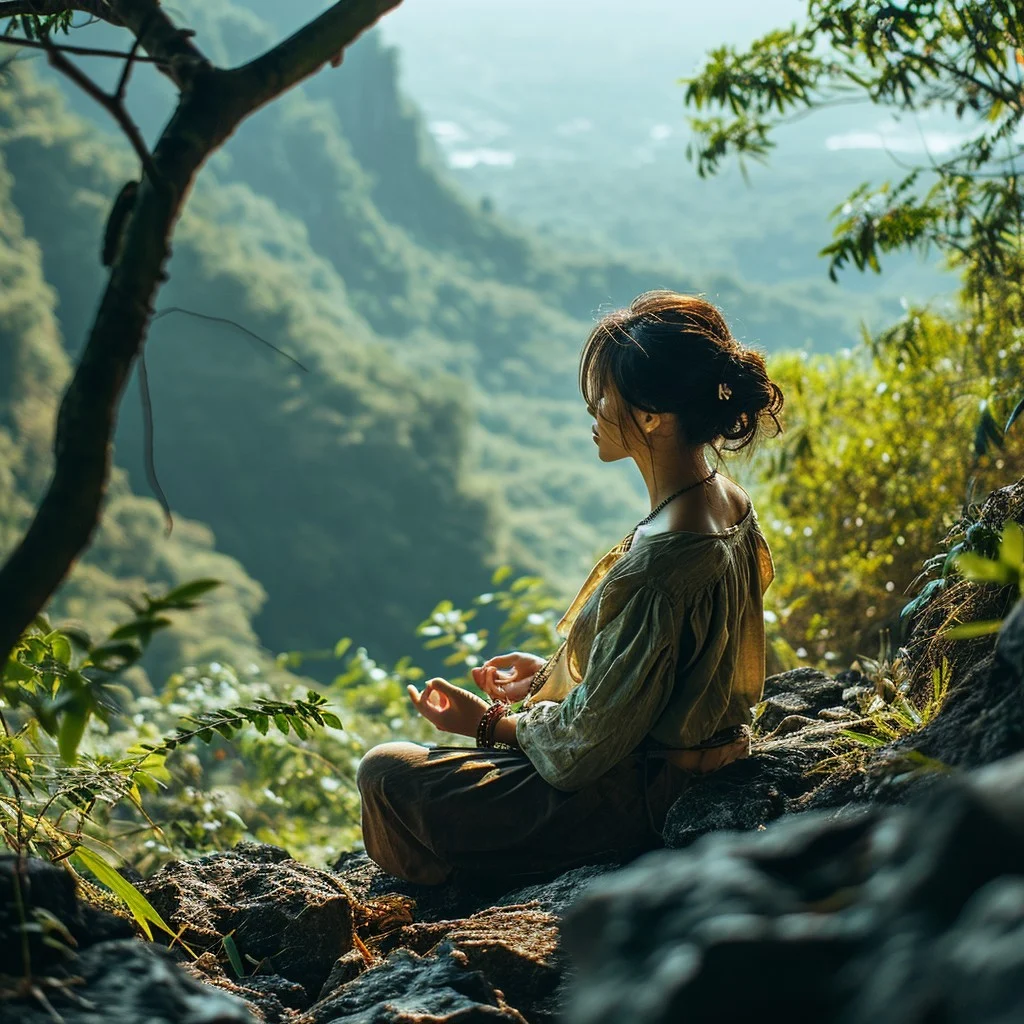
Your Sri Lanka Solo Adventure Awaits
Meet like-minded travelers · Explore ancient wonders · Create unforgettable memories
Sri Lankan Leopards: The Ultimate Guide to Spotting Asia’s Most Elusive Big Cat
Sri Lankan Leopards: The Ultimate Guide to Spotting Asia’s Most Elusive Big Cat
Introduction: The Apex Predator of Sri Lanka
There is a moment of pure magic when you lock eyes with a leopard in the wild. The world seems to pause. Your heart races. And you realize you are in the presence of one of nature’s most magnificent creatures.
Sri Lanka is one of the best places on Earth to experience this moment. The island is home to the Sri Lankan leopard (Panthera pardus kotiya) , a unique subspecies found nowhere else on the planet. As the island’s apex predator, this big cat plays a crucial role in maintaining the balance of natural ecosystems. It is the only large carnivore found in Sri Lanka, with no threats to it other than man.
This comprehensive guide will take you through everything you need to know about Sri Lankan leopards from their habitat and behavior to the best places and times to see them, along with the conservation challenges they face.
The Sri Lankan Leopard: A Unique Subspecies
The Sri Lankan leopard (Panthera pardus kotiya) is a distinct subspecies native to Sri Lanka, first described in 1956 by Sri Lankan zoologist Paules Edward Pieris Deraniyagala. Locally, it is colloquially known as “Kotiya”.
Physical Characteristics
Sri Lankan leopards are among the largest leopard subspecies. There are reports of giant males weighing around 100kg (220lb). They differ from their African relatives with a darker, russet coat and close-set spots. Their beautiful rosettes and powerful build make them a photographer’s dream.
Distribution and Habitat
The Sri Lankan leopard is still found in all habitats throughout the island, in both protected and unprotected areas, including the central highlands. However, they are mostly nocturnal and wary of humans, making them quite difficult to spot. Today, they live mostly in Wilpattu, Kumana, and Yala National Parks, with some found in Horton Plains, Hakgala, Sinharaja, and Samanala forest reserves, as well as in tea estates in the Nuwara Eliya district.
Best Places to See Leopards in Sri Lanka
1. Yala National Park – The Leopard Capital
Yala National Park is the undisputed king of leopard spotting. It has one of the highest leopard densities on the planet. Yala’s Block 1 (141 sq. km) has a growing population that has become habituated to safari vehicles, making a leopard sighting almost guaranteed.
Yala sits on the island’s south-eastern corner, roughly 100 miles from Galle. It covers more than 900 sq km (378 sq miles), making it one of Sri Lanka’s biggest national parks. The park’s terrain dry woodland, open grasslands, and rocky outcrops is perfect for spotting leopards lounging on sun-baked boulders or in the forest canopy.
Beyond leopards, Yala is home to 44 mammal species, including Sri Lankan elephants (around 350), wild water buffalo, sloth bears, crocodiles, jackals, and spotted deer. It is also a birdwatcher’s paradise with over 400 bird species recorded.
Access: Yala’s main block is accessed via two gates: Palatupana (the southern and busiest entrance) and Katagamuwa.
2. Wilpattu National Park – The Secluded Alternative
Wilpattu National Park is Sri Lanka’s largest national park and offers a more secluded leopard viewing experience. The park is quieter and less crowded, but the leopards here are harder to find making the experience feel more real and rewarding.
Wilpattu is characterized by its natural, water-filled depressions called “villus” that draw animals, making it great for photography. The park’s expansive road network provides space to appreciate the diverse ecosystem and ancient charm.
3. Kumana National Park – The Rising Star
Kumana, located east of Yala, has growing leopard activity. It is far less crowded than Yala, increasing your chance of peaceful sightings. A recent survey by researchers from the University of Sri Jayawardana revealed that Kumana is the abode of the second largest leopard population in the world. The park also hosts elephants, birds, and golden jackals, making it a great alternative for repeat travelers.
4. Horton Plains National Park – The Highland Leopards
Horton Plains is mostly known for hiking, but leopards still live in the grasslands. Sightings are rare; however, this location provides unique highland leopard behavior. If you are lucky, you may see a leopard near the forest edge early in the morning, especially during quieter months.
Best Time to See Leopards in Sri Lanka
Timing is everything when it comes to leopard safaris. While leopards live in these parks year-round, the dry season (February to July) offers the best visibility.
Month-by-Month Breakdown
| Month | Leopard Sightings | Weather | Notes |
|---|---|---|---|
| January | High | Green, lush, mildly humid | Peak travel season; thick vegetation can make spotting harder |
| February | Very High | Dry and sunny | Start of prime safari season |
| March | Excellent | Hot and dry | Thinner vegetation enhances visibility |
| April | Excellent | Extremely hot | Early morning and late afternoon safaris best |
| May | Peak | Intense dry conditions | Prime month for exceptional sightings |
| June | High | Very hot and dry | Fewer crowds; height of fruiting season for sloth bears |
| July | High | Dry | Consistent good sightings |
Important: Yala’s prime Blocks close from September to October for maintenance.
Why the Dry Season Works Best
During the dry season, water sources shrink and animals gather around available waterholes, making sightings far more predictable. Vegetation is thinner, enhancing visibility, and animals are more active as they search for water. The period between February and July is the most suitable time for a safari in Yala National Park.
Safari Tips for Spotting Leopards
Do’s and Don’ts
DO:
-
Choose early morning or late afternoon safaris when leopards are most active
-
Pick an experienced guide or tracker who knows the terrain and animal behavior
-
Bring binoculars and a zoom lens for wildlife photography
-
Wear neutral-colored clothing; avoid bright colors that may scare animals
-
Stay quiet and avoid sudden movements
-
Be patient and allow the driver to wait near promising spots
-
Keep your ears open for alarm calls from toque macaque and tufted gray langur monkeys a sure sign of a leopard nearby
DON’T:
-
Don’t expect guaranteed sightings leopards are wild animals
-
Don’t crowd the animals; maintain a respectful distance
-
Don’t make loud noises or sudden movements
-
Don’t feed or attempt to attract the animals
Booking a Safari
Consider choosing a tour operator offering tailor-made tours so they can personalize your safari for leopard spotting. Consider less crowded parks, such as Wilpattu and less busy blocks in Yala. Private safaris with local hotel transfers are widely available.
Conservation Challenges: Protecting the Sri Lankan Leopard
Despite its iconic status, the Sri Lankan leopard faces an increasingly complex web of threats. The species is classified as “Vulnerable” (VU) on the IUCN Red List, with an estimated population of just 700–800 mature individuals in the wild.
Habitat Loss
Perhaps the most pervasive threat to leopards in Sri Lanka is the destruction of natural habitats. Forests that once stretched unbroken from hill to coast are now disrupted by human development. Agricultural expansion for tea, rubber, cinnamon, and vegetable crops has cleared vast areas of forest. Rapid urbanization and infrastructure projects including housing schemes, roads, factories, resorts, and hydroelectric dams are further compromising critical habitat.
Human-Wildlife Conflict
As human settlements expand into leopard territory, incidents of human-leopard conflict increase. Wire snares accounted for more than 60% of known leopard deaths. A recent analysis of 164 leopard deaths recorded between 2008 and 2024 shows that nearly 40% of deaths occurred in the central Nuwara Eliya district, which represents only 4.4% of the species’ estimated range. At least 12 hill country leopards died in 2023, plus 14 more in 2024, owing to human activities.
Over-Tourism
Ironically, the leopard’s popularity as a tourist attraction may be contributing to its decline. In 2018, almost half of all tourists arriving in Sri Lanka visited a wildlife park, with 311,878 tourists visiting Yala. Overcrowding and over-visitation at Yala NP have spiraled out of control. Leopards are being hounded out, disrupting their natural movement and lifestyle, causing stress that can lead to physiological problems such as weight loss, changes to the immune system, and decreased reproductive capacity.
Conservation Efforts
Sri Lanka joined the International Big Cat Alliance in 2026, and scientists say conservation efforts must extend beyond national parks and address growing threats in plantation landscapes where many leopards now live and die. 1 August is Sri Lanka Leopard Day, a day proposed by the Wildlife and Nature Protection Society of Sri Lanka in 2020 to celebrate the leopard subspecies. Effective leopard conservation depends on maintaining sufficient habitat, landscape connectivity, and healthy prey populations.
Fascinating Facts About Sri Lankan Leopards
-
Apex Predator: The Sri Lankan leopard is the only large carnivore found in Sri Lanka, with no natural predators other than man
-
Endemic Subspecies: The Sri Lankan leopard (Panthera pardus kotiya) is found nowhere else on Earth
-
Large Size: Males can weigh up to 100kg (220lb)
-
Keystone Species: Ecologists describe the leopard as both a “keystone species” and an “umbrella species.” Its removal would reverberate through the ecosystem
-
Melanistic Leopards: Melanistic (black) leopards have been recorded on a few occasions
-
Primarily Nocturnal: Leopards hunt mainly at dawn and dusk, reserving the rest of the day for relaxing
-
Alarm Calls: Listen for toque macaque and tufted gray langur monkeys’ alarm calls a sure sign of a leopard nearby
Plan Your Leopard Safari Today
Sri Lanka offers one of the best opportunities in the world to see wild leopards. Whether you choose Yala for its high success rate or Wilpattu for a quieter safari, each park offers a unique experience. With the right timing and guidance, your chances of witnessing these beautiful animals increase greatly.
Here’s a quick checklist for planning your leopard safari:
-
Choose your park (Yala, Wilpattu, or Kumana)
-
Plan your visit during the dry season (February to July)
-
Book with an experienced guide or tour operator
-
Pack neutral-colored clothing, binoculars, and a zoom lens
-
Be patient and enjoy the experience leopards are wild and unpredictable
Conclusion: The Future of Sri Lanka’s Leopards
The Sri Lankan leopard is a national treasure and a symbol of the island’s wild heart. But this magnificent creature is at a crossroads. With fewer than 800 mature individuals remaining, urgent action is needed to protect its habitat, reduce human-wildlife conflict, and promote responsible tourism.
As travelers, we have a responsibility to support conservation efforts and practice responsible wildlife viewing. By choosing sustainable tour operators, respecting park rules, and spreading awareness about leopard conservation, we can help ensure that future generations will also have the chance to experience the magic of spotting a Sri Lankan leopard in the wild.
The Pearl of the Indian Ocean is calling and its leopards are waiting.
Book Your Dream Getaway to Sri Lanka Today!
Contact Us Today!
Ready to plan your dream group tour in Sri Lanka? Let us help you craft the perfect itinerary for a truly magical experience.
👉 Contact Rediscover Sri Lankanow to explore our Sri Lanka group tour packages, designed for families, solo travelers, and adventure seekers alike.
Reviews and Recommendations
Don’t just take our word for it! Check out these incredible reviews from past travelers:
- Tripadvisor: Read about other travelers’ experiences on Tripadvisor, where Rediscover Sri Lanka has garnered rave reviews for its safe and well-organized tours.
- Trustpilot: Visit Trustpilot for more real-life testimonials from travelers who have fallen in love with Sri Lanka’s beauty and hospitality.
Book Your Adventure
Ready to experience this coastal paradise? Plan your trip with Rediscover Journeys and create unforgettable memories at Hiriketiya Beach.
📩 Visit: Rediscover Journeys to book now.
Contact Us Today!
Ready to plan your dream group tour in Sri Lanka? Let us help you craft the perfect itinerary for a truly magical experience.
👉 Contact Rediscover Journeys now to explore our Sri Lanka group tour packages, designed for families, solo travelers, and adventure seekers alike.
Reviews and Recommendations
Don't just take our word for it! Check out these incredible reviews from past travelers:
Read about other travelers' experiences on TripAdvisor, where Rediscover Journeys has garnered rave reviews for its safe and well-organized tours.
Read ReviewsVisit Trustpilot for more real-life testimonials from travelers who have fallen in love with Sri Lanka's beauty and hospitality.
Read ReviewsExplore Related Topics

Frequently Asked Questions
Everything you need to know about traveling in Sri Lanka