
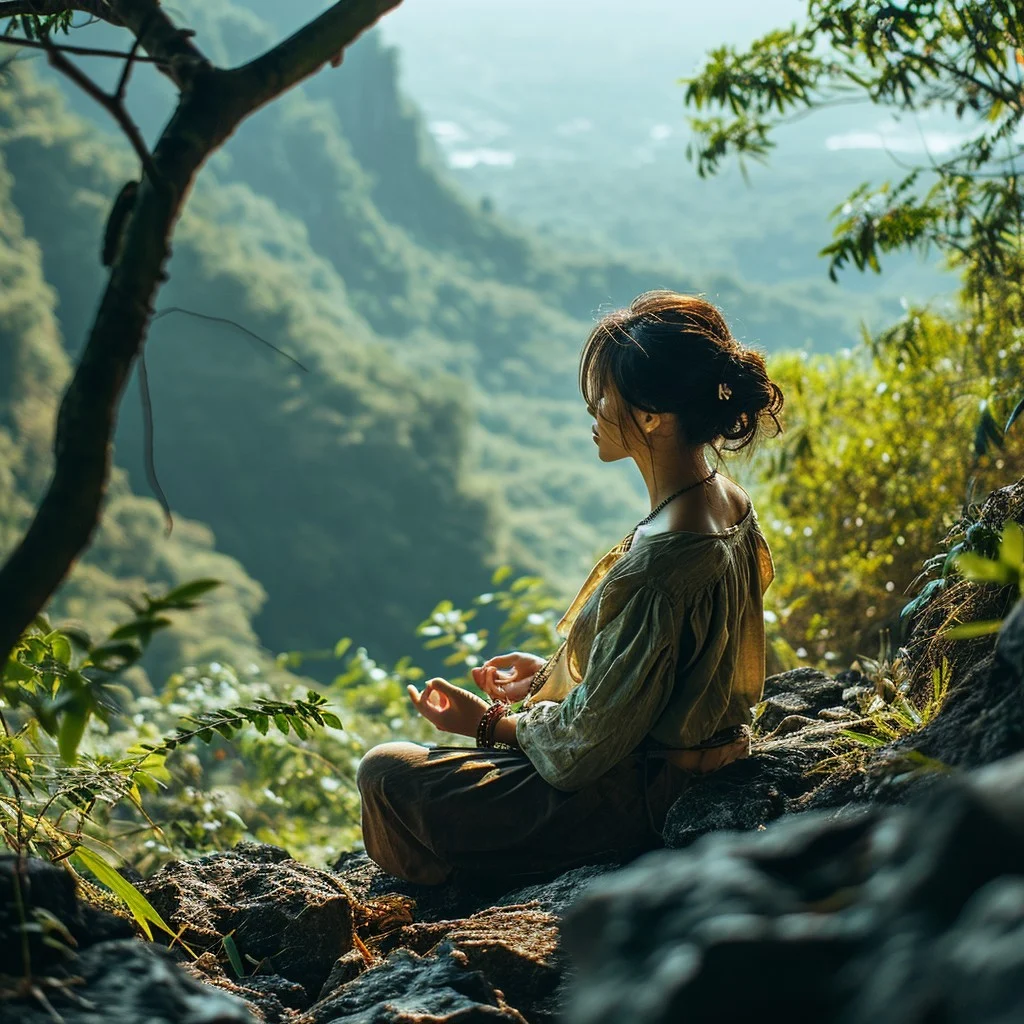
Your Sri Lanka Solo Adventure Awaits
Meet like-minded travelers · Explore ancient wonders · Create unforgettable memories
Sri Lanka Beaches 2026: The Ultimate Guide to the Island’s Best Coastal Escapes
Sri Lanka Beaches 2026: The Ultimate Guide to the Island’s Best Coastal Escapes
Introduction: Sri Lanka’s Coastal Paradise
Sri Lanka is a beach lover’s dream. With over 1,340 kilometers (830 miles) of sandy coastline [8†L7], this teardrop-shaped island in the Indian Ocean offers an extraordinary variety of coastal experiences. From lively surf towns and family-friendly bays to secluded stretches of powder-white sand, Sri Lanka has a beach for every type of traveler.
In 2026, the global travel authority Lonely Planet recognized 13 Sri Lankan beaches as among the finest coastal escapes in the region, cementing the island’s reputation as a world-class tropical destination. Whether you’re a surfer chasing the perfect wave, a family looking for calm, shallow waters, or a couple seeking a romantic hideaway, Sri Lanka’s beaches deliver.
The island’s unique geography means that there’s almost always a beach in season somewhere. Two monsoon systems hit opposite coasts at opposite times, so when the southwest is rainy, the east coast is glorious and vice versa. This guide will help you navigate the best beaches by coast, season, and travel style.
Best Time to Visit Sri Lanka’s Beaches
Choosing the right time to visit is crucial for a perfect beach holiday. Sri Lanka’s two monsoon seasons create distinct “beach seasons” on different coasts:
South & West Coast (Best: November – April)
The south and west coasts home to Unawatuna, Mirissa, Bentota, Hikkaduwa, and Negombo shine during the dry season from November to April . During this period, you can expect sunny skies, calm seas, and perfect conditions for swimming, snorkeling, and water sports. December to March is the peak season, offering the most reliable weather.
East Coast (Best: May – September)
When the southwest monsoon arrives, the east coast comes alive. From May to September, beaches like Nilaveli, Uppuveli, Pasikudah, and Arugam Bay enjoy dry conditions, calm seas, and excellent surf . This is the prime time for snorkeling, diving, and catching world-class waves at Arugam Bay.
Shoulder Seasons (April & September–October)
The transition months of April and September–October offer agreeable weather across the entire country, making them ideal for travelers who want to explore both coasts.
The Best Beaches in Sri Lanka: A Coast-by-Coast Guide
South Coast: The Classic Beach Belt
The south coast is Sri Lanka’s beach heartland, offering a perfect mix of golden sands, excellent facilities, and easy access to cultural attractions like Galle Fort.
Unawatuna Beach – Best Beach Overall
Just a few kilometers from Galle, Unawatuna is one of Sri Lanka’s most famous and beloved beaches. Its sheltered crescent shape provides calm, swimmable waters that are perfect for families and casual swimmers. The beach is lined with restaurants, bars, and shops, creating a vibrant yet relaxed atmosphere. With its shallow spots and coral reefs, Unawatuna is also excellent for beginner-friendly snorkeling. Lonely Planet named Unawatuna the “Best beach overall” in Sri Lanka.
Mirissa Beach – Best for Whale Watching
Mirissa is a crescent-shaped stretch of soft golden sand framed by tall palms. This laid-back beach town has become famous for two things: whale watching and stunning sunsets. Morning boat tours from Mirissa offer some of the best opportunities in the world to spot blue whales, sperm whales, and dolphins. The beach retains its original, natural charm with no chain hotels just small guesthouses, beachfront restaurants, and a relaxed, bohemian vibe. Don’t miss the Instagram-famous Coconut Tree Hill for panoramic coastal views. Lonely Planet named Mirissa the “Best beach for whale watching”.
Weligama Beach – Best for Beginner Surfers
Weligama’s long, sandy bay with gentle waves and shallow waters makes it the perfect place to learn to surf. The beach is lined with surf schools offering lessons for all levels, and the consistent, forgiving waves create an ideal environment for beginners. Lonely Planet recognized Weligama as the “Best beach for beginner surfers”.
Tangalle – Best for Total Relaxation
For those seeking peace and quiet, Tangalle offers long, open stretches of golden sand that feel refreshingly low-key and uncrowded. Silent Beach (Amanwella) lives up to its name a pristine stretch of white sand and turquoise water that feels wilder and more exclusive than the busier beaches further west. Lonely Planet named Mawella Beach (near Tangalle) the “Best beach for total relaxation”.
Hiriketiya Beach – Best for Amenities
Hiriketiya is a stunning horseshoe-shaped bay that has become the hipster capital of the south. The calm, protected waters are ideal for swimming and relaxing, while the laid-back vibe attracts yoga lovers, surfers, and foodies. Lonely Planet recognized Hiriketiya as the “Best beach for amenities”.
Hikkaduwa – Best for Snorkeling & Nightlife
A staple of Sri Lanka’s tourist trail since the 1970s, Hikkaduwa is known for its beaches, coral reefs, surf breaks, and vibrant nightlife. The coral structures are near land, forming shallow snorkel areas and calm pools where you can swim with sea turtles. The beach road is lined with cafes, bars, and shops, making days busy and evenings entertaining.
West Coast: Resorts, Rivers & Easy Access
Closest to the airport and Colombo, the west coast is perfect for a first or last beach stop.
Bentota Beach – Best on the West Coast
Bentota offers broad golden sands and calm waters protected by a lagoon. It is the main hub for water sports in Sri Lanka, with activities including jet skiing, banana boat rides, kayaking, windsurfing, and river safaris through the mangroves. Bentota combines easy luxury with organized, predictable swimming conditions. Lonely Planet named Bentota the “Best beach on the west coast”.
Negombo – The Airport Beach
Just 20 minutes from Bandaranaike International Airport, Negombo is the convenient gateway beach. Its 6-kilometer stretch of silver sand is lined with palms, fishing boats, and seafood restaurants. It’s the ideal spot for a soft landing or exit point, offering fresh seafood, steady breezes, and easy access to shops and restaurants.
Kalpitiya – Best for Kitesurfing
Kalpitiya is Sri Lanka’s kitesurfing capital. The peninsula offers a lagoon on one side with flat, shallow water ideal for beginners, and the open ocean with more challenging wind and waves for experienced riders. The main kitesurfing season runs from mid-May to mid-October, when southwest winds blow strong and consistent at 15 to 30 knots. Lonely Planet named Kalpitiya the “Best beach for kitesurfing”.
East Coast: Turquoise Water & World-Class Surf
When the south sleeps, the east wakes up. The east coast offers some of Sri Lanka’s most beautiful and uncrowded beaches.
Nilaveli Beach – Best for Snorkeling & Diving
Nilaveli’s 4-kilometer stretch of soft white sand is considered one of Sri Lanka’s best beaches. With its paradise-island remoteness, swaying palms, and calm, shallow waters, it offers a truly idyllic escape. From Nilaveli, take a boat to Pigeon Island National Park for world-class snorkeling and diving with reef sharks, sea turtles, and vibrant coral. Lonely Planet named Nilaveli the “Best beach for snorkeling and diving”.
Pasikudah – Best for Families
Pasikudah is known for having one of the longest shallow coastlines in the world. You can walk kilometers out into the ocean, and the weak currents make the waters here incredibly safe for swimming. This makes Pasikudah the safest and most relaxing beach in Sri Lanka for wading, water sports, and family holidays. The beach is fringed by coconut trees and offers a laid-back, luxurious atmosphere.
Arugam Bay – Best for Surfing
Arugam Bay is the surf capital of Sri Lanka. The bay’s world-class point breaks, including Main Point, Whiskey Point, and Crocodile Rock, attract surfers from around the globe. The best surf season runs from April to October, when the east coast benefits from the southwest monsoon. Even if you don’t surf, the chilled-out surfer vibe, friendly locals, and laid-back culture are infectious. Lonely Planet named Arugam Bay the “Best beach for surfing”.
Hidden Gems & Off-the-Beaten-Path Beaches
For travelers willing to venture beyond the famous names, Sri Lanka offers several hidden coastal treasures:
-
Dalawella Beach – Famous for its iconic palm tree swings and the opportunity to swim with sea turtles
-
Kabalana Beach – A stunning stretch of golden sand near Ahangama, known for its powerful A-frame reef break for advanced surfers
-
Kalkudah Beach – A quiet, serene beach on the east coast with golden sands and calm turquoise waters
-
Casuarina Beach (Jaffna) – Named after the Casuarina trees lining the shore, offering incredibly shallow and calm waters in the north
-
Mawella Beach – A serene 3-kilometer stretch near Tangalle with calm, swimmable waters and boutique accommodations
Activities at Sri Lanka’s Beaches
Sri Lanka’s beaches offer far more than just sunbathing. Here are some of the top activities to enjoy:
Surfing
From beginner-friendly Weligama to the world-class breaks of Arugam Bay, Sri Lanka has waves for every skill level. Other top surf spots include Hiriketiya, Kabalana, and Hikkaduwa.
Snorkeling & Diving
The coral reefs of Hikkaduwa, the shallow waters of Unawatuna, and the marine-rich Pigeon Island near Nilaveli offer incredible underwater experiences.
Whale Watching
Mirissa is one of the best places on Earth to spot blue whales, sperm whales, and dolphins. The best season for whale watching is December to April.
Water Sports
Bentota is the hub for jet skiing, kayaking, windsurfing, and banana boat rides. Pasikudah offers excellent conditions for windsurfing and kayaking.
Kitesurfing
Kalpitiya is emerging as one of Asia’s leading kitesurfing destinations, with consistent winds and flat lagoon waters.
Turtle Watching
Several beaches, including Dalawella and Rekawa, offer opportunities to see sea turtles either swimming in the water or nesting on the shore.
Beach Safety Tips
While Sri Lanka’s beaches are beautiful, it’s important to stay safe:
-
Always check local flags and currents conditions vary by beach and season
-
Swim only in designated safe areas some beaches have strong rip currents
-
Avoid swimming during the monsoon season on the affected coast
-
Wear reef-safe sunscreen to protect the marine environment
-
Stay hydrated Sri Lanka’s tropical sun is intense
Practical Travel Tips for Your Sri Lanka Beach Holiday
Getting There
Fly into Bandaranaike International Airport (Colombo). From there, the west coast beaches (Negombo, Bentota) are just a short drive away. The south coast is 2-4 hours by car, and the east coast requires a longer journey (5-7 hours) but is well worth the trip.
Where to Stay
-
Luxury resorts: Bentota, Pasikudah, and Tangalle offer high-end beachfront properties
-
Boutique hotels: Mirissa, Unawatuna, and Hiriketiya have charming boutique options
-
Budget guesthouses: Available throughout the coast, especially in Hikkaduwa and Arugam Bay
What to Pack
-
Lightweight, breathable clothing
-
Swimwear and beach cover-ups
-
Reef-safe sunscreen, hat, and sunglasses
-
Comfortable sandals or water shoes
-
Snorkel gear (or rent locally)
-
Insect repellent
Conclusion: Your Perfect Beach Awaits
Sri Lanka’s coastline is a treasure trove of experiences, each beach narrating its own story. Whether you’re drawn to the lively shores of Unawatuna, the serene beauty of Nilaveli, the surf breaks of Arugam Bay, or the family-friendly shallows of Pasikudah, this island has a beach that’s perfect for you.
In 2026, with 13 beaches recognized by Lonely Planet as among the finest coastal escapes, there’s never been a better time to explore Sri Lanka’s stunning coastline. The golden rule is simple: follow the monsoon, choose the right coast, and dive into the adventure.
Start planning your Sri Lanka beach getaway today the Pearl of the Indian Ocean is waiting!
Book Your Dream Getaway to Sri Lanka Today!
Contact Us Today!
Ready to plan your dream group tour in Sri Lanka? Let us help you craft the perfect itinerary for a truly magical experience.
👉 Contact Rediscover Sri Lankanow to explore our Sri Lanka group tour packages, designed for families, solo travelers, and adventure seekers alike.
Reviews and Recommendations
Don’t just take our word for it! Check out these incredible reviews from past travelers:
- Tripadvisor: Read about other travelers’ experiences on Tripadvisor, where Rediscover Sri Lanka has garnered rave reviews for its safe and well-organized tours.
- Trustpilot: Visit Trustpilot for more real-life testimonials from travelers who have fallen in love with Sri Lanka’s beauty and hospitality.
Book Your Adventure
Ready to experience this coastal paradise? Plan your trip with Rediscover Journeys and create unforgettable memories at Hiriketiya Beach.
📩 Visit: Rediscover Journeys to book now.
Contact Us Today!
Ready to plan your dream group tour in Sri Lanka? Let us help you craft the perfect itinerary for a truly magical experience.
👉 Contact Rediscover Journeys now to explore our Sri Lanka group tour packages, designed for families, solo travelers, and adventure seekers alike.
Reviews and Recommendations
Don't just take our word for it! Check out these incredible reviews from past travelers:
Read about other travelers' experiences on TripAdvisor, where Rediscover Journeys has garnered rave reviews for its safe and well-organized tours.
Read ReviewsVisit Trustpilot for more real-life testimonials from travelers who have fallen in love with Sri Lanka's beauty and hospitality.
Read ReviewsExplore Related Topics

Frequently Asked Questions
Everything you need to know about traveling in Sri Lanka