
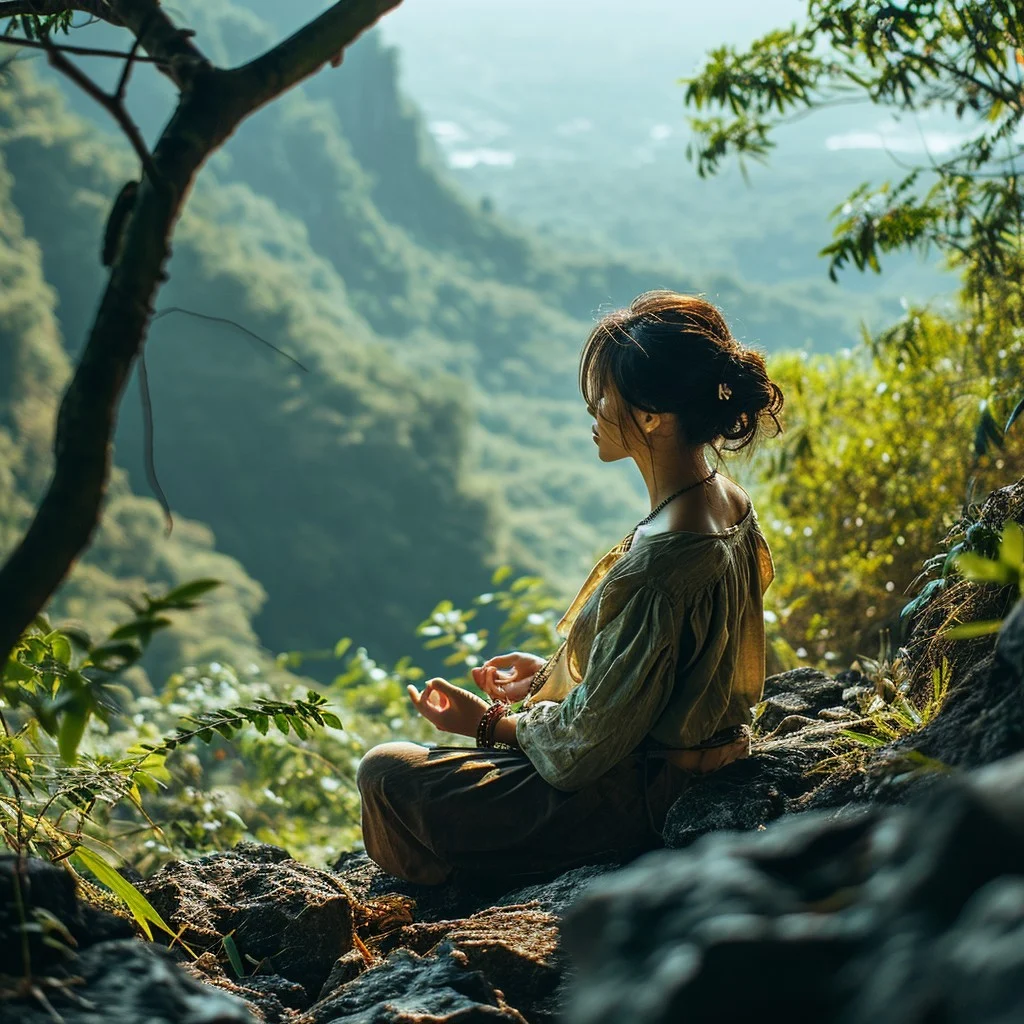
Your Sri Lanka Solo Adventure Awaits
Meet like-minded travelers · Explore ancient wonders · Create unforgettable memories
Elephants in Sri Lanka: The Ultimate Guide to Spotting Asia’s Gentle Giants
Elephants in Sri Lanka: The Ultimate Guide to Spotting Asia’s Gentle Giants
Introduction: The Giants of the Pearl of the Indian Ocean
There is something truly magical about watching a herd of elephants in the wild. These gentle giants, with their slow, deliberate movements and deep family bonds, have captivated humans for centuries. And in Sri Lanka, you have one of the best opportunities in the world to witness them up close.
Sri Lanka is home to its own unique subspecies of the Asian elephant the Sri Lankan elephant (Elephas maximus maximus) . With an estimated population of over 6,000, the island boasts the highest density of elephants in Asia. These magnificent creatures are not just a wildlife attraction they are deeply woven into the country’s culture, religion, and history.
This comprehensive guide will take you through everything you need to know about elephants in Sri Lanka from the best places to see them and the famous annual Elephant Gathering to conservation challenges and tips for responsible wildlife viewing.
The Sri Lankan Elephant: A Unique Subspecies
The Sri Lankan elephant (Elephas maximus maximus) is one of three recognized subspecies of the Asian elephant and is native exclusively to Sri Lanka. It is the largest of all Asian elephant subspecies.
Physical Characteristics
These magnificent animals reach a shoulder height of between 2 and 3.5 meters (6 ft 7 in to 11 ft 6 in) and weigh between 2,000 and 5,500 kg (4,400 to 12,100 lb) . They have 19 pairs of ribs and darker skin than other Asian elephant subspecies, with larger and more distinct patches of depigmentation on their ears, face, trunk, and belly.
A Unique Feature: Tusklessness
One fascinating characteristic of Sri Lankan elephants is that fewer than 7% of males have tusks. This makes spotting a tusker a rare and special experience. In Sri Lanka, these tuskers are highly prized and often feature prominently in religious processions and cultural events.
Distribution
Today, Sri Lankan elephants are largely restricted to the dry zone in the north, east, and southeast of the island. They are present in several national parks, including Udawalawe, Yala, Lunugamvehera, Wilpattu, and Minneriya, but they also live outside protected areas.
Best Places to See Elephants in Sri Lanka
Sri Lanka offers some of the most accessible and authentic wild elephant sightings in Asia. Here are the top locations:
1. Minneriya National Park – Home of the Elephant Gathering
Minneriya National Park is the crown jewel of elephant viewing in Sri Lanka. Built by King Mahasen in the 3rd century AD, the ancient Minneriya Tank (reservoir) is the stage for one of the world’s greatest wildlife spectacles The Gathering of the Elephants.
Between July and October, hundreds of elephants converge around the Minneriya Tank as the dry season sets in. The shrinking water levels expose fresh green grass, which attracts herds from across the region. On a good day, you can witness up to 300 elephants at once babies trailing their mothers, adolescent males mock sparring, and whole families bathing in the golden light of evening.
When to visit: The elephant gathering takes place between July and September at Minneriya, but herds can also be seen at nearby Kaudulla National Park and Hurulu Eco Park between June and December.
2. Kaudulla National Park – The Neighbouring Spectacle
Located near Polonnaruwa, Kaudulla National Park is a dry evergreen forest set around the ancient Kaudulla Reservoir. Like Minneriya, it hosts hundreds of elephants during the dry season. The park is also home to wild boar, sambar deer, leopards, sloth bears, and over 160 bird species.
Insider tip: Visit during the early morning or late afternoon for the best viewing opportunities when elephants are most active.
3. Udawalawe National Park – Elephants Year-Round
Udawalawe National Park in southwest Sri Lanka is one of the island’s best places to see elephants in the wild. Declared Sri Lanka’s fifth national park in 1972, it now covers nearly 31,000 hectares.
Unlike other parks where elephant sightings can be seasonal, Udawalawe offers excellent elephant viewing year-round. Its resident herds of Asian elephants are the headline attraction, but sightings also include wild buffalo, sambar, deer, and leopards.
A standout feature is the Elephant Transit Home, a conservation project backed by the Born Free Foundation. Four times daily, visitors can watch young elephants being bottle-fed before they are released back into the wild at five years old.
4. Wasgamuwa National Park – Off the Beaten Path
Wasgamuwa National Park is a protected natural area known for its diverse wildlife, including native elephants, leopards, and bears. It offers a less crowded alternative to some of the more popular parks.
5. Kala Wewa National Park & Galgamuwa Forest Range – Rare Tuskers
For those hoping to spot a tusker, Kala Wewa National Park and the Galgamuwa Forest Range offer the best chances of this rare and rewarding experience.
6. Somawathiya and Maduru Oya National Parks – Raw, Unfiltered Wildlife
Seeing wild elephants in Somawathiya and Maduru Oya National Parks offers a raw, unfiltered glimpse into Sri Lanka’s untamed eastern wildlife.
7. Gal Oya Valley National Park – Swimming Elephants
Almost entirely undiscovered by visitors, Gal Oya in the Uva and Eastern provinces is a watery wonderland on the Senanayake Samudraya reservoir where you can sometimes spot swimming elephants. This park is the only place in the country that offers boat safaris in addition to walking safaris.
8. Lahugala National Park – The Smallest Park
Sri Lanka’s smallest national park, Lahugala, is not far from Arugam Bay on the east coast. Come early morning to see the park’s resident crocodiles basking in the sun, or late afternoon to observe the elephants feeding.
The Elephant Gathering: Asia’s Largest Wildlife Spectacle
The Elephant Gathering at Minneriya and Kaudulla National Parks is one of the world’s most spectacular wildlife phenomena. Here’s what makes it so special:
Why Does It Happen?
During the wet season, elephants remain dispersed across the landscape. But as the dry season intensifies between July and October, water sources elsewhere start drying up, and elephants converge on the ancient reservoirs.
Recent research suggests that it is not just water that attracts them but the abundant grasslands around the tanks that make the area so attractive. As the water level recedes, flat expanses of fertile lakebed give way to tender green grass.
What You’ll See
The gathering is a unique opportunity to witness the social behaviour and group dynamics of elephants on a grand scale:
-
Matriarch-led family troops consisting of closely related females and their young
-
Bachelor herds of younger males who have been cut from the apron strings
-
Mature bulls who tend to be more solitary but will mingle with herds, especially during mating opportunities
-
Dominant males in ‘musth’ (an annual phase of increased testosterone) displaying aggressive behaviour
As the elephants cascade into Minneriya, socializing, breeding, and guarding calves, watching them becomes like peering into an open library of elephant behaviour.
The Economic Impact
The elephant gathering has proved so popular with ecotourists that the financial benefit to the region from visitor fees and local businesses is estimated at close to £11 million. This figure easily outstrips the amount made from higher agricultural yields, making the elephants not just cultural icons but economic assets.
Pinnawala Elephant Orphanage: A Conservation Success Story
The Pinnawala Elephant Orphanage is one of Sri Lanka’s most famous attractions. Established in 1975 by the Sri Lanka Department of Wildlife Conservation, it was founded to care for and protect orphaned, injured, and abandoned wild elephants.
Key Facts
-
Located in Pinnawala village, 13 km northeast of Kegalle
-
Home to the largest herd of captive elephants in the world
-
In 2023, there were 71 elephants (30 males and 41 females from 3 generations)
-
In 2021, a 25-year-old elephant named Surangi gave birth to twin male elephants the first birth of twin elephants in Sri Lanka after a gap of 80 years
The Highlight: River Bathing
The highlight of Pinnawala is watching the elephants being taken to bathe in the river. This happens twice daily and is a truly memorable sight. The orphanage is also used as a breeding centre for elephants, which belong to the National Zoo in Sri Lanka.
Cultural Significance of Elephants in Sri Lanka
Elephants are not just a wildlife attraction in Sri Lanka they are part of the island’s identity and history.
Historical Significance
Prior to Sri Lanka’s colonial period, elephants were widely distributed from the coast to the highest mountain ranges. They were a common element in Sinhalese and Sri Lankan Tamil heraldry and royalty for over two thousand years. The coat of arms and the flag of Ceylon from 1875 to 1948 included an elephant, and even today many institutions use the Sri Lankan elephant in their coat of arms.
Religious Significance
The religious use of elephants in Sri Lanka has its origins in the early period of Buddhism, dating back to the 3rd century BCE. Elephants and tuskers are a part of Buddhist culture and even in Jathaka stories, which relate stories of the Bodhisattva being born as a noble elephant in many births.
Today, elephants are used to carry the relics of the Buddha in religious ceremonies and rituals. Many religious processions feature a retinue of elephants, suitably caparisoned for ceremonial, cultural, and religious pageants.
The Association with Kingship
The elephant has a very symbolic significance in Buddhist and Hindu cosmology. Elephants were used for warfare and for ritual cultural practices. Sri Lankan elephants were found to easily adapt to war and were considered better than those from the mainland.
Conservation Challenges: The Human-Elephant Conflict
Despite their cultural and ecological importance, elephants in Sri Lanka face a growing threat Human-Elephant Conflict (HEC) .
The Scale of the Problem
Today, HEC represents the single greatest conservation challenge facing Sri Lanka, claiming the lives of both people and elephants every year. From 2011 to mid-2025, 4,600 elephants and 1,528 people have died as a result of the escalating conflict.
Causes of the Conflict
Rapid habitat loss, agricultural expansion, and fragmented landscapes have driven elephants out of their traditional ranges, leading to direct conflict with humans. Several large-scale infrastructure projects including Sri Lanka’s second international airport, a seaport, and industrial zones have been established by clearing traditional elephant habitats.
Recent Tragedies
The human cost is heartbreaking. In August 2025, a 7-year-old girl named Thinuli was trampled to death by an elephant while helping her father in his fields in Hambantota. Two months later, a pregnant female elephant was found shot dead near a crop field, the fatal bullet claiming not only her life but also that of her unborn calf.
Conservation Efforts
Despite having reliable data on Asian elephant behaviour, local scientists lament that Sri Lanka is not adopting a scientific approach to find solutions to HEC while repeating past mistakes.
Experts urge a shift from elephant drives to implementing coexistence strategies, including habitat management and community-based fencing, as outlined in Sri Lanka’s national action plan to mitigate human-elephant conflict. Restoring elephant corridors is expected to help minimize human-elephant clashes by allowing elephants to follow their natural migratory routes.
Responsible Elephant Tourism: How to Be an Ethical Visitor
As travelers, we have a responsibility to support conservation efforts and practice responsible wildlife viewing.
Do’s and Don’ts
DO:
-
Choose ethical elephant experiences that prioritize animal welfare
-
Visit reputable parks and orphanages like Pinnawala that focus on conservation
-
Keep a respectful distance from elephants never approach them on foot
-
Listen to your guide or driver they know the animals and their behavior
-
Support eco-friendly tour operators that contribute to conservation
DON’T:
-
Don’t ride elephants many ethical concerns surround elephant riding
-
Don’t feed or attempt to attract wild elephants
-
Don’t make loud noises or sudden movements
-
Don’t crowd the animals
Tips for Your Elephant Safari
Best Time to Visit
-
The Gathering (July to October): Witness hundreds of elephants at Minneriya or Kaudulla
-
Year-round: Udawalawe offers excellent elephant viewing all year
-
Early morning or late afternoon: Elephants are most active during these cooler hours
What to Pack
-
Neutral-colored clothing (bright colors may scare animals)
-
Binoculars and a zoom lens for photography
-
Sunscreen, hat, and sunglasses
-
Comfortable shoes
-
A reusable water bottle
Booking a Safari
Consider choosing a reputable tour operator that offers tailor-made tours with experienced guides. Private safaris with local hotel transfers are widely available and offer a more personalized experience.
Conclusion: Protecting Sri Lanka’s Gentle Giants
Elephants are not just a symbol of Sri Lanka they are a keystone species whose movement shapes forests, disperses seeds, and maintains ecological balance in ways that benefit countless other species.
Yet these magnificent creatures are at a crossroads. With human-elephant conflict escalating and habitat shrinking, urgent action is needed to protect them. As travelers, we have a role to play by choosing ethical wildlife experiences, supporting conservation efforts, and spreading awareness about the challenges elephants face.
Whether you witness the spectacular Elephant Gathering at Minneriya, watch baby elephants being bottle-fed at the Pinnawala Orphanage, or spot a lone tusker in the forests of Udawalawe, encountering elephants in Sri Lanka is an experience that will stay with you forever.
Book your Sri Lanka elephant safari today and witness the gentle giants of the Pearl of the Indian Ocean!
Book Your Dream Getaway to Sri Lanka Today!
Contact Us Today!
Ready to plan your dream group tour in Sri Lanka? Let us help you craft the perfect itinerary for a truly magical experience.
👉 Contact Rediscover Sri Lankanow to explore our Sri Lanka group tour packages, designed for families, solo travelers, and adventure seekers alike.
Reviews and Recommendations
Don’t just take our word for it! Check out these incredible reviews from past travelers:
- Tripadvisor: Read about other travelers’ experiences on Tripadvisor, where Rediscover Sri Lanka has garnered rave reviews for its safe and well-organized tours.
- Trustpilot: Visit Trustpilot for more real-life testimonials from travelers who have fallen in love with Sri Lanka’s beauty and hospitality.
Book Your Adventure
Ready to experience this coastal paradise? Plan your trip with Rediscover Journeys and create unforgettable memories at Hiriketiya Beach.
📩 Visit: Rediscover Journeys to book now.
Contact Us Today!
Ready to plan your dream group tour in Sri Lanka? Let us help you craft the perfect itinerary for a truly magical experience.
👉 Contact Rediscover Journeys now to explore our Sri Lanka group tour packages, designed for families, solo travelers, and adventure seekers alike.
Reviews and Recommendations
Don't just take our word for it! Check out these incredible reviews from past travelers:
Read about other travelers' experiences on TripAdvisor, where Rediscover Journeys has garnered rave reviews for its safe and well-organized tours.
Read ReviewsVisit Trustpilot for more real-life testimonials from travelers who have fallen in love with Sri Lanka's beauty and hospitality.
Read ReviewsExplore Related Topics

Frequently Asked Questions
Everything you need to know about traveling in Sri Lanka