
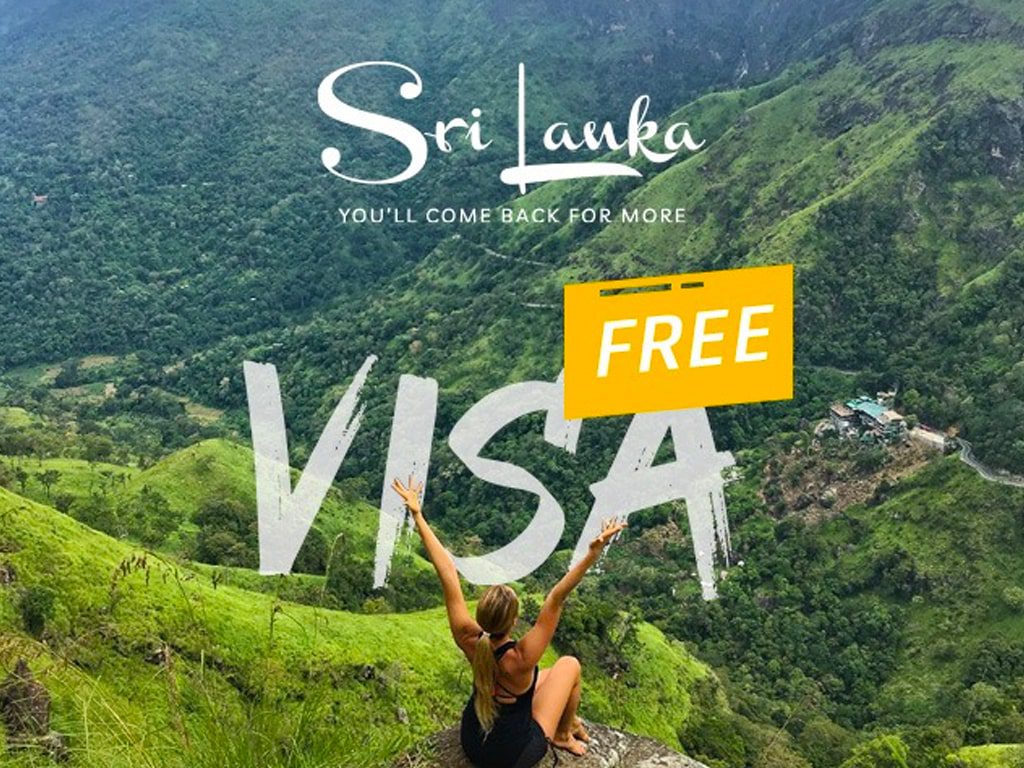
Everything You Need to Know About Sri Lanka ETA 2026: Free Visa Rules & 9 Mistakes That Will Get You Deported
Sri Lanka ETA 2026: Free Visa Rules & 9 Mistakes That Will Get You Deported So, you’ve booked your flights to the pearl of the Indian Ocean, found the perfect beach villa, and packed your bags. But there is one piece of the puzzle that can make or break your entire trip: the Sri Lanka ETA …
Sri Lanka ETA 2026: Free Visa Rules & 9 Mistakes That Will Get You Deported
So, you’ve booked your flights to the pearl of the Indian Ocean, found the perfect beach villa, and packed your bags. But there is one piece of the puzzle that can make or break your entire trip: the Sri Lanka ETA (Electronic Travel Authorization).
For many, the visa process feels like a bureaucratic maze designed to confuse you. But understanding what a visa actually is—and more importantly, the common mistakes people make with Sri Lanka’s system—is the key to stress-free travel.
Here is your no-nonsense guide to navigating Sri Lanka’s visa rules and avoiding the costly errors that ruin holidays.
Part 1: What Exactly is a Travel Visa?
At its most basic level, a travel visa is an official document or stamp placed in your passport that grants you permission to enter, stay, or leave a specific country for a specific purpose.
Think of your passport as your “identity card” to the world. The visa is the “entry ticket” that the host country gives you.
The Two Golden Rules of Visas
-
The Country Chooses You: You do not have a “right” to enter a foreign country. Even if you have a visa, the border officer has the final authority to deny you entry.
-
Purpose Matters: Visas are usually issued for specific reasons:
-
Tourist Visa: For sightseeing, holidaying, visiting friends and relatives, or medical treatments.
-
Business Purpose Visa: For business visits for a short period of time.
-
Transit Visa: For passing through a country to catch a connecting flight.
-
Residence Visa: For long-term stays like employment, study, or investment.
-
Part 2: Sri Lanka’s Visa System – What You Need to Know
Sri Lanka uses an Electronic Travel Authorization (ETA) system for most short-term visitors. Here’s the game-changing news: as of May 25, 2026, Sri Lanka offers free tourist visas (ETA) for citizens of 40 countries for stays of up to 30 days with double-entry permitted.
Who Gets the Free ETA?
The 40 eligible countries include Australia, Austria, Bahrain, Belarus, Belgium, Canada, China, Czech Republic, Denmark, Finland, France, Germany, India, Indonesia, Iran, Israel, Italy, Japan, Kazakhstan, Kuwait, Malaysia, Nepal, Netherlands, New Zealand, Norway, Oman, Pakistan, Poland, Qatar, Russia, Saudi Arabia, South Korea, Spain, Sweden, Switzerland, Thailand, Turkey, the UAE, the UK, and the USA.
⚠️ Critical: Even though the fee is waived, you must still apply for the ETA online before you travel. The visa-on-arrival facility has been largely phased out.
Step-by-Step: How to Apply for a Sri Lanka ETA
-
Visit the official ETA website: https://eta.gov.lk
-
Complete the online application form (available in multiple languages, including Chinese)
-
Submit your application — processing usually takes 24 hours
-
Download and print your ETA Approval Notice — the Acknowledgement Notice is not sufficient for entry
Documents You’ll Need
-
Passport valid for at least 6 months from the date of arrival
-
Confirmed return or onward ticket
-
Proof of sufficient funds (minimum $50 USD per day recommended)
-
Hotel booking or place of stay confirmation
-
One recent passport-sized photograph (3.5cm x 4.5cm)
Part 3: The 9 “DON’TS” — Critical Mistakes to Avoid in Sri Lanka
Here is where most travelers get into trouble. Avoiding these pitfalls will save you money, heartache, and a potential ban from the country.
❌ 1. DON’T Overstay Your Visa
This is the cardinal sin of travel. Your ETA is valid for 30 days from the date of first arrival. If you are allowed 30 days, do not stay 31.
-
The Consequence: Overstaying comes with heavy penalties:
-
Overstay up to 7 days: applicable visa fee
-
Overstay 7–14 days: USD 250 + applicable visa fee
-
Overstay over 14 days: USD 500 + applicable visa fee
-
In severe cases: deportation, imprisonment, or a re-entry ban.
-
-
The Tip: Set an alarm for 48 hours before expiry. Need more time? Apply for an extension at the Department of Immigration & Emigration in Battaramulla or online at https://eservices.immigration.gov.lk.
❌ 2. DON’T Work on a Tourist Visa
This applies to digital nomads too! Tourist visas are strictly for sightseeing, holidaying, visiting friends, or medical treatment — not for employment.
-
The Consequence: Misusing a tourist visa for irregular employment can lead to imprisonment, heavy penalties, and deportation.
-
The Tip: If you need to work remotely, look into Sri Lanka’s Residence Visa categories for employment or investment purposes.
❌ 3. DON’T Lie on Your Application
Do not fudge your employment history, hide a criminal record, or state a “hotel” address if you’re actually staying with a friend.
-
The Consequence: Once submitted, mistakes cannot be fixed. If caught in a lie, your application will be rejected, and you could be blacklisted.
-
The Tip: Double-check your date of birth and passport number before hitting submit. Be 100% honest.
❌ 4. DON’T Apply Too Late
Don’t assume the 24-hour processing time means you can apply the day before your flight.
-
The Consequence: If flagged for “further processing” (a “转办通知”), you’ll need to visit a Sri Lankan embassy in person— and you’ll miss your flight.
-
The Tip: Apply at least 7 working days before your departure.
❌ 5. DON’T Forget to Check Your Passport Validity
Sri Lanka strictly requires your passport to be valid for at least six months beyond your arrival date.
-
The Consequence: You will be denied boarding at the airport, even with a valid ETA.
-
The Tip: If your passport expires in 8 months, renew it before applying for the ETA.
❌ 6. DON’T Assume “Free Visa” Means “No Rules”
Just because the fee is waived doesn’t mean you can skip the application.
-
The Consequence: Arriving without an ETA approval notice means you could be denied entry or even deported.
-
The Tip: Apply online at https://eta.gov.lk before you travel. Print your approval notice.
❌ 7. DON’T Use Third-Party Websites
There are many third-party websites offering Sri Lankan ETA services — and they charge exorbitant fees and sometimes steal your data.
-
The Consequence: You could pay 2–3 times the actual cost (or more) and receive nothing. The Embassy has received numerous complaints about these sites.
-
The Tip: Apply ONLY through the official ETA website: https://eta.gov.lk.
❌ 8. DON’T Ignore the Double-Entry Rules
The free 30-day ETA includes double-entry — but there’s a catch.
-
The Rule: You can leave and re-enter Sri Lanka once during the 30-day period, but the 30-day clock does not restart. The second entry only allows you the remaining balance of the original 30 days.
-
The Tip: Plan your exit and re-entry carefully. Don’t assume you get another 30 days!
❌ 9. DON’T Pack Your Passport in Checked Luggage
You need your passport for security, boarding, and immigration checks.
-
The Tip: Keep your passport on your person (in a secure money belt or zipped pocket) at all times during transit.
Part 4: Official Resources for Sri Lanka Travel
Bookmark these official websites — they are your best friends for a hassle-free trip:
| Resource | URL |
|---|---|
| Official ETA Application | https://eta.gov.lk |
| Department of Immigration & Emigration | https://www.immigration.gov.lk |
| ETA Online Extension | https://eservices.immigration.gov.lk |
| Sri Lanka Embassy (Beijing) — for Chinese Citizens | https://www.beijing.embassy.gov.lk |
| ETA Inquiries | [email protected] |
| Visa Inquiries | [email protected] |
| ETA Call Centre (24/7) | 0094 71 99 67 888 |
Final Thoughts
Getting a visa is a privilege, not a right. It’s a test of your attention to detail and your ability to follow rules.
If you treat the application process with respect and respect Sri Lanka’s laws while you’re there, you will have a safe, memorable, and hassle-free trip to this beautiful island nation.
Safe travels to Sri Lanka! 🇱🇰
TL;DR (Summary):
-
Do not overstay (penalties: $250–$500+)
-
Do not work on a tourist visa
-
Do not lie on your application
-
Do not use third-party websites — use eta.gov.lk only
-
Do not forget your passport must be valid for 6+ months
-
Do not assume “free” means “no application required”
-
Always apply early and print your ETA approval notice
Contact Us Today!
Ready to plan your dream journey in Sri Lanka? Let us help you craft the perfect itinerary for a truly memorable experience.
Contact Rediscover Sri Lanka to explore our tailor-made journeys, private tours and authentic Sri Lankan experiences.
Contact UsReviews and Recommendations.
Don't just take our word for it! Check out these incredible reviews from past travelers.
Read about other travelers' experiences with Rediscover Sri Lanka and explore reviews from guests who have travelled across the island.
Read ReviewsDiscover feedback from travelers who have experienced Rediscover Journeys and explored Sri Lanka with our team.
Read ReviewsBook Your Adventure.
Ready to experience Sri Lanka beyond the usual tourist trail? Let us create a private journey around your interests, pace and travel style.
Ready to Rediscover Sri Lanka?
Plan your trip with Rediscover Sri Lanka and create unforgettable memories at some of the island's most extraordinary places.
Visit Rediscover Sri Lanka to start planning your journey.
Plan Your JourneyEverything you need to know about traveling in Sri Lanka.
Sri Lanka is a year-round destination, but the best time depends on which part of the island you plan to explore. The west and south coasts are generally best from December to April, while the east coast is ideal from May to September.
Around 7 to 14 days is a good amount of time to experience Sri Lanka's highlights without rushing. A longer journey allows more time for wildlife, beaches, cultural sites, scenic train journeys and the hill country.
Most international travellers need travel authorisation or a visa to enter Sri Lanka, depending on their nationality and purpose of travel. Travellers should check the latest requirements through official Sri Lankan government channels before travelling.
Sri Lanka is a popular destination for international travellers. As with any destination, visitors should take normal precautions, look after their belongings, use reputable transport and follow local advice.
The official currency is the Sri Lankan Rupee (LKR). Your budget depends on accommodation, transportation, dining, activities and travel style. Sri Lanka offers everything from budget-friendly experiences to premium hotels and tailor-made luxury travel.