Everything You Need to Know About Trip to Sri Lanka: Complete First-Timer’s Guide 2026 | Expert Tips
Trip to Sri Lanka: The Complete Guide for Your First Visit A trip to Sri Lanka is unlike any other journey you will take. This small island packs in ancient rock fortresses, misty tea plantations, wildlife-rich national parks, golden beaches, and a culture that stretches back over two thousand years. But for first-time visitors, knowing […]
Trip to Sri Lanka: The Complete Guide for Your First Visit
A trip to Sri Lanka is unlike any other journey you will take. This small island packs in ancient rock fortresses, misty tea plantations, wildlife-rich national parks, golden beaches, and a culture that stretches back over two thousand years. But for first-time visitors, knowing how to navigate the island’s unique rhythms can transform a good trip into an unforgettable one.
This guide covers everything you need to plan your first trip to Sri Lanka — from visa requirements and weather patterns to cultural etiquette and practical tips that experienced travellers wish they had known before they arrived.
Getting Your Visa: The Free ETA for Your Trip to Sri Lanka
Before booking your flight, you need to sort out your Sri Lanka visa. The good news is that it has never been easier for many travellers.
Since May 25, 2026, Sri Lanka has waived the Electronic Travel Authorisation (ETA) fee for travellers from 40 countries, including the United Kingdom, United States, Australia, Canada, Germany, France, and many more. This means you can obtain a free 30-day tourist visa — but you still need to apply online before you travel.
What you need to know:
| Detail | Requirement |
|---|---|
| Visa type | Electronic Travel Authorisation (ETA) |
| Cost | Free for eligible nationalities |
| Duration | 30 days, double-entry |
| Application | Online, before departure |
| Passport validity | At least 6 months from entry |
| Requirements | Return ticket, accommodation details |
Important: Even though the fee is waived, the ETA approval remains mandatory. You must apply through Sri Lanka’s official ETA portal and receive confirmation before boarding your flight. Approval typically arrives within 24–48 hours.
If you plan to stay longer than 30 days, you can apply for an extension after arrival — standard extension fees apply.
Understanding Sri Lanka’s Two Monsoons
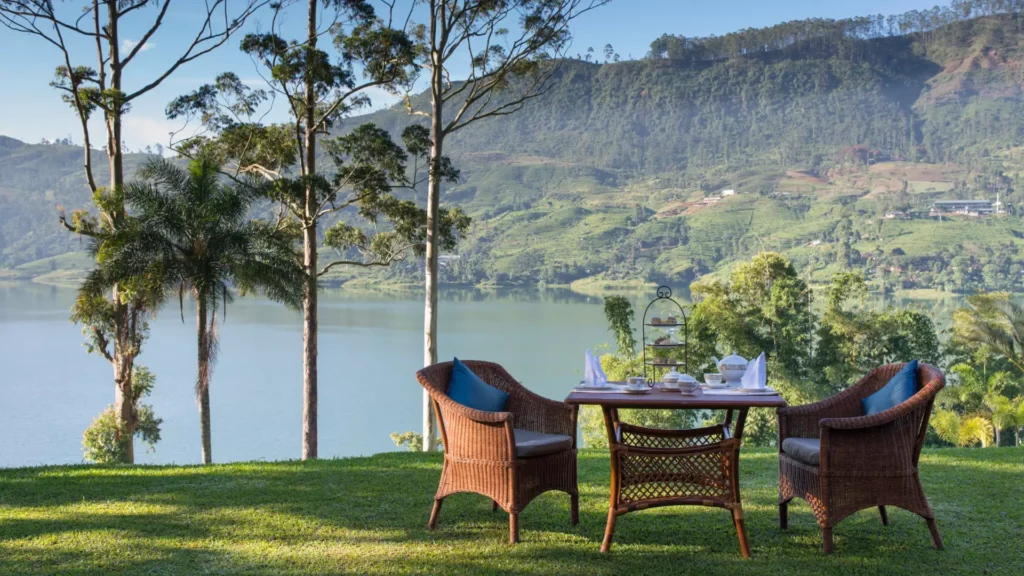
The single most important thing for first-time visitors to Sri Lanka to understand is this: the island doesn’t have one rainy season. It has two, and they hit opposite sides of the country at different times.
This is actually great news for travellers. It means that no matter when you visit, some part of Sri Lanka will be sunny and welcoming.
The Two Monsoons Explained
| Monsoon | Months | Affected Regions | Best Alternative |
|---|---|---|---|
| Yala (Southwest) | May – September | South coast, west coast, hill country | East coast (Trincomalee, Arugam Bay) |
| Maha (Northeast) | October – January | East coast, north | South and west coasts (Galle, Mirissa) |
Best Time to Visit by Region
For your first trip to Sri Lanka, the classic itinerary typically includes the Cultural Triangle (Sigiriya, Kandy), the hill country (Ella, Nuwara Eliya), and the south coast (Galle, Mirissa). This route works best from December to March.
Regional breakdown:
-
South & West Coast (Galle, Mirissa, Bentota): December – March
-
Cultural Triangle (Sigiriya, Kandy, Dambulla): December – March, also good July – August
-
Hill Country (Ella, Nuwara Eliya): January – March, July – September
-
East Coast (Trincomalee, Pasikuda): April – September
Pro tip for first-timers: December to March is peak season for the classic Sri Lanka route. Book accommodation and train tickets well in advance, especially around Christmas and New Year.
Cultural Etiquette: Respecting Sri Lanka’s Traditions
Sri Lanka is a deeply spiritual country with strong Buddhist, Hindu, Muslim, and Christian traditions. For first-time visitors, understanding and respecting local customs will make your travels smoother and more meaningful.
Temple Etiquette
When visiting temples and religious sites:
-
Cover your shoulders and knees before entering
-
Remove shoes and hats at religious sites and when entering homes
-
Never turn your back on a Buddha statue for photos, and don’t pose for selfies with religious statues
-
Don’t point your feet at people, religious icons, or sacred spaces
General Etiquette
-
Greet with a smile and a slight head nod or bow
-
Use your right hand to give and receive items, especially food or money
-
Avoid public displays of affection — this is frowned upon in most areas
-
Dress modestly in public spaces — cover up after leaving the beach
What to Wear
Sri Lanka is hot and humid, so pack lightweight, breathable clothing made from natural fabrics. Long maxi skirts, linen shorts, loose-fitting trousers, and sandals work well. For temple visits, bring a light scarf or sarong to cover your shoulders and knees.
If you’re visiting hill country towns like Nuwara Eliya, pack a sweater and light raincoat — temperatures can drop below 10°C in the evenings.
Getting Around: Why a Private Driver Changes Everything
Sri Lanka looks small on a map, but getting from A to B takes longer than you expect. Winding roads, traffic, and unpredictable public transport mean that covering what looks like a short distance can take hours.
Transport Options for First-Timers
Trains:
The train journey from Kandy to Ella is one of the most beautiful rail experiences in the world. The Nuwara Eliya to Ella stretch is considered the most spectacular, passing through tea country and crossing the iconic Nine Arches Bridge. Book tickets well in advance during peak season — they sell out fast.
Buses:
Cheap but hectic. Overcrowding and unclear schedules make buses challenging for first-time visitors, especially on rural routes.
Private Driver or Chauffeur-Guide:
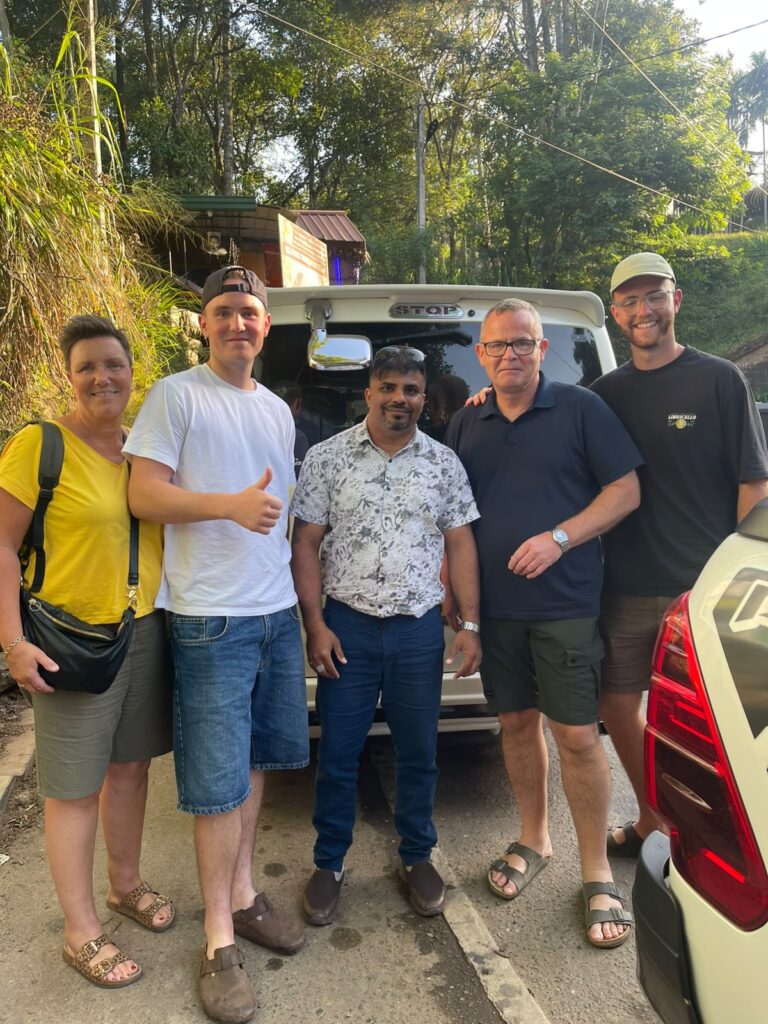
For first-time visitors, hiring a private driver or chauffeur-guide is the most comfortable and efficient way to explore Sri Lanka. It allows you to travel at your own pace, stop where you want, and benefit from local knowledge. Your driver can also help navigate language barriers, recommend authentic restaurants, and adjust plans based on weather or conditions.
Tuk-tuks:
Great for short distances in towns and cities. Agree on the fare before you start, or ask your hotel to arrange one.
Food: What to Expect and What to Try
Sri Lankan cuisine is bold, flavourful, and fiery. The food is spicier than most Western visitors expect — if someone says a dish is “a little spicy,” prepare for significant heat.
Must-Try Dishes
| Dish | Description |
|---|---|
| Rice and curry | The staple — rice with multiple curries, sambols, and papadum |
| Hoppers | Bowl-shaped pancakes, often served with an egg in the centre |
| Kottu roti | Chopped flatbread stir-fried with vegetables and spices |
| Lamprais | Rice, meats, and accompaniments wrapped in a banana leaf |
| Fresh seafood | Grilled fish, prawns, and crab curries along the coast |
Tips for First-Timers
-
Ask for mild if you’re not used to heat — “mild” in Sri Lanka may still be spicy by Western standards
-
Vegetarians and vegans will find plenty of options, especially at local eateries and Ayurvedic restaurants
-
Stick to bottled water and avoid raw vegetables that may have been washed in tap water
-
Carry cash — many small cafes and local shops don’t accept credit cards
Health and Safety for First-Time Visitors
Travel Insurance
Comprehensive travel insurance is essential for your first trip to Sri Lanka. Medical facilities outside major cities don’t meet Western standards, and evacuation by air can be extremely expensive. Ensure your policy covers medical treatment, evacuation, and weather-related disruptions.
Vaccinations
Sri Lanka doesn’t require any compulsory vaccines, but consult your healthcare provider at least 8 weeks before travel. Commonly recommended vaccinations include tetanus, hepatitis A and B, and typhoid.
Dengue Prevention
Sri Lanka is currently experiencing a significant dengue outbreak. Protect yourself with:
-
Insect repellent containing DEET or picaridin
-
Long sleeves and pants, especially at dawn and dusk
-
Screened or air-conditioned accommodation
-
Mosquito nets where available
General Safety
-
Petty crime can occur in tourist areas — keep valuables secure
-
Avoid night driving outside cities
-
Check travel advisories from your government before departure
-
Respect the environment — don’t feed wild animals or litter in national parks
Yala National Park: Current Status for Your Trip
For travellers planning a trip to Sri Lanka with a wildlife safari in mind, it’s important to know that Yala National Park Blocks 1 and 2 are closed from September 14 to October 15, 2026 due to drought conditions. The closure allows wildlife to access water sources without disturbance during a particularly dry period.
What remains open:
-
Yala Blocks 3, 4, 5, and 6 remain open for safaris
-
Alternative parks: Udawalawe National Park (excellent for elephants), Wilpattu National Park (quieter, known for leopards and natural lakes), and Maduru Oya National Park
If you have a Yala safari planned, contact your tour operator — they should be able to arrange an alternative experience.
Packing List for Your Trip to Sri Lanka
Here’s what first-time visitors should pack:
| Category | Items |
|---|---|
| Clothing | Lightweight, breathable fabrics; modest clothing for temples; sweater for hill country; rain jacket |
| Footwear | Comfortable walking shoes; sandals; easy-to-remove shoes for temples |
| Sun Protection | Reef-safe sunscreen (SPF 50+); wide-brimmed hat; sunglasses |
| Health | Insect repellent (DEET/picaridin); electrolyte sachets; basic first aid; any prescription medications |
| Essentials | Passport (6+ months validity); ETA confirmation; travel insurance documents; cash (LKR); credit cards |
| Tech | Universal adapter (Sri Lanka uses UK-style plugs); power bank; camera |
Sample First-Timer Itinerary: The Classic Route
For your first time in Sri Lanka, the classic route combines culture, hill country, and beaches. Here’s a proven framework:
| Days | Region | Highlights |
|---|---|---|
| 1–2 | Cultural Triangle | Sigiriya Lion Rock, Dambulla Cave Temple |
| 3–4 | Kandy | Temple of the Tooth, traditional dance show |
| 5–6 | Hill Country | Scenic train to Ella, Nine Arches Bridge, tea plantations |
| 7–8 | Yala / Udawalawe | Wildlife safari |
| 9–10 | South Coast | Galle Fort, Mirissa, beach time |
Note: For a shorter trip (7–8 days), focus on either the Cultural Triangle + Kandy, or the Hill Country + South Coast. Don’t try to see everything — Sri Lanka is best experienced slowly.
Frequently Asked Questions: Trip to Sri Lanka
Do I need a visa for Sri Lanka?
Yes — all visitors need an ETA (Electronic Travel Authorisation). Since May 2026, the fee has been waived for travellers from 40 countries including the UK, US, Australia, Canada, and most of Europe. You must still apply online before travelling and receive approval.
When is the best time to visit Sri Lanka for the first time?
For the classic Sri Lanka route (Cultural Triangle, hill country, south coast), December to March is ideal. This is peak season with the best weather, so book accommodation and train tickets in advance. For the east coast, April to September is best.
How many days do I need for my first trip to Sri Lanka?
Two weeks allows you to cover the highlights comfortably. In 10 days, you can experience the Cultural Triangle, hill country, and south coast — but at a faster pace. Don’t try to see the whole island in a week.
Is Sri Lanka safe for first-time visitors?
Yes — Sri Lanka is generally safe for tourists. Take standard precautions: secure valuables, avoid night driving outside cities, and check your government’s travel advisory. The main health concern is dengue, so insect repellent is essential.
What should I pack for Sri Lanka?
Lightweight, breathable clothing; modest attire for temples; a sweater for hill country; reef-safe sunscreen; insect repellent; electrolyte sachets; and a rain jacket. Comfortable walking shoes are essential for exploring sites like Sigiriya.
Do I need a private driver in Sri Lanka?
For first-time visitors, hiring a private driver or chauffeur-guide is highly recommended. It’s comfortable and allows you to travel at your own pace with local expertise. Public transport can be challenging and time-consuming.
What is the best way to get around Sri Lanka?
Trains are scenic (especially Kandy to Ella), but slow and often sold out. For flexibility and comfort, a private driver is ideal. Tuk-tuks work well for short distances in towns.
Can I drink tap water in Sri Lanka?
No — stick to bottled water. Avoid ice in drinks from street vendors, and be cautious with raw vegetables that may have been washed in tap water.
What should I know about temple etiquette?
Cover shoulders and knees, remove shoes and hats, don’t turn your back on Buddha statues for photos, and don’t point your feet at religious icons. Dress modestly in public spaces.
Final Thoughts: Embracing Your Sri Lanka Journey
Your trip to Sri Lanka will be a journey of discovery — not just of the island’s landscapes and landmarks, but of a culture that has been welcoming travellers for centuries. The key is to plan thoughtfully, stay flexible, and embrace the unexpected.
Remember these essentials:
-
Apply for your ETA before you travel (it’s free for eligible nationalities)
-
Understand the two monsoon seasons and plan your route accordingly
-
Respect local customs, especially at religious sites
-
Hire a private driver for comfort and flexibility
-
Pack for heat and humidity, with a sweater for the hill country
-
Carry cash for small purchases
-
Get comprehensive travel insurance
Sri Lanka rewards travellers who approach it with curiosity and respect. Whether you’re climbing Sigiriya at sunrise, watching elephants gather at a waterhole, or simply sipping tea in a hill country town, your first trip will leave you planning your return.
Book Your Dream Getaway to Sri Lanka Today!
Contact Us Today!
Ready to plan your dream group tour in Sri Lanka? Let us help you craft the perfect itinerary for a truly magical experience.
👉 Contact Rediscover Sri Lankanow to explore our Sri Lanka group tour packages, designed for families, solo travelers, and adventure seekers alike.
Reviews and Recommendations
Don’t just take our word for it! Check out these incredible reviews from past travelers:
- Tripadvisor: Read about other travelers’ experiences on Tripadvisor, where Rediscover Sri Lanka has garnered rave reviews for its safe and well-organized tours.
- Trustpilot: Visit Trustpilot for more real-life testimonials from travelers who have fallen in love with Sri Lanka’s beauty and hospitality.
Contact Us Today!
Ready to plan your dream journey in Sri Lanka? Let us help you craft the perfect itinerary for a truly memorable experience.
Contact Rediscover Sri Lanka to explore our tailor-made journeys, private tours and authentic Sri Lankan experiences.
Contact UsReviews and Recommendations.
Don't just take our word for it! Check out these incredible reviews from past travelers.
Read about other travelers' experiences with Rediscover Sri Lanka and explore reviews from guests who have travelled across the island.
Read ReviewsDiscover feedback from travelers who have experienced Rediscover Journeys and explored Sri Lanka with our team.
Read ReviewsBook Your Adventure.
Ready to experience Sri Lanka beyond the usual tourist trail? Let us create a private journey around your interests, pace and travel style.
Ready to Rediscover Sri Lanka?
Plan your trip with Rediscover Sri Lanka and create unforgettable memories at some of the island's most extraordinary places.
Visit Rediscover Sri Lanka to start planning your journey.
Plan Your JourneyEverything you need to know about traveling in Sri Lanka.
Sri Lanka is a year-round destination, but the best time depends on which part of the island you plan to explore. The west and south coasts are generally best from December to April, while the east coast is ideal from May to September.
Around 7 to 14 days is a good amount of time to experience Sri Lanka's highlights without rushing. A longer journey allows more time for wildlife, beaches, cultural sites, scenic train journeys and the hill country.
Most international travellers need travel authorisation or a visa to enter Sri Lanka, depending on their nationality and purpose of travel. Travellers should check the latest requirements through official Sri Lankan government channels before travelling.
Sri Lanka is a popular destination for international travellers. As with any destination, visitors should take normal precautions, look after their belongings, use reputable transport and follow local advice.
The official currency is the Sri Lankan Rupee (LKR). Your budget depends on accommodation, transportation, dining, activities and travel style. Sri Lanka offers everything from budget-friendly experiences to premium hotels and tailor-made luxury travel.