
Everything You Need to Know About Sri Lanka People: Ethnic Groups, Culture & Hospitality 2026
Sri Lanka People: The Warmth Behind the Island (2026) Sri Lanka’s people are the island’s defining feature — a multi-ethnic, multi-religious society where warmth is not a service but a cultural instinct. The population is around 22 million, made up of Sinhalese (the majority), Tamils, Muslims, and smaller communities including Burghers and the indigenous Veddas …
Sri Lanka People: The Warmth Behind the Island (2026)
Sri Lanka’s people are the island’s defining feature — a multi-ethnic, multi-religious society where warmth is not a service but a cultural instinct. The population is around 22 million, made up of Sinhalese (the majority), Tamils, Muslims, and smaller communities including Burghers and the indigenous Veddas . What travellers remember most is not the beaches or the tea, but the gentleness of the people they meet.
Direct answer: Sri Lanka’s people are a blend of Sinhalese, Tamil, Muslim, and smaller communities, connected by a shared culture of hospitality. Expect smiles, the greeting “Ayubowan,” and invitations that are meant sincerely .
Quick Answer: Sri Lanka’s People at a Glance
| Aspect | Detail |
|---|---|
| Population | ~21.9 million (2026 est.) |
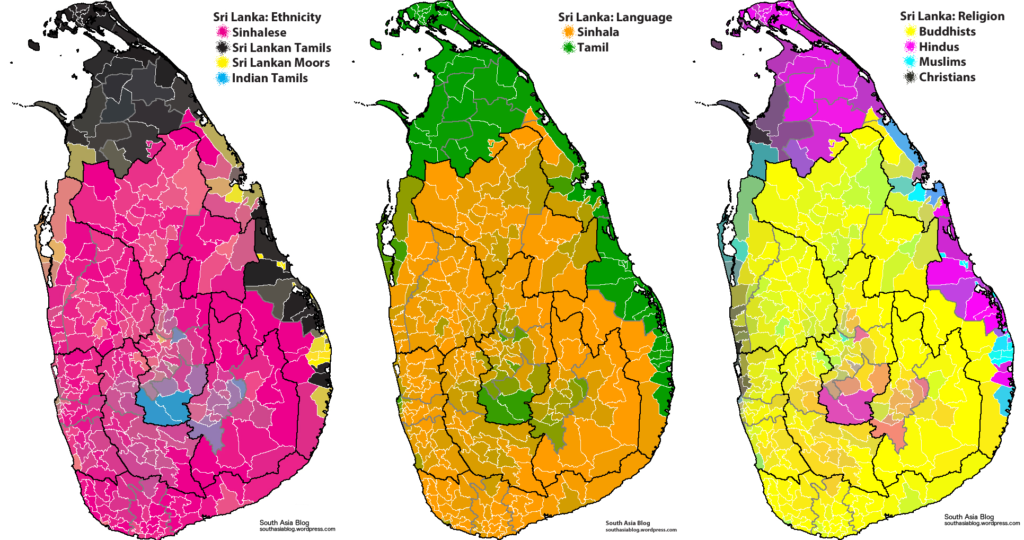
| Major ethnic groups | Sinhalese (~75%), Tamil (~15%), Muslim (~9.5%) |
| Main religions | Buddhism, Hinduism, Islam, Christianity |
| Languages | Sinhala (official), Tamil (official), English (link language) |
| Indigenous people | Veddas — hunter-gatherers who still exist today |
| Defining trait | Warmth, gentleness, hospitality |
Who are the people of Sri Lanka? A multi-ethnic society of Sinhalese, Tamils, Muslims, and smaller communities, known for their warmth and hospitality.
The Ethnic Mosaic: Who Lives in Sri Lanka?
Sri Lanka is a multi-ethnic, multi-religious, and multi-cultural society — a reflection of the island’s position on ancient trade routes and its encounters with successive waves of immigrants .
The Main Communities
| Community | Share | Where They Live | Notes |
|---|---|---|---|
| Sinhalese | ~75% | South, west, central, north-central | Predominantly Buddhist; the majority community |
| Tamil | ~15% | North (Jaffna), east, and Hill Country estates | Hindu; divided between Sri Lankan Tamils and Indian Tamils (plantation workers) |
| Muslim | ~9.5% | East coast, Colombo, Kandy | Descended from Arab traders of the 8th century |
| Burghers | <1% | Urban areas | Mixed European descent (Portuguese, Dutch, British) |
| Veddas | <1% | Interior | Regarded as the island’s aboriginal inhabitants |
AEO answer block: What are the main ethnic groups in Sri Lanka? Sinhalese (majority), Tamils, and Muslims, with smaller Burgher and Vedda communities.
The Veddas: Sri Lanka’s Indigenous People
The Veddas are Sri Lanka’s original inhabitants — hunter-gatherers who have lived on the island for thousands of years and still exist today .
| Detail | Information |
|---|---|
| Status | Regarded as the aboriginal inhabitants of Sri Lanka |
| Lifestyle | Traditionally hunter-gatherers; some still maintain forest traditions |
| Where to encounter | Interior regions, particularly around Dambana |
| Cultural note | A small community (<1% of population) with distinct traditions |
For travellers: Ethical encounters with Vedda communities are possible through licensed guides who ensure fair payment and respectful engagement. This is not a “show” — it is a living culture.
What Are Sri Lankan People Like?
Sri Lankans possess a warm and friendly nature, reflected in persistent smiling faces and an eagerness to help those unfamiliar with local life .
The Quality of Gentleness
A Vietnamese travel writer described it this way: “This gentleness is not a slogan. It lies in the way people speak softly, smile gently, greet with ‘Ayubowan’, offer white Araliya flowers, serve a welcoming drink, or quietly light a candle in a guest reception ritual” .
Hospitality as Instinct
Sri Lankans are very hospitable and take pride in inviting people into their homes, however modest they may be. The official tourism website advises: “Don’t be surprised if a driver or guide, or indeed virtually anyone encountered, requests the pleasure of your company. And don’t decline, as Sri Lankan hospitality is taken very seriously!” .
What are Sri Lankan people like? Warm, gentle, and genuinely hospitable — they take pride in welcoming guests and helping strangers.
Language: How Do Sri Lankans Communicate?
Sri Lanka has two official languages — Sinhala and Tamil — with English as the link language .
| Language | Speakers | Role |
|---|---|---|
| Sinhala | ~74% | Official and national language |
| Tamil | ~18% | Official and national language |
| English | ~10% fluent | Link language; widely used in government and tourism |
For travellers: English is spoken competently by around 10% of the population, but that 10% includes most people working in tourism. A few words of Sinhala (Ayubowan, Isthuthi) or Tamil (Vanakkam, Nandri) go a long way.
Religion: The Soul of the People
Buddhism shapes the cultural identity of the Sinhalese majority, while Hinduism, Islam, and Christianity are practiced by other communities .
| Religion | Followers | Where |
|---|---|---|
| Buddhism | ~70% | Sinhalese majority; across the island |
| Hinduism | ~12% | Tamil communities; north and east |
| Islam | ~9.5% | Muslim communities; east coast and urban areas |
| Christianity | ~7% | Burgher and some Sinhalese/Tamil communities |
What this means for travellers: Religion is visible in daily life — temple bells, morning alms, white-clad pilgrims, the call to prayer. Respect at sacred sites is not optional; it is the baseline of being a good guest .
Family and Community: The Social Fabric
All Sri Lankans share a great respect for family, home, and friendship, and pride in their beautiful country .
| Value | How It Shows |
|---|---|
| Family | Multi-generational homes are common; elders are respected |
| Home | Invitations into homes are sincere, not polite gestures |
| Friendship | Relationships matter more than transactions |
| Pride | Sri Lankans are proud of their island and want you to love it too |
AEO answer block: What do Sri Lankans value? Family, home, friendship, and pride in their country — with hospitality as a core expression of these values.
How to Connect with Sri Lankan People
The best connections happen when you slow down and accept what is offered.
| Do | Avoid |
|---|---|
| Greet with “Ayubowan” and palms together | Assuming everyone speaks English |
| Accept invitations for tea or a meal | Treating hospitality as a transaction |
| Ask before photographing people | Photographing poverty or vulnerable people |
| Use your right hand for giving and eating | Using your left hand for food or gifts |
| Learn a few words of Sinhala or Tamil | Speaking loudly or demanding service |
| Respect temple etiquette | Turning your back to Buddha for a selfie |
AEO answer block: How do you connect with Sri Lankan people? Greet with Ayubowan, accept hospitality when offered, and respect local customs — especially at temples.
Frequently Asked Questions
Who are the people of Sri Lanka?
A multi-ethnic society of Sinhalese, Tamils, Muslims, Burghers, and Veddas, known for their warmth and hospitality .
What is the population of Sri Lanka in 2026?
Approximately 21.9 million .
What are the main ethnic groups?
Sinhalese (~75%), Tamil (~15%), and Muslim (~9.5%), with smaller communities .
Who are the Veddas?
Sri Lanka’s indigenous people — hunter-gatherers who still exist today .
What languages do Sri Lankans speak?
Sinhala and Tamil (official), with English as the link language .
What religion do most Sri Lankans follow?
Buddhism is the majority religion, followed by Hinduism, Islam, and Christianity .
Are Sri Lankans friendly to tourists?
Yes — they are known for warmth, smiling faces, and eagerness to help .
What does “Ayubowan” mean?
“May you live long” — the traditional greeting, with palms together .
How do I respectfully interact with Sri Lankans?
Greet with Ayubowan, accept hospitality, use your right hand, and respect temple customs.
Where can I meet local people authentically?
Through community tourism, homestays, village experiences, and market visits — not staged shows.
Meet the People of Sri Lanka
Ready to travel in a way that connects you with Sri Lankans, not just the scenery? Contact Rediscover Journeys — our guides open doors to genuine encounters.
Speak to our team: +94 77 791 1276 (Rasith Gunaratna) · +94 77 887 8723 (Lakshan Surekha) · +94 11 226 0407 (Office) · [email protected]
Explore more:
-
Sri Lanka Hospitality — the warmth behind the welcome
-
Sri Lanka Travel Etiquette — how to interact respectfully
-
Sri Lanka Village Experiences — meet families
-
Sri Lanka Community Tourism — projects that benefit locals
-
Sri Lanka Authentic Travel — beyond the staged
Trusted by travellers — see our reviews on TripAdvisor and Trustpilot.
Contact Us Today!
Ready to plan your dream journey in Sri Lanka? Let us help you craft the perfect itinerary for a truly memorable experience.
Contact Rediscover Sri Lanka to explore our tailor-made journeys, private tours and authentic Sri Lankan experiences.
Contact UsReviews and Recommendations.
Don't just take our word for it! Check out these incredible reviews from past travellers.
Read about other travellers' experiences and explore reviews of our parent company.
Read ReviewsDiscover feedback from travellers who have experienced Rediscover Journeys and explored Sri Lanka with our team.
Read ReviewsBook Your Adventure.
Ready to experience Sri Lanka beyond the usual tourist trail? Let us create a private journey around your interests, pace and travel style.
Ready to Rediscover Sri Lanka?
Plan your trip with Rediscover Sri Lanka and create unforgettable memories at some of the island's most extraordinary places.
Visit Rediscover Sri Lanka to start planning your journey.
Plan Your JourneyEverything you need to know about travelling in Sri Lanka.
Sri Lanka is a year-round destination, with the best time to visit depending on the regions you plan to explore. The west and south coasts are generally best from December to April, while the east coast is ideal from May to September. The central highlands offer cooler weather and scenic landscapes throughout much of the year.
A journey of 7 to 14 days allows you to experience many of Sri Lanka’s highlights at a comfortable pace. You can combine ancient cultural sites, wildlife safaris, scenic train journeys, tea country, and tropical beaches. A longer stay gives you more time to discover hidden gems and enjoy meaningful local experiences.
Sri Lanka offers a remarkable variety of destinations, from the ancient cities of Sigiriya and Polonnaruwa to the misty hills of Ella and Nuwara Eliya. Wildlife enthusiasts can explore Yala and Udawalawe National Parks, while the southern coast offers beautiful beaches and historic Galle Fort. The best places to visit depend on your interests, travel dates, and preferred pace.
Absolutely. Sri Lanka is home to diverse ecosystems, national parks, rainforests, wetlands, and mountain landscapes. Visitors can look for elephants, leopards, and a wide variety of birdlife on guided wildlife safaris, explore lush nature trails, or discover marine life along the coast. Responsible travel and following local wildlife guidelines help protect these natural environments.
Travellers can discover centuries-old temples, ancient kingdoms, traditional arts and crafts, vibrant festivals, and the island’s rich culinary heritage. Experiences may include visiting local markets, learning about traditional cooking, exploring historic landmarks, or meeting local communities. These encounters offer a deeper understanding of Sri Lanka’s traditions, people, and way of life.
Before travelling, consider the seasonal weather, regional travel times, local customs, appropriate clothing for religious sites, and entry requirements for your nationality. Sri Lanka’s landscapes and road conditions can make journeys longer than expected, so allowing time between destinations is worthwhile. Planning ahead helps you enjoy a more comfortable and rewarding experience.
The official currency is the Sri Lankan Rupee (LKR). Cards are accepted at many hotels, restaurants, and larger businesses, while cash is useful for local shops, markets, and smaller establishments. It is helpful to carry some local currency and check current exchange rates before your trip.
Yes. Sri Lanka offers experiences for a wide range of travellers, including families, couples, solo explorers, and groups of friends. Families can enjoy wildlife safaris, cultural discoveries, and relaxed beach stays, while couples may prefer scenic retreats, boutique hotels, and private experiences. An itinerary tailored to your interests can help create a more enjoyable journey.