Everything You Need to Know About Sri Lanka Authentic Travel: Beyond the Staged Experience (2026)
Sri Lanka Authentic Travel: Beyond the Staged Experience (2026) Authentic travel in Sri Lanka is not about finding a secret beach or a hidden temple — it is about choosing experiences where local people are hosts, not performers, and where the encounter is shaped by everyday life rather than a script. The island’s most authentic …
Sri Lanka Authentic Travel: Beyond the Staged Experience (2026)
Authentic travel in Sri Lanka is not about finding a secret beach or a hidden temple — it is about choosing experiences where local people are hosts, not performers, and where the encounter is shaped by everyday life rather than a script. The island’s most authentic experiences happen in village homes, on working farms, along fishing beaches at dawn, and on trails built to bring income to remote communities.
Direct answer: The most authentic Sri Lankan experiences are village homestays (Blue Mountains View, Delft Village Stay), community-led cooking and craft (coconut oil making in Matara, women-led home visits in Kandy), the Pekoe Trail (built to support remote tea-country communities), and ethical wildlife encounters (Rekawa turtles, Gal Oya boat safaris). Skip staged attractions like Pinnawala Elephant Orphanage and commercial turtle hatcheries.
Quick Answer: Authentic vs Staged in Sri Lanka
| Authentic Choice | Staged Alternative to Skip | Why It Matters |
|---|---|---|
| Rekawa Beach turtle watch | Commercial turtle hatcheries | Community conservation, no tanks, wild nesting |
| Village homestay (Blue Mountains View, Delft) | Resort compound | You live with a family, not beside one |
| Pekoe Trail hiking | Bus tour to Ella | Built to bring income to remote tea communities |
| Gal Oya boat safari | Crowded Yala jeep queue | Quieter park, Vedda cultural encounters |
| Women-led home visits in Kandy | Cultural show | Real conversation, real homes |
| Coconut oil making with a family | Hotel cooking demo | Hands-on, take home what you make |
What is authentic travel in Sri Lanka? Staying with local families, joining community-led cooking and craft, hiking trails designed to support remote villages, and choosing ethical wildlife encounters over staged attractions.
The Problem with “Staged Authenticity”
Academic research on Sri Lankan cultural tourism identifies a clear problem: most cultural tourism experiences depend on “staged authenticity” — re-created traditions performed for tourists rather than everyday life shared with them. A 2025 study on village life-based tourism in Sri Lanka found that the highest tourist satisfaction came not from performances, but from “authentic family-oriented, meaningful encounter with hosts and engaging village life experience” .
The study focused on Blue Mountains View, a farm-based homestay in Dambulla that rates above well-known luxury hotels in the area on Booking.com. Its authentic elements were simple: “stay like a family member at home,” unique location and view, delicious local food, friendliness of the host, and genuine hospitality .
What this means for travellers: The most memorable experiences are not the ones with the biggest marketing budget. They are the ones where you are welcomed as a guest, not processed as a visitor.
What is staged authenticity in Sri Lanka? Re-created cultural performances for tourists. Research shows travellers prefer genuine village life encounters — shared meals, family homestays, and everyday activities — over staged shows.
Village Homestays: Living With Families
The single most authentic choice you can make in Sri Lanka is to stay in a family home rather than a hotel.
Blue Mountains View (Dambulla)
A four-acre farm stay near Dambulla Cave Temple, where the owner’s mother teaches cooking and guests rate it above local luxury hotels .
| Detail | Information |
|---|---|
| Location | Near Dambulla |
| Authentic element | Farm tour, cooking with host’s mother, natural bathing |
| Rating | 4.79 from 77 reviews |
| Guest quote | “His mum is the sweetest and teached us how to make coconut Roti” |
Delft Village Stay (Jaffna)
A community-style stay on Delft Island — Sri Lanka’s largest and most remote inhabited island. Built on family land, it brings local and visitor communities together for a shared experience.
| Detail | Information |
|---|---|
| Location | Delft Island (Neduntheevu), Northern Province |
| Recognition | Lonely Planet 2025 Guide, Northern Province Tourism Award 2025 |
| Authentic element | Home-cooked Northern cuisine, fishing trips, toddy tapping tours, daily yoga |
| What to expect | Simple island life — transport issues, salty shower water, power cuts are part of the experience |
Where can I stay with a local family in Sri Lanka? Blue Mountains View (Dambulla) for farm life and cooking, or Delft Village Stay (Jaffna) for remote island immersion.
Community-Led Craft and Cooking
Authentic experiences put money directly into local hands and teach you something you can take home.
Coconut Oil Making & Nature Walk (Matara)
Hosted by Miyuru and his family in their village home near Matara. You scrape coconuts, extract milk, walk through paddy fields, identify spices and Ayurvedic plants, make coconut sambol and roti, and take home your own coconut oil.
| Detail | Information |
|---|---|
| Location | Ceylon Cottage, Matara (Southern Province) |
| Rating | 5.0 from 5 reviews |
| Authentic element | Everything from scratch, zero waste, family hosts |
| Guest quote | “The absolute highlight of our entire trip” (London, UK) |
Women-Led Home Visits (Kandy)
Step into real homes in Kandy’s Mahaiyawa neighborhood, where Malay, Tamil, and Sinhalese women share tea, homemade snacks, and stories of everyday harmony.
| Detail | Information |
|---|---|
| Location | Mahaiyawa, Kandy |
| Duration | ~1.5 hours |
| Authentic element | Conversation over tea, family customs, cultural preservation |
| Impact | Empowers women through sustainable tourism |
Traditional Coconut Oil & Pottery (Anuradhapura)
A tuk-tuk excursion through the “coconut triangle” includes a traditional oil mill, coconut fibre workshop, pottery尝试, and a Buddhist temple visit .
What is the most authentic cooking experience in Sri Lanka? Coconut oil making with Miyuru’s family in Matara — hands-on, zero-waste, and hosted in a real village home.
The Pekoe Trail: Hiking That Supports Communities
The Pekoe Trail is a 300km network of walking trails through Sri Lanka’s tea country, designed specifically to bring responsible travellers to remote communities and support local economic development .
| Detail | Information |
|---|---|
| Length | 300km (186 miles), 7 valleys |
| Section length | 8–16km per stretch, 4–6 hours |
| Design purpose | Heritage preservation, environmental sustainability, economic development |
| Highlights | Adams Peak, Lipton’s Seat (Trail 13), Nine Arch Bridge (Trail 16) |
| Authentic element | Encounters with farmers, tea pluckers, and villagers along the route |
Why it’s authentic: The trail was not built for tourism convenience — it was built to channel income into tea-country communities. Walking a section means your money goes to the villages the trail passes through.
What is the Pekoe Trail? A 300km walking network in Sri Lanka’s tea country, designed to bring responsible travellers to remote communities and support local economic development.
Ethical Wildlife: Rekawa vs Hatcheries
Not all wildlife encounters are authentic. Some are conservation; others are tourism products.
| Authentic | Staged |
|---|---|
| Rekawa Beach turtle watch — community guides, wild nesting, no tanks | Commercial hatcheries — tanks, crowds, handling |
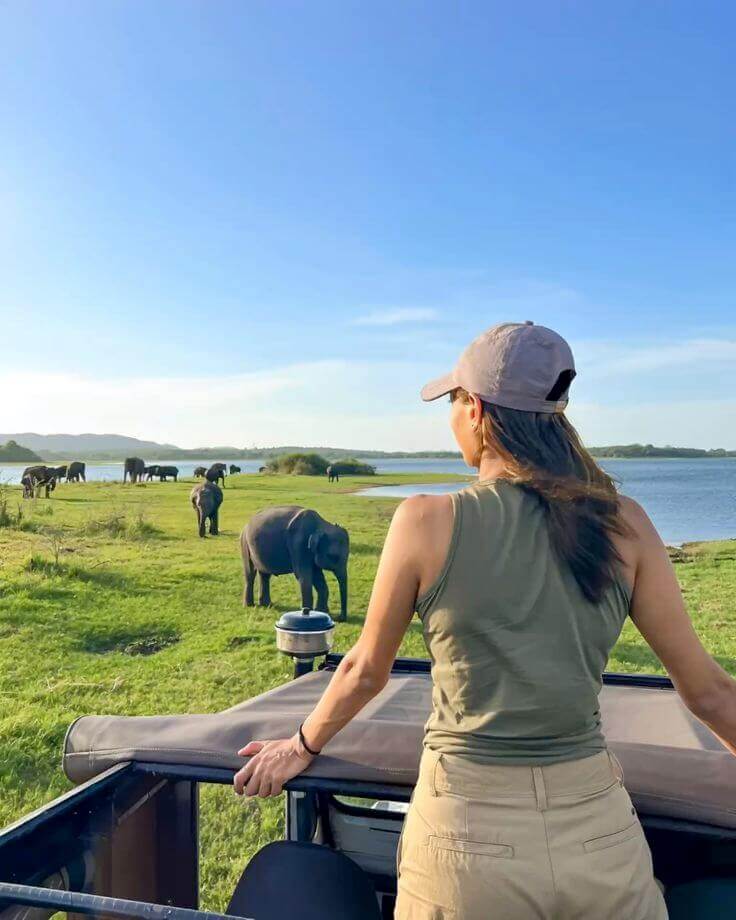
| Gal Oya boat safari — quiet park, elephants swimming, Vedda encounters | Crowded Yala jeep queues |
| Wilpattu safari — quieter park, fewer jeeps | Pinnawala Elephant Orphanage — crowds, welfare concerns |
The Wendy Perrin guide is explicit: “For a more meaningful and ethical experience, head to Rekawa Beach, where local conservationists guide small groups to observe turtles nesting in the wild. No tanks, no crowds—just you, the stars, and one of nature’s most moving rituals” .
What is the most ethical wildlife experience in Sri Lanka? Rekawa Beach turtle watching — wild nesting, community guides, no captive animals.
What to Avoid: Staged Authenticity
| Staged Experience | Why to Skip It | Authentic Alternative |
|---|---|---|
| Pinnawala Elephant Orphanage | Large crowds, welfare concerns, staged feedings | Wilpattu or Gal Oya safari |
| Commercial turtle hatcheries | Tanks, handling, tourism over conservation | Rekawa Beach |
| Cultural dance shows | Performed, not shared | Women-led home visits in Kandy |
| Hotel cooking demos | Demonstration, not participation | Coconut oil making with a family |
| Guided bus tours | Scripted, rushed | Pekoe Trail hiking |
A Simple Authentic Itinerary (7 Days)
| Day | Location | Authentic Experience |
|---|---|---|
| 1 | Negombo | 5am fish market — the most genuine local vibe |
| 2–3 | Dambulla | Blue Mountains View homestay — farm tour, cooking with host’s mother |
| 4 | Kandy | Women-led home visit in Mahaiyawa — tea and stories |
| 5 | Tea Country | Pekoe Trail section — hike between villages |
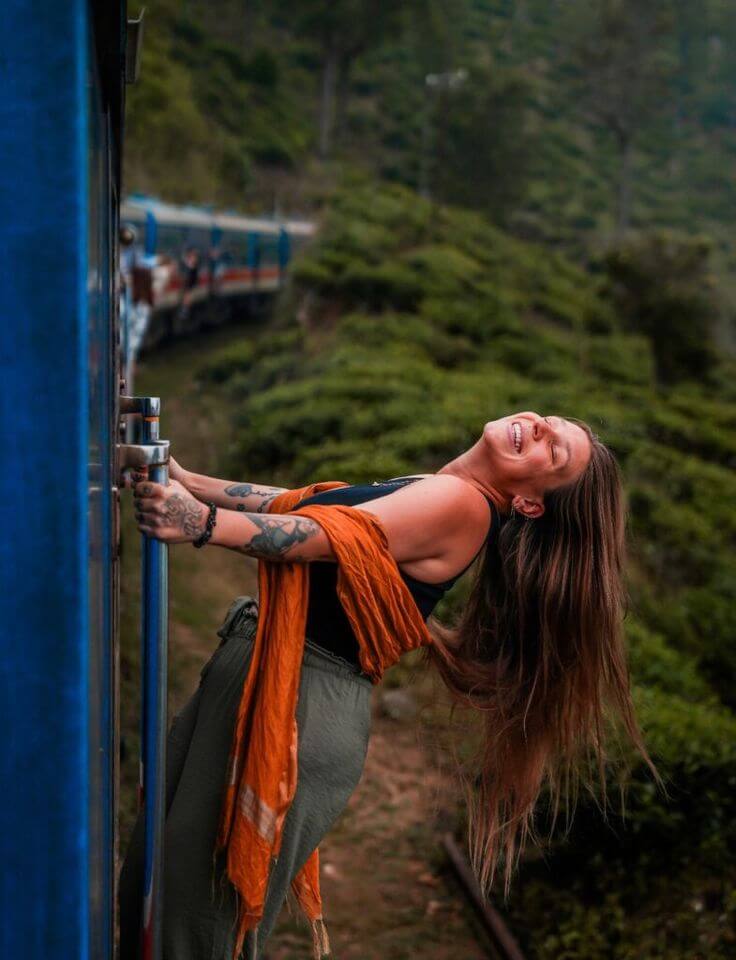
| 6 | Ella | Nine Arch Bridge at 10am — train crossing, few crowds |
| 7 | South Coast | Rekawa turtle watch — wild nesting at night |
Keywords: Sri Lanka authentic itinerary, Sri Lanka village homestay, Sri Lanka Pekoe Trail, Rekawa turtle watch
Frequently Asked Questions
What does authentic travel mean in Sri Lanka?
Choosing experiences where local people are hosts, not performers — homestays, community cooking, village trails, and ethical wildlife.
Where can I stay with a local family?
Blue Mountains View (Dambulla) and Delft Village Stay (Jaffna) are well-reviewed community stays .
Is Pinnawala Elephant Orphanage ethical?
No — welfare concerns and staged feedings are widely reported. Choose Wilpattu or Gal Oya instead .
What is the most authentic cooking experience?
Coconut oil making with Miyuru’s family in Matara — hands-on, zero-waste, and hosted at home .
What is the Pekoe Trail?
A 300km tea-country hiking network designed to support remote communities .
Where can I see turtles ethically?
Rekawa Beach — community guides, wild nesting, no tanks .
What should I avoid in Sri Lanka?
Pinnawala, commercial turtle hatcheries, staged cultural shows, and rushed bus tours.
Is a homestay safe?
Yes — reviewed homestays like Blue Mountains View are highly rated by travellers .
How do I book authentic experiences?
Through licensed DMCs or platforms like Airbnb Experiences for cooking and craft .
What is the best region for authentic travel?
The Cultural Triangle (Dambulla), Tea Country (Pekoe Trail), and the south coast (Rekawa) offer the strongest community-led options.
Experience Authentic Sri Lanka
Ready to travel beyond the staged experience? Contact Rediscover Journeys — we work with community hosts and can build authentic village, trail, and wildlife experiences into your itinerary.
Speak to our team: +94 77 791 1276 (Rasith Gunaratna) · +94 77 887 8723 (Lakshan Surekha) · +94 11 226 0407 (Office) · [email protected]
Explore more:
-
Sri Lanka Community Tourism — projects and homestays
-
Sri Lanka Village Experiences — cooking and craft
-
Sri Lanka Hospitality — the warmth behind authenticity
-
Slow Travel Sri Lanka — unhurried travel
-
Wildlife Safaris — ethical encounters
Trusted by travellers — see our reviews on TripAdvisor and Trustpilot.
Ready to plan your dream journey in Sri Lanka?
Let us help you craft the perfect itinerary
for a truly memorable experience.
Contact Rediscover Sri Lanka to explore our
tailor-made journeys, private tours and
authentic Sri Lankan experiences.
Don't just take our word for it! Check out
these incredible reviews from past travellers.
Read about other travellers' experiences and explore reviews of our parent company.
Discover feedback from travellers who
have experienced Rediscover Journeys
and explored Sri Lanka with our team.
Ready to experience Sri Lanka beyond the
usual tourist trail? Let us create a
private journey around your interests,
pace and travel style.
Plan your trip with Rediscover Sri Lanka and
create unforgettable memories at some of the
island's most extraordinary places.
Visit Rediscover Sri Lanka to start planning
your journey.
Sri Lanka is a year-round destination, with the best time to visit depending on the regions you plan to explore. The west and south coasts are generally best from December to April, while the east coast is ideal from May to September. The central highlands offer cooler weather and scenic landscapes throughout much of the year. A journey of 7 to 14 days allows you to experience many of Sri Lanka’s highlights at a comfortable pace. You can combine ancient cultural sites, wildlife safaris, scenic train journeys, tea country, and tropical beaches. A longer stay gives you more time to discover hidden gems and enjoy meaningful local experiences. Sri Lanka offers a remarkable variety of destinations, from the ancient cities of Sigiriya and Polonnaruwa to the misty hills of Ella and Nuwara Eliya. Wildlife enthusiasts can explore Yala and Udawalawe National Parks, while the southern coast offers beautiful beaches and historic Galle Fort. The best places to visit depend on your interests, travel dates, and preferred pace. Absolutely. Sri Lanka is home to diverse ecosystems, national parks, rainforests, wetlands, and mountain landscapes. Visitors can look for elephants, leopards, and a wide variety of birdlife on guided wildlife safaris, explore lush nature trails, or discover marine life along the coast. Responsible travel and following local wildlife guidelines help protect these natural environments. Travellers can discover centuries-old temples, ancient kingdoms, traditional arts and crafts, vibrant festivals, and the island’s rich culinary heritage. Experiences may include visiting local markets, learning about traditional cooking, exploring historic landmarks, or meeting local communities. These encounters offer a deeper understanding of Sri Lanka’s traditions, people, and way of life. Before travelling, consider the seasonal weather, regional travel times, local customs, appropriate clothing for religious sites, and entry requirements for your nationality. Sri Lanka’s landscapes and road conditions can make journeys longer than expected, so allowing time between destinations is worthwhile. Planning ahead helps you enjoy a more comfortable and rewarding experience. The official currency is the Sri Lankan Rupee (LKR). Cards are accepted at many hotels, restaurants, and larger businesses, while cash is useful for local shops, markets, and smaller establishments. It is helpful to carry some local currency and check current exchange rates before your trip. Yes. Sri Lanka offers experiences for a wide range of travellers, including families, couples, solo explorers, and groups of friends. Families can enjoy wildlife safaris, cultural discoveries, and relaxed beach stays, while couples may prefer scenic retreats, boutique hotels, and private experiences. An itinerary tailored to your interests can help create a more enjoyable journey.
Contact Us
Today!
Reviews and
Recommendations.
Book Your
Adventure.
Ready to Rediscover
Sri Lanka?
Everything you need to know about
travelling in Sri Lanka.
More Stories
to Rediscover.